


 0902 353 527
  cskh@nhahangvouy.com

What Is Plant-Based Protein? 11 Best Plant Protein Sources You Need
Plant-based protein is becoming increasingly popular thanks to its light, nutritious nature and health benefits. Not only does it provide sustainable energy, but it also supports heart health and brings balance to everyday meals. In this article, Vô Úy Vegetarian Restaurant introduces 11 essential plant-based protein sources that are easy to find in daily life. With these options, you can build a healthier and more scientific vegetarian or macrobiotic diet.
What Is Plant-Based Protein?
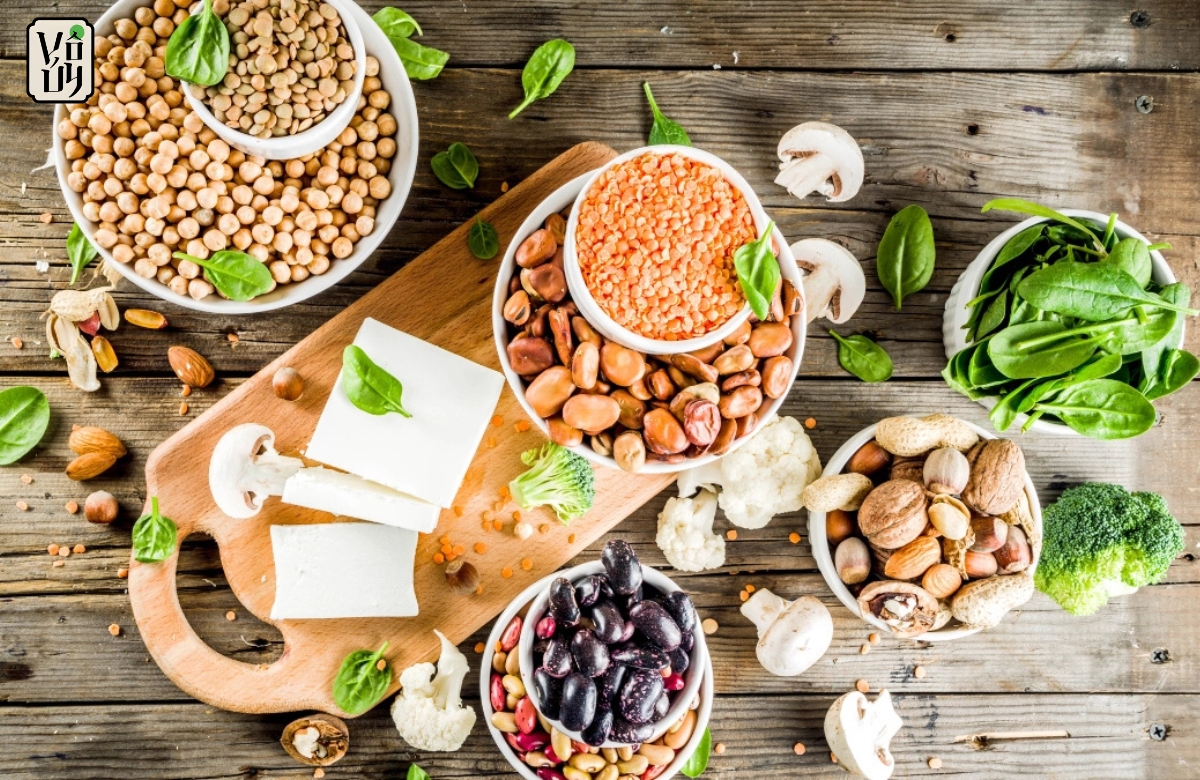
Plant-based protein is a natural source of protein found in legumes, nuts, whole grains, and leafy vegetables. Unlike animal protein, it typically comes with high amounts of fiber, vitamins, and essential minerals, while being low in cholesterol and saturated fat.
What Is Plant-Based Protein?
While animal protein comes from meat, eggs, fish, and dairy, plant protein is present in familiar foods such as soybeans, mung beans, sesame seeds, tofu, and dark leafy greens. By combining both protein sources appropriately in your daily diet, you can achieve balanced nutrition while maintaining energy, overall health, and a lighter feeling in your body.
Benefits of Plant-Based Protein
Plant-based protein offers many valuable health benefits. Thanks to its high fiber and antioxidant content, it helps reduce bad cholesterol, improve cardiovascular health, and maintain a stable metabolism. This is why many nutrition experts recommend increasing plant-based foods in daily meals.
At the same time, plant protein helps the body feel lighter—both physically and mentally. A diet rich in plant-based protein supports smoother digestion, natural detoxification, and stable energy levels throughout the day. This is one of the secrets behind a green, clean, and healthy lifestyle.
11 Essential Plant-Based Protein Sources
Plant-based protein is easy to find—even in your own kitchen. The key is understanding which foods are rich in protein, how they benefit your body, and how to turn them into delicious meals.
Below are 11 common, nutritious, and easily accessible plant protein sources.
Chickpeas and Other Legumes
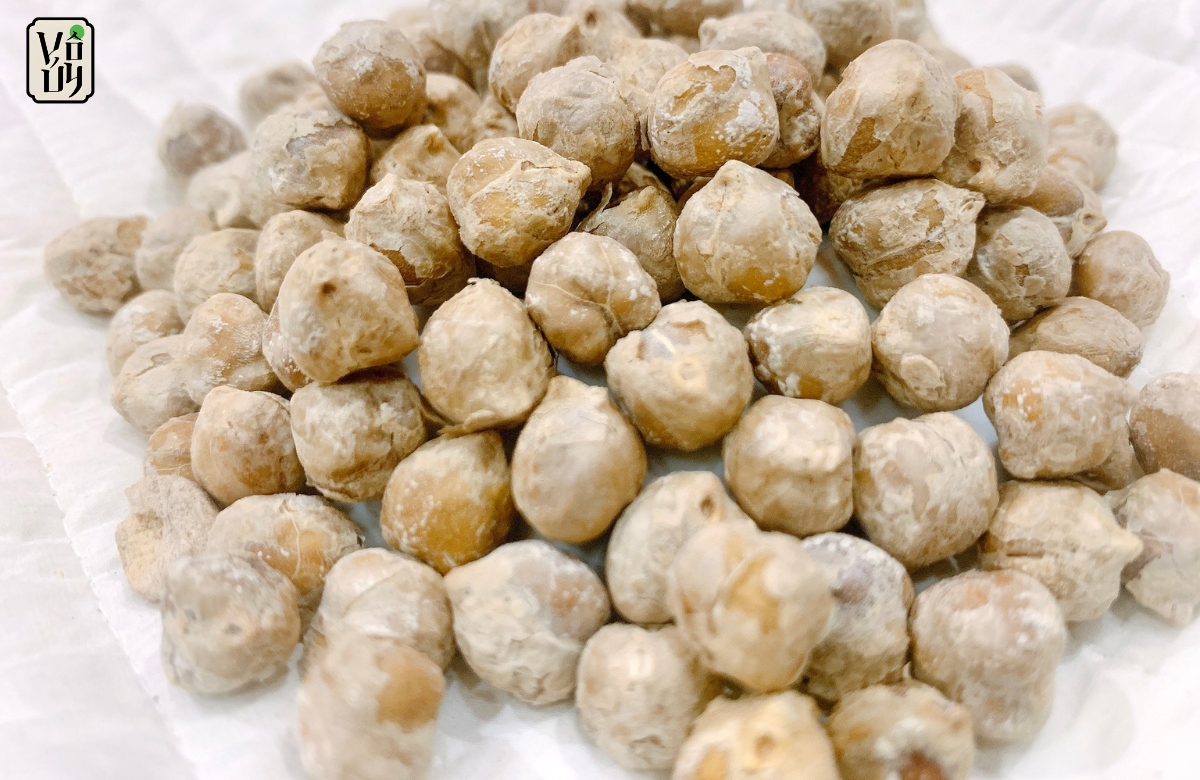
Chickpeas and other legumes are excellent sources of plant-based protein. One cup of cooked chickpeas provides about 15g of protein, along with complex carbs, fiber, folate, iron, potassium, and other minerals.
Research shows that a chickpea-rich diet helps control blood sugar, reduce cholesterol, lower blood pressure, and decrease belly fat. You can use chickpeas in salads, curries, or soups for both taste and nutrition.
Chickpeas and Other Legumes
Tempeh, Tofu, and Soy-Based Products
Tofu, tempeh, and other soy-based foods are complete protein sources, rich in essential amino acids. Tofu easily absorbs flavors, while tempeh has a nutty taste. Both provide 10–19g of protein per 100g and are rich in calcium and iron. Tempeh also contains B vitamins, probiotics, and minerals like magnesium and phosphorus, supporting overall health.
Hemp Seeds
Hemp seeds contain about 10g of protein per 28g—more than flaxseeds and chia seeds. They are rich in iron, magnesium, zinc, and omega-3 and omega-6 fatty acids. Studies show that hemp seeds help reduce inflammation and improve symptoms related to menopause and skin conditions. You can add them to smoothies, salads, or sauces for a nutritious boost.
Lentils
One cup of cooked lentils provides around 18g of protein and about 50% of your daily fiber needs. Lentils are rich in manganese, folate, potassium, iron, and antioxidants. They also support gut health by nourishing beneficial bacteria. Regular consumption may reduce the risk of diabetes, obesity, heart disease, and cancer.
Dark Leafy Greens – Natural Protein Sources
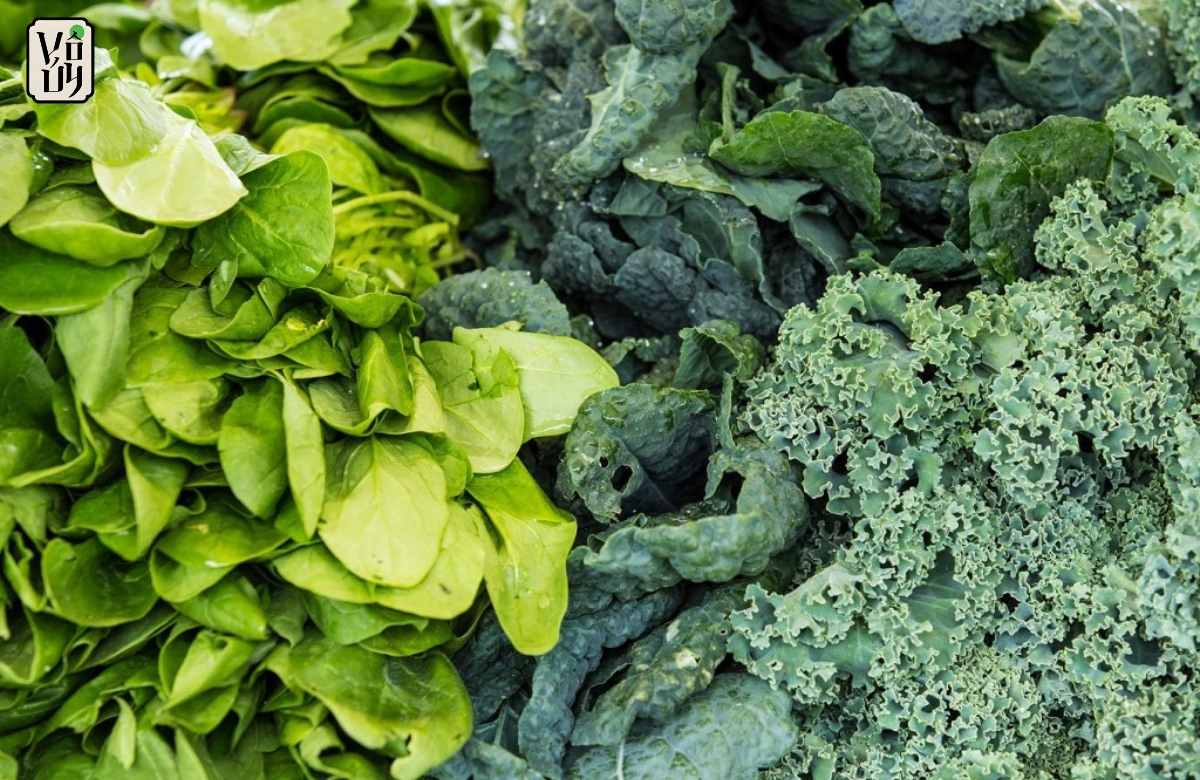
Vegetables like kale, spinach, broccoli, and mushrooms contain natural protein, although in smaller amounts. However, they are packed with vitamins, fiber, and minerals.
-
Kale: ~2g protein per cup
-
Broccoli: ~4g protein per serving
-
Mushrooms: ~3g protein depending on type
When combined with other protein sources, these vegetables help create balanced and nutritious meals.
Dark Leafy Greens – Natural Protein Sources
Seitan (Mì Căn)
Seitan is made from wheat gluten and is one of the highest plant-based protein sources, providing about 25g per 100g. Its meat-like texture makes it popular in vegan meat alternatives. In addition to protein, seitan contains selenium, calcium, and phosphorus. It can be pan-fried, grilled, braised, or stir-fried for flavorful dishes.
Note: Not suitable for people with gluten intolerance or celiac disease.
Plant-Based Milk (Soy Milk and Others)
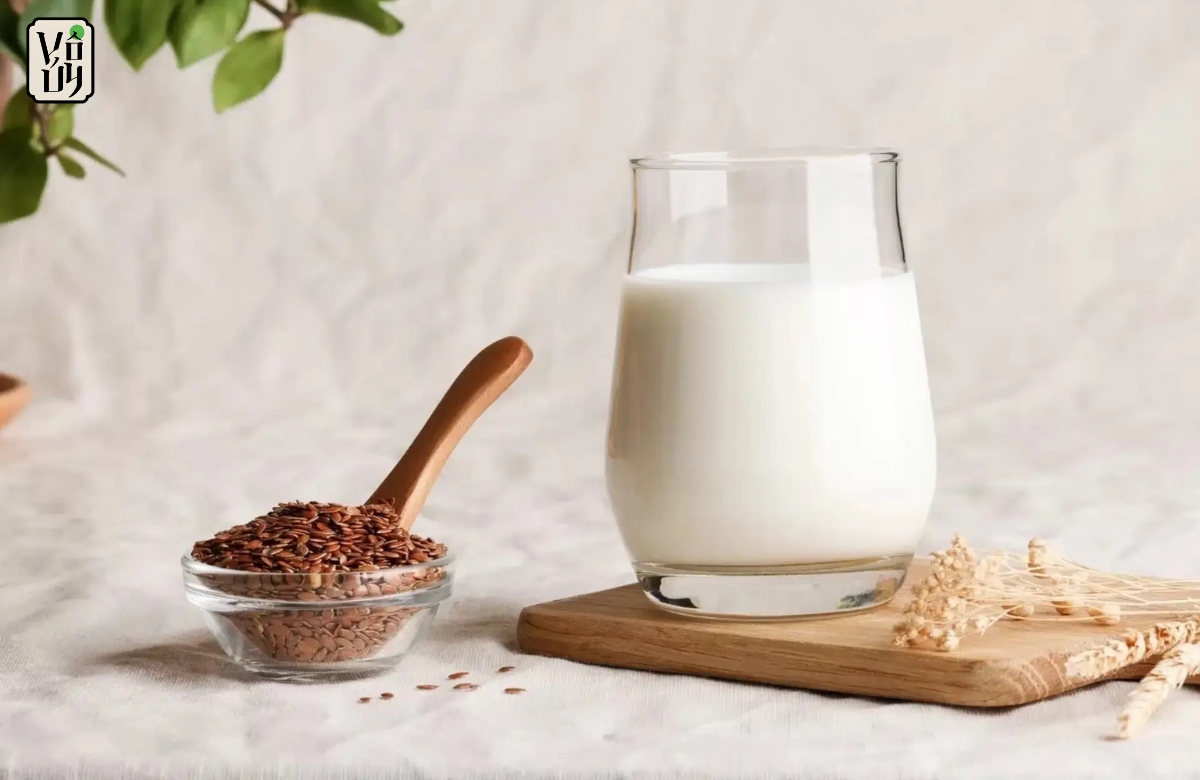
Plant-based milk is gentle on digestion, especially for those with lactose intolerance. Soy milk is the highest in protein, with about 4–8g per cup. Almond, rice, and hemp milk contain less protein but are rich in healthy fats and minerals. They are ideal for breakfast or pre-workout meals and can be combined with granola, oats, or smoothies.
Plant-Based Milk (Soy Milk and Others)
Brown Rice
Brown rice is more nutritious than white rice and provides about 5–6g of protein per cup. It is also rich in fiber and B vitamins and helps stabilize blood sugar levels. If you’re new to brown rice, mix it with white rice (50–50 ratio) and gradually increase the portion. Combining brown rice with legumes is ideal for those needing more protein.
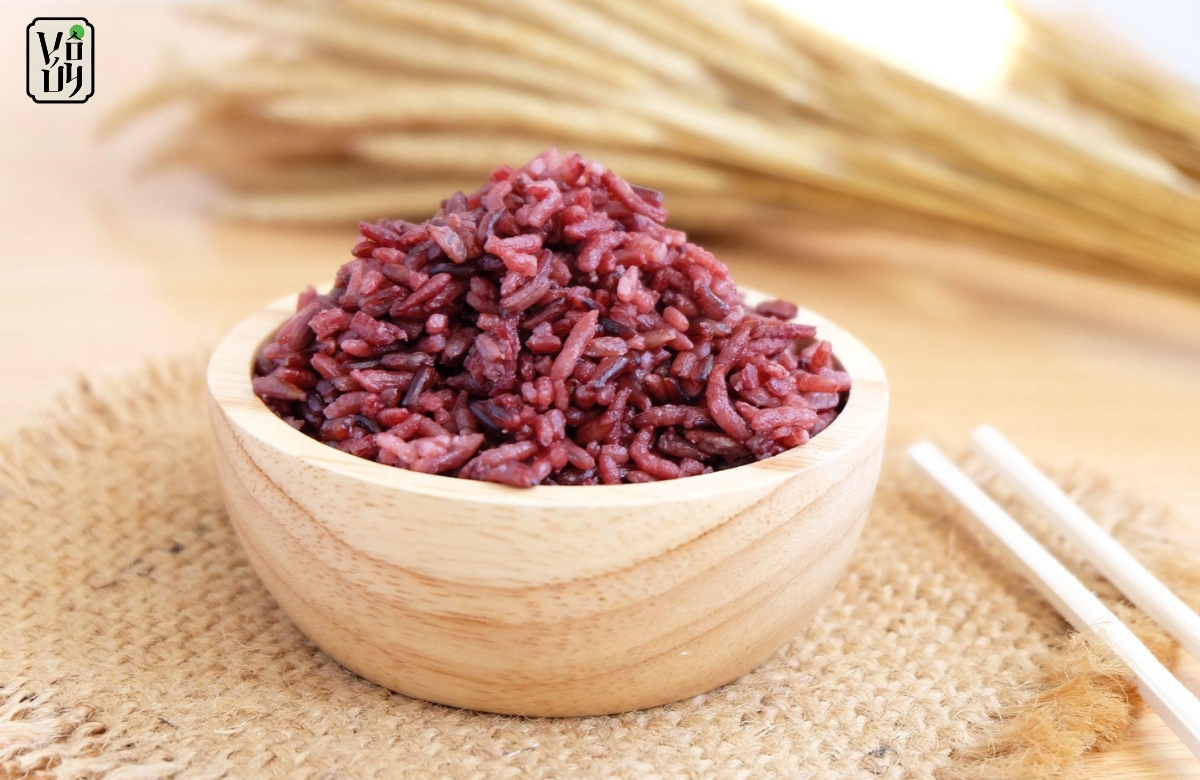
Brown Rice
Oats
Oats are a popular breakfast choice, providing about 6g of protein and 4g of fiber per half cup. They help you feel full longer, stabilize blood sugar, and provide sustained energy. Although not a complete protein, oats offer higher protein quality than many other grains. You can prepare oatmeal, overnight oats, or baked goods.
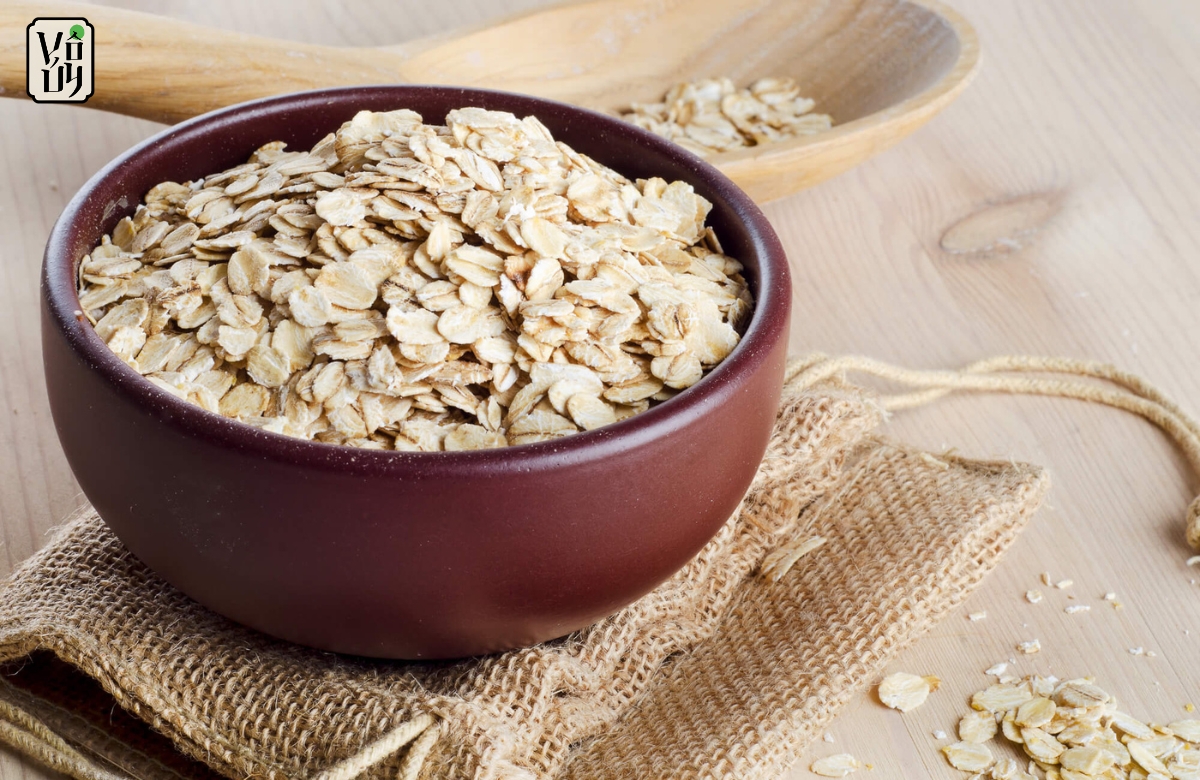
Oats
Chia Seeds
Chia seeds are known for their fiber, omega-3, and protein content (about 6g per 35g). When soaked, they form a gel that supports digestion and promotes fullness.
They also contain calcium, iron, magnesium, and antioxidants. Add them to puddings, smoothies, yogurt, or baked goods for an easy nutrition boost.
Sunflower Seeds and Sesame Seeds
Sunflower and sesame seeds are small but packed with protein. Half a cup of sunflower seeds provides about 14.6g of protein, while sesame seeds provide about 10.8g.
They are also rich in vitamin E, healthy fats, and minerals that support heart health, skin, and energy levels. Enjoy them as snacks, salad toppings, or additions to whole-grain dishes.
Important Notes When Following a Plant-Based Protein Diet
Adopting a vegetarian diet or increasing the proportion of plant-based foods is a healthy choice. However, to ensure your body receives all essential nutrients, you should follow some important principles below. These tips will help you build a balanced, sustainable, and healthy diet:
-
Diversify protein sources: Combine legumes, nuts, whole grains, and vegetables to ensure a complete intake of essential amino acids.
-
Choose whole foods: Limit highly processed soy products. Instead, opt for fresh and minimally processed foods.
-
Monitor fiber intake: Fiber is beneficial, but you should drink enough water to avoid bloating or digestive discomfort.
-
Supplement vitamin B12: Include B12-rich foods or supplements as recommended by a healthcare professional, since this nutrient is often lacking in vegetarian diets.
-
Include healthy fats: Use nuts, nut butter, olive oil, and similar sources to support the absorption of fat-soluble vitamins.
-
Don’t overlook minerals: Iron, calcium, and zinc are abundant in seeds, dark leafy greens, and whole grains. Make sure they are regularly included in your meals.
When you follow a vegetarian diet in a smart and balanced way, you can fully meet your nutritional needs without worrying about protein deficiency. The key is to listen to your body, maintain balance across food groups, and diversify your daily meals. A simple yet complete diet will help you stay healthy and energized.
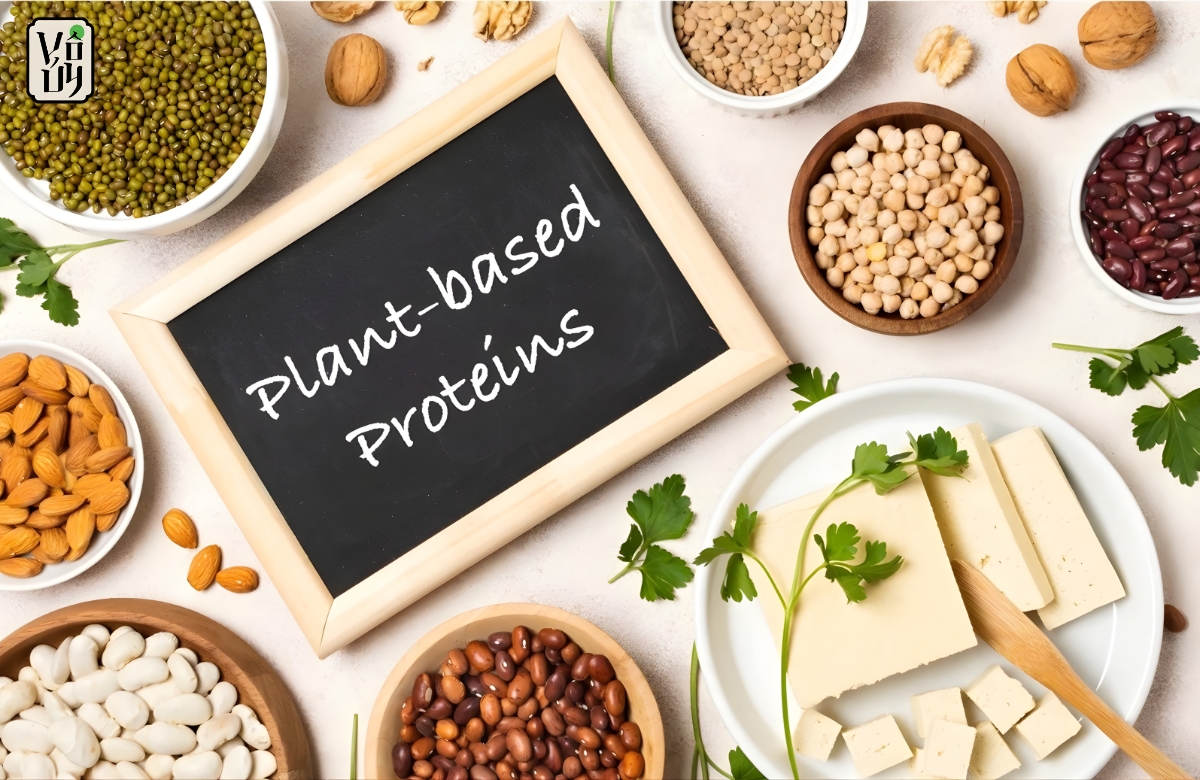
Important Notes When Following a Plant-Based Protein Diet
Frequently Asked Questions About Protein in Diets
1. Should You Choose Plant-Based Protein or Animal Protein?
Both types of protein are essential for the body. However, the ratio and combination are what truly matter.
-
Animal protein is complete and rich in essential amino acids but often comes with cholesterol and saturated fat.
-
Plant-based protein is lower in unhealthy fats and rich in fiber, vitamins, and minerals, supporting heart health and digestion.
Therefore, the ideal approach is to combine both sources, while prioritizing plant-based protein to reduce cardiovascular strain and improve digestive health. This is also a sustainable nutrition trend recommended by many experts.
2. What Is the Difference Between Plant-Based and Animal Protein?
Animal protein usually contains all essential amino acids but is higher in saturated fat. In contrast, plant-based protein is rich in fiber and antioxidants but may lack certain amino acids. That’s why combining a variety of plant-based foods is necessary to create a complete protein profile.
Conclusion
Plant-based protein is the foundation of a light yet nutritionally complete diet. When combined properly, it allows you to build meals that are delicious, clean, and beneficial for your health. If you want to fully experience the richness of high-protein vegetarian cuisine, visit Vô Úy Vegetarian Restaurant—a place that offers a diverse menu of carefully prepared, nutritious vegan dishes in a peaceful and refined dining space. We are always ready to serve you with dedication and care.