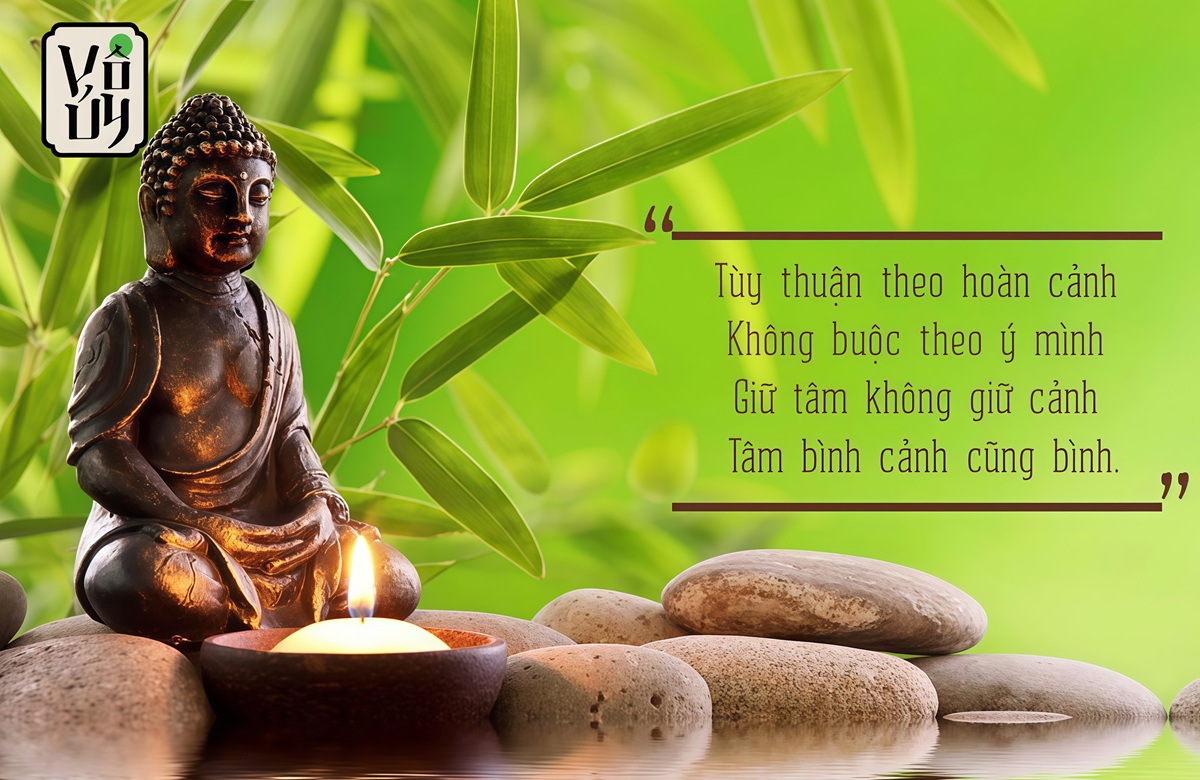
7 Buddhist Teachings for Inner Peace and Letting Go of Suffering
Below are meaningful Buddhist teachings for inner peace for those who feel tired, stressed, or emotionally overwhelmed. Each teaching carries profound wisdom that helps people let go of suffering, calm the mind, and live more peacefully in the middle of life’s chaos.
1. True Peace Exists Within Your Own Mind
Many people spend their entire lives searching for peace and happiness outside themselves, forgetting that true inner peace begins within the soul. The Buddha taught that when people reduce greed, jealousy, anger, and attachment, the mind naturally becomes lighter and calmer.
Life itself is not always heavy or difficult. Most of the pressure comes from our own negative thoughts and unnecessary comparisons with others. When we learn to live simply, appreciate what we already have, and let go of unhealthy attachments, we begin to experience peace within ourselves.
2. Anger Hurts You Before It Hurts Others
The Buddha once compared anger to a burning piece of charcoal. When you hold it with the intention of throwing it at someone else, you are the first person to get burned. Everyone experiences anger and emotional loss of control at times. However, if we do not learn to manage our emotions, impulsive words and actions can deeply hurt the people around us.
Many relationships are broken because of temporary anger and careless words spoken in moments of frustration. That is why learning to stay calm before reacting is extremely important. Sometimes, silence at the right moment is the best way to protect peace for both yourself and others.
3. Your Thoughts Shape Who You Become
The Buddha taught that a person’s thoughts determine how they live and who they eventually become. When someone constantly believes they are worthless, they gradually lose confidence and motivation in life.
On the other hand, people who maintain positive thinking and trust in their own abilities are more willing to learn, improve, and grow into better versions of themselves. An optimistic mindset helps people see life more gently and reduces unnecessary suffering.
In addition, a peaceful mind begins with the way we think every day. When we choose positivity, turn difficulties into lessons, and view challenges as opportunities for growth, life naturally becomes calmer and more meaningful. A peaceful soul does not mean living without pressure. It means knowing how to remain calm despite life’s uncertainties.

7 Buddhist Teachings for Inner Peace and Letting Go of Suffering
4. Understanding Yourself Is True Enlightenment
The Buddha once taught that conquering yourself is more glorious than winning thousands of battles in life. People often notice the strengths and weaknesses of others more easily than they understand themselves. Because of this, the journey inward is one of the greatest challenges anyone can face when seeking inner peace and emotional clarity.
Meditation and silence are valuable ways to understand our emotions, desires, and limitations more deeply. When we truly understand what we need and what genuinely makes us happy, we begin living more gently and become less controlled by external pressure. However, self-awareness is not easy. Some people spend many years learning how to truly understand themselves.
5. Replace Jealousy With Genuine Admiration
Jealousy is one of the main reasons the human mind becomes restless and exhausted. When people constantly compare themselves to others or envy someone else’s success, they often become insecure, frustrated, and emotionally drained.
The Buddha taught that instead of comparing or resenting others, we should learn to sincerely appreciate and celebrate their success. When jealousy disappears, the heart becomes lighter and calmer. At the same time, learning from the strengths of others can motivate us to improve ourselves without carrying anger or negativity. A soul filled with kindness and appreciation will always experience more peace than a heart consumed by comparison and resentment.
6. Kindness Toward Others Nourishes Inner Peace
The Buddha always encouraged people to live with kindness, compassion, and forgiveness toward everyone around them. Every person carries struggles that others may never fully see or understand. Because of this, empathy and gentle treatment toward others not only help them feel comforted but also make our own hearts calmer and more peaceful.
When we learn to care for children, respect the elderly, sympathize with the vulnerable, and forgive those who make mistakes, we begin to see life from a more positive perspective. Even small acts of kindness can bring lightness and peace to the mind. A compassionate heart naturally experiences more joy and tranquility in life.
Kindness Toward Others Nourishes Inner Peace
7. Let Things Happen Naturally and the Mind Will Remain Peaceful
“Our hands may build and nurture,
But success and failure depend on fate.
Glory and hardship come to everyone,
So why hold onto sorrow?”
In Buddhism, “living according to destiny” does not mean giving up or leaving everything to fate. Instead, it means learning to calmly accept whatever happens in life.
People should still try their best and live wholeheartedly in the present moment, but they should not become overly attached to gain and loss, competition, status, or fame. When we learn to release the things we cannot control, the mind becomes lighter and more peaceful.
In life, some relationships and situations naturally come and go according to destiny. When fate brings people together, we should cherish those moments. When it is time to let go, we should learn to accept it without resentment or prolonged suffering.
Those who understand the philosophy of acceptance and impermanence often live more peacefully through life’s changes because they realize that everything follows its own natural course.



 0902 353 527
  cskh@nhahangvouy.com