


 0902 353 527
  cskh@nhahangvouy.com

Buddha’s Teachings About the Heart and Mind
The Buddha’s teachings about the Heart and Mind offer profound lessons that help people understand the value of kindness, let go of anger and attachment, and move toward a peaceful life. When we learn to keep a pure and calm mind, we can live more positively, love others sincerely, practice compassion, and stay away from negativity. In this article, Vô Úy Vegetarian Restaurant shares meaningful Buddha teachings about the Heart and Mind that are truly worth reflecting on.
The Meaning of the “Heart and Mind” in Buddhism
In Buddhism, the word “Heart and Mind” refers not only to the human heart and conscience, but also to the source of all thoughts and actions. According to Buddhist teachings, every good or evil deed begins in the mind. A person with a kind and pure heart will live honestly, follow what is right, and know how to love and help others. On the other hand, when the mind is filled with anger, jealousy, greed, and hatred, people are easily drawn into negativity, which eventually leads to mistakes and suffering.

The Meaning of the “Heart and Mind” in Buddhism
For this reason, the Heart and Mind are considered the foundation of self-cultivation, moral development, and spiritual growth. A pure and peaceful mind helps people live more positively, practice forgiveness, let go of resentment, and pursue meaningful values in life.
Ancient wisdom once said:
“A distorted mind leads to a chaotic life.
A dishonest mind brings constant anxiety.
A hateful mind creates a life full of resentment.
A jealous mind steals away happiness.
A greedy mind results in deception.”
In Buddhism, the Heart and Mind are always connected to enlightenment and inner peace:
“Following the teachings of the Buddha,
The Heart and Mind guide us through life.
Reaching the shore of enlightenment with serenity,
Leaving behind suffering to embrace peace and joy.”
The Buddha once taught:
“All beings possess a pure original mind. Yet they fail to recognize it because ignorance clouds their awareness.”
(Excerpt from the Mahāparinirvāṇa Sūtra)
This teaching means that every person is born with a naturally pure, peaceful, and compassionate mind. However, due to external influences and the distractions of greed, anger, and ignorance, the mind gradually becomes restless and troubled, creating karmic attachments within the cycle of rebirth. Therefore, learning to maintain a calm and pure mind is also the path toward inner peace and a more harmonious life.
Understanding the Six Types of Mind in Buddhism
According to Buddhist philosophy, the concept of the “Mind” carries many layers of meaning, reflecting emotions, awareness, and the deeper nature of human beings. Below are six common types of mind in Buddhism:
- Physical Mind: This refers to the physical human heart, symbolizing emotions and emotional responses to life experiences.
- Essential Mind: The Essential Mind represents the core and essence of consciousness. It is considered the root of all speech, thoughts, and actions.
- True Mind: Also known as the “True Mind,” this is the pure original nature and Buddha-nature that exists within every person.
- Discerning Mind: This is the mind’s ability to recognize and distinguish objects, events, and experiences through the senses and consciousness.
- Calculating Mind: The Calculating Mind is the part of the mind attached to ego, overthinking, and self-centered thoughts, often giving rise to inner conflict and suffering.
- Storehouse Mind: This mind stores memories, experiences, and the “seeds” that shape a person’s awareness, habits, and actions.
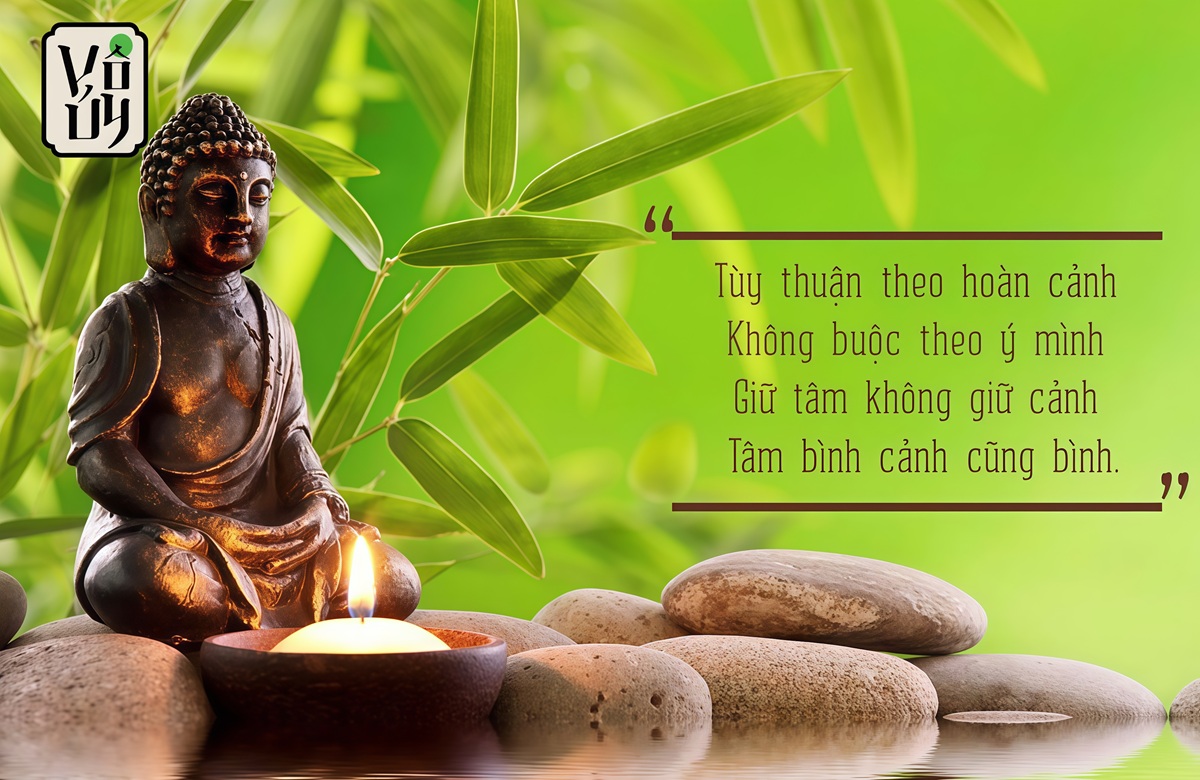
The Most Meaningful Buddha’s Teachings About the Heart and Mind
In Buddhist teachings, the “Heart and Mind” are considered the source of all human thoughts, words, and actions. A kind and compassionate mind leads to goodness, while a restless and troubled mind brings suffering and anxiety into life. For this reason, the Buddha always emphasized cultivating the mind, nurturing virtue, and practicing mindfulness so that people can attain peace and enlightenment.
Each Buddhist scripture offers a unique and profound perspective on the Heart and Mind, helping us better understand illusion, true awareness, and the path toward compassion and wisdom. Nhà Hàng Chay Vô Úy would like to share meaningful Buddha teachings about the Heart and Mind from well-known Buddhist sutras below.

The Most Meaningful Buddha Teachings About the Heart and Mind
Buddha’s Teachings About the Heart and Mind in the Śūraṅgama Sūtra
In the Śūraṅgama Sūtra, the Buddha taught:
“All phenomena arise according to the mind.”
This means that feelings such as happiness or sadness, right or wrong, peace or suffering all originate from one’s own mind. Two people may experience the same situation differently depending on their state of mind. When the mind is peaceful, life feels lighter and more harmonious. On the contrary, when the mind is filled with worries and attachments, even beautiful things can become burdensome.
The Buddha also taught:
“The root of birth and death in samsara is the deluded mind.
The root of enlightenment and nirvana is the true mind.”
The deluded mind refers to constantly changing thoughts such as greed, anger, jealousy, attachment, and ego. These illusions keep people trapped in suffering and the endless cycle of rebirth. In contrast, the true mind is the pure and enlightened nature that already exists within every person but is often hidden by ignorance.
When people learn to cultivate compassion, forgiveness, and mindfulness toward arising thoughts, they gradually let go of negativity and attachment, allowing the mind to become calmer and more peaceful.
Buddha’s Teachings About the Heart and Mind in the Dhammapada
The Dhammapada states:
“Mind precedes all things.
Mind is their master.
Mind creates all.”
This teaching emphasizes that every good or evil action begins with the human mind. When the mind is polluted by greed, hatred, and ignorance, words and actions can easily hurt others, creating suffering for both oneself and those around them.
On the other hand, when the mind is guided by kindness, wisdom, and compassion, life becomes more peaceful and gentle. The Buddha taught that true spiritual practice is not only about outward actions but also about transforming the inner mind.
Therefore, if people wish to live a peaceful and meaningful life, they must first learn to master their minds and nurture positive, wholesome thoughts every day.
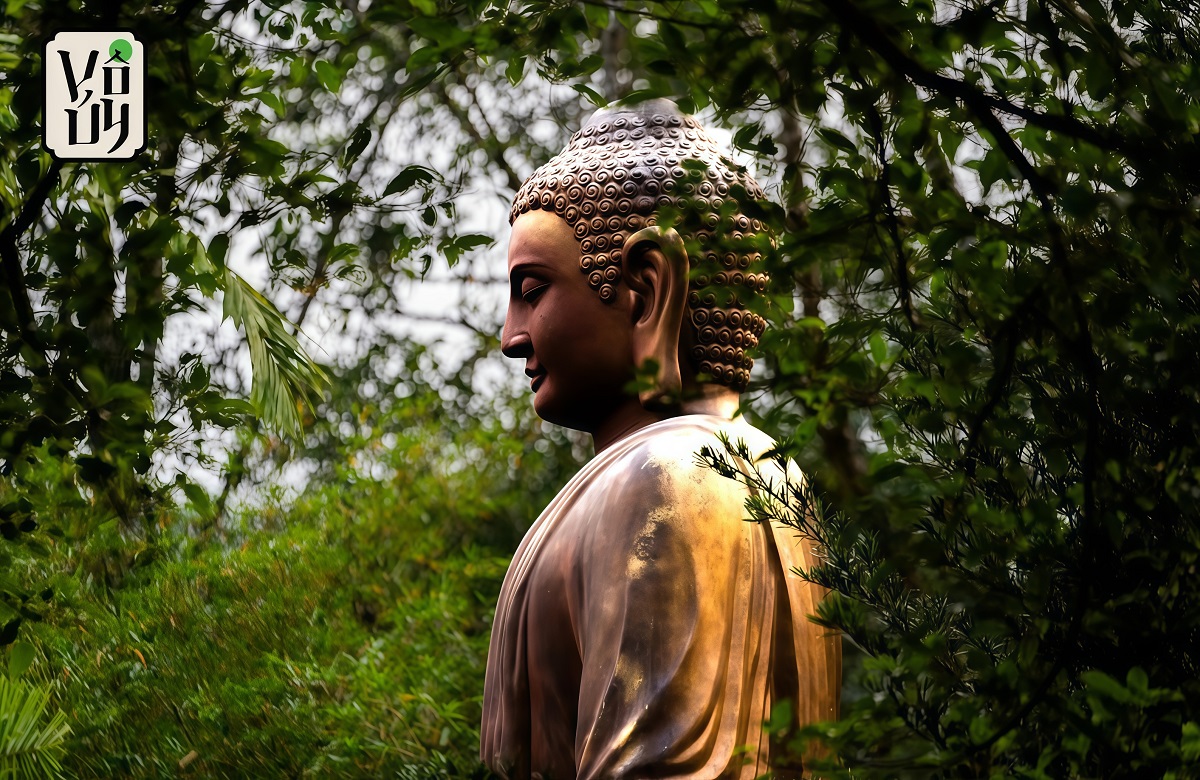
Buddha’s Teachings About the Heart and Mind in the Dhammapada
Buddha’s Teachings About the Heart and Mind in the Mahāsamnipāta Sūtra
In the Mahāsamnipāta Sūtra, the Buddha taught that when people maintain mindfulness, calm the restless mind, and let go of worldly attachments, they gradually move closer to enlightenment and inner peace.
A practitioner should regularly observe their inner thoughts, recognize arising illusions, but avoid becoming attached to them. When the mind learns to stop chasing greed, anger, ego, and desire, people naturally feel lighter, calmer, and more at ease.
Buddhism also reminds us that the more attached we are, the more suffering we experience. The more we learn to let go, the more peaceful life becomes. Although maintaining a pure and tranquil mind is not easy, consistent daily practice will eventually help people discover true peace within themselves.
Frequently Asked Questions About Buddhist Practice
How Can We Keep a Peaceful Mind According to Buddha’s Teachings?
According to the Buddha, maintaining inner peace begins with letting go of anger, reducing competitiveness, and not allowing negative emotions to control the mind. Living more slowly, thinking positively, cultivating compassion, and showing empathy toward others can also help the heart become calmer and more peaceful amidst life’s challenges.
What Is the Most Important Principle in Buddhist Practice?
The most essential principle in Buddhist practice is preserving a kind and wholesome heart. When the mind is pure and virtuous, people naturally live according to morality, avoid harmful actions, and treat others with sincerity and compassion. A peaceful and kind mind is also the foundation of a happy and harmonious life.
How Should Beginners Practice Vegetarian Eating?
People who are new to Buddhist practice do not need to become full-time vegetarians immediately. They can begin by eating vegetarian meals a few days each month or choosing a lighter and simpler diet so that both the body and mind gradually adapt.
In Buddhism, vegetarian eating is not only a way to avoid harming living beings but also a method of cultivating compassion and maintaining a pure and peaceful mind.
Conclusion
Understanding the Buddha’s teachings about the Heart and Mind helps people reflect on themselves, live more mindfully, become kinder, and let go of unnecessary worries and attachments. If you are practicing Buddhism at home and wish to enjoy wholesome vegetarian cuisine, you can visit Vô Úy Vegetarian Restaurant. It is a peaceful place where guests can enjoy nourishing vegetarian meals while rediscovering calmness and serenity within their hearts and minds.