


 0902 353 527
  cskh@nhahangvouy.com

How Does a Vegetarian Diet Help Protect the Environment?
Choosing a vegetarian diet is about more than personal health or religious beliefs. Today, many people embrace plant-based eating because they want to make more environmentally responsible choices and reduce the impact of their daily lifestyle on the planet.
Every meal we eat requires natural resources such as land, water, and energy. Growing crops, raising livestock, processing food, packaging, and transportation all contribute to environmental impacts. By incorporating more vegetables, fruits, legumes, mushrooms, whole grains, and other plant-based foods into our daily meals, we can help support a more sustainable future.
While adopting a vegetarian diet alone will not solve global environmental challenges, it is one practical step that individuals can take to contribute to positive change.
The Connection Between Food and the Environment
Modern agriculture and food production have made a wide variety of foods available to people around the world. However, increasing demand for food has also placed greater pressure on forests, farmland, freshwater resources, and natural ecosystems.
Every food product goes through multiple stages before reaching our dining tables. Crops must be cultivated, harvested, processed, transported, packaged, and distributed. Each stage requires resources and generates environmental impacts.
According to the Intergovernmental Panel on Climate Change (IPCC), global food systems account for a significant share of human-generated greenhouse gas emissions. The IPCC also recognizes that diets containing a higher proportion of plant-based foods have the potential to contribute to lower emissions and more sustainable food systems. Protecting the environment is therefore about more than reducing plastic waste or saving electricity. The food choices we make every day also play an important role.
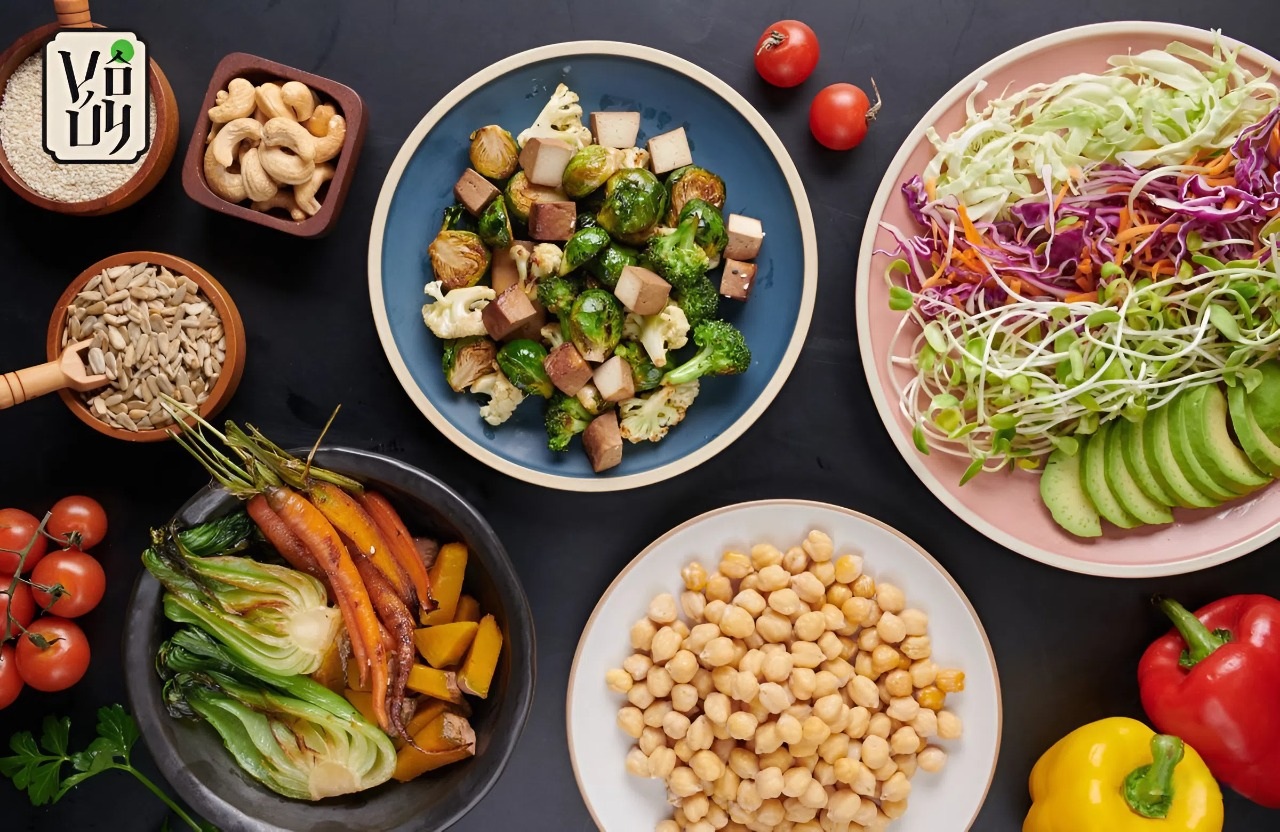
The Connection Between Food and the Environment
Plant-Based Diets Can Help Reduce Greenhouse Gas Emissions
One of the most widely discussed environmental benefits of plant-based eating is its potential to reduce greenhouse gas emissions associated with food production.
Livestock farming generates emissions through several processes, including animal digestion, manure management, feed production, land-use change, and energy consumption throughout the supply chain.
Methane emissions are commonly associated with ruminant animals such as cattle, while nitrous oxide can result from agricultural soils, fertilizers, and livestock waste. Carbon dioxide is produced through transportation, energy use, and changes in land use.
Numerous scientific studies have shown that diets containing fewer animal products generally have a lower environmental footprint. Research published in Nature Food found that vegan and vegetarian diets typically require less land, produce fewer greenhouse gas emissions, and consume less water than diets rich in animal products.
That said, not every vegetarian meal automatically has a low environmental impact. Farming methods, transportation distances, food processing, packaging, and food waste all influence the overall sustainability of what we eat.
Reducing Pressure on Land Resources
Livestock farming requires land not only for raising animals but also for growing crops used as animal feed.
As demand for meat increases, additional agricultural land may be needed, sometimes leading to the conversion of forests and natural habitats into farmland or grazing areas. This can contribute to habitat loss, reduced biodiversity, and decreased carbon storage.
Choosing more plant-based protein sources such as tofu, lentils, beans, chickpeas, nuts, and soy products can help reduce demand for land-intensive food production. Studies comparing dietary patterns have shown that plant-rich diets generally require substantially less agricultural land and freshwater than diets high in animal-based foods.
A vegetarian Diet Helps Conserve Water Resources
Water is essential throughout the food production process. It is used to irrigate crops, maintain livestock, clean facilities, and process food products. Large-scale livestock farming can also generate significant amounts of waste. Without proper treatment, nutrients and pollutants may enter rivers, lakes, or groundwater, affecting water quality.
However, it is important to recognize that crop production also has environmental impacts. Some crops require considerable amounts of water or may contribute to pollution if fertilizers and pesticides are used irresponsibly.
A truly sustainable diet therefore involves more than simply eating plant-based foods. Choosing seasonal ingredients, reducing food waste, and supporting responsible agricultural practices are equally important.
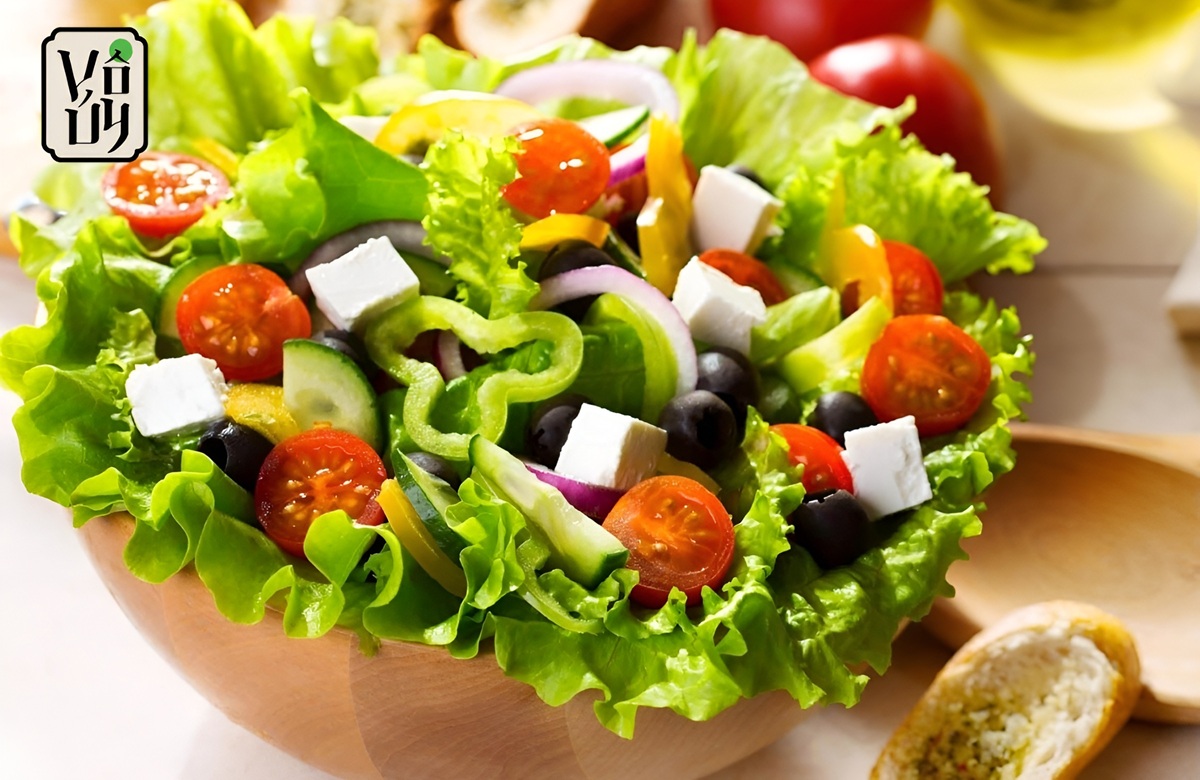
A vegetarian Diet Helps Conserve Water Resources
Supporting Biodiversity
Forests, wetlands, and grasslands provide habitats for countless species of plants and animals. When these natural ecosystems are converted into agricultural land, biodiversity may decline. The Food and Agriculture Organization (FAO) has identified livestock production as one of the sectors that can significantly affect land, water, air quality, and biodiversity.
By increasing the proportion of plant-based foods in our diets, society can help reduce pressure on natural ecosystems and contribute to the conservation of wildlife habitats. Although individual choices alone cannot solve biodiversity loss, they form part of a broader movement toward more sustainable food systems.
Can a Vegetarian Diet Support Good Health?
A balanced vegetarian diet rich in vegetables, fruits, legumes, whole grains, nuts, and seeds provides dietary fiber, vitamins, minerals, and many beneficial plant compounds. The World Health Organization (WHO) recommends healthy dietary patterns that include a wide variety of nutrient-rich foods while limiting excessive salt, added sugars, and unhealthy fats.
At the same time, vegetarian eating requires proper planning. Simply avoiding meat does not automatically create a healthy diet. Meals that rely heavily on fried foods, sugary beverages, or highly processed products may still lack important nutrients. People following vegetarian or vegan diets should ensure they receive adequate protein, iron, calcium, vitamin B12, vitamin D, iodine, zinc, and omega-3 fatty acids according to their nutritional needs. Ultimately, the health benefits of vegetarian eating depend on the overall quality and balance of the diet.
Small Changes Can Make a Difference
Many people assume that protecting the environment requires becoming a full-time vegetarian. In reality, meaningful change often begins with small, sustainable habits. Choosing one or two vegetarian meals each week, replacing some meat dishes with tofu or mushrooms, eating more vegetables, or reducing food waste are all practical steps that can make a positive impact over time.
Planning meals carefully, buying only what you need, and finishing the food you prepare are equally valuable ways to reduce unnecessary waste. Lasting environmental change is built through consistent everyday actions rather than dramatic lifestyle changes that are difficult to maintain.

Small Changes Can Make a Difference
Experience Sustainable Vegetarian Dining at Vô Úy Vegetarian Restaurant
At Vô Úy Vegetarian Restaurant, every meal reflects our commitment to mindful living, delicious plant-based cuisine, and a more sustainable way of life. Vô Úy’s menu features a wide variety of dishes prepared with fresh vegetables, mushrooms, tofu, legumes, and carefully selected plant-based ingredients. Every recipe is thoughtfully created to offer balanced flavors while providing an enjoyable dining experience for guests of all ages.
Whether you are a dedicated vegetarian or simply exploring healthier dining options, Vô Úy welcomes you to experience flavorful vegetarian cuisine in a peaceful and relaxing environment. Protecting the environment is a shared responsibility. Alongside reducing waste, conserving energy, and making responsible lifestyle choices, enjoying more plant-based meals is one meaningful way to contribute to a greener future.
Perhaps your journey toward a more sustainable lifestyle begins with something as simple as your next meal. At Vô Úy, we invite you to discover how delicious vegetarian cuisine can nourish both people and the planet.