

 0902 353 527
  cskh@nhahangvouy.com
How to Make Bánh Tét Chuối – Vietnamese Banana Sticky Rice Cake
Bánh tét chuối is a traditional Vietnamese dessert that reflects the rich culinary identity of the Mekong Delta, commonly enjoyed during Lunar New Year and family celebrations. If you are looking for an easy way to make bánh tét chuối at home, or wondering how many calories bánh tét chuối contains to better manage your diet, Vô Úy Vegetarian Restaurant shares a detailed and practical guide in this article.
The Origin and Cultural Meaning of Bánh Tét Chuối
Bánh tét chuối originates from the river regions of southern Vietnam, where ripe Siam bananas are used as the main filling instead of pork fat or mung beans found in savory bánh tét. Traditionally, families prepare this cake to offer to ancestors or gift to loved ones during Tết, representing prosperity and family unity.
The Origin and Cultural Meaning of Bánh Tét Chuối
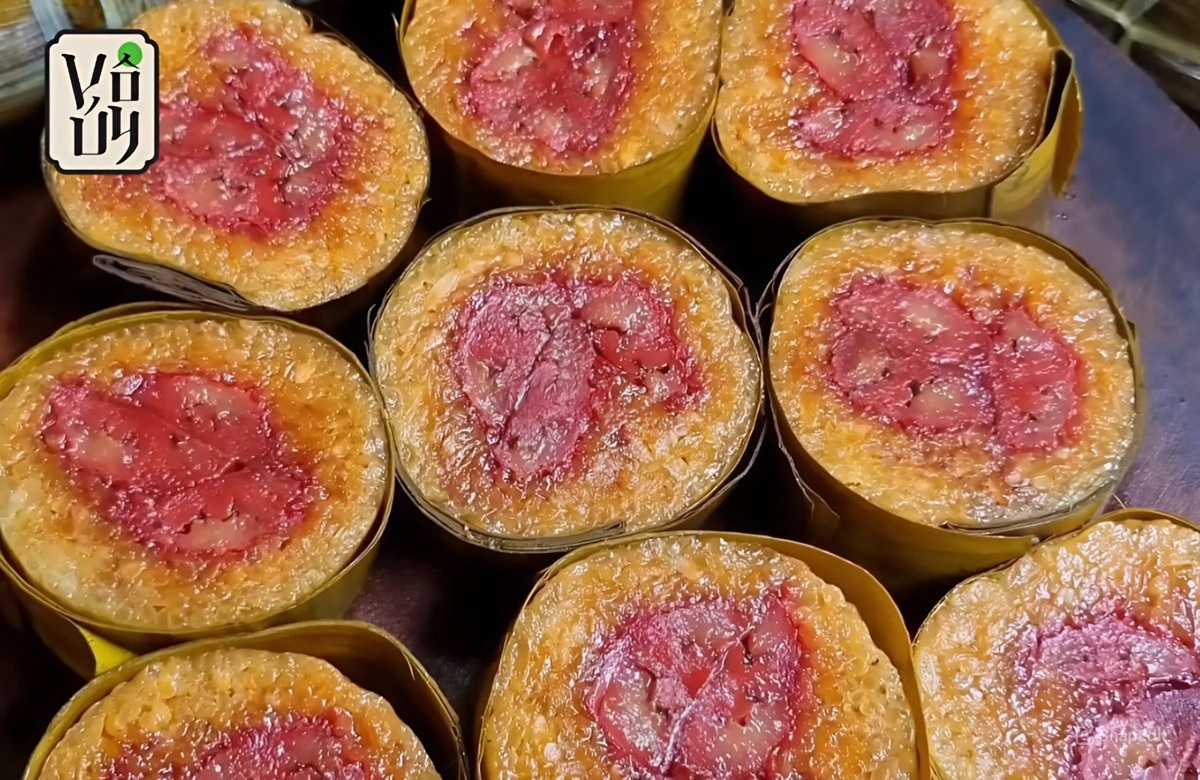
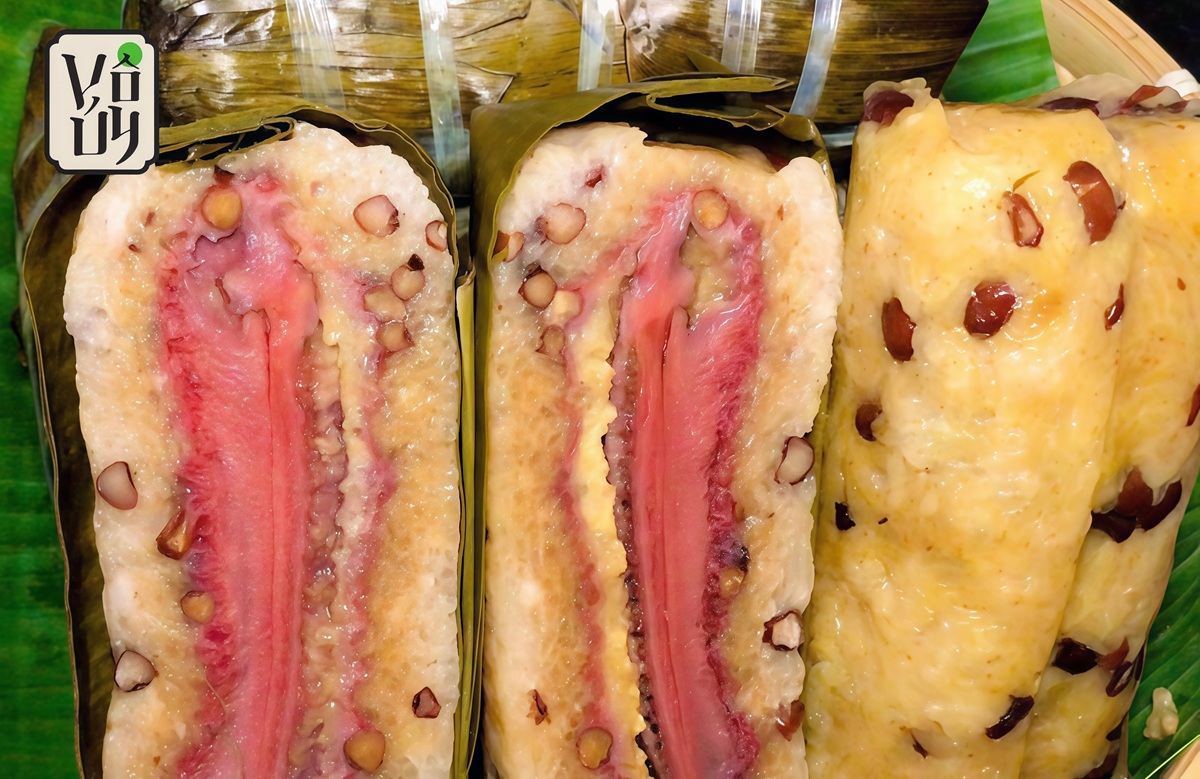
The cake features a chewy outer layer of glutinous rice wrapped around a naturally sweet banana filling that turns reddish-purple when cooked. This color and aroma are deeply associated with festive memories and home-cooked warmth.
For many Vietnamese families, cooking bánh tét chuối means gathering around a large pot, waiting patiently as the cake slowly boils. When it is finally ready, the cake is sliced into soft, fragrant rounds and shared together. Because of this, bánh tét chuối is more than just food—it is a symbol of comfort, simplicity, and peace.
Why Bánh Tét Chuối Is Lighter Than Other Types of Bánh Tét
Compared to savory versions filled with mung beans or pork, bánh tét chuối is lighter and easier to digest. Mung bean fillings tend to be rich and creamy, while pork-based versions are higher in fat. Banana sticky rice cake, on the other hand, is naturally sweet, lower in calories, and suitable for vegetarians or those following a plant-based diet.
From a nutritional perspective, bananas are rich in potassium, which helps regulate blood pressure. Glutinous rice and beans provide steady energy without causing heaviness. This makes bánh tét chuối a great choice for anyone who wants to enjoy a traditional dessert while maintaining a healthy lifestyle.
Why Bánh Tét Chuối Is Lighter Than Other Types of Bánh Tét
What Creates the Signature Flavor of Banana Sticky Rice Cake?
The unique taste of bánh tét chuối comes from the careful balance of simple ingredients.
The bananas used for the filling are usually ripe Siam bananas, chosen at the perfect stage of ripeness. Unripe bananas can be bitter, while overripe ones may become mushy and lose their fragrance.
The glutinous rice layer plays a key role in texture. High-quality sticky rice ensures the cake is soft and chewy without becoming soggy. Many families mix coconut milk into the rice to enhance richness and aroma.
As the cake cooks, the bananas release their natural sweetness into the surrounding rice, creating a beautiful purplish-brown color and a distinct, comforting scent. This simplicity is what makes bánh tét chuối easy to eat and loved by all ages.
How to Make Bánh Tét Chuối at Home – Traditional and Delicious
Ingredients for Bánh Tét Chuối
Below is a basic ingredient list for 4–6 banana sticky rice cakes:
-
Glutinous rice: 1–2 kg
-
Ripe Siam bananas (chuối xiêm / chuối sứ): 15–30 bananas
-
Coconut milk: 500 ml – 1 liter
-
Black beans or white beans: 100–200 g
-
Sugar (white sugar or palm sugar): 100–400 g
-
Salt and white wine: 1–2 teaspoons
-
Banana leaves and pandan leaves: enough for wrapping
For a fully vegan version, white wine can be replaced with lime juice to help keep the bananas’ natural color without using animal-based ingredients.
Step-by-Step Guide to Wrapping Banana Sticky Rice Cake
Step 1: Prepare the Ingredients
Choose fresh, high-quality sticky rice so the cake remains soft after cooking. The bananas should be naturally fragrant and free from bruises. Prepare black beans, coconut milk, salt, and fresh banana leaves.
Before wrapping, wash the banana leaves thoroughly and briefly blanch them in hot water. This softens the leaves and prevents tearing during wrapping.
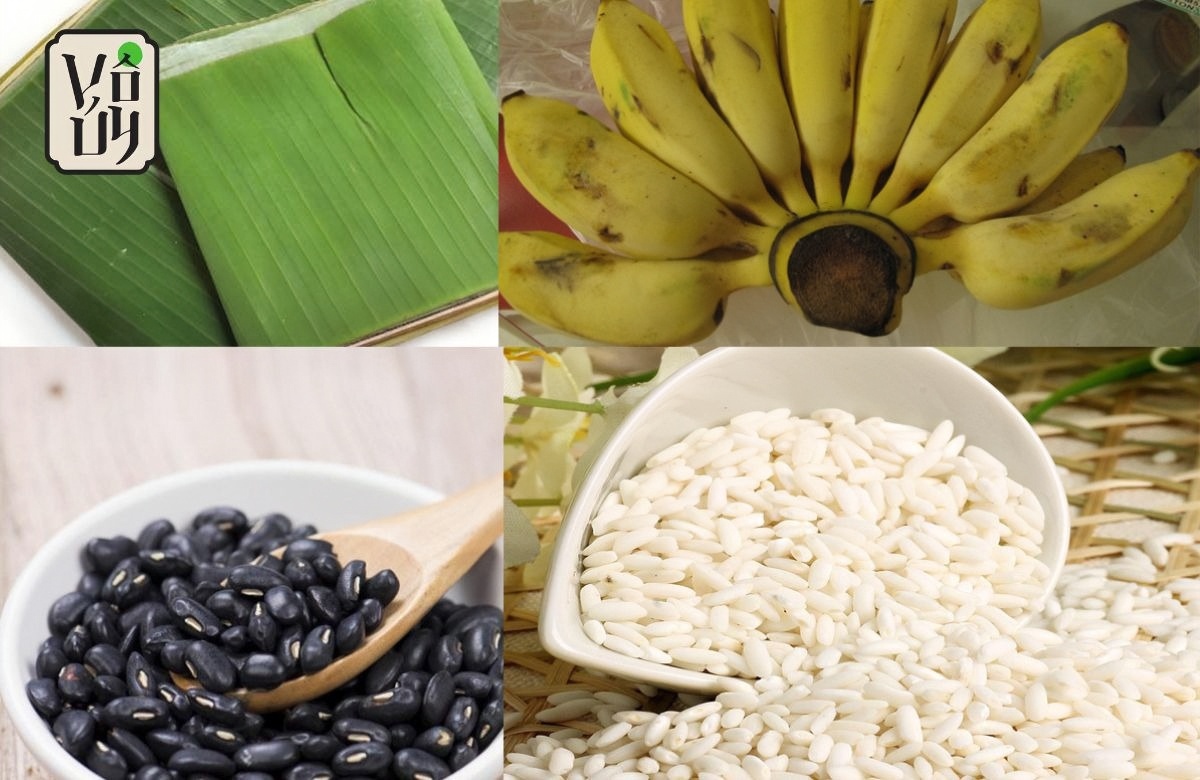
Prepare the Ingredients
Step 2: Properly Prepare the Fillings
Soak the glutinous rice in water for 6–8 hours, then drain well. Mix the rice with a small amount of salt and coconut milk to add fragrance and light richness.
Soak the black beans for a few hours, then cook until soft and drain. Peel the bananas, keeping them whole if small, or slicing lengthwise if large to ensure even cooking.
Step 3: Wrap the Bánh Tét Chuối
Lay two to three layers of banana leaves flat to create a sturdy wrap. Spread a layer of sticky rice evenly along the leaf, place bananas and beans in the center, then cover with another layer of rice to fully enclose the filling.
Roll the cake tightly into a long cylinder. Fold the ends carefully and tie securely with string. Firm wrapping helps the cake keep its shape during boiling.
Step 4: Boil the Cake for the Right Amount of Time
Place the wrapped cakes into a large pot and cover completely with water. Boil for 4-6 hours, depending on the size of the cakes.
During cooking, regularly check the water level and add hot water as needed to keep the cakes submerged. This ensures even cooking inside and out.
Once cooked, remove the cakes and hang them to drain and cool slowly. This step helps maintain their chewy texture and prevents sogginess.
How Many Calories Does Bánh Tét Chuối Contain?
“How many calories does bánh tét chuối contain?” is a common question, especially among people who follow a healthy eating lifestyle. On average, one slice of bánh tét chuối weighing about 100–120 grams contains approximately 180–220 calories. These calories mainly come from the carbohydrates in glutinous rice and the natural sugars found in ripe bananas.
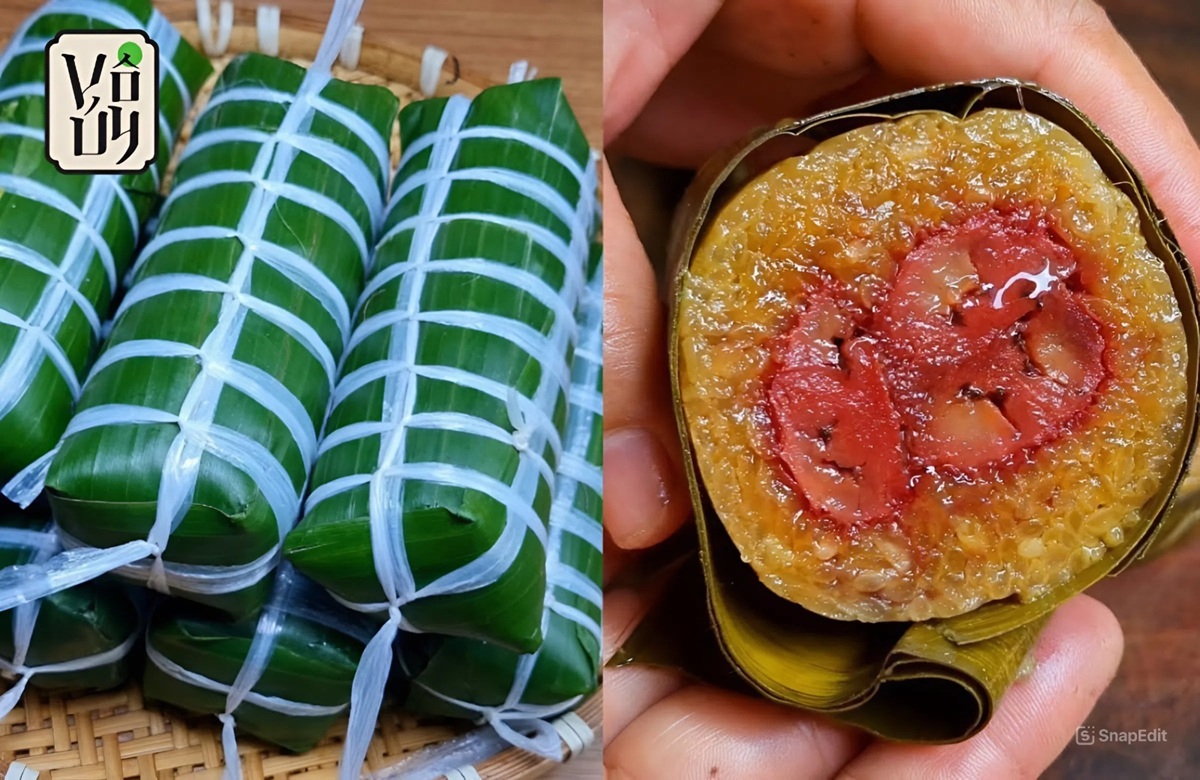
How Many Calories Does Bánh Tét Chuối Contain?
Compared to traditional savory bánh tét, bánh tét chuối is lower in calories because it does not contain animal fat. In addition, bananas provide dietary fiber, potassium, and essential vitamins that help support digestion and offer gentle, sustained energy.
Bánh tét chuối is suitable for vegetarians, people with light physical activity, and those who need a quick energy boost. However, individuals who are trying to lose weight or manage diabetes should consume it in moderation and avoid eating it late in the evening. To reduce the risk of weight gain, it is best to enjoy bánh tét chuối in the morning or at lunchtime, paired with fresh vegetables or hot tea to balance its natural sweetness.
Important Tips When Making Bánh Tét Chuối
One common issue is that the cake becomes too soft or fails to hold together. This usually happens when the sticky rice is not soaked long enough or when too much coconut milk is added. To avoid this, adjust the liquid carefully and make sure the rice is soaked for 6–8 hours. Over-soaking can cause sourness and affect texture.
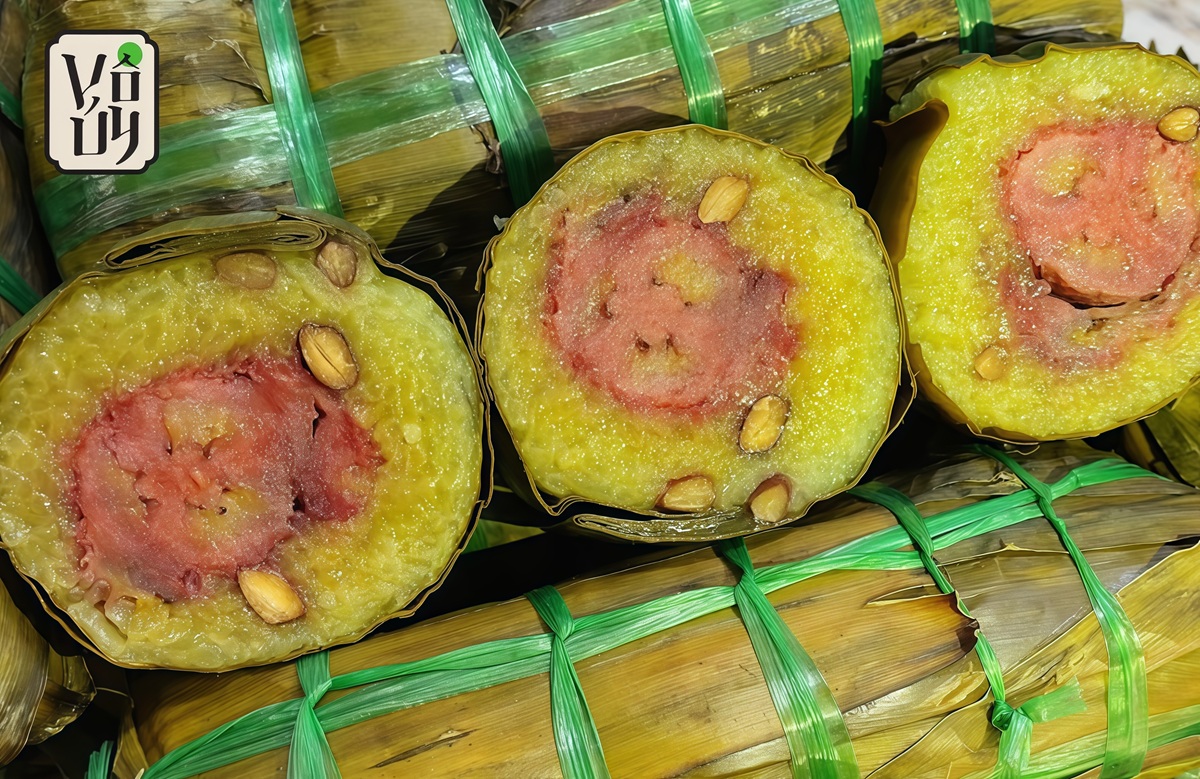
Important Tips When Making Bánh Tét Chuối
If the banana filling tastes bitter or astringent, the bananas were likely underripe. Always choose bananas that are naturally fragrant and just fully ripe. Another issue is quick spoilage, which is often caused by improper storage. After boiling, the cake should be well drained, hung in a cool, airy place, and consumed within a reasonable time.
Frequently Asked Questions About Bánh Tét Chuối
Can bánh tét chuối be made without alcohol?
Yes. You can replace white wine with lime juice or marinate the bananas with sugar for a longer time to achieve a natural color.
How can bánh tét chuối be stored for longer?
Store the cake in a dry, cool place. It can also be refrigerated and reheated before serving if kept for an extended period.
What is the best way to eat bánh tét chuối?
Bánh tét chuối is delicious both warm and at room temperature. When cooled, the cake becomes firmer, easier to slice, and more flavorful.
Conclusion
Bánh tét chuối is a traditional vegetarian cake that carries lasting cultural and nutritional value. With its gentle sweetness, easy-to-digest texture, and simple preparation, bánh tét chuối is perfect for everyday family meals as well as special gatherings. More than just a dish, it represents a meaningful connection between Vietnamese tradition and a healthy modern lifestyle.
Above is the traditional bánh tét chuối recipe shared by Vô Úy Vegetarian Restaurant. Take this opportunity to make and enjoy this beloved plant-based cake with your family during the upcoming Lunar New Year.