


 0902 353 527
  cskh@nhahangvouy.com

Secrets to Making Salted Radish (Xa Bau) – Delicious, Long-Lasting & Easy at Home
Salted radish, also known as xa bau, is a familiar dish in Southern Vietnamese cuisine, especially popular in vegetarian meals and traditional family dinners. With its harmonious sweet-salty flavor and distinctive chewy texture, salted radish is not only easy to eat but also extremely versatile in cooking. In this article, Vô Úy Vegetarian Restaurant will guide you through the authentic way to make salted white radish at home—simple, reliable, and easy to store for long-term use.
What Is Salted Radish (Xa Bau)? Where Does It Come From?
Xa bau is a traditional salted radish dish originating from the Teochew (Chaozhou) community. Through cultural exchange and migration into Southern Vietnam—especially in Bạc Liêu and neighboring provinces—this dish was adopted, adapted, and preserved by Vietnamese families.
The name “xa bau” is actually a Vietnamese phonetic variation of the Teochew term “chai pau.”
The main ingredients of xa bau include white radish, salt, and sugar. After being sun-dried until slightly wilted, the radish is salted to release moisture and develop a chewy texture. It is then mixed with sugar and fermented for several days. The final product has a deep brown color, a dry surface, and a balanced salty-sweet taste with a naturally fragrant radish aroma.
In Southern Vietnam, salted radish is commonly eaten with plain rice porridge, hot rice, sticky rice cakes, or cooked into various savory and vegetarian dishes such as lemongrass chili stir-fried xa bau, braised xa bau, caramelized xa bau, or soups.
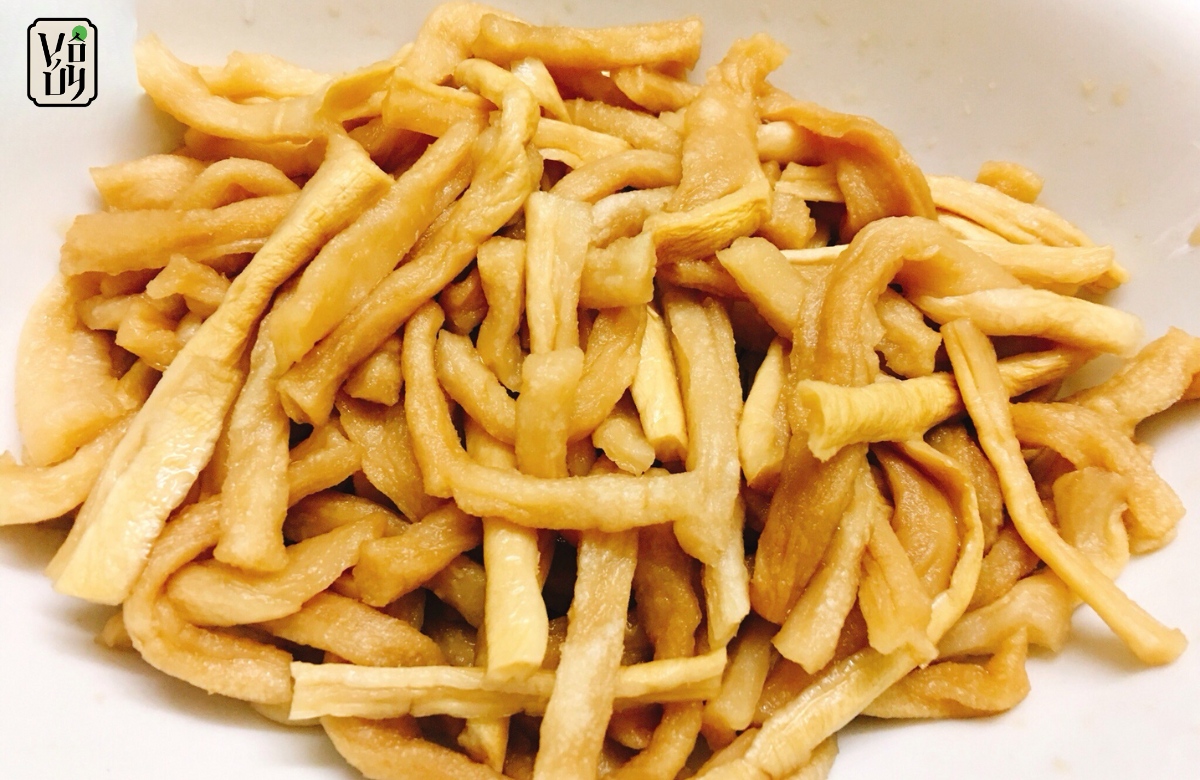
What Is Salted Radish (Xa Bau)?
How to Make Salted Radish (Xa Bau) at Home
Making salted radish at home is not complicated. With the right ingredients and patience at each step, you can easily prepare a flavorful jar of xa bau that lasts for months.
Ingredients
To make authentic salted white radish, prepare the following:
-
White radish: 2 kg
-
Coarse salt: 1 kg
How to Choose Fresh Radish
Choose medium-sized radishes that are long and firm, with smooth skin and fresh green stems. Avoid oversized radishes, bruised skin, cracks, or unpleasant odors, as these can cause the radish to become spongy or spoil during fermentation.
Step-by-Step Method for Salting White Radish
Step 1: Sun-Dry the Radish
Wash the radish thoroughly, remove the leaves, and let it drain. Dry it under the sun for one full day until wilted. If sunlight is unavailable, place it in a well-ventilated area indoors. This step helps the radish become flexible and prevents cracking during salting.
Step 2: Salt the Radish
Layer the radish and salt alternately in a clean jar. The top layer should be salt to ensure even penetration once dissolved. Seal tightly and ferment for about one month. When ready, the radish will appear translucent, chewy, and mildly fragrant.
Step 3: Finish and Store
Remove the radish and mix it with half of the brine. Sun-dry it again for three days until fully dry and salt crystals form on the surface. Store the xa bau in a glass jar with a tight lid for gradual use.
Using this method, salted radish (xa bau) can be stored long-term while maintaining a rich, well-balanced flavor.
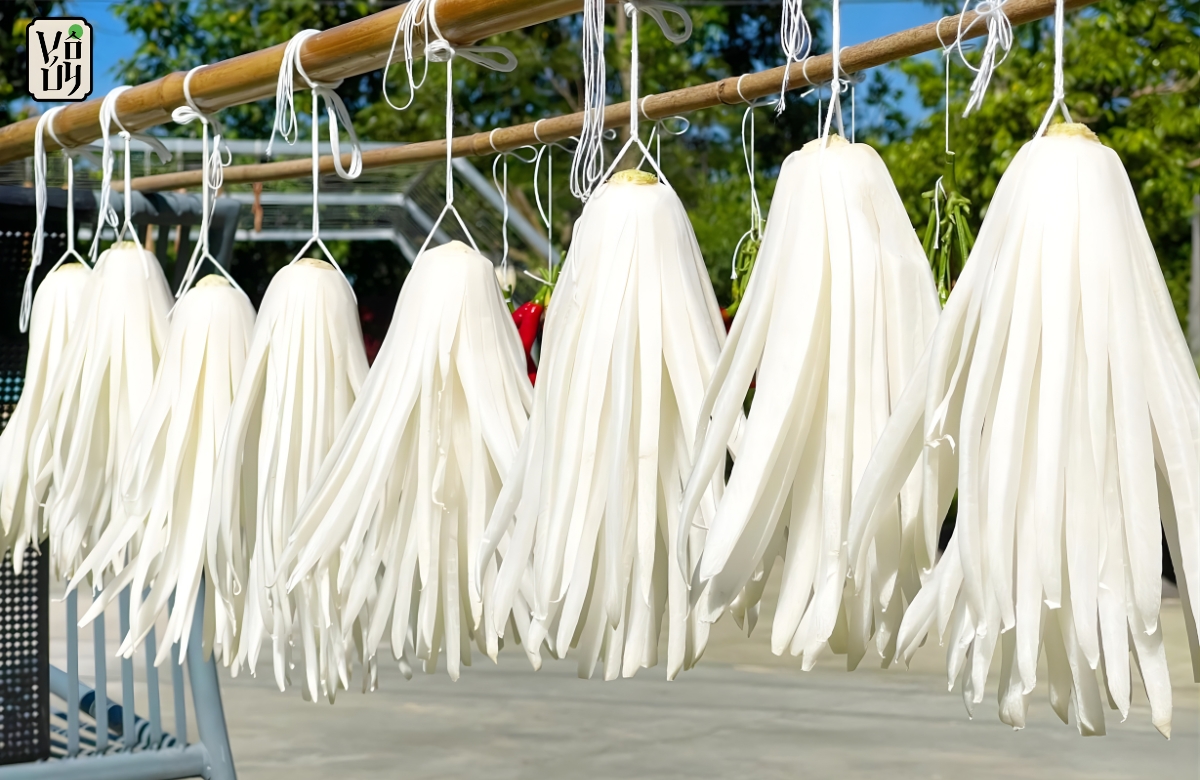
Step-by-Step Method for Salting White Radish
What Delicious Dishes Can You Make with Salted Radish?
Thanks to its balanced salty-sweet taste and chewy texture, salted radish is widely used in both vegetarian and savory dishes to enhance flavor and reduce greasiness. Below are popular vegetarian dishes made with xa bau.
Steamed Vegetarian Loaf with Salted Radish
This steamed vegetarian loaf is light yet deeply flavorful. The combination of tofu, vegetables, and salted radish creates a naturally chewy texture and rich taste—perfect for vegetarian meals or ceremonial offerings.
Ingredients
-
Firm tofu: 500 g
-
Salted radish (xa bau): 1 medium piece
-
Dried wood ear mushrooms: 30 g
-
Carrot: 1
-
Onion: 1 small
-
Shallots: 2
-
Glass noodles: 45 g
-
Fermented soybean paste: 1 tbsp
-
Soy sauce: 1 tbsp
-
Cold-pressed sesame oil: 1 tsp
-
Chili powder: ½ tsp
-
Tapioca starch: 1–2 tbsp
-
Annatto oil: 1.5 tsp
-
Cooking oil and common seasonings: as needed
Preparation
Step 1: Prepare Ingredients
Mash the tofu thoroughly and squeeze out excess water to prevent crumbling. Lightly season with salt and sugar. Soak wood ear mushrooms until soft, rinse, and finely chop. Finely chop or grind carrot, onion, shallots, and salted radish, keeping a slight texture. Soak glass noodles in hot water, then cut into short pieces.
Step 2: Mix the Seasoning
Combine fermented soybean paste, soy sauce, sugar, pepper, chili powder, and sesame oil into a rich, aromatic seasoning mixture.
Step 3: Stir-Fry the Filling
Sauté shallots in oil until fragrant. Add carrots and stir quickly over high heat to remove excess moisture. Add wood ear mushrooms and salted radish, season with part of the sauce, mix well, then turn off the heat.
Step 4: Mix the Loaf
Combine the stir-fried filling with tofu, glass noodles, remaining seasoning, and tapioca starch. Mix until smooth and well-bound.
Step 5: Steam
Transfer the mixture into a mold lined with parchment paper and press firmly. Steam for about 20 minutes. After 15 minutes, brush a mixture of tapioca starch and annatto oil on top, then continue steaming to create a glossy, attractive finish.
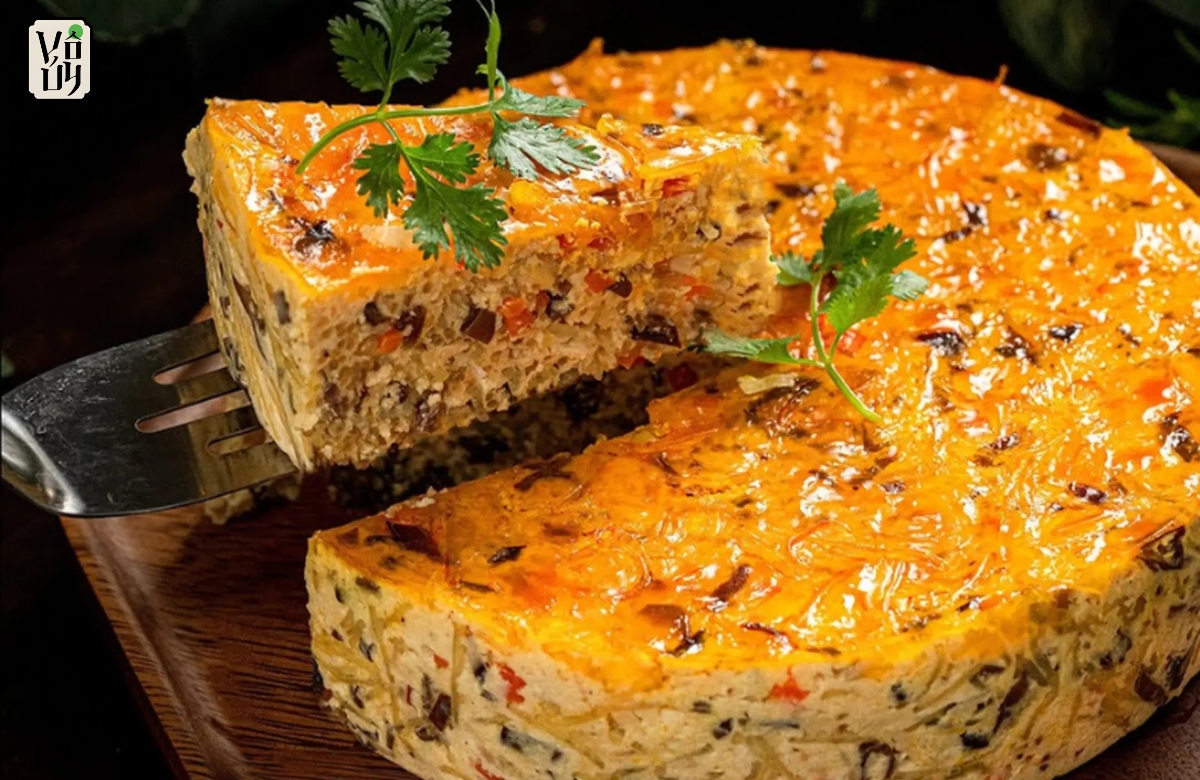
Steamed Vegetarian Loaf with Salted Radish
Crispy Braised Vegetarian Salted Radish
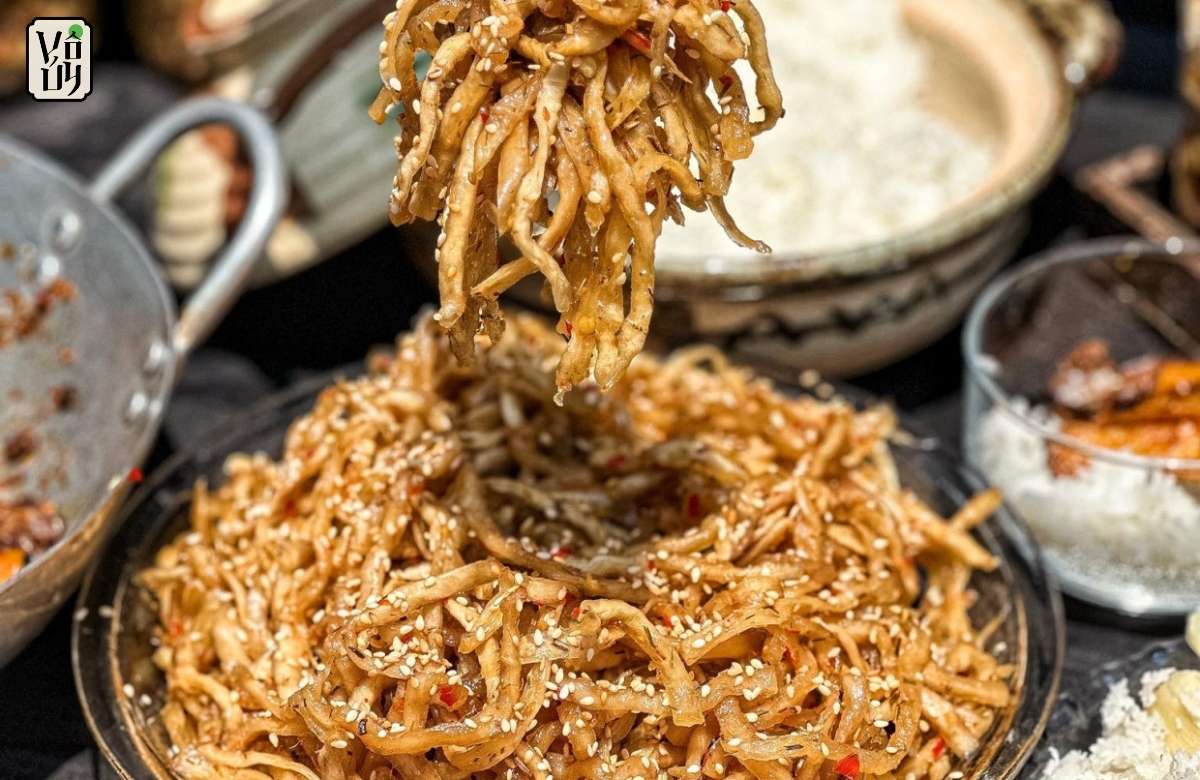
Crispy braised salted radish (xa bau) features a rich sweet-and-salty flavor, with firm strands that are lightly crunchy and deeply satisfying. This dish pairs perfectly with plain rice porridge or hot steamed rice. It is easy to prepare, stores well, and becomes even more addictive the more you eat.
Ingredients
-
Shredded salted radish (xa bau): 500 g
-
Sugar: 1 tbsp
-
Soy sauce: 1 tbsp
-
Salt: ½ tsp
-
Annatto oil: 1 tbsp
-
Cooking oil: as needed
Instructions
Step 1: Soak the salted radish in clean water for about 1 hour, changing the water several times to reduce saltiness. Briefly blanch, then squeeze dry thoroughly.
Step 2: Heat a pan with cooking oil. Optionally sauté some chopped shallots until fragrant, then add the salted radish and stir continuously until the strands gradually dry.
Step 3: Season with sugar, soy sauce, salt, and annatto oil. Simmer over low heat until the radish firms up and turns lightly crispy. Let it cool completely, then store in an airtight container.
Vegetarian Braised Tofu with Salted Radish
Braised tofu with salted radish is a humble, familiar dish in everyday vegetarian family meals. The mild saltiness of xa bau blends beautifully with soft, creamy tofu and mushrooms, creating a savory yet non-greasy stew.
Ingredients
-
Firm tofu: 2 blocks
-
Salted radish (xa bau): 1 piece
-
Grey oyster mushrooms: about 15 caps
-
Leek or minced garlic: 1 tsp
-
Vegetarian soy sauce
-
Ground pepper
-
Vegetable oil
Instructions
Step 1: Slice the salted radish diagonally, soak in water for 15–20 minutes, rinse well, and squeeze dry. Lightly marinate with a little sugar to soften the taste. Cut tofu into bite-sized pieces and shred the mushrooms.
Step 2: Pan-fry the tofu until golden on both sides. Sauté the leek or garlic until fragrant, add the salted radish and stir briefly, then add the mushrooms and toss well.
Step 3: Add the tofu back to the pan, season with soy sauce to taste, and simmer over low heat for a few minutes until well absorbed. Turn off the heat, sprinkle with pepper, and serve hot with steamed rice.
From xa bau, you can flexibly create many delicious vegetarian dishes—perfect for both daily meals and serene vegetarian menus.

Crispy Braised Vegetarian Salted Radish
3 Ways to Reduce Saltiness in Salted Radish (Xa Bau)
If your xa bau turns out too salty, try one of the following methods:
-
Diluted saltwater: Soak sliced radish in lightly salted water, then rinse with clean water to preserve its original flavor.
-
Rice-washing water: Soak for about 30 minutes to effectively reduce saltiness, then rinse and drain.
-
Diluted lemon water: Mix 1 cup of water with ½ lemon, soak for 30 minutes to balance the salty taste.
Choose the method that best suits the dish you are preparing.
How to Store Salted Radish to Prevent Spoilage
Salted radish is easy to store and can be used over a long period. Once finished, place xa bau in a clean glass jar, seal tightly, and keep it in a dry, well-ventilated place away from moisture. Refrigeration is also ideal, helping maintain a stable flavor. When using, take only the needed amount to avoid affecting the remaining portion.
How to Store Salted Radish to Prevent Spoilage
Conclusion
Salted radish (xa bau) is not only a traditional dish but also a familiar ingredient in many easy-to-make vegetarian recipes. From making xa bau at home to cooking ideas and storage tips, we hope this article helps you apply these techniques effectively.
If you are looking for a quality vegetarian restaurant to enjoy refined vegetarian dishes on special occasions, Vô Úy Vegetarian Restaurant is a worthy choice, offering a diverse menu, delicate flavors, and attentive service. Visit and experience the peaceful atmosphere for yourself.