


 0902 353 527
  cskh@nhahangvouy.com

What Is Macrobiotic? A 7-Day Macrobiotic Diet for Beginners
The macrobiotic diet has gained increasing attention as a natural approach to improving overall health, supporting digestion, and building a more balanced lifestyle. When understood and applied correctly, macrobiotic eating can offer many health benefits. However, not everyone follows this method properly. In this article, Vo Uy Vegetarian Restaurant helps you understand what macrobiotic eating is, how to eat according to macrobiotic principles, and how to apply a macrobiotic diet in a way that suits your body and lifestyle.
What Is a Macrobiotic Diet?
To understand macrobiotic eating, we first need to clarify the meaning of the term “macrobiotic.”
-
“Macro” refers to balance and harmony.
-
“Biotic” relates to life and nourishment.
Simply put, the macrobiotic diet is a nutritional philosophy that uses food as a way to balance the body, mind, and overall health.
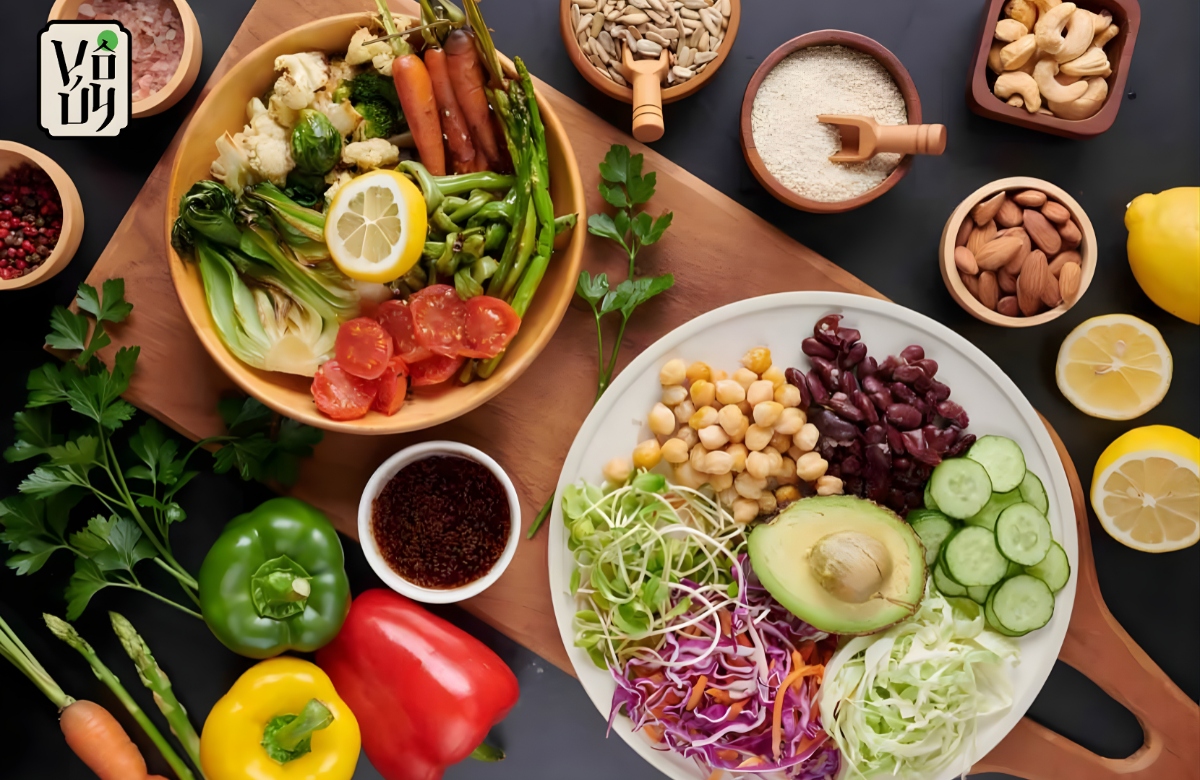
What Is a Macrobiotic Diet?
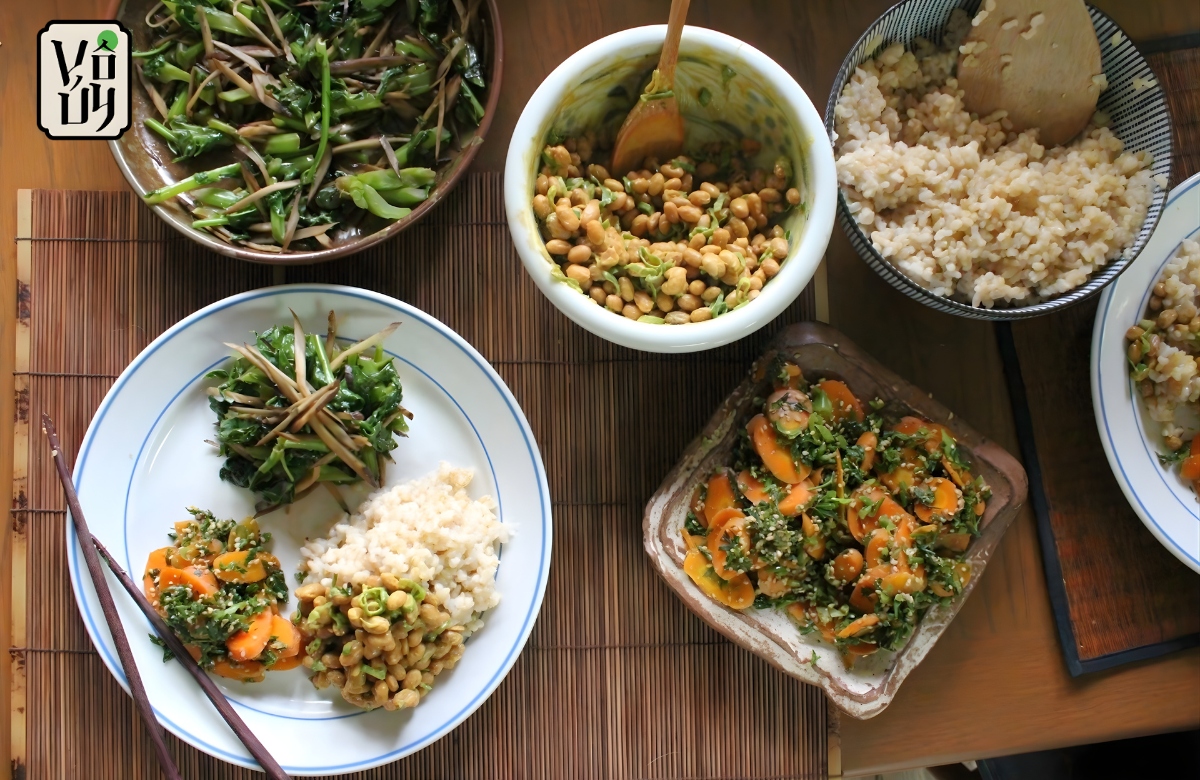
In a macrobiotic diet, brown rice and whole grains are considered staple foods. These are combined with vegetables, beans, seaweed, and other natural foods in balanced proportions. Beyond food choices, macrobiotic living also emphasizes a healthy lifestyle, including gentle physical activity, mindful eating, sufficient sleep, and maintaining a calm, positive mindset.
Health Benefits of the Macrobiotic Diet
When practiced consistently and nutritionally balanced, the macrobiotic diet may bring noticeable improvements to both physical and mental well-being. Below are some key benefits of macrobiotic eating when applied correctly.
Supports a Healthy Digestive System
Whole-food plant-based diet foods mainly consist of whole grains, vegetables, and legumes. These foods are low in additives and unhealthy fats, allowing the digestive system to function more smoothly. Improved digestion enhances nutrient absorption and reduces bloating or discomfort after meals.
Boosts Natural Energy and Endurance
Eating slowly and chewing thoroughly helps activate digestive enzymes more effectively. This supports better metabolism and converts nutrients into sustainable energy, reducing fatigue or drowsiness after eating.

Health Benefits of the Macrobiotic Diet
Improves Immunity and Body Balance
A whole-food plant-based diet helps maintain a more stable pH balance in the body. This supports immune function, reduces the risk of metabolic imbalances, and helps the body adapt better to environmental stressors.
Enhances Sleep Quality and Skin Health
Many people who adopt natural plant-based diet report deeper sleep and improved mental relaxation. Additionally, skin health often improves due to the consumption of clean, natural foods with minimal stimulants.
Increases Nutrient Absorption
The less processed a food is, the more of its natural nutrients it retains. With a healthy digestive system, the body can more easily absorb and utilize vitamins and minerals from whole foods.
Supports Brain Function and Memory
A clean, balanced, and nutrient-rich natural plant-based diet nourishes the entire body, including the brain. As a result, mental clarity improves, focus becomes sharper, and emotional balance is enhanced.
Helps Control Body Weight
Whole-food plant-based diet supports weight management by limiting processed foods, excessive oils, and refined sugars. The high fiber content also promotes fullness, reduces cravings, and helps regulate calorie intake naturally.
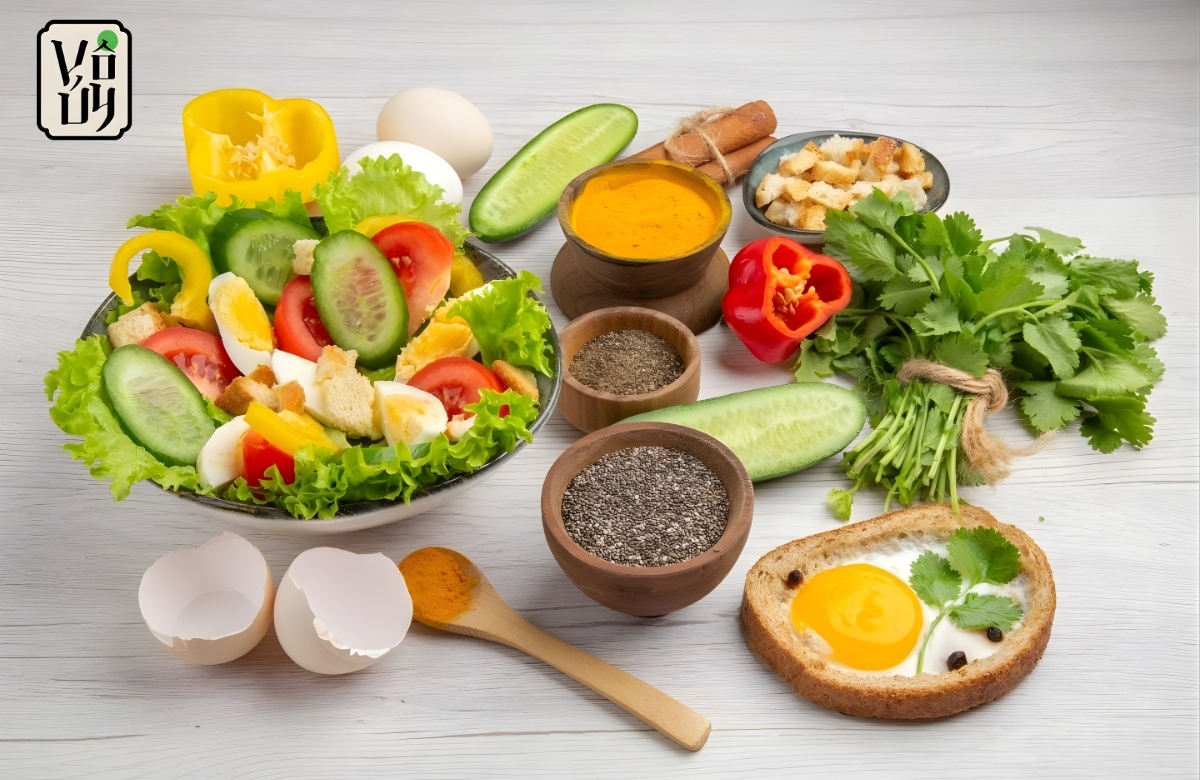
Health Benefits of the Macrobiotic Diet
Is the whole-food plant-based diet Suitable for Everyone?
Although macrobiotic eating offers many health benefits, it is not suitable for everyone. This approach requires discipline and, if followed too strictly, may lead to nutrient deficiencies. Therefore, it is important to adjust macrobiotic principles based on individual body conditions, health needs, and lifestyle to ensure long-term safety and effectiveness.
Important Principles of the Macrobiotic Diet
To successfully follow a natural plant-based diet for a week or longer, keep these essential principles in mind:
-
Limit processed foods: Canned foods, deep-fried dishes, and foods with additives can disrupt nutritional balance and place extra strain on the liver, kidneys, and digestive system.
-
Prioritize whole foods: Whole grains, organic vegetables, beans, and nuts should make up the majority of daily meals to ensure adequate fiber, minerals, and natural energy.
-
Eat slowly and chew thoroughly: This habit supports digestion and helps the body recognize fullness signals, preventing overeating.
When these principles are practiced consistently, the natural plant-based diet can effectively support internal balance and promote long-term health in a natural, sustainable way.
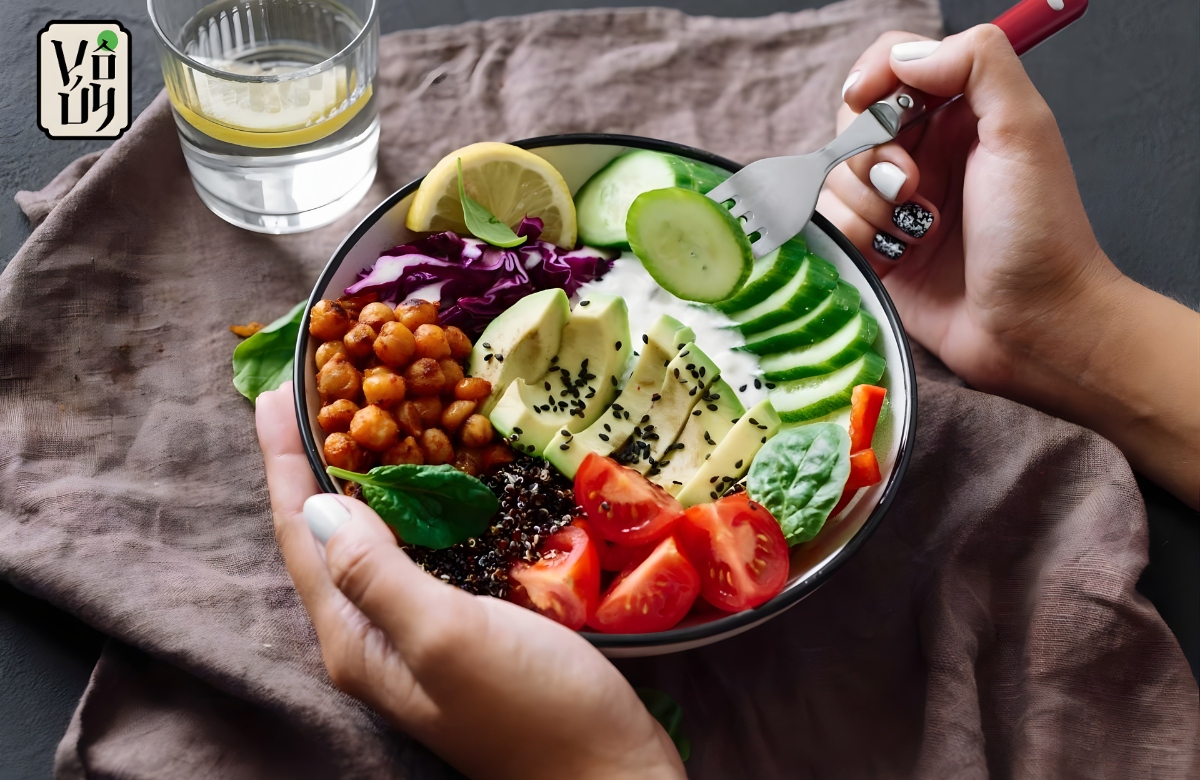
Important Principles of the Macrobiotic Diet
Suggested 7-Day Macrobiotic Meal Plan for Beginners
Below is a 7-day macrobiotic meal plan designed to help the body gradually adapt to a lighter, more natural way of eating. This plan prioritizes whole grains, vegetables, and plant-based protein, following balanced macrobiotic principles that are easy for beginners to apply while maintaining stable digestion.
Day 1 – A Gentle Introduction
-
Breakfast: Brown rice porridge with sesame salt
-
Lunch: Brown rice + steamed vegetables + steamed tofu
-
Dinner: Miso soup + fresh green salad
Tip: Chew slowly and mindfully to fully enjoy natural flavors and support better digestion.
Day 2 – Focus on Plant-Based Protein
-
Breakfast: Brown rice seaweed rolls
-
Lunch: Braised tofu with mushrooms + vegetables sautéed in olive oil
-
Dinner: Oatmeal topped with chia seeds
Day 3 – Increase Fiber Intake
-
Breakfast: Vegetable smoothie blended with almonds
-
Lunch: Brown rice + roasted vegetables + tahini sauce
-
Dinner: Pumpkin soup served with whole-grain bread
Day 4 – Add Fermented Foods
-
Breakfast: Brown rice porridge with fermented pickled vegetables
-
Lunch: Brown rice + miso soup + steamed vegetables
-
Dinner: Seaweed salad + steamed tofu with soy sauce
Note: Fermented foods such as miso and pickled vegetables help balance gut microbiota and improve digestion.
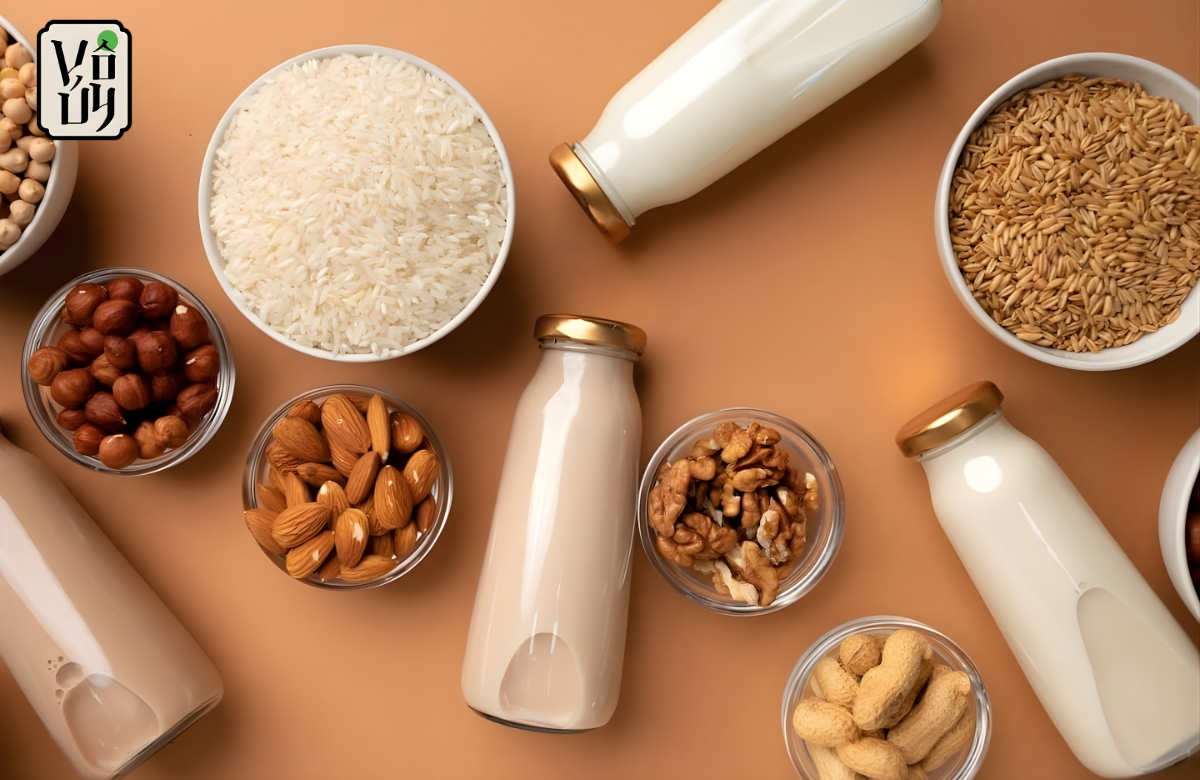
Suggested 7-Day Macrobiotic Meal Plan for Beginners
Day 5 – Nutritional Variety from Nuts and Seeds
-
Breakfast: Quinoa mixed with vegetables
-
Lunch: Brown rice + dry-roasted cashews + mixed vegetable stir-fry
-
Dinner: Lotus seed soup + whole-wheat bread
Tip: Nuts and legumes provide healthy fats and plant-based protein, making them ideal for long-term macrobiotic eating.
Day 6 – Light and Easy-to-Digest Meals
-
Breakfast: Pumpkin soup + whole-grain bread
-
Lunch: Brown rice + steamed vegetables + tahini sauce
-
Dinner: Oatmeal combined with chia seeds
Note: Soup-based meals are especially suitable on days when the body needs digestive rest.
Day 7 – End the Week with Your Favorites
-
Breakfast: Brown rice seaweed rolls
-
Lunch: Crispy pan-fried tofu + fresh vegetables + tamari dipping sauce
-
Dinner: Miso soup + green salad
Suggestion: Choosing your favorite dishes helps maintain enjoyment and motivation for long-term macrobiotic eating.
By following this plan, you may notice gentle yet positive changes in your body. In addition to choosing clean, minimally processed ingredients, practicing slow eating and thorough chewing plays an important role in supporting digestion and prolonged satiety. If the approach suits you, feel free to continue or personalize the meal plan to make macrobiotic eating a natural part of your healthy daily lifestyle.
Is the Macrobiotic Diet Suitable for People with Special Dietary Needs?
The macrobiotic diet can be adapted for individuals with special dietary requirements, as long as it is adjusted appropriately.
For vegetarians, traditional macrobiotic principles may allow fish while limiting salt and fat. However, those following a fully plant-based diet can easily adapt macrobiotic eating to meet their needs by supplementing nutrients that are commonly deficient, such as vitamin B12, iron, zinc, vitamin D, and omega-3 fatty acids, using plant-based sources like seaweed, legumes, and seeds. This approach preserves the core philosophy of macrobiotics while preventing nutrient deficiencies.
Is the Macrobiotic Diet Suitable for People with Special Dietary Needs?
For individuals with gluten intolerance, macrobiotic eating does not require complete elimination of grains. Choosing suitable options is essential. Gluten-free grains such as brown rice, gluten-free oats, and quinoa are safe choices that provide sustained energy without causing digestive discomfort.
Overall, macrobiotic eating can be adapted for many different dietary groups when applied in a scientific and flexible manner to meet individual needs.
Frequently Asked Questions About the Macrobiotic Diet
Which foods should be prioritized in balanced plant-based nutrition eating?
The macrobiotic diet emphasizes whole grains, seasonal vegetables, legumes, seaweed, and minimally processed foods, which help balance nutrition and support healthy digestion.
Do I need to completely eliminate animal products?
Macrobiotic eating does not strictly require eliminating all animal products. Depending on health goals, individuals may reduce red meat, prioritize fish, or rely primarily on plant-based protein from beans and nuts.
Can the natural plant-based diet help with weight loss?
When practiced correctly, macrobiotic eating may support weight management by increasing fiber intake, reducing sugar and unhealthy fats, and limiting processed foods, allowing the body to feel lighter and more balanced.
Conclusion
The macrobiotic diet is a nutritional approach that promotes natural balance and long-term well-being. When understood and practiced correctly, macrobiotic eating not only supports better health but also encourages a calmer, more positive lifestyle.
If you would like to explore macrobiotic cuisine that is both delicious and easy to follow, visit Vo Uy Vegetarian Restaurant. With a warm, peaceful atmosphere and thoughtfully prepared plant-based dishes, Vo Uy offers a complete experience that nourishes both your health and your senses.