

 0902 353 527
  cskh@nhahangvouy.com
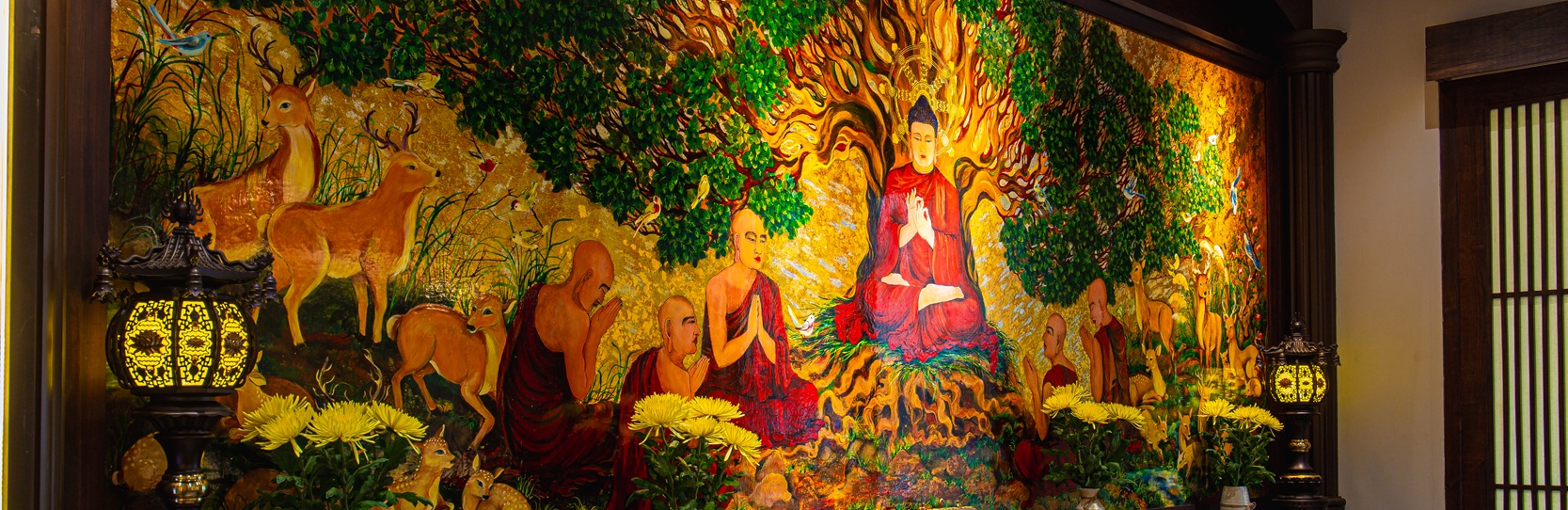
What Is Ngọ Trai? The Meaning and Rituals of Receiving a Buddhist Meal
What is Ngo Trai is a common question among people attending a Buddhist retreat or having a meal at a temple for the first time. Simply put, Ngo Trai is a mindful midday meal observed in Buddhist monastic and practice settings. Besides nourishing the body, the meal is associated with restraint, gratitude, and mindfulness.
Quick facts about Ngo Trai:
- It is a meal taken around midday at a temple or during a Buddhist retreat.
- Those observing the precept of refraining from eating at improper times generally finish the meal before noon.
- Its core values are eating at the appropriate time, taking only what is needed, and avoiding attachment to food.
- The exact schedule and ritual may vary between Buddhist traditions and monasteries.
What is Ngo Trai?
Ngo Trai is a mindful meal taken around midday by Buddhist monks, nuns, and lay practitioners. Its timing and accompanying rituals may vary depending on the Buddhist tradition, monastery, and precepts being observed.
The Vietnamese term can be understood through its two components:
- Ngo: Refers to the middle of the day. In the traditional Vietnamese time system, the Ngo period generally lasts from around 11:00 a.m. to 1:00 p.m.
- Trai: Is associated with purity, restraint, and the discipline of body and mind. In everyday Vietnamese, it is often understood as vegetarian eating, but its Buddhist meaning is not limited to a meat-free diet.
When observing the precept of refraining from eating at improper times, practitioners generally need to finish their meal before true noon, when the sun reaches its highest point. Therefore, Ngo Trai should not be understood as a meal that may begin at any time throughout the entire 11:00 a.m.–1:00 p.m. period.
Ngo Trai is also more than another name for lunch. In addition to meeting nutritional needs, the meal involves appropriate conduct, mindful reflection, and the intention to sustain the body for learning, practice, and service.
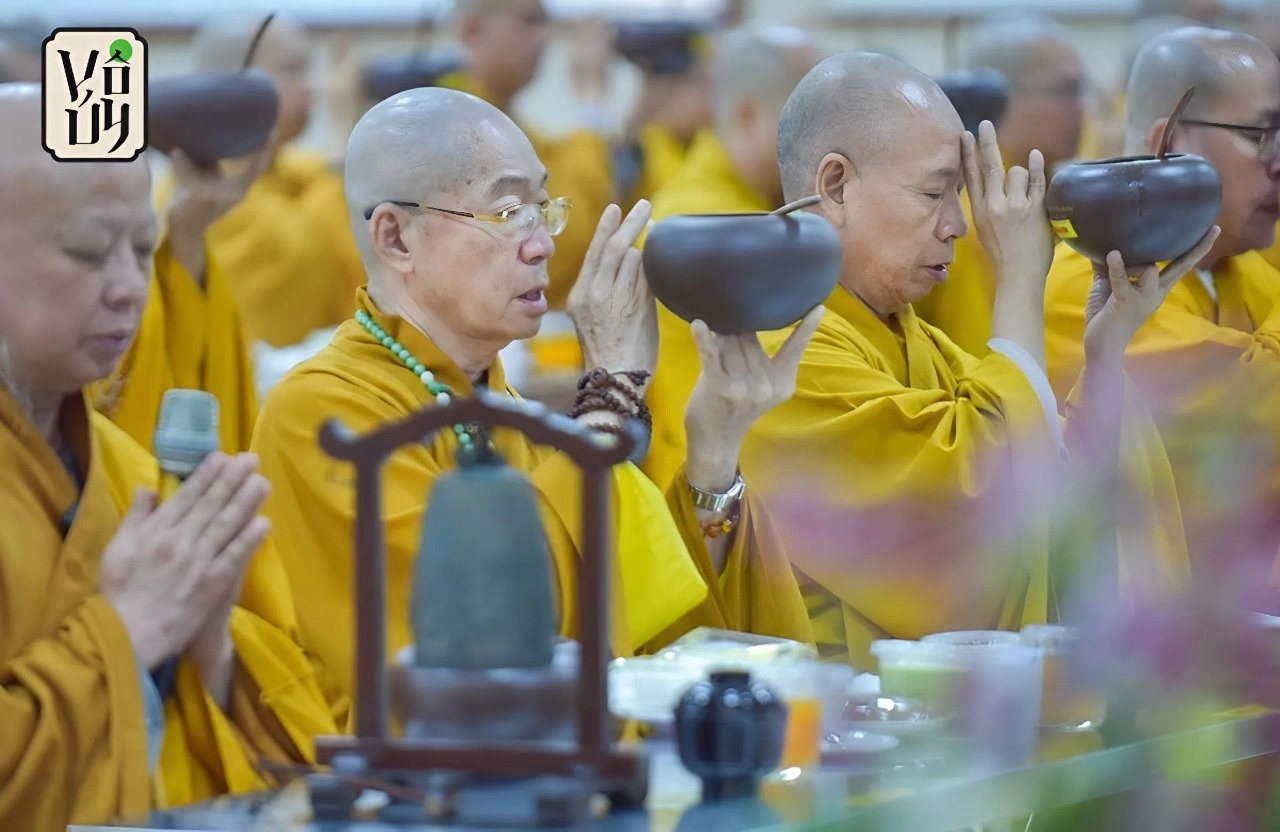
Ngo Trai is a mindful Buddhist meal taken around midday
The origins of the Buddhist midday meal
The midday meal is closely connected with the alms-round tradition of the Sangha during the Buddha’s time. Monastics received food voluntarily offered by lay followers and used it to maintain their health and continue their spiritual practice.
Monastics did not spend excessive time searching for, storing, or preparing elaborate food. This restraint helped practitioners reduce their concern with material needs and focus more deeply on ethical discipline, meditation, and wisdom.
Lay followers, in turn, had the opportunity to support the Sangha by offering necessary provisions. This was not merely a relationship between a giver and a receiver. Monastics accepted food to sustain their practice, preserve the Sangha, and share the Dharma, while lay followers practised generosity, cultivated openness, and formed a connection with Buddhist teachings.
Ngo Trai and refraining from eating at improper times
“Improper time” refers to a period during which eating is not permitted under the particular Buddhist precepts a person has undertaken. For monks, nuns, and laypeople observing the Eight Precepts, refraining from food after the designated time forms part of their practice.
This discipline encourages a life of contentment. Practitioners receive food to sustain the body rather than chase after flavours or satisfy craving. By simplifying their eating habits, they have more time and awareness for meditation, Dharma study, and service.
However, not every lay Buddhist is required to eat only one meal or stop eating after noon. The appropriate practice depends on the precepts undertaken, the Buddhist tradition, personal circumstances, health, and guidance from monks or nuns.
People with special nutritional needs, pregnant women, children, older adults, or those receiving medical treatment should not change their meal schedule or diet without proper advice. Anyone wishing to refrain from eating after noon should speak with a doctor or qualified dietitian and seek guidance from the teacher leading the retreat.
The spiritual meaning of Ngo Trai
Although Ngo Trai may appear simple, it contains many practical lessons. These values are not reserved for monastics; laypeople can also incorporate them into their everyday meals.
Cultivating gratitude
Before eating, practitioners reflect on the many causes and conditions that brought the food to the table. A bowl of rice contains the work of those who planted, harvested, transported, and prepared it. Soil, water, sunlight, and many other natural conditions also contributed to the meal.
Recognising these contributions helps us appreciate food, avoid excessive selectiveness, and reduce waste.
Practising mindfulness while eating
Mindful eating means being fully aware of the act of eating. Practitioners pay attention to the food’s colour, aroma, flavour, and texture, as well as the movements of their own bodies. They eat slowly, chew carefully, and recognise when the body has received enough.
This differs from eating while looking at a phone or constantly thinking about work. When the mind is no longer pulled in many directions, the meal becomes a genuine opportunity to pause and helps reduce unconscious overeating.
Eating to nourish the body rather than pursue pleasure
In Buddhist practice, food is received as a means of nourishing the body. A properly cared-for body supports learning, work, meditation, and helping others.
This does not mean that practitioners must eat poorly or neglect their health. The essential principle is balance: not allowing flavours to control the mind while also avoiding extreme denial of the body’s legitimate needs.
Maintaining harmony within the community
During a communal Buddhist meal, participants eat in a calm and orderly atmosphere. Each person moderates their speech and actions to avoid disturbing those around them.
The meal thus becomes part of community life. Participants learn to share a space, respect common guidelines, and maintain harmony.
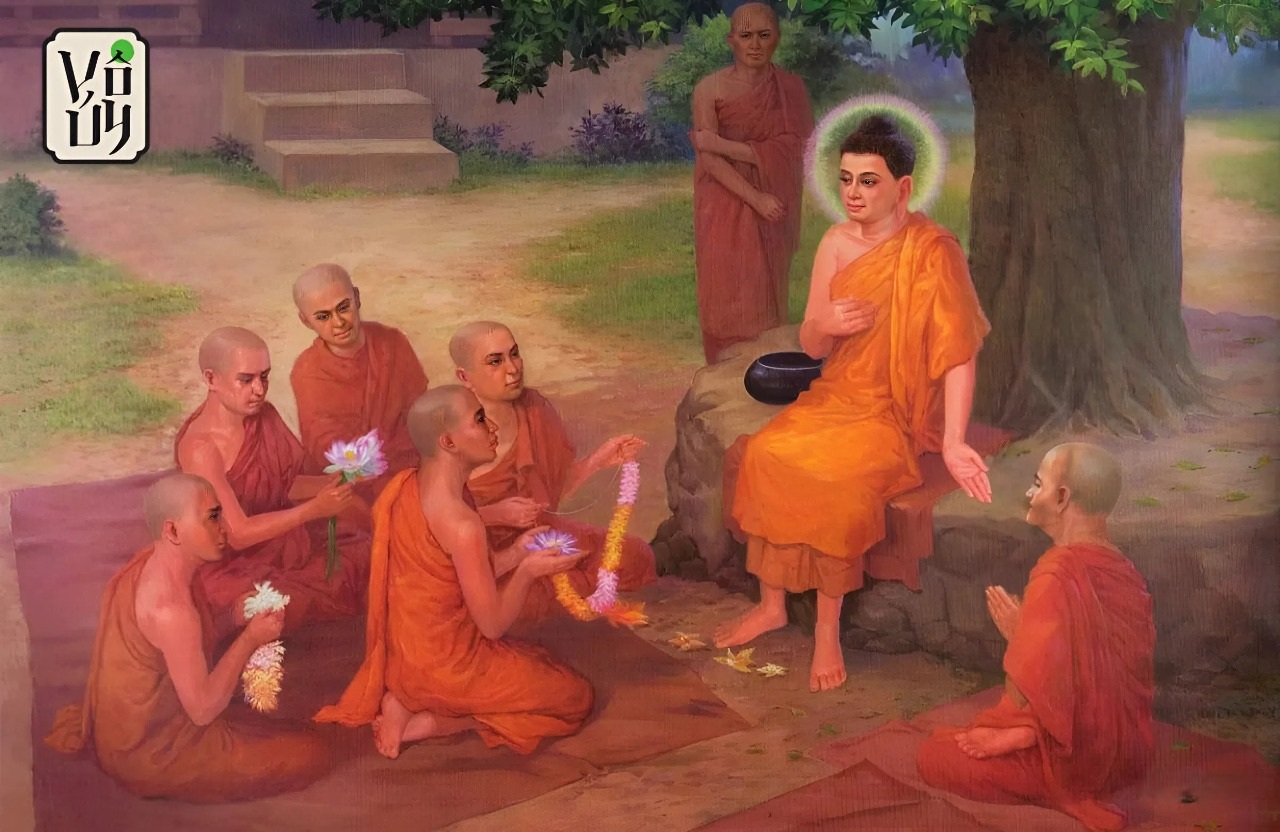
A Buddhist midday meal cultivates gratitude and mindful awareness
The Three Vows and Five Contemplations during a Buddhist meal
The Three Vows and Five Contemplations are often included in formal meal rituals at monasteries belonging to the Northern Buddhist tradition. The exact practice may vary between temples, but it generally directs participants toward mindfulness and the spiritual purpose of receiving food.
What are the Three Vows?
The Three Vows, known in Vietnamese as Tam De, are three aspirations contemplated with the first three spoonfuls of food:
- First spoonful: May I refrain from and bring an end to all unwholesome actions.
- Second spoonful: May I cultivate all wholesome actions.
- Third spoonful: May I help all sentient beings progress toward liberation.
These aspirations remind participants that receiving food does not merely serve personal needs. The energy obtained from the meal should be transformed into wholesome action, self-cultivation, and service to others.
What are the Five Contemplations?
The Five Contemplations, known in Vietnamese as Ngu Quan, help practitioners reflect deeply on the meal and their own attitude toward it.
| Contemplation | Practical meaning |
|---|---|
| Remember the work involved in preparing the meal | Be grateful to the people and natural conditions that contributed to the food. |
| Reflect on one’s own virtue | Consider whether one’s conduct and practice are worthy of receiving the meal. |
| Guard against greed, anger, and delusion | Avoid demanding, complaining, choosing excessively, or allowing flavours to disturb the mind. |
| Regard food as medicine | Use food to relieve hunger and sustain the body. |
| Nourish the body to fulfil the path of practice | Transform the meal’s energy into self-cultivation, learning, and service. |
The Five Contemplations remain relevant to modern life. Practising them can help reduce unconscious eating, prevent food waste, and build a healthier relationship with food.
Differences between Ngo Trai, Tho Trai, Cung Ngo, and Qua Duong
The following Vietnamese Buddhist terms frequently appear together and can therefore be confusing to beginners:
| Term | General meaning |
|---|---|
| Ngo Trai | A mindful Buddhist meal taken around midday. |
| Tho Trai | The act of receiving and eating a Buddhist meal. |
| Cung Ngo | The midday ritual of offering food to the Buddha. |
| Qua Duong | A formal communal meal ritual observed in Northern Buddhist monasteries. |
| Tri Ngo | The practice of refraining from food after the time specified by the relevant precepts. |
Are Ngo Trai and Tho Trai the same?
These terms are closely related but not completely synonymous. Ngo Trai refers primarily to the meal taken around midday, while Tho Trai emphasises the act of receiving and eating the meal with a mindful and respectful attitude.
Put simply, the community may tho trai during the time of ngo trai. In everyday conversation, however, the two terms are sometimes used interchangeably.
Is Cung Ngo the same as Ngo Trai?
Cung Ngo is the midday ritual of offering food to the Buddha, whereas Ngo Trai is the meal taken by monks, nuns, or members of a Buddhist practice community. The two activities may occur close together in a temple’s daily schedule, but they are not the same.
Qua Duong also does not simply mean walking through a room. In Northern Buddhist monasteries, the term refers to the formal ritual in which the community enters the dining hall and receives the meal according to established procedures.
What is an offering of food to the Sangha?
An offering of food to the Sangha, known in Vietnamese as cung duong trai tang, generally refers to laypeople respectfully preparing and offering a meal or suitable food to Buddhist monks. The practice expresses support for the Three Jewels while helping the donor cultivate generosity and openness.
On the same occasion, Buddhists may also offer robes, medicine, or other necessary items. However, an offering of food to the Sangha should not be considered identical to the entire category of the four monastic requisites.
The meaning of offering food to the Sangha
An offering should first be a voluntary act. Its value is not measured solely by the quantity or cost of the items offered. A clean and sufficient meal presented with sincere respect can still carry profound meaning.
Buddhists should also avoid treating an offering as an exchange intended to guarantee wealth, health, or another specific result. A wholesome action becomes meaningful when the person also cultivates the mind, lives responsibly, and dedicates the merit to others.
Families wishing to organise an offering of food to the Sangha should:
- Contact the temple or person in charge in advance.
- Ask about the appropriate time, quantity, and type of food.
- Prepare clean, sufficient, and respectfully presented offerings.
- Respect the monastic meal schedule.
- Avoid focusing excessively on appearance or comparing offerings.
- Avoid inventing rituals without proper guidance.
- Maintain a respectful attitude without superstition or an expectation of personal gain.
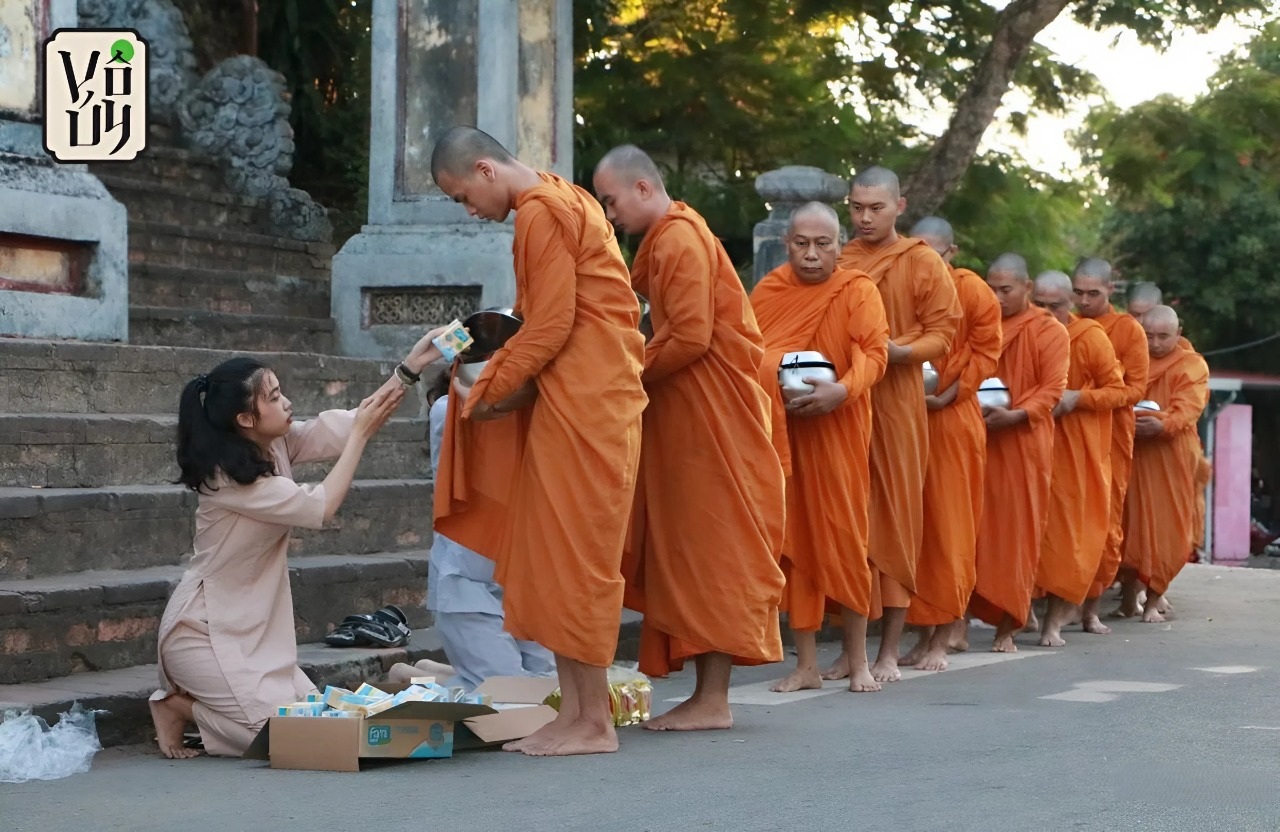
An offering of food to the Sangha should arise from generosity and sincere respect
Does Ngo Trai have to be a vegetarian meal?
At most Northern Buddhist temples in Vietnam, Ngo Trai usually consists of vegetarian food. As a result, many people automatically regard it as a meal containing no meat or fish.
However, Buddhist traditions have different rules and circumstances regarding the acceptance of food. Within alms-round traditions, whether food is considered acceptable or pure is not always determined solely by whether it is completely vegetarian.
The customs of one Buddhist school should therefore not be used to define all Buddhist traditions. The essence of Ngo Trai lies in receiving food at the appropriate time, taking only what is needed, and avoiding attachment to the meal.
How is Ngo Trai related to Trai Gioi and the ten-day observance?
Trai Gioi refers to maintaining purity and discipline in both eating and conduct. Someone observing Trai Gioi does not simply change their food but also pays attention to speech, thoughts, and behaviour.
The ten-day observance, known in Vietnamese as Thap Trai, involves ten designated Buddhist observance days in a lunar month according to certain traditions. On these days, Buddhists may eat vegetarian food, chant sutras, perform wholesome actions, and avoid activities that disturb the mind. You can consult the 10-day vegetarian diet and observance schedule to learn more about the traditional Thap Trai dates.
- Ngo Trai refers to a mindful Buddhist meal around midday.
- Trai Gioi emphasises maintaining purity and discipline in body and mind.
- Thap Trai refers to designated days for observing Trai Gioi during the lunar month.
Understanding these differences helps beginners avoid the misconception that eating vegetarian food alone constitutes the complete practice of Trai Gioi.
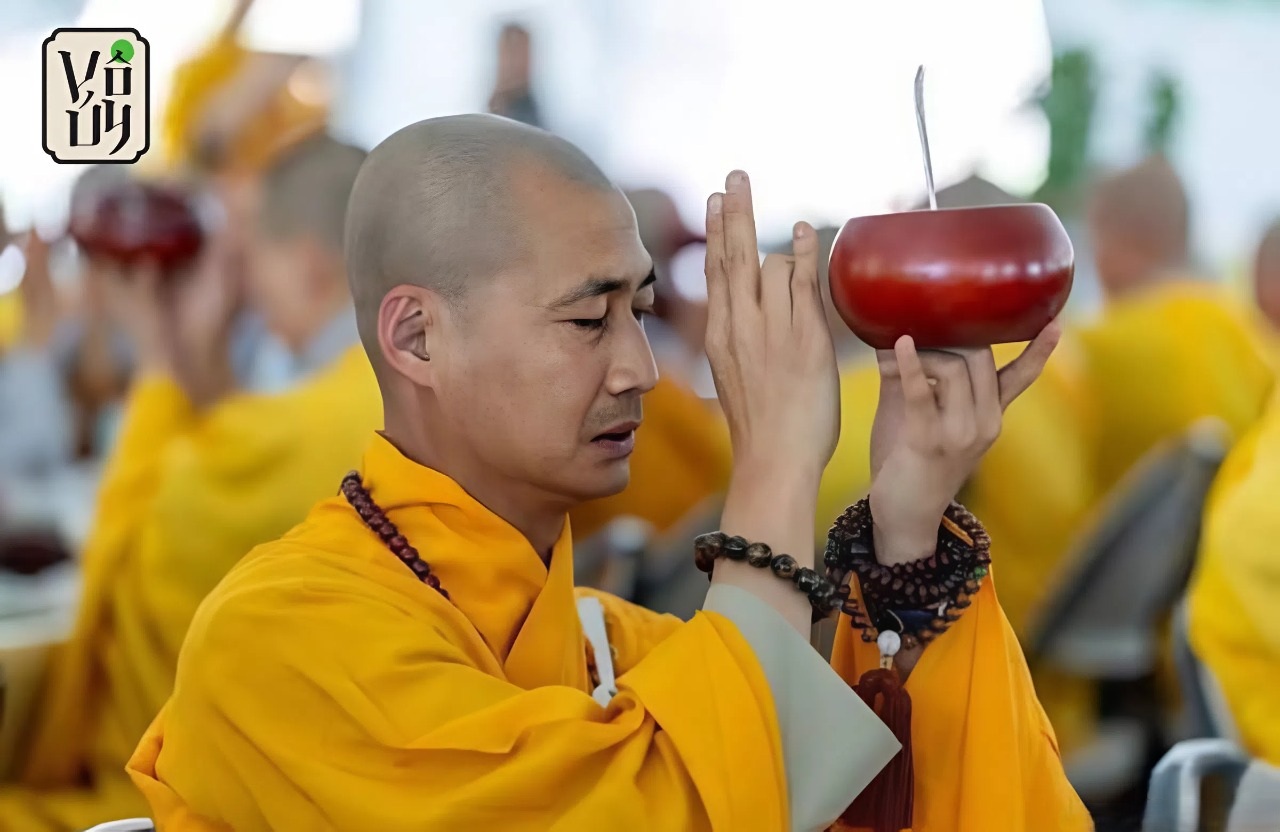
Ngo Trai, Trai Gioi, and Thap Trai are related but not identical practices
Can laypeople practise Ngo Trai?
Laypeople can participate in Ngo Trai during retreats or Buddhist practice days at a temple. Those undertaking the Eight Precepts will receive guidance on refraining from eating at improper times during the designated observance period.
In everyday life, not everyone can follow the same schedule as a monastic. However, anyone can bring the spirit of Ngo Trai into family meals through the following simple practices:
- Keep the dining table tidy and take only an appropriate amount of food.
- Put away your phone before beginning the meal.
- Pause for a few breaths to settle the body and mind.
- Remember the work of everyone who helped produce and prepare the food.
- Eat slowly, chew carefully, and experience each dish.
- Recognise when the body has received enough instead of eating out of habit.
- Minimise food waste.
Beginners do not need to reproduce an entire monastic ritual at home. Even one quiet minute of gratitude before eating can be a meaningful practice. Those wishing to undertake formal precepts or meal rituals should visit a suitable temple and follow the guidance of monks or nuns.
Temple etiquette when attending Ngo Trai
Every temple has its own daily schedule and customs. Participants should observe and follow the organisers’ instructions rather than acting according to their usual personal habits.
What you should do
- Arrive on time and wear modest, respectful clothing.
- Remain silent or speak softly.
- Wait for the community’s signal before beginning the meal.
- Take only an amount of food appropriate to your needs.
- Clear your bowls and utensils according to the temple’s instructions.
What you should avoid
- Using a phone during the meal.
- Taking photographs or videos without permission.
- Complaining about the food, choosing excessively, or leaving food uneaten.
- Speaking loudly and disturbing the community.
- Copying a ritual without understanding its meaning.
The formality of the meal is not intended to create a heavy or uncomfortable atmosphere. These guidelines allow everyone to settle the mind and maintain harmony together.
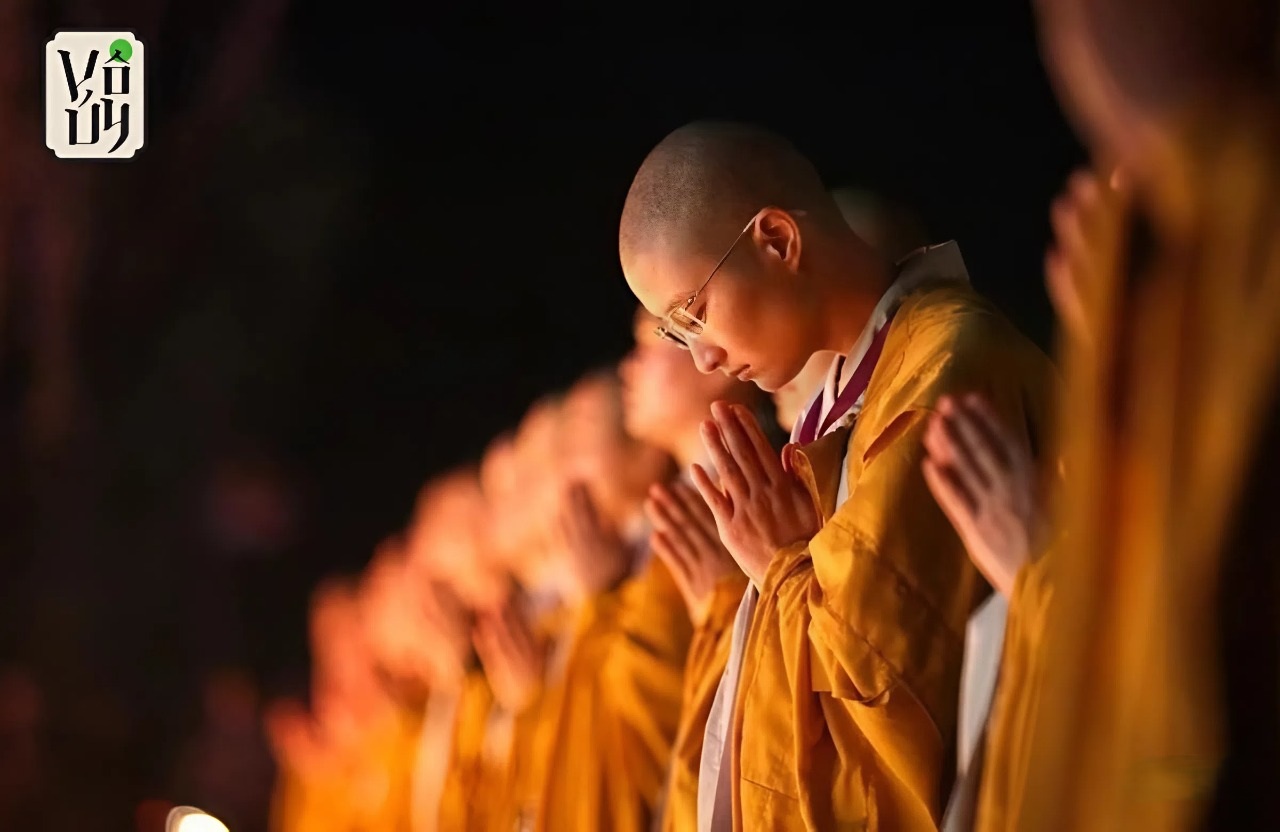
Participants should follow the temple’s schedule and guidance during Ngo Trai
Enjoy a mindful vegetarian meal at Vo Uy
The spirit of mindful eating is not limited to temples. Anyone can learn to eat more slowly, become more aware, and appreciate the food before them.
The value of a vegetarian dish does not come solely from the absence of meat and fish. The choice of ingredients, preparation methods, and attitude while eating also contribute to the depth of the experience.
At Vo Uy Vegetarian Restaurant, dishes are thoughtfully prepared and served in a tranquil setting where guests can step away from the rush of everyday life. This is not a formal monastic Ngo Trai ritual, but it offers an opportunity to enjoy vegetarian food with calmness, awareness, and appreciation.
You can explore the Vo Uy vegetarian menu or reserve a table at Vo Uy for a peaceful meal with your family and loved ones.
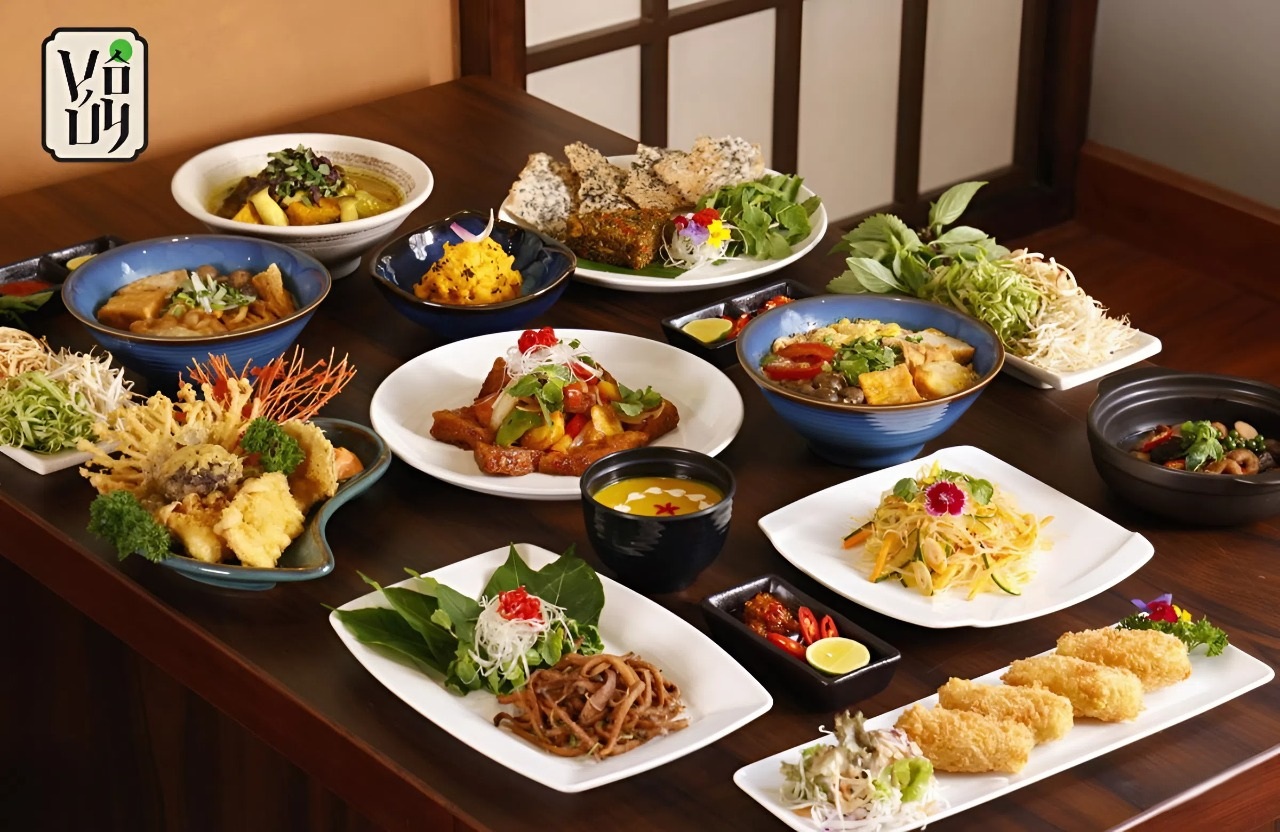
A peaceful vegetarian dining experience at Vo Uy
Frequently asked questions about Ngo Trai
What time does Ngo Trai usually take place?
Ngo Trai generally takes place around midday. The exact time depends on the schedule and tradition of each temple. Those observing the precept of refraining from food at improper times usually need to finish their meal before noon.
Is the Buddhist midday meal always completely vegetarian?
At Northern Buddhist temples in Vietnam, Ngo Trai is usually a vegetarian meal. However, rules concerning acceptable food may differ between Buddhist traditions. Ngo Trai should therefore not be defined solely by the ingredients in the meal.
What is the difference between Ngo Trai and Tho Trai?
Ngo Trai refers to a mindful meal taken around midday. Tho Trai refers to the act of receiving and eating the meal according to appropriate procedures. The terms are closely related but emphasise different aspects of the practice.
Can lay Buddhists participate in Tho Trai?
Lay Buddhists can participate in Tho Trai during retreats, Eight Precepts observance days, or other temple activities. They may also practise mindful eating at home, but they are not automatically required to follow the precepts of Buddhist monastics.
Can a meal eaten after noon still be called Ngo Trai?
The answer depends on the context and the precepts being observed. In ordinary conversation, some communities use Ngo Trai to refer generally to lunch at a temple. Those observing the precept of refraining from food at improper times should follow the schedule and guidance of their particular Buddhist tradition.
Are Cung Ngo and an offering of food to the Sangha the same?
No. Cung Ngo is primarily the midday ritual of offering food to the Buddha. An offering of food to the Sangha involves presenting a meal or food to Buddhist monks to support the monastic community and its practice.
Why should participants remain silent during Tho Trai?
Silence helps participants focus on the meal, remain aware of each action, and avoid disturbing the community. It also creates favourable conditions for mindfulness practice.
Can a family organise an offering of food to the Sangha at home?
A family may invite monks to its home when appropriate and with the temple’s agreement. The host should contact the person in charge beforehand for guidance on the timing, food, space, and proper procedures.
Conclusion
Ngo Trai is more than a meal taken around midday. It reflects contentment, gratitude, restraint, and a mindful attitude toward the food being received.
Laypeople do not have to perform an entire monastic ritual to experience these values. You can begin with a meal free from phones, hurry, and waste. When the body and mind are fully present, an ordinary meal can become a peaceful and nourishing experience.