


 0902 353 527
  cskh@nhahangvouy.com

What Is Tempeh? How to Make Nutritious Chickpea Tempeh at Home
Tempeh is a fermented food made from legumes, known for its slightly tangy, nutty flavor and firm texture. Not only is tempeh naturally delicious, but it is also rich in plant-based protein and essential nutrients that support overall health. This makes tempeh an ideal choice for vegetarians or anyone looking to add more plant-based protein to their daily diet. In this article, Vo Uy Vegetarian Restaurant will guide you through how to make chickpea tempeh at home while exploring the impressive health benefits this fermented superfood offers.
What Is Tempeh? What Does Tempeh Taste Like?
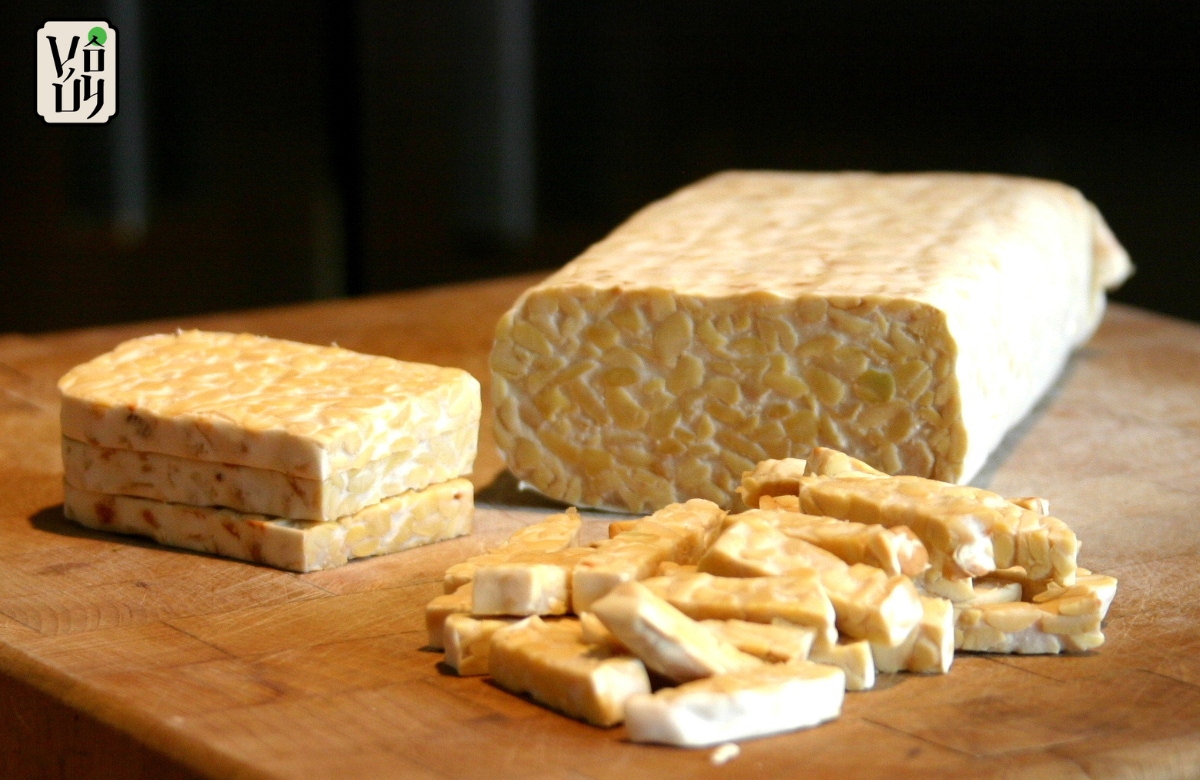
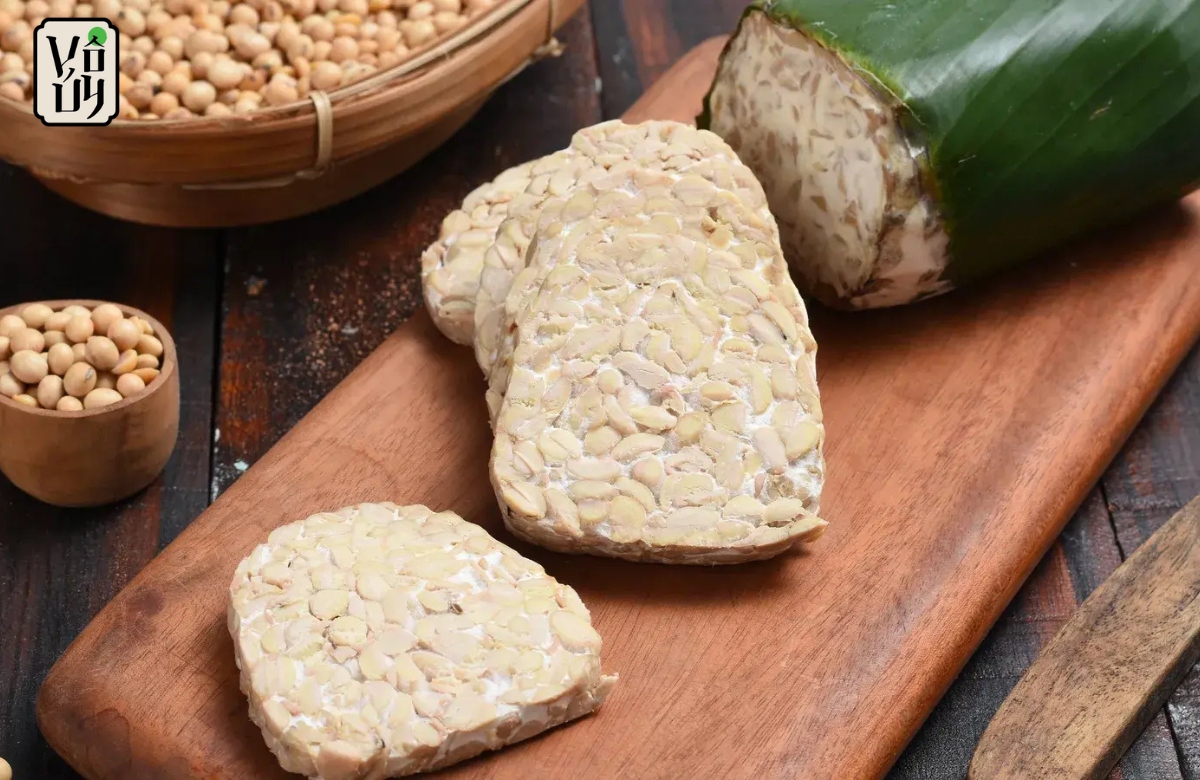
Tempeh is a traditional fermented food originating from Indonesia. It is commonly made from soybeans, but it can also be produced using other legumes such as chickpeas, lentils, or even grains like quinoa. During the fermentation process, the beans are bound together by a layer of white mycelium, forming a compact, firm block that can be easily sliced or shaped. Thanks to this structure, tempeh becomes a highly versatile ingredient suitable for various cooking methods.

What Is Tempeh? What Does Tempeh Taste Like?
One of the standout features of tempeh is its rich, nutty flavor combined with a mild tanginess and subtle natural sweetness. Its texture is firm and slightly chewy, similar to meat or soft cheese, making it an excellent meat substitute in vegetarian dishes. If you steam tempeh without seasoning, you will notice its distinct bean-like aroma, slightly earthy and mildly pungent notes—creating a unique flavor profile that few other foods can replicate.
How to Make Chickpea Tempeh at Home (Simple & Safe)
Making tempeh at home allows you to control the quality and hygiene of your food while experimenting with different ingredients. Below is a simple method to make chickpea tempeh—a nutritious and flavorful variation.
Ingredients
- 400g dried chickpeas
- 20 ml apple cider vinegar
- 3g tempeh starter culture
- Banana leaves or zip bags
Note: Choose high-quality chickpeas that are large, evenly colored (light yellow), and free from mold or moisture. Fresh chickpeas should have a smooth surface and a natural aroma. Opt for organic or trusted sources for the best results.
Step-by-Step Guide to Making Chickpea Tempeh
Step 1: Soak and Peel the Chickpeas
Soak the chickpeas in clean water for 8–12 hours (preferably overnight). Then gently rub each bean to remove the outer skin. This helps improve fermentation and results in a smoother tempeh texture.
Step 2: Cook the Chickpeas
Boil the chickpeas for about 60 minutes until they are tender but still hold their shape. Drain well and pat dry with a clean towel. The drier the beans, the more effective the fermentation process will be.
Step 3: Add Vinegar and Tempeh Starter
Once the chickpeas cool down to around 30–40°C, mix them with apple cider vinegar to create a slightly acidic environment. Sprinkle the tempeh starter evenly and mix thoroughly to coat all the beans. This step is crucial for successful fermentation.
Step 4: Pack and Ferment
Transfer the mixture into banana leaves or zip bags and press into a block about 2–3 cm thick. If using zip bags, poke small holes for air circulation.
Ferment at around 30°C for 24–36 hours. When a white mycelium fully covers the beans, your tempeh is ready.
Step 5: Enjoy Your Tempeh
Tempeh can be prepared in many ways—fried, grilled, stir-fried, or braised. Pair it with vegetables and whole grains for a balanced and nutritious meal.
With just a few simple steps, you can make delicious, homemade chickpea tempeh. It is hygienic, versatile, and perfect for creating a variety of plant-based dishes.
Chickpea tempeh is not only high in plant-based protein but also rich in vitamins and minerals, helping you maintain a healthy and balanced lifestyle.

How to Make Chickpea Tempeh at Home (Simple & Safe)
Nutritional Value of Tempeh
In a 84g serving of tempeh, you get:
- 162 calories
- 15g protein
- 9g carbohydrates
- 9g fat
- Iron: 12% RDI
- Calcium: 9% RDI
- Riboflavin: 18% RDI
- Niacin: 12% RDI
- Magnesium: 18% RDI
- Phosphorus: 21% RDI
- Manganese: 54% RDI
Compared to tofu, tempeh contains significantly more protein—15g versus 6g per serving—making it one of the best plant-based protein sources for vegetarians.
Health Benefits of Tempeh
Tempeh is not just a fermented food made from legumes—it is often considered a “green energy source” for the body. With its rich plant-based protein content, along with essential vitamins, minerals, and beneficial bioactive compounds, tempeh has become increasingly popular in balanced and healthy diets. Below are the key health benefits of tempeh.

Health Benefits of Tempeh
Supports Heart Health
Tempeh contains isoflavones and protein that help lower bad cholesterol (LDL) while increasing good cholesterol (HDL). This contributes to better cardiovascular health and reduces the risk of high blood pressure and coronary artery disease.
In addition, essential fatty acids such as linoleic and linolenic acids found in tempeh help prevent fat buildup in the blood and maintain the elasticity of blood vessels.
Promotes Digestive Health
Tempeh is a natural source of prebiotics—special types of fiber that nourish beneficial gut bacteria. A healthy gut microbiome improves digestion and enhances the body’s ability to absorb nutrients effectively.
Strengthens Bones
The calcium and protein content in tempeh plays an important role in maintaining bone density. Protein supports bone structure formation, while calcium helps keep bones strong, reducing the risk of osteoporosis and other bone-related conditions.
Supports Weight Management
Thanks to its high protein content, tempeh helps you feel full longer, reducing snacking and controlling calorie intake. Protein in tempeh also influences ghrelin (the hunger hormone) and stimulates the production of satiety hormones, helping maintain a stable weight and support weight loss.
Helps Prevent Chronic Diseases
The isoflavones in tempeh act as powerful antioxidants, protecting cells from damage caused by free radicals. This helps lower the risk of chronic diseases such as diabetes, cancer, and kidney disease. Additionally, tempeh’s anti-inflammatory properties contribute to reducing inflammation-related conditions.
Supports Weight Management
Who Should Avoid Tempeh?
Tempeh is highly nutritious and suitable for most people. However, certain individuals should be cautious. People with legume allergies should limit or avoid tempeh to prevent adverse reactions.
Moreover, soy-based tempeh may interfere with iodine absorption. Therefore, individuals with thyroid issues should consult a healthcare professional before consuming tempeh regularly. Understanding your personal health condition will help you use tempeh safely and effectively.
How to Store Tempeh Properly
Since tempeh is a fermented food, it has a relatively short shelf life. At room temperature, tempeh typically stays fresh for 1–2 days. When stored in the refrigerator, it can last up to 10 days, and in the freezer, it can be preserved for about 1 month. If you do not use all the tempeh at once, wrap it tightly and store it in the refrigerator to prevent contamination.
During storage, black or gray spots are usually safe and part of the natural fermentation process. However, if you notice pink, yellow, or green mold, the tempeh has spoiled and should not be consumed.
How to Store Tempeh Properly
Conclusion
Tempeh is a highly nutritious plant-based protein source, especially suitable for vegetarians and anyone looking to improve their diet with plant-based nutrition. When combined with vegetables and whole grains, tempeh not only enhances flavor but also creates balanced, healthy meals. The information above, compiled by Vo Uy Vegetarian Restaurant, aims to help you better understand this nutrient-rich food. If you are looking for a place to enjoy high-quality vegetarian cuisine, Vo Uy Vegetarian Restaurant is definitely worth trying.