

 0902 353 527
  cskh@nhahangvouy.com

How to Make Crispy Vietnamese Pickled Vegetables
Vietnamese pickled vegetables (dưa món) are a classic side dish that balances rich flavours, stimulates the appetite, and adds variety to everyday meals. However, achieving the perfect texture and flavour requires the right preparation. In this article, Vô Úy Vegetarian Restaurant shares a step-by-step guide to making crispy, flavourful Vietnamese pickled vegetables at home.
What Are Vietnamese Pickled Vegetables?
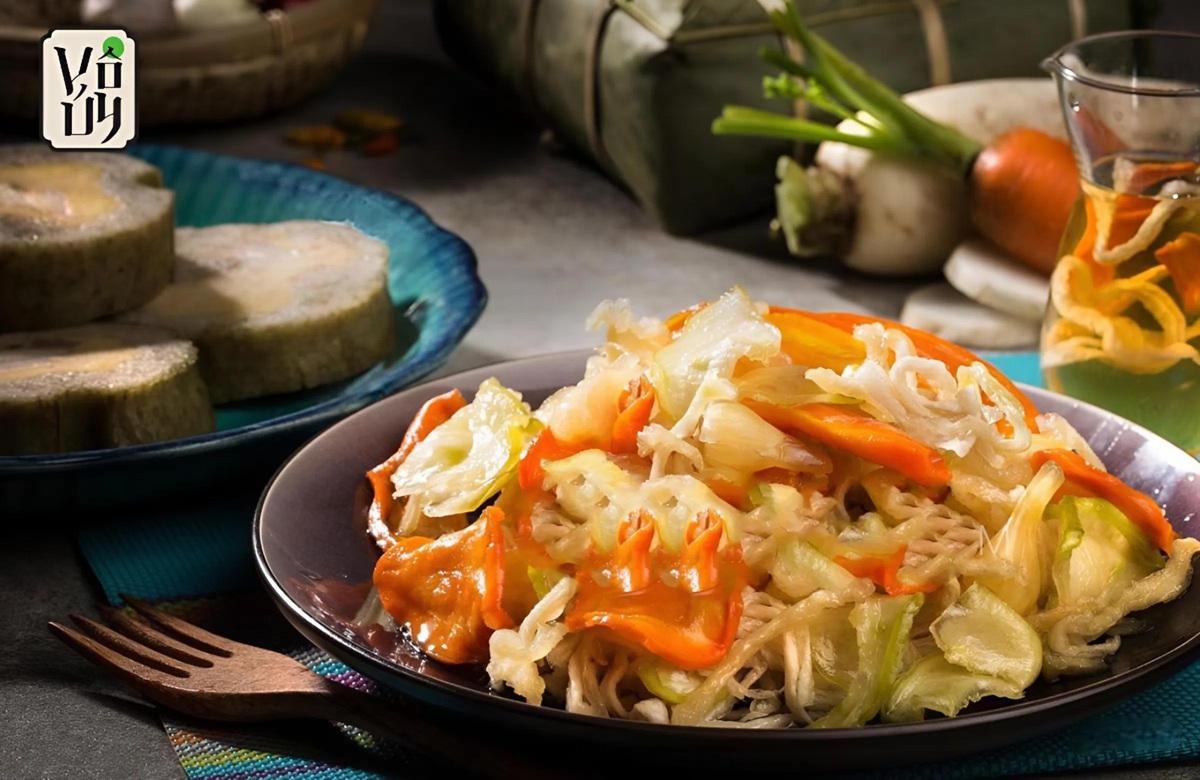
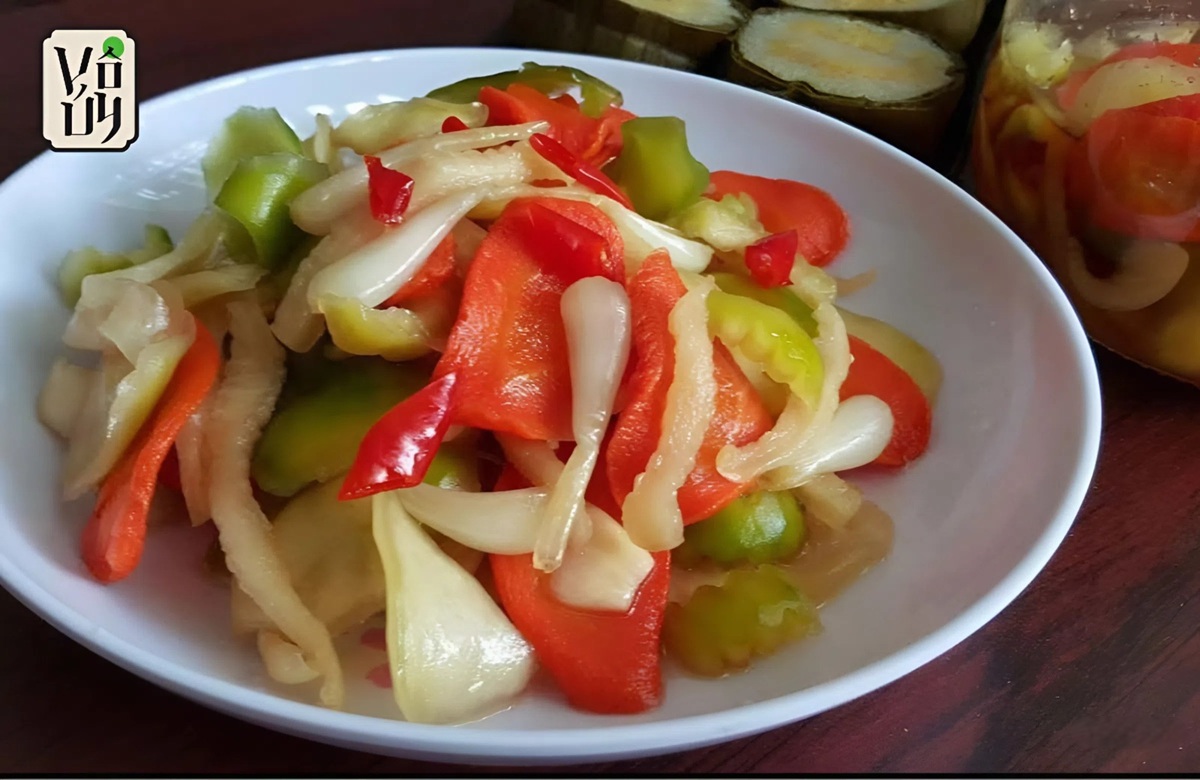
Vietnamese pickled vegetables, known as dưa món, are a traditional side dish made by pickling fresh vegetables in a sweet-and-sour brine. Common ingredients include daikon radish, carrot, cucumber, and pickled scallions. Each vegetable contributes its own colour, texture, and flavour, creating a vibrant accompaniment to Vietnamese meals.
What Are Vietnamese Pickled Vegetables?
In Vietnamese cuisine, dưa món is much more than a simple side dish. Its light acidity stimulates the appetite, aids digestion, and balances the richness of savoury dishes. During the Lunar New Year (Tết), crispy pickled vegetables are especially popular because they help cut through the richness of festive meals filled with braised meats and other traditional dishes. Every region of Vietnam has its own version. Northern Vietnam prefers a cleaner, milder sourness, while Southern Vietnam often adds a touch more sweetness. Central Vietnam is well known for its bold, spicy pickled vegetables. These regional variations reflect the diversity of Vietnamese culinary traditions.
Beyond family meals, dưa món is commonly served alongside rice dishes, noodle soups, and many traditional Vietnamese favourites. Its crisp texture and refreshing sweet-and-sour flavour complete the dining experience.
Easy Homemade Vegetarian Vietnamese Pickled Vegetables
Ingredients
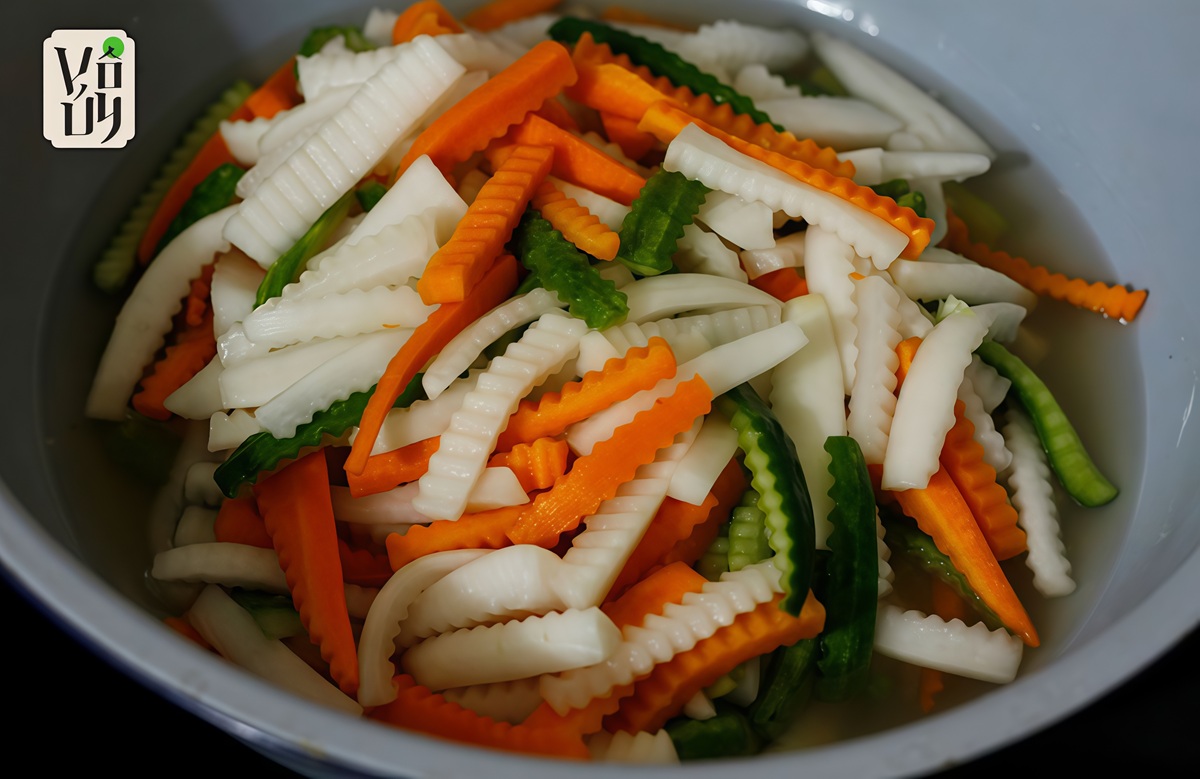
Preparing fresh ingredients and using clean equipment are essential for making delicious homemade pickled vegetables. Traditional dưa món uses simple, readily available ingredients that are both wholesome and easy to find.
Main Ingredients
- 500–700 g daikon radish or pickled scallions, fresh and firm
- 200–300 g carrots
- 150–200 g white sugar, adjusted to taste
- 2–3 tablespoons coarse salt
- 100 ml rice vinegar or apple cider vinegar
- 500 ml water
Additional Ingredients
- 2–3 cloves garlic, finely chopped
- 1–2 large red chillies (optional)
- A few thin slices of fresh ginger
Equipment
- A clean glass jar with a tight-fitting lid (1–1.5 litres)
- A sharp knife
- A separate cutting board for fresh vegetables
- A large mixing bowl
- A clean kitchen towel or paper towels
Using fresh ingredients and thoroughly cleaned equipment helps preserve the vegetables’ crisp texture, vibrant colour, and authentic flavour. Maintaining the right balance of sugar and salt is also essential for creating the signature sweet-and-sour taste.
Easy Homemade Vegetarian Vietnamese Pickled Vegetables
Step-by-Step Guide to Making Vietnamese Pickled Vegetables
Although the traditional recipe is straightforward, careful preparation and attention to detail are essential for the best results.
Step 1: Prepare the Vegetables
Wash all the vegetables thoroughly under running water and allow them to drain completely. Cut the daikon radish and carrots into bite-sized pieces or thin strips, depending on your preference. If using cucumbers, cut them into pieces about 5–7 cm long to help maintain their crisp texture.
Step 2: Lightly Salt the Vegetables
Mix the vegetables with coarse salt, using approximately 2 tablespoons of salt for every kilogram of vegetables. Leave them to rest for 2–3 hours so they release excess moisture. Afterward, gently squeeze out the liquid and rinse the vegetables with cold water to reduce the saltiness.
Step 3: Prepare the Pickling Brine
Bring 500 ml of water to a boil. Add 200 g sugar, 100 ml rice vinegar, and 1 tablespoon salt. Stir until the sugar has completely dissolved, then allow the brine to cool completely. This pickling liquid plays the most important role in creating the signature flavour of dưa món.
Step 4: Pickle and Store
Place the prepared vegetables into a clean glass jar. Pour the cooled brine over the vegetables until they are fully submerged. Seal the jar tightly and store it in a cool, well-ventilated place for 3–5 days.
Once fermented, your homemade Vietnamese pickled vegetables are ready to enjoy. This recipe can easily be adjusted to suit your family’s taste by increasing or reducing the amount of sugar or vinegar. Many people also add garlic and chilli for a richer, more aromatic flavour.
Other Popular Vietnamese Pickled Vegetable Recipes
This traditional Vietnamese side dish comes in many delicious variations, making it suitable for different tastes and occasions throughout the year. Each recipe offers its own unique flavour, bringing more variety to family meals.
Pickled Scallions (Củ Kiệu)
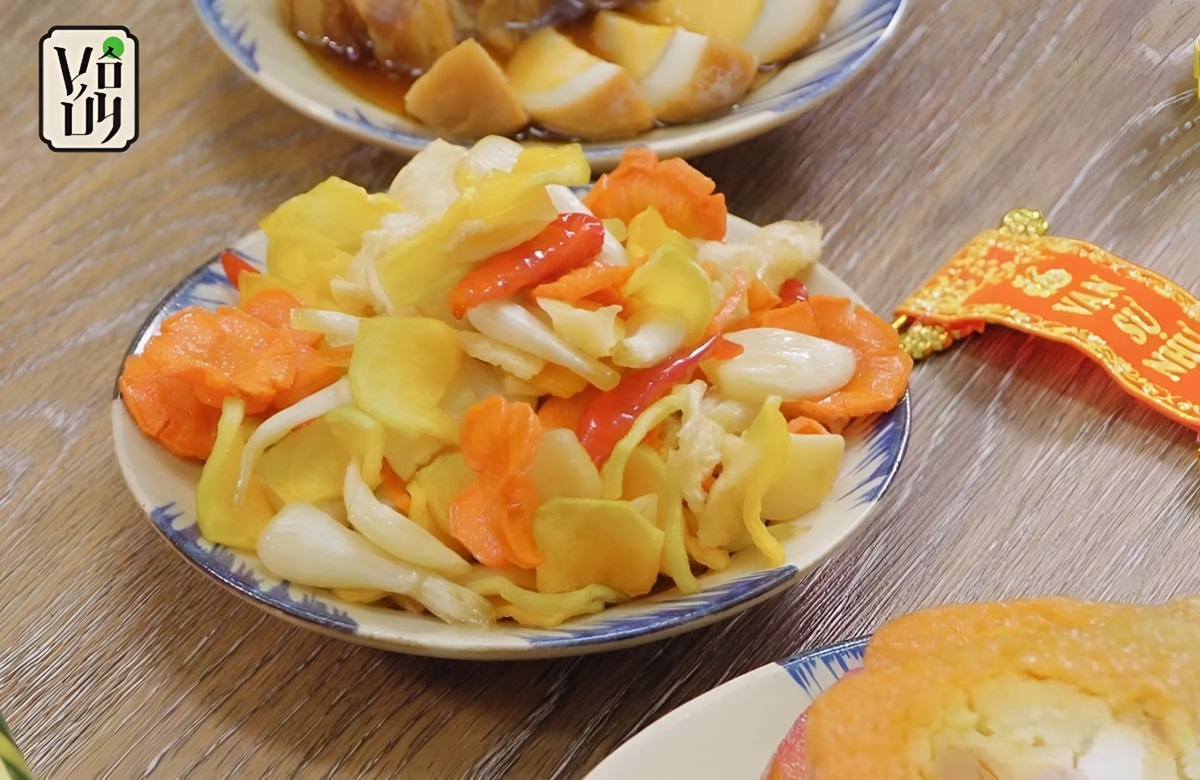
One of the most popular versions, especially during the Lunar New Year (Tết), is pickled scallions. Pickled scallions have a naturally crisp texture, absorb the brine quickly, and maintain their bright white colour.
Simply pickle fresh scallions with sugar, salt, vinegar, and fresh chilli for 3–4 days to create a delicious accompaniment to festive meals. They also store well in the refrigerator while remaining pleasantly crunchy.
Vegetarian Vietnamese Pickled Vegetables
This version is ideal for vegetarian meals or Buddhist fasting days. Instead of using fish sauce, simply season the pickling brine with soy sauce or a combination of salt, sugar, and vinegar.
Popular vegetables include carrots, kohlrabi, cucumbers, and bell peppers, creating a colourful dish that is both nutritious and refreshing. Light, flavourful, and easy to digest, it is an excellent everyday side dish.
Other Popular Vietnamese Pickled Vegetable Recipes
Other Variations
You can also prepare pickled red onions, Japanese-style pickled daikon and carrots, or Northern Vietnamese-style pickled spring onions. Each variation has its own balance of sweetness and acidity, with pickling times ranging from a few hours to several days depending on the recipe and your taste preferences.
This wide variety ensures that Vietnamese pickled vegetables never become repetitive. If you enjoy traditional Vietnamese cuisine, don’t miss sweet-and-sour pickled scallions (củ kiệu), another classic side dish that pairs beautifully with family meals.
Tips for Crispy and Flavourful Vietnamese Pickled Vegetables
For the best results, always choose fresh, firm vegetables without bruises. Balance the proportions of salt, sugar, and vinegar according to your family’s taste, tasting and adjusting the brine when necessary. Soaking the vegetables in lightly salted water before pickling also helps them stay crisp for longer.
Another important tip is controlling the fermentation temperature. Leave the jar in a cool place during the first two to three days, then transfer it to the refrigerator to maintain a pleasant level of acidity. Keep all the vegetables fully submerged beneath the brine to prevent exposure to air. Adding a small amount of fresh chilli or sliced ginger enhances the flavour while naturally reducing the risk of mould.
Common Mistakes to Avoid
Many people accidentally use untreated tap water instead of boiled and cooled water, causing the vegetables to spoil quickly and lose their crisp texture. Poorly cleaned jars are another common reason for unsuccessful batches. An incorrect balance of seasonings can also result in pickles that are overly salty or lacking their signature sweet-and-sour flavour.
Pickling for too long makes the vegetables soft, while removing them too early prevents the flavours from fully developing. To avoid these problems, always boil and cool the pickling liquid, thoroughly sanitise the jars, follow the recommended seasoning ratios, and monitor the pickling time carefully.
Common Mistakes to Avoid
How to Keep Vietnamese Pickled Vegetables Crispy
To preserve both flavour and texture, store the pickled vegetables in a tightly sealed glass jar with all the vegetables fully submerged in the brine. Keep the jar refrigerated at 4–8°C (39–46°F). When stored properly, homemade Vietnamese pickled vegetables can remain fresh for approximately two to three weeks.
Signs that the pickles have spoiled include an unpleasant odour, a white film developing on the surface of the brine, or vegetables becoming excessively soft. Always use clean chopsticks or utensils when serving to prevent saliva, oil, or food residue from contaminating the jar. Replacing the pickling brine every 7–10 days can also help keep the vegetables fresh and crisp for longer.
Conclusion
Vietnamese pickled vegetables are much more than a simple side dish—they are an important part of Vietnam’s culinary heritage, bringing balance and freshness to everyday family meals. Through this guide from Vô Úy Vegetarian Restaurant, you’ve learned everything from selecting quality ingredients and preparing the right equipment to mastering the essential steps for making authentic homemade dưa món.
Besides enhancing the flavour of your meals, these pickled vegetables also provide beneficial probiotics that support digestive health, making them a wholesome addition to your diet. Try making your own batch today and bring the authentic taste of traditional Vietnamese cuisine to your family table.