


 0902 353 527
  cskh@nhahangvouy.com

Top 5 Homemade Vegetarian Fish Sauce Recipes
Vegetarian fish sauce is an essential condiment that brings depth and balance to vegetarian dishes. More than just a substitute for traditional fish sauce, it offers a light, delicate flavour that complements a wide range of recipes while supporting various dietary lifestyles. In this article, Vô Úy Vegetarian Restaurant explains what vegetarian fish sauce is, the ingredients commonly used to make it, easy homemade recipes, and practical tips for achieving the perfect balance of flavour.
What Is Vegetarian Fish Sauce? Why Is It Becoming So Popular?
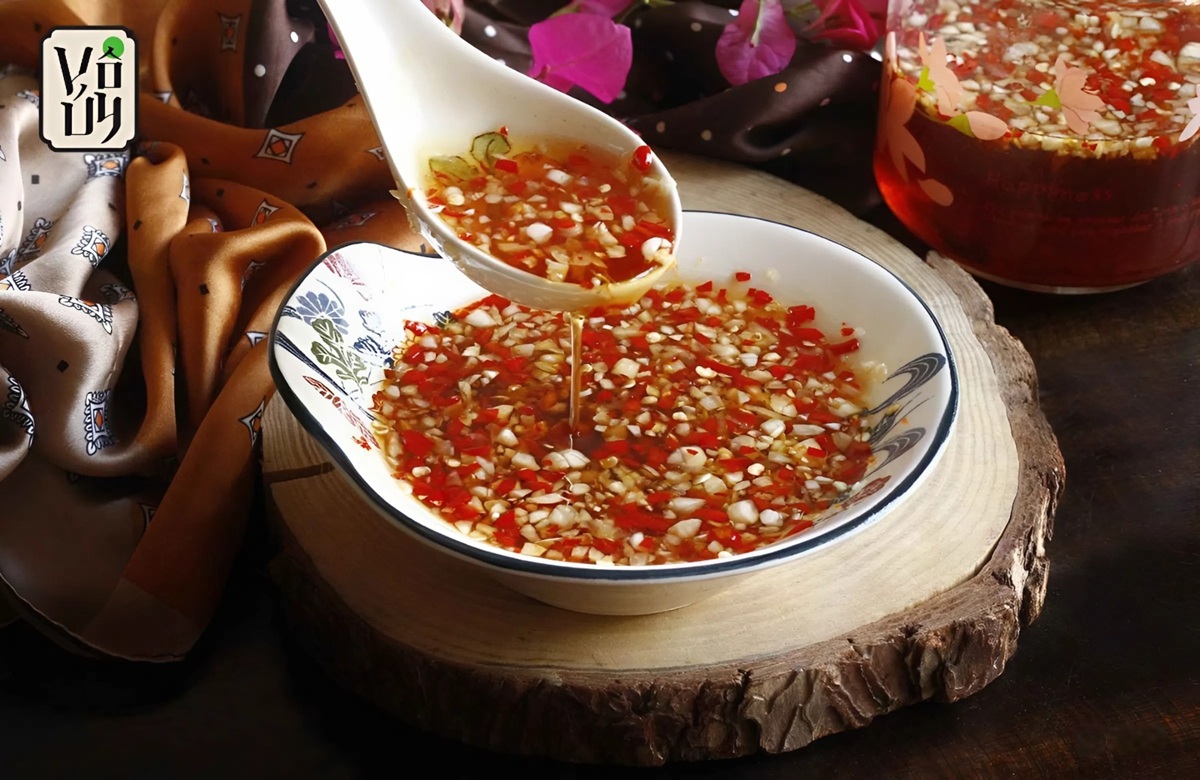
Vegetarian fish sauce is a plant-based seasoning made entirely without fish or seafood. Unlike traditional Vietnamese fish sauce, which relies on fermented fish, vegetarian fish sauce develops its savoury taste and subtle natural sweetness through carefully selected ingredients such as mushrooms, soybeans, vegetables, and natural seasonings. The biggest difference lies in its flavour.
What Is Vegetarian Fish Sauce? Why Is It Becoming So Popular?
Vegetarian fish sauce is lighter, less pungent, and easier to enjoy, making it suitable for a wide variety of people. Whether you’re a full-time vegetarian, observe vegetarian meals on Buddhist fasting days, or simply follow a healthier lifestyle, vegetarian fish sauce is a versatile and nutritious alternative.
As more people embrace plant-based eating for health and environmental reasons, vegetarian fish sauce has become a staple not only in vegetarian kitchens but also in many households looking for a healthier everyday seasoning.
What Is Vegetarian Fish Sauce Made From?
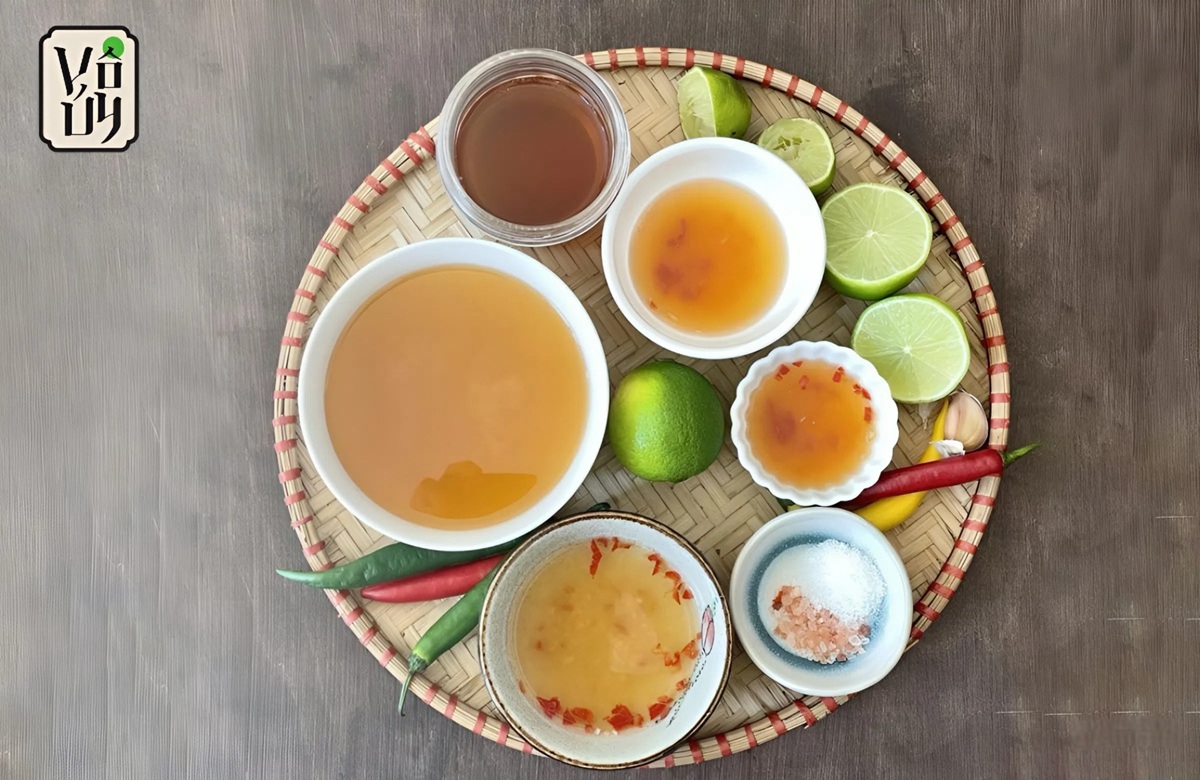
Many people wonder how vegetarian fish sauce achieves its balanced savoury-sweet flavour without seafood. The answer lies in its diverse selection of plant-based ingredients. Traditional recipes commonly use soybeans, mushrooms, pineapple, and dried daikon radish, combined with soy sauce, salt, and sugar.
Soybeans provide richness, while mushrooms and pineapple contribute natural sweetness and complexity. Modern recipes often include shiitake mushrooms, dried mushrooms, or seaweed to boost natural umami.
Some families also add apples, pears, or sugarcane to create a smoother, more delicate sweetness. Each ingredient produces a distinctive flavour profile. Mushroom-based vegetarian fish sauce is light and aromatic, while soybean-based versions are richer and particularly suitable for braised or stir-fried dishes. Choosing quality ingredients is the key to creating a delicious homemade condiment.
What Is Vegetarian Fish Sauce Made From?
Easy Homemade Vegetarian Fish Sauce Recipes
Making vegetarian fish sauce at home is surprisingly simple once you understand the correct ingredient ratios and preparation methods.
Pineapple Vegetarian Fish Sauce
Pineapple vegetarian fish sauce is one of the easiest recipes to make. It has a naturally sweet-and-tangy flavour with a gentle fruity aroma, making it an excellent dipping sauce for boiled vegetables, vegetarian noodle dishes, and fresh salads.
Ingredients
- 1 medium ripe pineapple, firm and unbruised
- 3 tablespoons fine sea salt
- 2 tablespoons palm sugar (or rock sugar)
- 1 clean, dry glass jar with a tight-fitting lid
Instructions
Step 1: Prepare the Pineapple
Peel the pineapple thoroughly, remove all the eyes and the tough core, then rinse it under clean water. Allow it to dry completely before slicing it into thin pieces or small chunks. Smaller pieces help the fermentation process occur more evenly and efficiently.
Step 2: Combine the Ingredients
Place the pineapple pieces into the glass jar. Mix the sea salt and palm sugar together, then sprinkle the mixture evenly over the pineapple. Using a clean spoon, gently stir until every piece is coated.
Step 3: Ferment Naturally
Seal the jar tightly and place it in a cool location away from direct sunlight. Allow it to ferment for approximately seven days. Open the jar once each day and stir gently with a clean spoon to encourage even fermentation and reduce the risk of mould.
Step 4: Strain the Liquid
After seven days, the pineapple will have released a golden liquid. Strain the mixture through a fine sieve or clean cheesecloth, discarding the pineapple pulp. If the finished sauce is too concentrated, simply dilute it with a small amount of cooled boiled water until it reaches your preferred strength.
Step 5: Store the Sauce
The finished vegetarian fish sauce should have a beautiful golden colour, a mild savoury taste, balanced sweetness, gentle acidity, and a pleasant pineapple aroma. Transfer it to a clean bottle or jar, seal tightly, and store it in the refrigerator.
Tips for Better Flavour
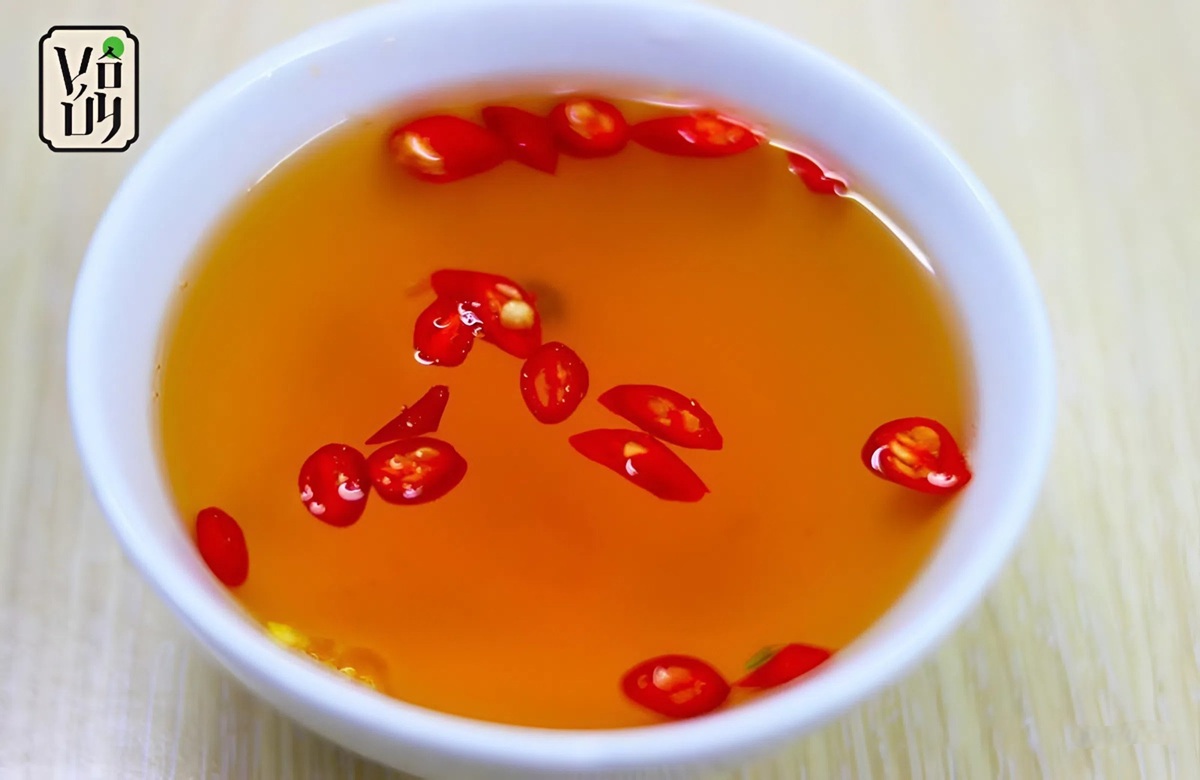
If you enjoy a little heat, add a few slices of fresh chilli during fermentation. Choosing a pineapple that is ripe but not overripe will help create a balanced flavour without excessive acidity.
Easy Homemade Vegetarian Fish Sauce Recipes
Mushroom Vegetarian Fish Sauce
Mushroom vegetarian fish sauce is another favourite thanks to its rich aroma, natural sweetness, and simple preparation. It works wonderfully as both a dipping sauce and a seasoning for braised dishes, stir-fries, vegetarian noodles, and everyday plant-based meals.
Ingredients
- 20–30 g dried shiitake mushrooms
- 500 ml water
- 3–4 tablespoons vegetarian soy sauce
- 2 tablespoons palm sugar (or rock sugar)
- ½ teaspoon salt
- A small saucepan
- A fine sieve
Instructions
Step 1: Soak the Mushrooms
Place the dried mushrooms in a bowl and cover them with warm water. Soak for 20–30 minutes until softened. Remove the mushrooms and rinse gently to eliminate any dirt. Reserve the soaking liquid, straining it through a fine sieve to remove sediment, as it contains valuable natural flavour.
Step 2: Simmer the Mushroom Broth
Transfer both the mushrooms and the strained soaking liquid to a saucepan. Add additional water if necessary to make approximately 500 ml. Bring to a gentle boil over medium heat until the mushroom aroma develops.
Step 3: Season the Sauce
Reduce the heat to low. Add the vegetarian soy sauce, palm sugar, and salt. Stir until the sugar has completely dissolved, then simmer gently for another 10–15 minutes to deepen the flavour.
Step 4: Strain and Finish
Remove the saucepan from the heat and allow it to cool slightly. Strain the liquid through a fine sieve, discarding the mushroom solids. Properly prepared mushroom vegetarian fish sauce should have a light brown colour, a delicate mushroom aroma, and a balanced savoury-sweet flavour.
Step 5: Store and Use
Transfer the finished sauce to a clean bottle or jar, seal tightly, and refrigerate. When stored correctly, it will keep well for approximately 5–7 days.
Tips for Better Flavour
For a richer natural sweetness, simmer a slice of dried daikon radish or a few small pieces of pineapple together with the mushrooms. Always cook over low heat to preserve the mushrooms’ delicate aroma while preventing the sauce from becoming overly sharp.
Soybean Vegetarian Fish Sauce
Soybean vegetarian fish sauce is ideal for anyone who enjoys a rich, savoury flavour or regularly prepares vegetarian braised dishes. Made from roasted soybeans, this sauce has a deep salty taste, a mild sweet finish, and a flavour that absorbs easily into ingredients during cooking.
Ingredients
- 100 g dried soybeans
- 700 ml water
- 1 teaspoon salt
- 2 tablespoons palm sugar or rock sugar
- 2–3 tablespoons vegetarian soy sauce
- A saucepan and fine sieve
Instructions
Step 1: Roast the Soybeans
Sort through the soybeans and discard any damaged or shrivelled beans. Place them in a dry frying pan and roast over medium heat, stirring continuously. Once the soybeans turn lightly golden and release a nutty aroma, remove them from the heat. Roasting gives the sauce its distinctive fragrance and helps remove the raw, grassy taste of the beans.
Step 2: Cook the Soybean Broth
Transfer the roasted soybeans to a saucepan and add 700 ml water. Bring to a boil over medium heat, then reduce the heat and simmer for 25–30 minutes. This allows the soybeans to release their natural sweetness and savoury flavour into the liquid.
Step 3: Strain the Broth
Remove the saucepan from the heat and allow the mixture to cool slightly. Strain it through a fine sieve or clean cloth, discarding the soybean solids and reserving the liquid. This broth forms the base of the soybean vegetarian fish sauce.
Step 4: Season the Sauce
Return the strained broth to the saucepan. Add the salt, sugar, and vegetarian soy sauce. Stir until the seasonings have completely dissolved, then simmer over low heat for 10–15 minutes. Keep the heat gentle to prevent scorching and avoid developing an unwanted sour taste.
Step 5: Cool and Store
Once the sauce becomes slightly thickened and develops a mild, pleasant aroma, remove it from the heat. Allow it to cool completely before transferring it to a clean bottle or jar.
Seal tightly and refrigerate. When stored correctly, soybean vegetarian fish sauce can be used for approximately 7–10 days.
Tips for Better Flavour
For a deeper, more complex flavour, add a small amount of dried shiitake mushroom while simmering the soybean broth. When using the sauce in braised dishes, add it near the beginning of the cooking process so the seasoning can fully penetrate the ingredients.
Salted Daikon Vegetarian Fish Sauce
This recipe is especially suitable for hot summer days because it has a light, refreshing sweetness and gentle acidity from the fermented daikon. Its flavour is neither overly pungent nor excessively salty, making it a pleasant dipping sauce for boiled vegetables, salads, and fresh vegetarian dishes.
Unlike vegetarian fish sauces that require long fermentation, this version relies on a simple salting process that draws out the daikon’s naturally savoury liquid. Rice vinegar is added at the end to create a mild, balanced acidity. Preparation takes only about 10 minutes, although the mixture should ferment for approximately 15 days to develop its full flavour.
Ingredients
This recipe makes approximately 500–700 ml of sauce.
- 500 g fresh daikon radish
- 40–50 g coarse salt, about 8–10% of the daikon’s weight
- 20–30 g sugar, preferably palm sugar for a delicate sweetness
- 1–2 pieces fresh ginger, about 20 g, crushed or thinly sliced
- 1–2 fresh chillies, thinly sliced
- 2–3 tablespoons rice vinegar
- Clean filtered water, if needed for dilution
Choose large, firm daikon radishes with smooth skin and no soft or damaged areas.
Instructions
Step 1: Prepare the Daikon
Wash the daikon thoroughly under running water and remove the tough outer skin. Trim both ends, then shred it into thick strips or slice it into pieces about 0.5–1 cm thick. Shredding allows the daikon to release liquid more quickly and absorb the seasonings evenly.
For a crispier texture, you can cut it into small cubes. Transfer the prepared daikon to a large bowl.
Step 2: Add Salt and Sugar
Sprinkle 40–50 g coarse salt evenly over the daikon. Using clean hands, gently massage the salt into the vegetables to help them soften and release liquid. Add 20–30 g sugar, adjusting the amount according to your preferred sweetness, then massage the mixture a few more times.
The daikon should begin releasing a clear liquid. Leave it to rest for 1–2 hours, or overnight in cool weather, until the vegetables soften and produce more liquid. There is no need to cover the bowl during this step.
Step 3: Add Aromatics
After salting, gently squeeze the daikon to remove some excess liquid, but reserve the liquid because it forms the base of the sauce. Do not squeeze too firmly, as this may crush the vegetables. Add the crushed ginger and sliced chilli, then mix well.
These ingredients reduce the daikon’s natural sharpness while adding a pleasant spicy aroma. For a lighter fragrance, you can also add a few kaffir lime leaves or fresh pandan leaves.
Step 4: Ferment the Mixture
Transfer the daikon, its liquid, and the aromatics to a clean glass jar sterilised with boiling water. Make sure the vegetables are fully submerged. If there is not enough liquid, add a small amount of boiled and cooled water. Place a clean weight, such as a small ceramic plate, on top to keep the daikon below the surface and prevent mould. Close the lid loosely so fermentation gases can escape.
Store the jar in a cool place away from direct sunlight for 10–15 days. Every two to three days, open the jar and stir gently with a clean spoon to encourage even fermentation. The liquid should gradually turn pale yellow and develop a mild fermented daikon aroma.
Step 5: Strain and Adjust the Flavour
After 15 days, strain the liquid through a fine sieve or clean cloth and discard the daikon solids. The solids can also be used in stir-fries or added to compost. Taste the sauce and adjust as needed.
Add a little more salt if it is too mild, or stir in 2–3 tablespoons rice vinegar if it needs more acidity. For longer storage, gently boil the sauce for about five minutes to reduce microbial activity. Allow it to cool completely before transferring it to a clean bottle or jar. Stored in the refrigerator, it can keep for approximately two to three months.
This economical recipe is ideal for small households and anyone making vegetarian fish sauce for the first time. The daikon’s gentle sweetness gives summer meals a light, refreshing finish without feeling heavy.
Quick Vegetarian Fish Sauce for Same-Day Use
Even on busy days, you can prepare a flavourful vegetarian fish sauce in a short time. This quick recipe requires no fermentation, uses simple ingredients, and is especially suitable as a dipping sauce for vegetarian noodles, vegetarian steamed rice rolls, or boiled vegetables.
Ingredients
- 4 tablespoons vegetarian soy sauce
- 2 tablespoons sugar, preferably rock sugar or palm sugar
- 100 ml water
- 1–2 tablespoons finely chopped fresh mushrooms, such as shiitake mushrooms
- ¼ teaspoon salt
- A small saucepan
Instructions
Step 1: Cook the Mushrooms
Place the chopped mushrooms in a saucepan with a small amount of water. Cook over medium heat until softened and fragrant. This step creates natural sweetness and a richer aroma than simply diluting soy sauce.
Step 2: Add the Remaining Ingredients
Once the mushrooms are soft, add the remaining water, vegetarian soy sauce, sugar, and salt. Stir until the seasonings have completely dissolved.
Step 3: Simmer Gently
Reduce the heat and simmer for 5–7 minutes. Stir occasionally to prevent scorching and allow the savoury and sweet flavours to blend evenly.
Step 4: Cool and Serve
Remove the saucepan from the heat and allow the sauce to cool slightly. The finished quick vegetarian fish sauce should have a light brown colour, balanced savoury-sweet flavour, and a delicate mushroom aroma. Use it the same day as a dipping sauce for boiled vegetables, vegetarian noodles, or vegetarian steamed rice rolls.
Tips for a Richer Flavour
For extra heat, add chopped chilli while the sauce is simmering. A little pineapple juice or a few slices of dried daikon can also create a deeper sweet finish without requiring additional sugar.
Quick Vegetarian Fish Sauce for Same-Day Use
Tips for Rich and Flavourful Vegetarian Fish Sauce
The key to making delicious vegetarian fish sauce is balancing saltiness, sweetness, and umami. Mushrooms and vegetables should be cooked long enough to release their natural flavour, but not so long that the sauce develops a harsh or overly concentrated taste.
The timing of the soy sauce also matters. Adding it too early can make the aroma too strong, while adding it too late may prevent the salty flavour from blending evenly. Palm sugar or rock sugar is recommended because it provides a gentler and more natural sweetness. After cooking, always allow the sauce to cool completely before transferring it to a sealed container. Refrigeration helps maintain a stable flavour and prevents premature souring.
What Dishes Can You Use Vegetarian Fish Sauce With?
Vegetarian fish sauce is highly versatile and can be used in many different dishes. It adds flavour to vegetarian noodle bowls, vegetarian steamed rice rolls, fresh vegetarian spring rolls, salads, and rice dishes.
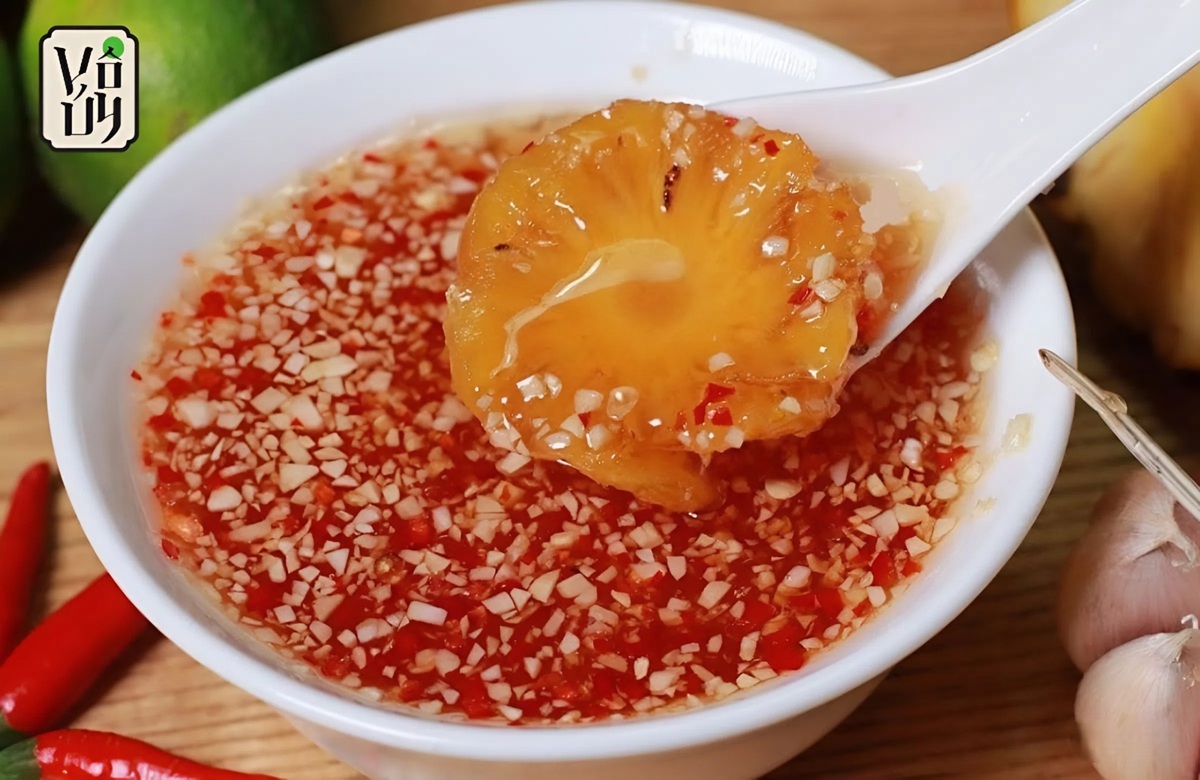
It can also be turned into a sweet-and-sour dipping sauce with garlic and chilli or used as a seasoning for braised and stir-fried dishes. Adjust the balance of saltiness and sweetness depending on the dish and your family’s preferences.
Homemade vs. Bottled Vegetarian Fish Sauce
The greatest advantage of homemade vegetarian fish sauce is complete control over the ingredients and flavour. Freshly prepared sauce usually contains no preservatives and can be adjusted easily to suit your taste.
However, it has a shorter shelf life and must be made again once finished. Bottled vegetarian fish sauce is more convenient, widely available, and suitable for busy households. When buying a commercial product, read the ingredient list carefully and avoid unnecessary flavourings or additives whenever possible.
Conclusion
Vegetarian fish sauce is easy to prepare and adds exceptional flavour to plant-based meals. With these five recipes and practical cooking tips, you can create a version that suits your preferred taste, whether light and refreshing or rich and deeply savoury. Start making your own vegetarian fish sauce today. When you’re too busy to cook, visit Vô Úy Vegetarian Restaurant to enjoy thoughtfully prepared vegetarian dishes made with fresh, carefully selected ingredients.