


 0902 353 527
  cskh@nhahangvouy.com

How to Eat Vegetarian the Right Way
Vegetarian eating is becoming increasingly popular as more people embrace it as part of a healthier lifestyle. However, not everyone fully understands what it means to follow a vegetarian diet correctly. Many people are also unsure about the principles of vegetarian eating according to Buddhist teachings. In this article, Vô Úy Vegetarian Restaurant explains the fundamentals of a well-balanced vegetarian diet and the essential Buddhist principles to help you eat healthily while meeting your nutritional needs.
What Is a Vegetarian Diet? What Does It Mean to Eat Vegetarian the Right Way?
A vegetarian diet limits or eliminates foods derived from animals from everyday meals. Vegetarians typically avoid red meat, poultry, seafood, and processed meat products such as sausages, cold cuts, and smoked meats. Depending on the type of vegetarian diet they follow, some people still consume dairy products and eggs, while vegans avoid all animal-derived products entirely.
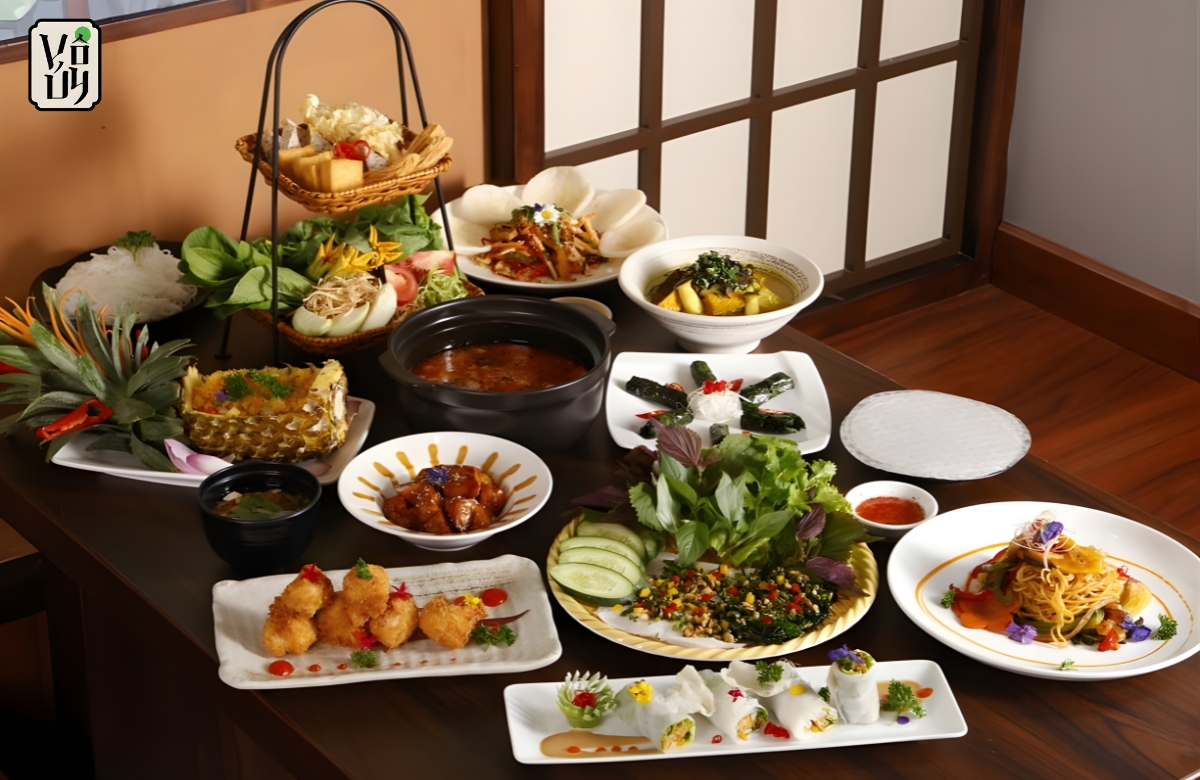
What Is a Vegetarian Diet? What Does It Mean to Eat Vegetarian the Right Way?
Eating vegetarian the right way means creating a balanced, nutritionally complete meal plan. Every meal should include carbohydrates, plant-based protein, healthy fats, fresh vegetables, and fruit. Foods rich in vitamin C should also be included to improve iron absorption and help maintain overall health.
Common Types of Vegetarian Diets
Today, the two most common forms of vegetarian eating are full-time vegetarianism and periodic vegetarianism. Each approach has its own purpose and suits different lifestyles and personal beliefs. So, what are the differences between these two methods? Let’s explore them together with Vô Úy Vegetarian Restaurant.
Full-Time Vegetarian Diet
A full-time vegetarian diet, also known as lifelong vegetarianism, involves following a vegetarian lifestyle every day over an extended period, often for life. Those who practise this form of vegetarianism completely eliminate meat, fish, and all animal-derived foods from their meals.
Many Buddhists, monastics, and people pursuing a healthier lifestyle choose full-time vegetarianism to cultivate compassion while protecting their health. This approach requires commitment and a good understanding of nutrition to ensure the body receives all essential nutrients.
Periodic Vegetarian Diet
A periodic vegetarian diet involves eating vegetarian meals only on specific days each month or year. Outside these periods, individuals return to their usual eating habits. The number of vegetarian days depends on personal circumstances and spiritual commitment.
Some of the most common forms of periodic vegetarianism include:
- Nhị Trai: Two vegetarian days each month, usually on the first day and the full moon day of the lunar month.
- Tứ Trai: Four vegetarian days each month, observed on the 1st, 14th, 15th, and 30th days of the lunar calendar.
- Lục Trai: Six vegetarian days each month, observed on the 1st, 8th, 14th, 15th, 23rd, and 30th lunar days.
- Thập Trai: Ten vegetarian days each month, including the six days above plus the 18th, 24th, 28th, and 29th lunar days (or the 27th and 28th during shorter lunar months).
- Nguyệt Trai: Following a vegetarian diet for an entire lunar month or several consecutive months according to one’s personal vow.
Overall, periodic vegetarianism is easier for beginners because it does not require an immediate and permanent change in eating habits. It is an ideal option for those who wish to practise vegetarianism flexibly while preserving its spiritual significance and health benefits.

Common Types of Vegetarian Diets
Why More People Are Choosing to Eat Vegetarian the Right Way
Vegetarianism has become increasingly popular around the world. Many people choose a plant-based lifestyle not only because of personal taste but also because of its ethical values and long-term health benefits. Below are two of the main reasons why more people are adopting vegetarian diets.
The Ethical Values of a Vegan Lifestyle
Many people choose a vegan lifestyle because they care deeply about animal welfare and environmental protection. They oppose the slaughter of animals for food and hope to reduce the suffering of living beings.
In addition, livestock farming requires vast amounts of land and produces significant greenhouse gas emissions that affect water resources and contribute to climate change. For these reasons, vegetarian eating is often viewed as a compassionate and environmentally responsible lifestyle.
The Health Benefits of Plant-Based Foods
Many people believe that following a well-balanced vegetarian diet improves overall health. A plant-based diet may help reduce the risk of chronic conditions such as high blood pressure, diabetes, obesity, and cardiovascular disease. Vegetarian foods are naturally rich in vitamins, minerals, and dietary fibre, helping support detoxification, improve skin health, and slow the ageing process. Many vegetarians also report feeling calmer, lighter, and more positive in their daily lives.
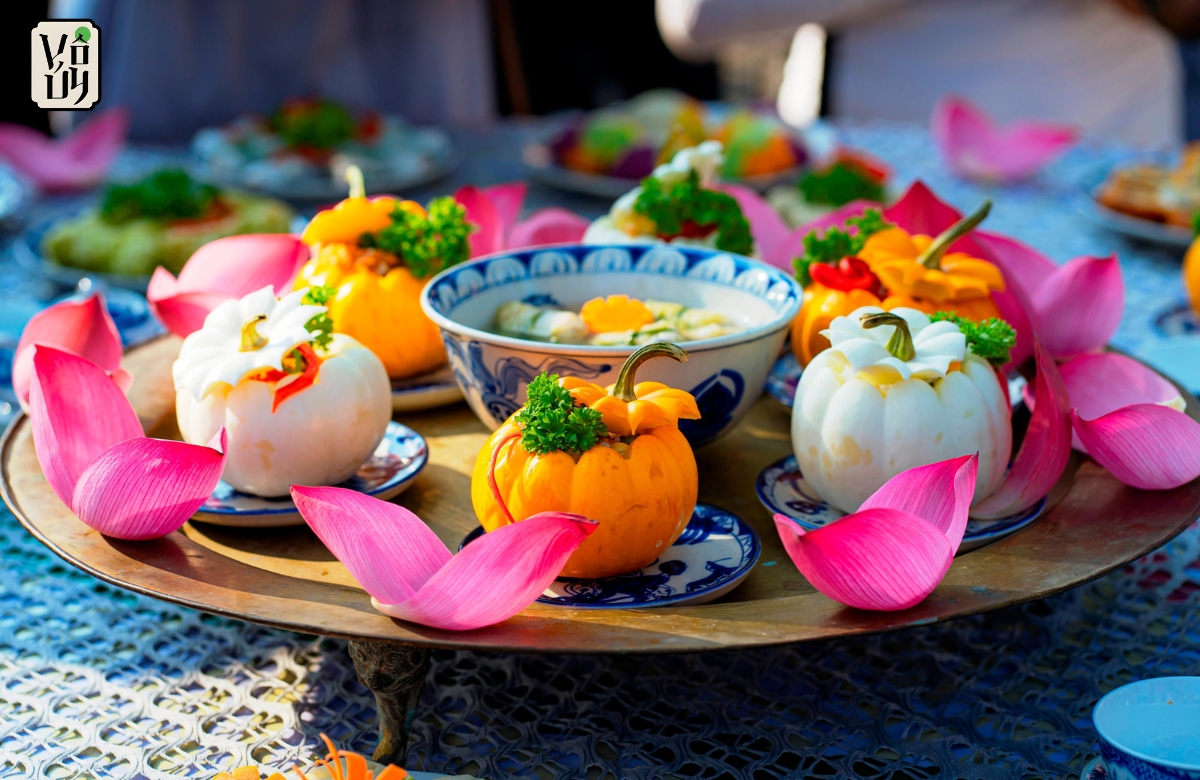
Why More People Are Choosing to Eat Vegetarian the Right Way
Overall, vegetarianism continues to grow in popularity because it supports both ethical values and long-term health. When planned properly, a vegetarian diet can become a sustainable and rewarding lifestyle.
How to Follow a Vegetarian Diet According to Buddhism
In Buddhism, vegetarian eating is more than simply a dietary habit. It forms part of Buddhist precepts that cultivate compassion and support spiritual practice. If you wish to follow this tradition correctly, consider these fundamental principles:
- Avoid meat and animal-derived products: Eliminate meat, fish, poultry, eggs, and dairy products to respect life and reduce suffering for all living beings.
- Limit foods prohibited by certain Buddhist traditions: Some schools of Buddhism also avoid onions, garlic, and other strongly flavoured vegetables to help maintain mental clarity and inner peace.
- Avoid alcohol and intoxicants: Refrain from alcohol, tobacco, and recreational drugs to protect your health and maintain a peaceful, mindful state.
- Do not eat spoiled or contaminated food: Consume only fresh, wholesome foods to ensure both physical health and food safety.
- Practise gratitude and respect for food: Eat mindfully, avoid waste, and appreciate the effort involved in producing every meal.
- Eat with compassion: Follow a vegetarian lifestyle with kindness, avoid harming living beings, and support practices that protect both animals and the environment.
Eating vegetarian meals every day can help the body feel lighter and healthier. More importantly, Buddhist vegetarianism encourages compassion, responsibility toward the environment, and respect for all living beings. When practised sincerely, vegetarian eating supports both physical wellbeing and inner peace, allowing every meal to become an act of mindfulness and kindness.
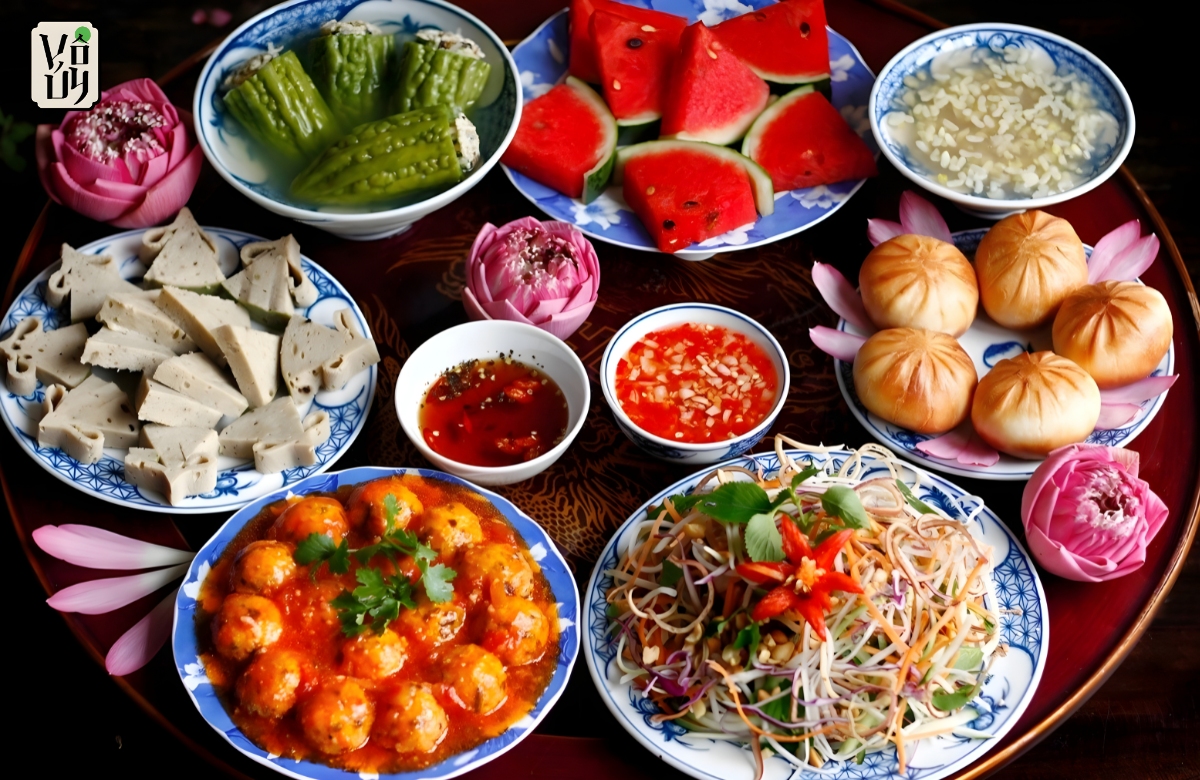
How to Follow a Vegetarian Diet According to Buddhism
Important Tips for People Following a Vegetarian Diet
A vegetarian diet offers many health benefits, but if it is not properly planned, it may lead to nutritional deficiencies or digestive issues. To maintain good health and balanced nutrition, keep the following recommendations in mind:
- Transition gradually: Avoid eliminating meat and animal products too suddenly. Reduce them gradually to give your body time to adjust.
- Eat a wide variety of foods: Combine vegetables, whole grains, legumes, beans, nuts, and seeds to ensure adequate energy and nutrition.
- Pay attention to key nutrients: Ensure sufficient intake of plant-based protein, vitamin B12, vitamin D, iron, zinc, and omega-3 fatty acids, as these nutrients can be more difficult to obtain from a vegetarian diet.
- Balance dairy products and eggs appropriately: If you follow a lacto-ovo vegetarian diet, consume dairy products and eggs in moderation to maintain nutritional balance.
- Manage carbohydrate intake: Eat an appropriate amount of carbohydrates each day and avoid excessive consumption that may negatively affect your health.
A vegetarian diet is an excellent choice for both physical health and mental wellbeing, but it should always be planned carefully to avoid nutritional deficiencies. By maintaining a balanced diet and ensuring adequate nutrient intake, you can enjoy a healthy, sustainable, and meaningful vegetarian lifestyle.
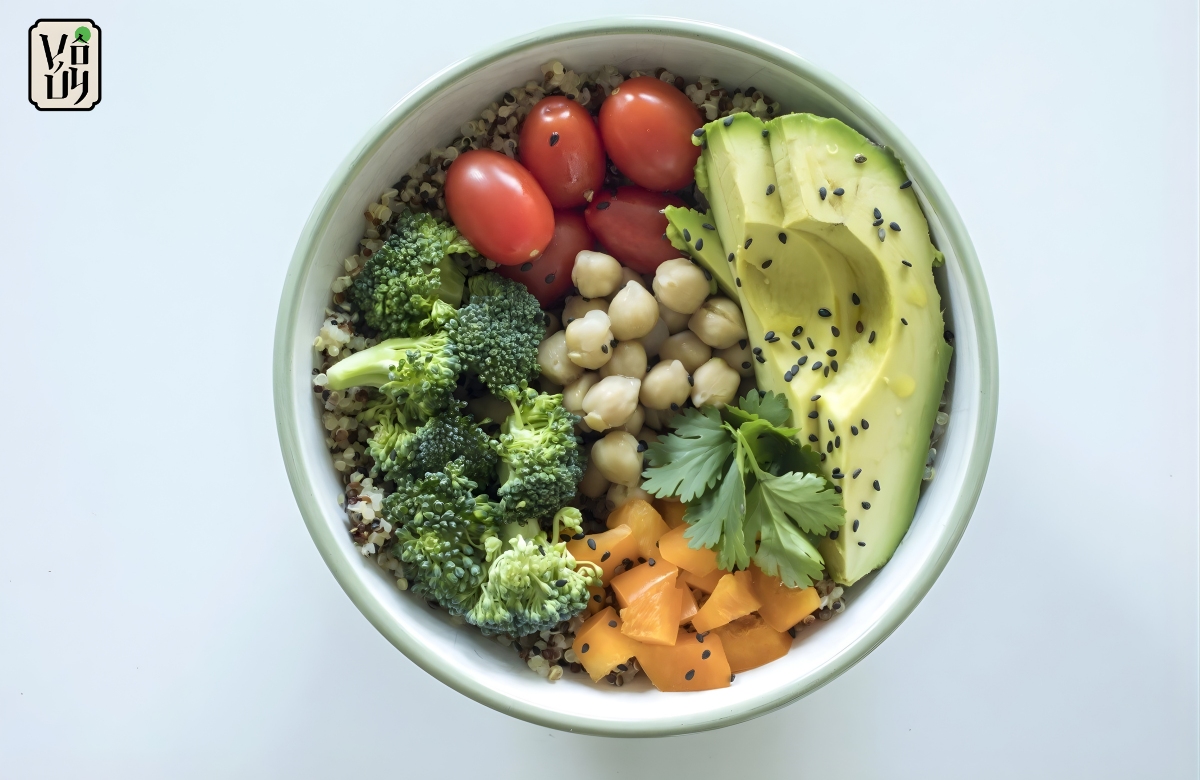
Important Tips for People Following a Vegetarian Diet
Frequently Asked Questions
Can Pregnant Women Follow a Vegetarian Diet?
Yes. Pregnant women can safely follow a vegetarian diet and maintain a healthy pregnancy when their meals are carefully planned. It is important to consume adequate protein, iron, calcium, vitamin B12, and folic acid to support healthy fetal development. Expectant mothers should also consult their healthcare provider early in pregnancy for personalised nutritional advice.
Can Children Follow a Vegetarian Diet?
Yes. Children can follow a vegetarian diet if their meals are balanced and nutritionally complete. Their diet should provide sufficient energy, protein, iron, zinc, calcium, and essential vitamins to support healthy growth and development. Parents are encouraged to seek advice from a registered dietitian or nutrition professional to ensure their children receive adequate nutrition.
Can Older Adults Follow a Vegetarian Diet?
Yes. Older adults can benefit from a well-planned vegetarian diet. High-fibre plant-based foods support healthy digestion, reduce constipation, and promote heart health. Seniors should prioritise easily digestible plant proteins such as tofu, legumes, beans, and nuts to ensure they continue meeting their nutritional needs.
Conclusion
Following a vegetarian the right way can provide significant health benefits at every stage of life. However, it is important to create a meal plan that supplies all the essential nutrients your body requires. If you’d like to experience a wide variety of delicious vegetarian dishes in a warm and elegant setting, visit Vô Úy Vegetarian Restaurant at 47 Street No. 3, CityLand Park Hills Residential Area, Go Vap Ward, Ho Chi Minh City, and discover refined Vietnamese vegetarian cuisine prepared with care and balance.