

 0902 353 527
  cskh@nhahangvouy.com

What Is a Vegan Diet and Should You Follow One?
Vegan eating and plant-based eating both reduce or eliminate animal-derived products. However, depending on personal needs, beliefs, and lifestyle preferences, each person may choose a different vegetarian diet. So, what is a vegan diet, and how does it differ from a plant-based diet? Join Vô Úy Vegetarian Restaurant as we explore these questions in the article below.
What Is a Vegan Diet?
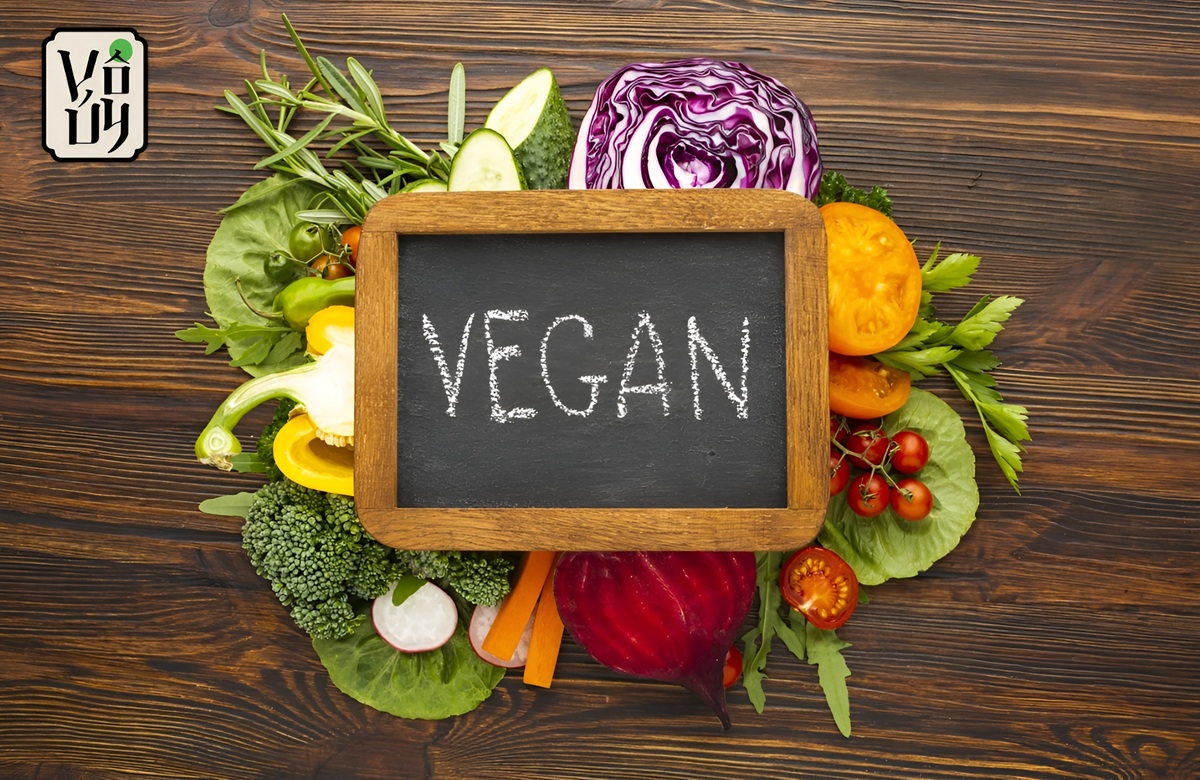
A vegan diet is an eating pattern that completely excludes foods derived from animals. People following this diet consume only plant-based foods such as vegetables, fruits, grains, legumes, nuts, seeds, and products made from plant ingredients.
In a vegan diet, foods such as meat, fish, eggs, dairy products, honey, and all products derived from or produced by animals are excluded. This ensures that the diet is based entirely on plant foods.
What Is a Vegan Diet?
For many people, veganism extends beyond food. Those who follow a vegan lifestyle may also try to minimise the use of products associated with animals. For example, they often avoid clothing made from leather, fur, or feathers, as well as products tested on animals.
Differences Between a Vegan Diet and a Plant-Based Diet
Many people confuse a vegan diet with a plant-based diet because both focus mainly on foods derived from plants. However, there are still several important differences between the two. The comparison below will help you understand them more clearly.
| Criteria | Vegan Diet | Plant-Based Diet |
|---|---|---|
| Animal-derived foods | Excludes all foods derived from animals | Focuses mainly on plant foods, although some people may still consume small amounts of animal-derived products |
| Scope | Often associated with a broader lifestyle and ethical beliefs | Primarily focuses on eating habits |
| Animal-derived products outside food | Usually avoided, including leather and fur | Avoiding these products is not required |
Simply put, a vegan diet is generally stricter, while a plant-based diet is more flexible and often focuses more heavily on health benefits.
You can learn more about the differences between vegetarian diets and long-term vegetarian eating in the article: What Is Long-Term Vegetarianism? Differences Between Vegetarian, Long-Term Vegetarian, and Vegan Diets.
Health Benefits of a Vegan Diet
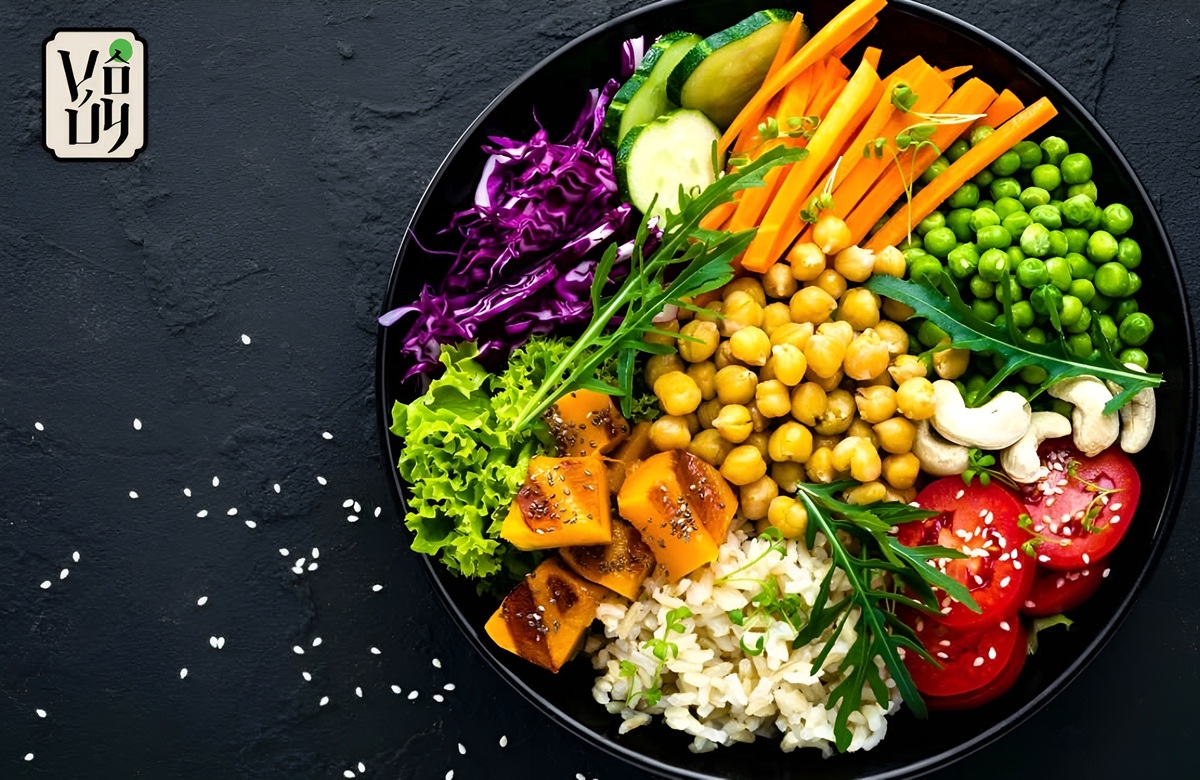
According to Verywell Health, building a diet around plant-based foods can provide many vitamins, minerals, and beneficial nutrients. When properly planned, a vegan diet may improve overall health and support the prevention of certain chronic conditions.
Some potential benefits of following a vegan diet include:
- Supports weight management: Plant-based foods are often lower in calories, which may help control overall energy intake.
- Supports blood sugar control: Fibre-rich foods may help stabilise blood glucose levels.
- Improves heart health: Vegan diets are often lower in saturated fat and sodium.
- May reduce the risk of certain cancers: Plant foods contain antioxidants that help protect cells.
- May ease arthritis symptoms: Some people report improvements in arthritis-related discomfort.
- May reduce the risk of declining kidney function: A plant-based diet may help reduce pressure on the kidneys.
- Supports brain health: Nutrients from plant foods may help protect nerve cells.
- May reduce the risk of high blood pressure: Plant foods are rich in potassium and fibre, which may support healthy blood pressure.
When you build a varied and balanced vegan menu, this diet can offer several health benefits. Overall health may also improve when vegan eating is combined with regular exercise and a healthy lifestyle.
Health Benefits of a Vegan Diet
Limitations to Consider When Following a Vegan Diet
According to a survey by the Vegetarian Resource Group, around 46% of participants said they always or sometimes choose vegetarian meals when dining out because they believe this way of eating is healthier. In practice, a vegan diet can offer many benefits when it is planned properly.
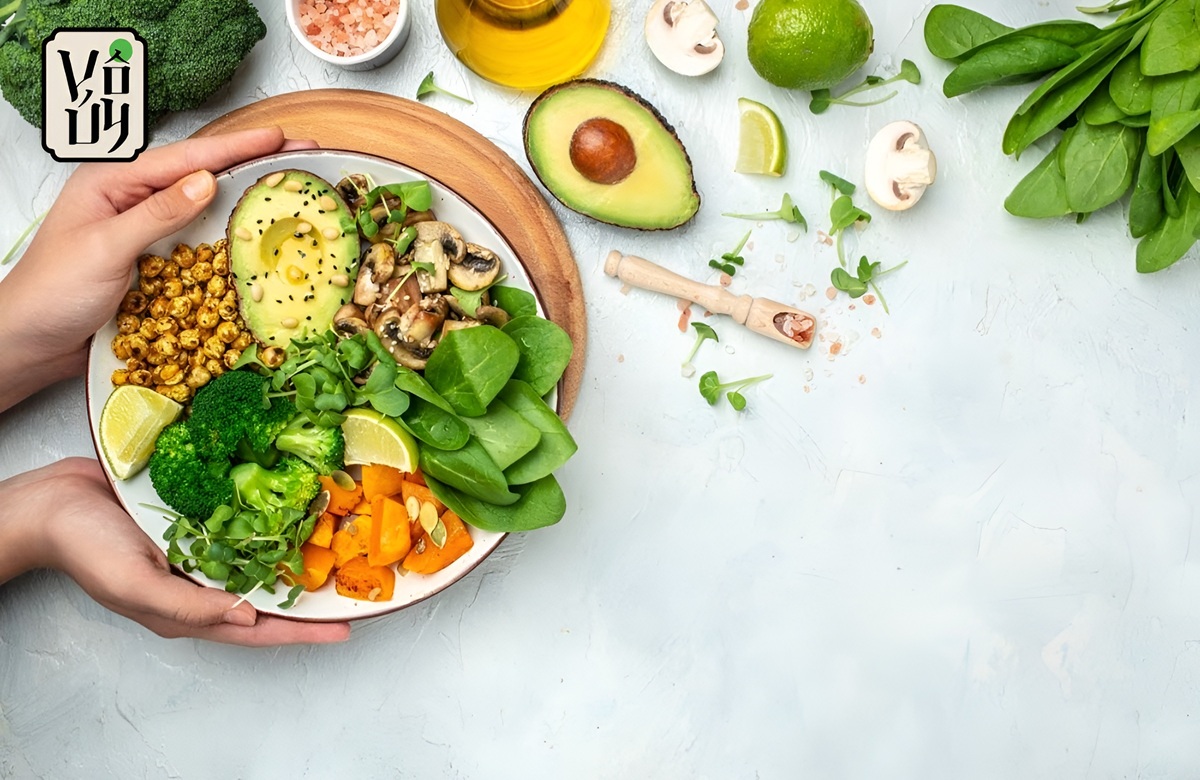
However, some recent studies also suggest that following an overly restrictive vegan diet may involve certain risks. If the diet is not well balanced, the body may lack important nutrients, which can affect overall health. For this reason, people following a vegan diet should choose high-quality foods and supplement nutrients appropriately to ensure that their bodies receive everything they need.
Limitations to Consider When Following a Vegan Diet
Should You Follow a Vegan Diet?
Whether you should follow a vegan diet depends on your health needs, nutritional goals, and lifestyle. When planned scientifically, this diet can offer many benefits. It provides plenty of fibre, vitamins, and minerals from plant foods, which may support digestion and improve overall health.
However, to maintain the diet over the long term, it is important to ensure variety in daily meals. An unbalanced diet can lead to nutritional deficiencies, particularly in essential nutrients such as vitamin B12, iron, calcium, and omega-3 fatty acids.
If you find it difficult to build a suitable eating plan, consider consulting a qualified nutrition professional. This can help ensure that your meals meet your health needs while also matching your body condition and personal lifestyle.
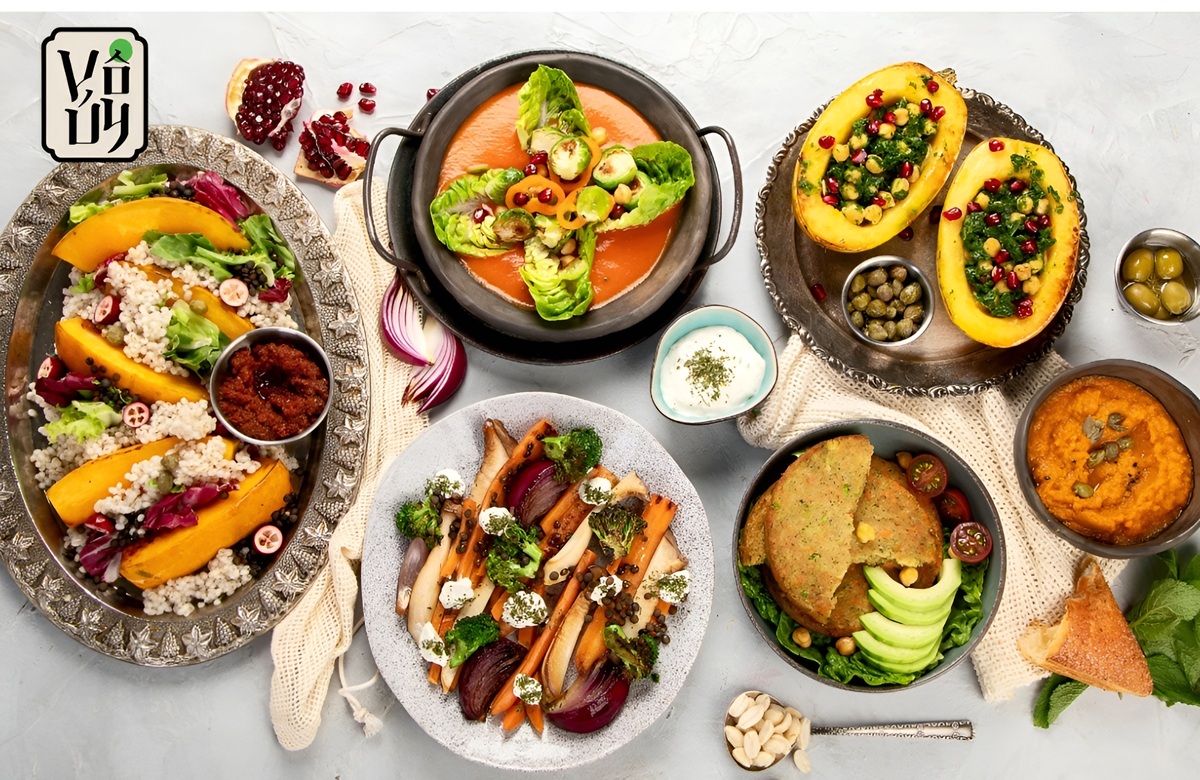
Should You Follow a Vegan Diet?
Tips for Following a Vegan Diet Properly
To gain the health benefits of a vegan diet, you should build a balanced menu that includes a wide variety of foods. Choosing the right ingredients and supplementing nutrients when necessary can help your body receive adequate nutrition.
Some useful tips for maintaining a nutritionally balanced vegan diet include:
- Eat a wide variety of foods, including legumes, nuts, whole grains, vegetables, and fruits, to provide a broad range of nutrients.
- Supplement essential nutrients when needed, such as fortified plant milk, vitamin B12, vitamin D, iodine, or iron.
- Have regular health checks to monitor your nutritional status and detect possible deficiencies early.
- Limit vegan fast food because it is often highly processed and may contain large amounts of salt, sugar, or fat.
Overall, when followed correctly, a vegan diet can provide many benefits and support a healthier lifestyle.
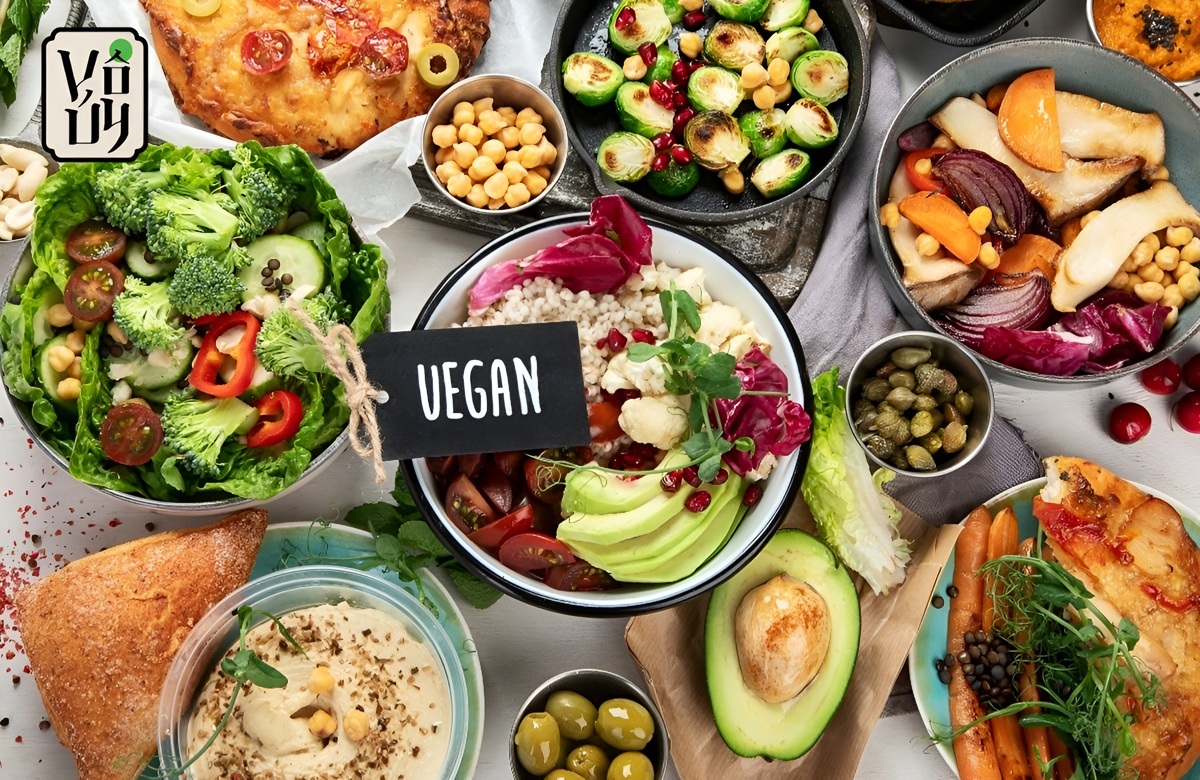
Tips for Following a Vegan Diet Properly
Frequently Asked Questions About Vegetarian Eating
Where Can Vegetarians Get Protein?
Vegetarians can obtain protein from foods such as legumes, tofu, lentils, nuts, whole grains, and soy-based products. By combining several different plant-based protein sources, the body can still receive enough protein to maintain good health.
Can a Vegetarian Diet Help With Weight Loss?
A vegetarian diet may support weight loss because many plant foods are low in calories but high in fibre, helping you feel full for longer. However, weight-loss results also depend on how the meal plan is designed and on each person’s daily habits.
How Should Beginners Start Eating Vegetarian Food?
Beginners should make the transition gradually. You can start by increasing the amount of vegetables in your daily meals while slowly reducing foods derived from animals. This gives your body more time to adapt.
Do Vegetarians Need to Avoid All Oils and Fats?
Vegetarians do not need to remove all oils and fats from their diet. However, they should prioritise healthier fat sources such as vegetable oils, nuts, seeds, and avocado to support heart health and overall well-being.
Can Vegetarian Eating Improve Digestion?
Many plant-based foods contain high levels of fibre, which can support healthy digestion. However, beginners should increase their fibre intake gradually so the body has time to adapt and to reduce the risk of bloating or indigestion.
Conclusion
Through this article, you now have a clearer understanding of what a vegan diet is and how it differs from a plant-based diet. When properly planned, vegan eating can provide the body with a wide range of plant-based nutrients while also encouraging a healthier lifestyle.
If you are looking for a warm and inviting place to enjoy delicious vegetarian food at the weekend, you can visit Vô Úy Vegetarian Restaurant. The restaurant is located at 47 Street No. 3, CityLand Park Hills Residential Area, Go Vap Ward, Ho Chi Minh City. Here, you can enjoy a wide variety of carefully prepared vegetarian dishes with light yet rich and satisfying flavours.