

 0902 353 527
  cskh@nhahangvouy.com

Can Vegetarians Eat Garlic? Health and Buddhist Views
Can vegetarians eat garlic? This is a common question among people beginning a vegetarian diet, especially those who follow it for health or religious reasons. In practice, whether garlic is consumed depends on each person’s purpose for becoming vegetarian and their individual beliefs. In this article, Vô Úy Vegetarian Restaurant will provide the essential information you need to understand whether vegetarians can eat garlic.
Can Vegetarians Eat Garlic?
To answer the question, “Can vegetarians eat garlic?”, it is important to understand that people choose vegetarianism for different reasons. Some become vegetarian to improve their health, some because of their food preferences, while many others follow this diet for religious or spiritual reasons. Therefore, whether garlic can be eaten depends on each person’s purpose for following a vegetarian diet.
Vegetarianism for Health
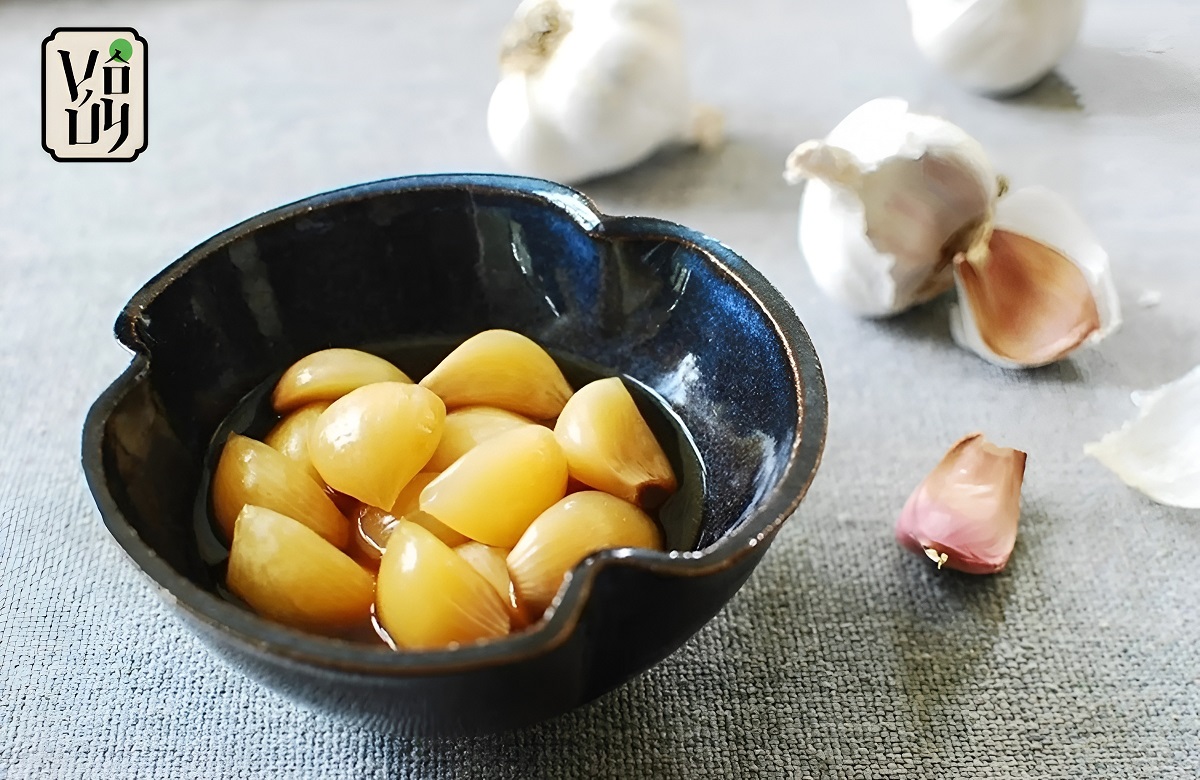
For people who follow a vegetarian diet to improve their health or simply prioritize plant-based foods, garlic can be included in daily meals. It is a plant-based food and therefore complies with the basic principles of a vegetarian diet.
Furthermore, garlic is highly valued for its beneficial nutrients and important bioactive compounds, which help strengthen the immune system, support cardiovascular health, and contribute to overall well-being. Therefore, adding garlic to the diet is generally considered a good choice in this case.
Can Vegetarians Eat Garlic?
Buddhist Vegetarianism
For people who follow a vegetarian diet based on Buddhist beliefs, the use of garlic is often considered more carefully. In Buddhist teachings, garlic, scallions, chives, pearl onions, and Chinese onions belong to the group known as the “five pungent spices.” These strongly flavored ingredients are believed to stimulate emotions and desires and affect purity during spiritual practice. For this reason, many practitioners and Buddhists who observe the precepts avoid garlic to keep their bodies and minds peaceful and pure and prevent mental disturbance during their practice.

Buddhist Vegetarianism
Vegetarianism in Other Religions
Apart from Buddhism, most other religions do not have strict rules against garlic or similar strongly scented spices. Therefore, if you follow a vegetarian diet for other religious reasons, such as Catholicism or Islam, garlic is generally not considered a food that must be avoided. However, to ensure your diet complies with your religious beliefs and rules, you should still consult specific guidance from your place of worship or a qualified religious authority.
In summary, whether vegetarians can eat garlic depends on their reason for following a vegetarian diet and their religious beliefs. If you are vegetarian for health reasons or follow a standard plant-based diet, garlic can be consumed. Conversely, if you follow Buddhist dietary precepts, especially as a long-term vegetarian or during spiritual practice, avoiding garlic is generally recommended to maintain purity.
Nutritional Components of Garlic
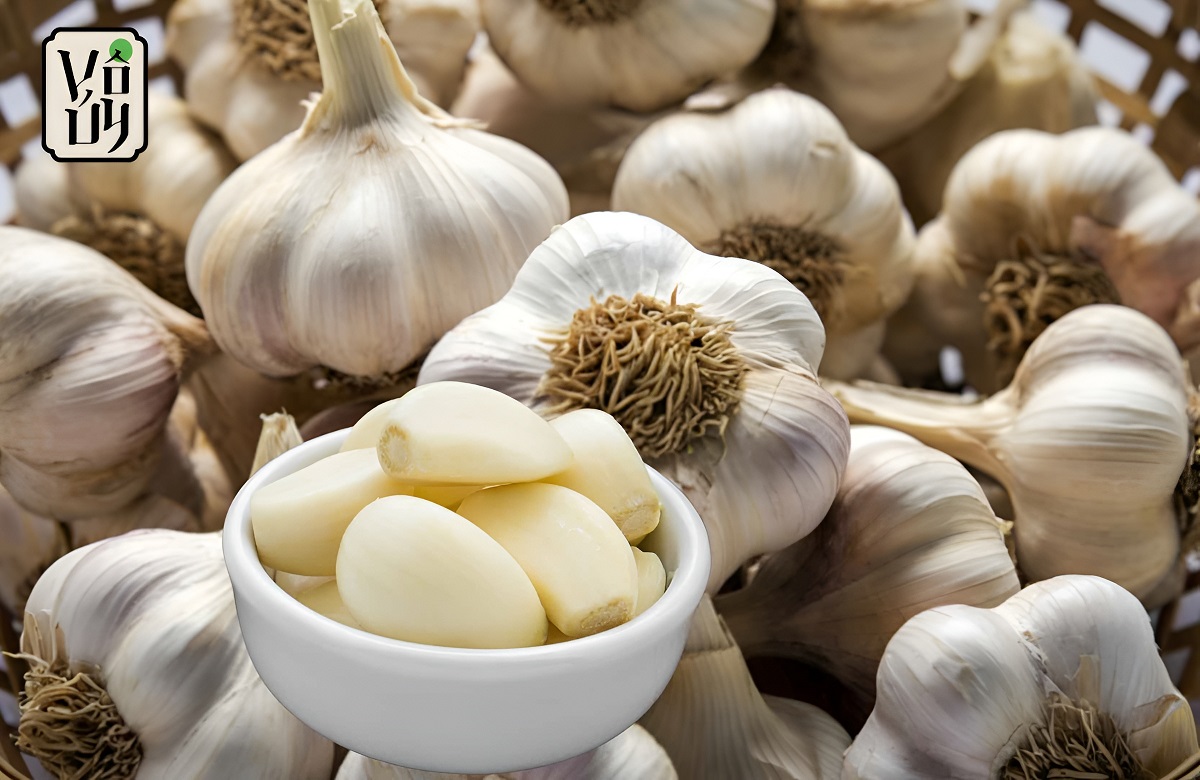
Garlic is a nutritious food that offers many health benefits. According to research, 100 grams of garlic contains approximately 6.36 grams of protein, 33 grams of carbohydrates, and about 150 calories. Garlic also provides many important micronutrients, including B vitamins such as B1, B2, B3, and B6, along with essential minerals such as iron, calcium, potassium, manganese, magnesium, phosphorus, and many other nutrients.
Garlic’s particular value comes from the presence of organic sulfur compounds and glycosides. It is also a rich source of germanium and selenium. Notably, the germanium content in garlic has been recorded as higher than that of several valuable medicinal ingredients, including ginseng, green tea, and black tea.
Nutritional Components of Garlic
Most of garlic’s notable benefits come from allicin, an important active compound formed only when fresh garlic is chopped, crushed, or minced. This process activates natural enzymes in garlic, converting the precursor alliin into allicin, which is considered the main compound responsible for many of garlic’s biological benefits.
When Can Buddhists Eat Garlic and Other Spices?
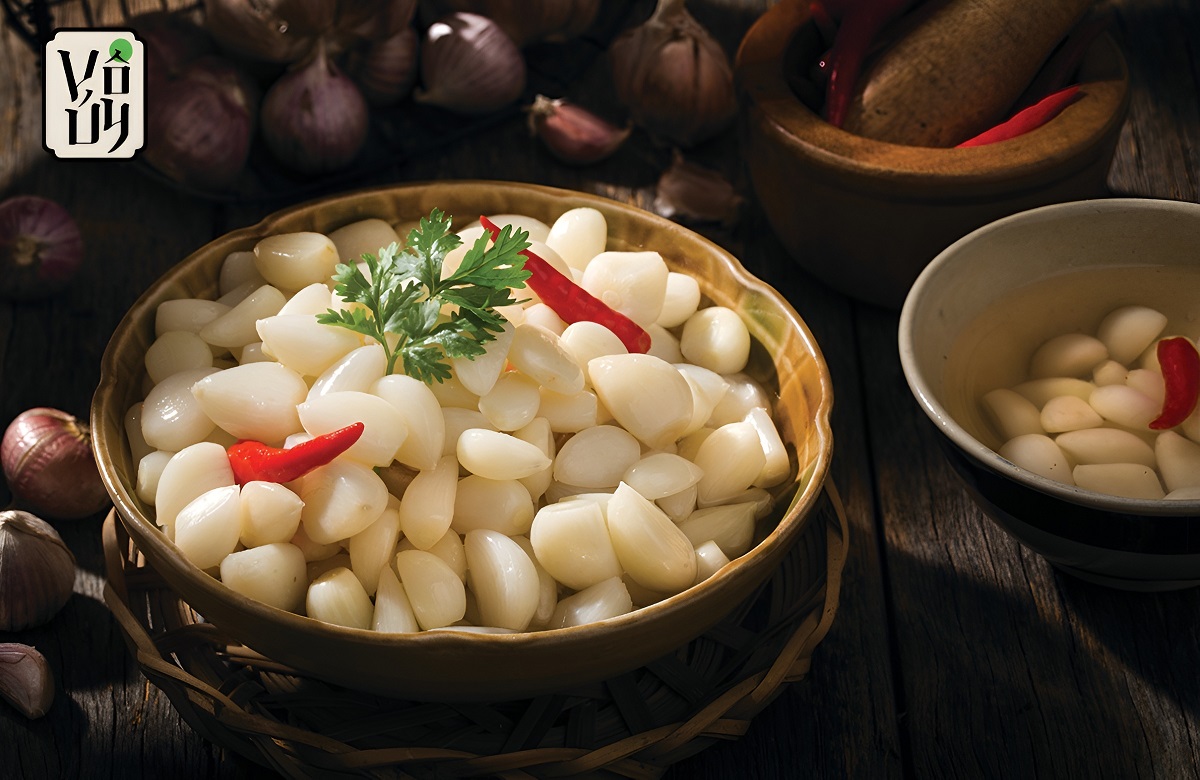
According to Buddhist beliefs, garlic, scallions, chives, pearl onions, and Chinese onions belong to the five pungent spices, which practitioners are generally advised to limit to maintain a pure mind. However, Buddhists may still consume these spices in certain special circumstances.
Specifically, garlic and the other five pungent spices may be consumed in appropriate amounts when used to help prevent or treat illness. According to several modern medical studies, garlic contains compounds that are beneficial to health, particularly those that support the immune system and cardiovascular health.
When Can Buddhists Eat Garlic and Other Spices?
For Buddhist practitioners, certain Buddhist records also permit the use of the five pungent spices during medical treatment, but only temporarily. Once their health has stabilized, practitioners should return to their previous restricted diet to continue their spiritual practice.
This belief also varies among different Buddhist traditions. In Vajrayana Buddhism, avoiding the five pungent spices is generally considered a strict requirement, especially for practitioners who regularly recite mantras. In Exoteric Buddhism, the rules are often more flexible and do not always impose a complete prohibition.
In summary, Buddhists may consume garlic and the other five pungent spices when necessary to protect or restore their health. During everyday spiritual practice, however, their use depends on the precepts and Buddhist tradition being followed.
Health Benefits of Garlic
Garlic is a nutritious food that provides many health benefits. It contains protein, carbohydrates, B vitamins, and essential minerals such as iron, calcium, potassium, magnesium, and manganese. Garlic’s most notable benefits primarily come from allicin, an active compound formed when garlic is chopped or crushed.
Supports Weight Management
Some studies suggest that the active compounds in garlic may support fat metabolism, thereby contributing to more effective weight management when combined with a balanced diet and regular exercise.
Supports Cardiovascular Health
Garlic is known for its potential to help reduce bad cholesterol (LDL), improve blood lipid levels, and stabilize blood pressure. Therefore, adding garlic to the diet may help reduce the risk of cardiovascular disease and atherosclerosis. However, these benefits are generally supportive and cannot replace prescribed medication.

Health Benefits of Garlic
Supports Blood Sugar Control
Some evidence suggests that garlic may help slightly reduce blood sugar levels, which may be particularly beneficial for people who need to manage their blood sugar or blood lipid levels.
Supports Heavy Metal Detoxification
Some previous studies have found that garlic may help reduce symptoms associated with lead poisoning and support the body’s removal of lead.
May Help Prevent Cancer
The antioxidants and sulfur-containing compounds in garlic may help protect cells from the effects of free radicals. Some studies suggest that garlic may help reduce the risk of certain cancers, particularly gastrointestinal cancers. However, current evidence is not strong enough to confirm that garlic can treat cancer.
Conclusion
Hopefully, the information above has helped you understand whether vegetarians can eat garlic and the health benefits that garlic may provide. If you are looking for a peaceful and carefully managed restaurant serving light vegetarian cuisine, Vô Úy Vegetarian Restaurant is worth considering, with its thoughtfully prepared menu and dedicated, professional service.