

 0902 353 527
  cskh@nhahangvouy.com

Which Foods Contain Plant Protein? Top Vegan Sources
Plant protein is increasingly chosen for its benefits to cardiovascular health, body shape, and long-term well-being. Besides being suitable for vegetarians, plant-based protein is also a healthy nutritional option for many people. Join Vô Úy Vegetarian Restaurant as we explore a list of plant protein-rich foods and learn how to add protein effectively to your daily diet.
What Is Plant Protein? Plant vs. Animal Protein
Plant protein is protein derived from plants and plays an important role in maintaining and developing the body. Compared with animal protein, plant-based protein usually contains less saturated fat and almost no cholesterol, making it a healthier option for cardiovascular health.
What Is Plant Protein? Plant vs. Animal Protein
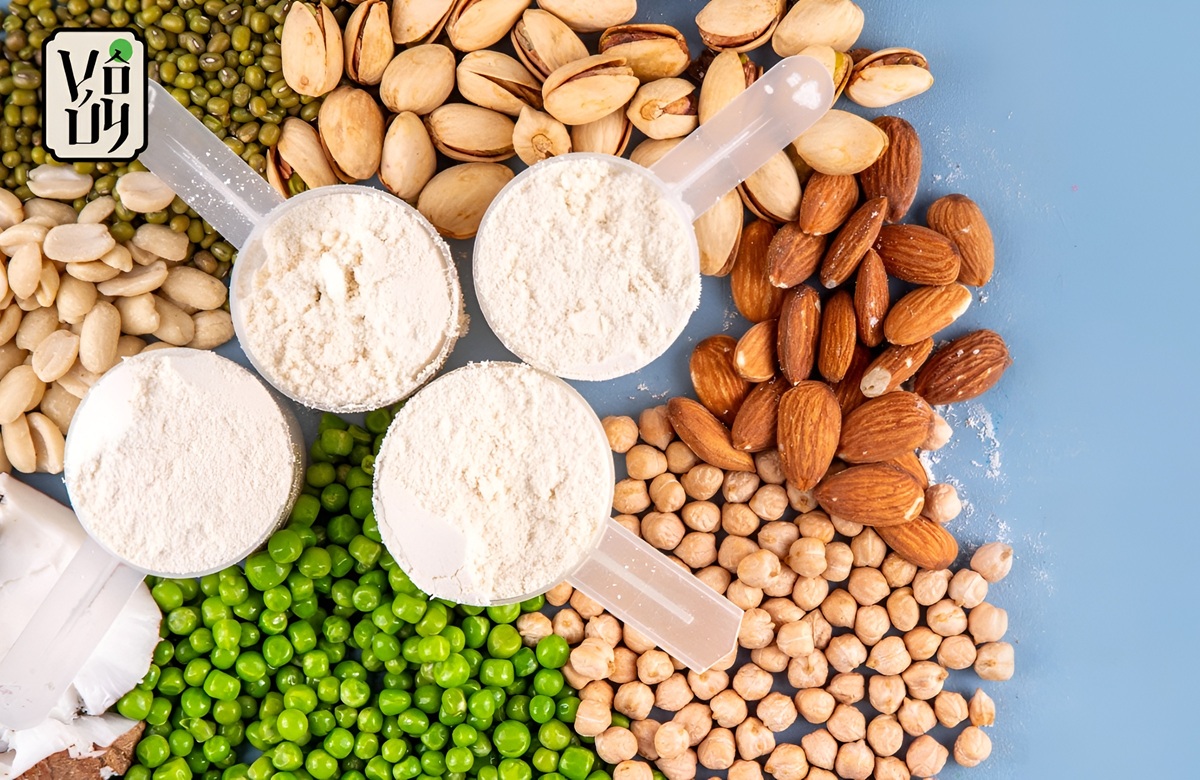
While animal protein is commonly found in meat, fish, eggs, and dairy products, plant protein is widely available in legumes, nuts, seeds, and vegetables such as soybeans, mung beans, tofu, sesame seeds, oats, chia seeds, and leafy vegetables. Maintaining an appropriate balance between plant and animal protein in your daily diet not only provides the body with essential nutrients but also contributes to overall health and healthier eating habits.
Health Benefits of Plant Protein
Plant protein provides many health benefits and is becoming increasingly popular in modern diets. According to information from experts, plant-based protein may help reduce bad cholesterol in the blood. As a result, it can help lower the risk of cardiovascular diseases and support a healthier cardiovascular system.
A diet rich in plant protein also provides the body with plenty of essential fiber, vitamins, and minerals. Maintaining balanced eating habits with plant protein-rich foods not only improves overall health but also helps the body feel lighter, healthier, and more balanced every day.
Foods Rich in Plant Protein
Plant protein is increasingly popular because it provides the body with a healthy source of protein. Besides being suitable for vegetarians, foods rich in plant protein also provide energy, support muscle development, and help maintain overall health. Below are some plant protein-rich foods you should include in your daily diet.
Tofu, Tempeh, and Edamame
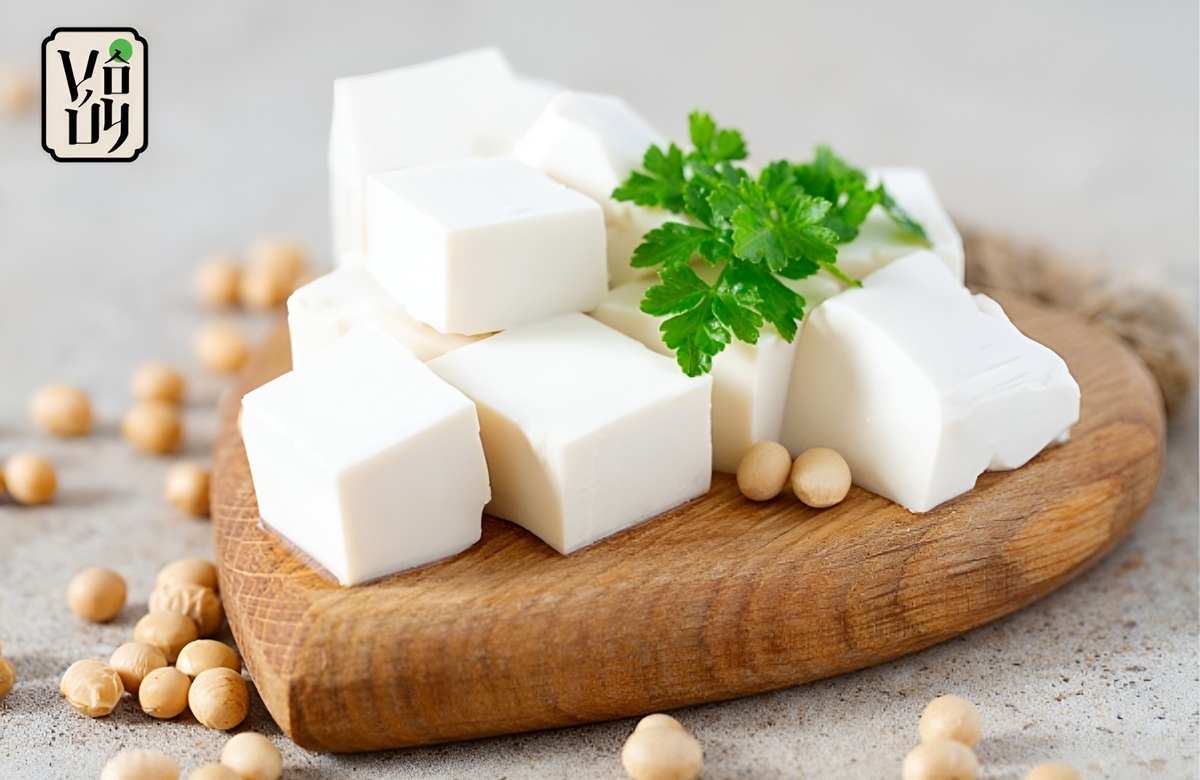
Tofu, tempeh, and edamame are rich in plant protein and extremely common in vegetarian diets. These foods also contain many essential amino acids, helping the body absorb nutrients effectively and supporting muscle development. In addition, they contain little cholesterol, making them beneficial for cardiovascular health.
Tofu, Tempeh, and Edamame
Chickpeas and Other Legumes
Chickpeas, kidney beans, black beans, and white beans provide the body with abundant protein and fiber. Adding legumes to your daily menu helps you feel full for longer and supports better digestive function. They are also a popular source of plant protein among vegetarians.
Lentils
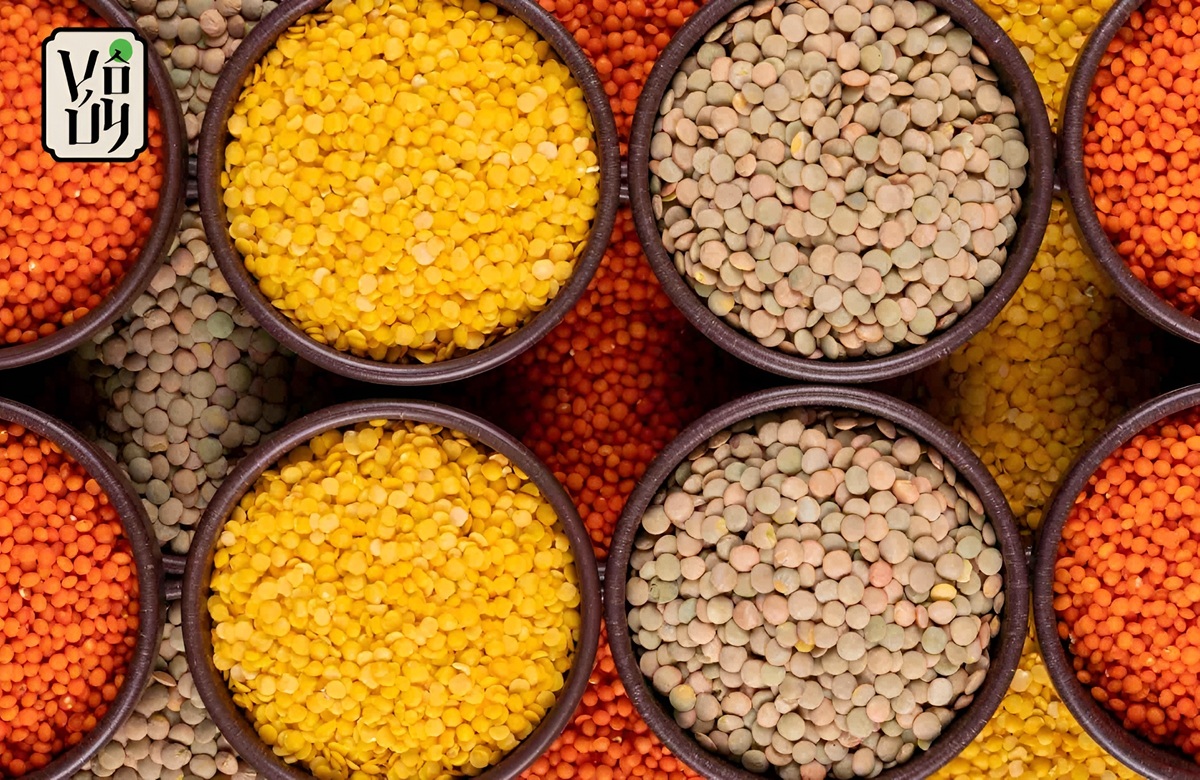
Lentils contain relatively high levels of protein and many important nutrients, including iron and folate. They provide energy, support blood cell production, and are suitable for people following a healthy diet. Lentils can also be easily prepared in many different dishes.
Lentils
Seitan
Seitan is made primarily from wheat gluten, giving it a higher protein content than many other vegetarian foods. With its chewy texture and meat-like flavor, seitan is commonly used as a substitute for animal protein in vegetarian dishes. It is a suitable choice for people who want to increase the amount of plant protein in their diet.
Chia Seeds
Chia seeds are a nutritious source of plant protein and also contain plenty of omega-3 fatty acids and beneficial fiber. Regular consumption of chia seeds may support digestion, help you feel full for longer, and improve cardiovascular health. You can combine chia seeds with yogurt, smoothies, or oats to increase their nutritional value.
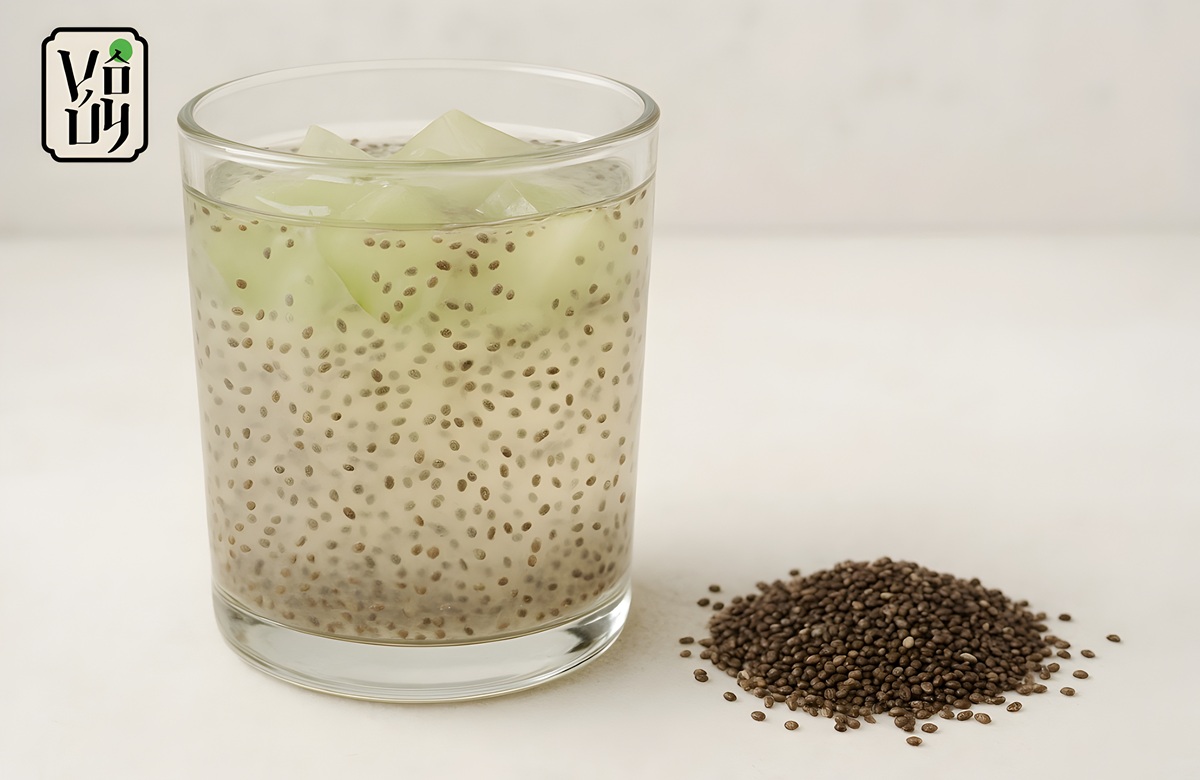
Chia Seeds
Hemp Seeds
Hemp seeds provide high-quality protein containing all the amino acids the body needs. They are also rich in healthy fats, vitamins, and minerals that support overall health. Hemp seeds can be added to salads, smoothies, or everyday healthy dishes.
Protein-Rich Vegetables
Some green vegetables also contain considerable amounts of protein and can benefit your health when regularly included in your diet. Kale provides approximately 2 g of protein per cup and is rich in antioxidants that help strengthen the immune system. Meanwhile, broccoli contains approximately 4 g of protein per stalk, while mushrooms can provide around 3 g of protein along with many essential vitamins.
Soy Milk
Soy milk is a familiar beverage that contains plenty of plant protein and little saturated fat. It is a suitable choice for vegetarians and people who want to replace dairy milk in their daily diets. In addition to protein, soy milk also provides calcium and many other beneficial nutrients.
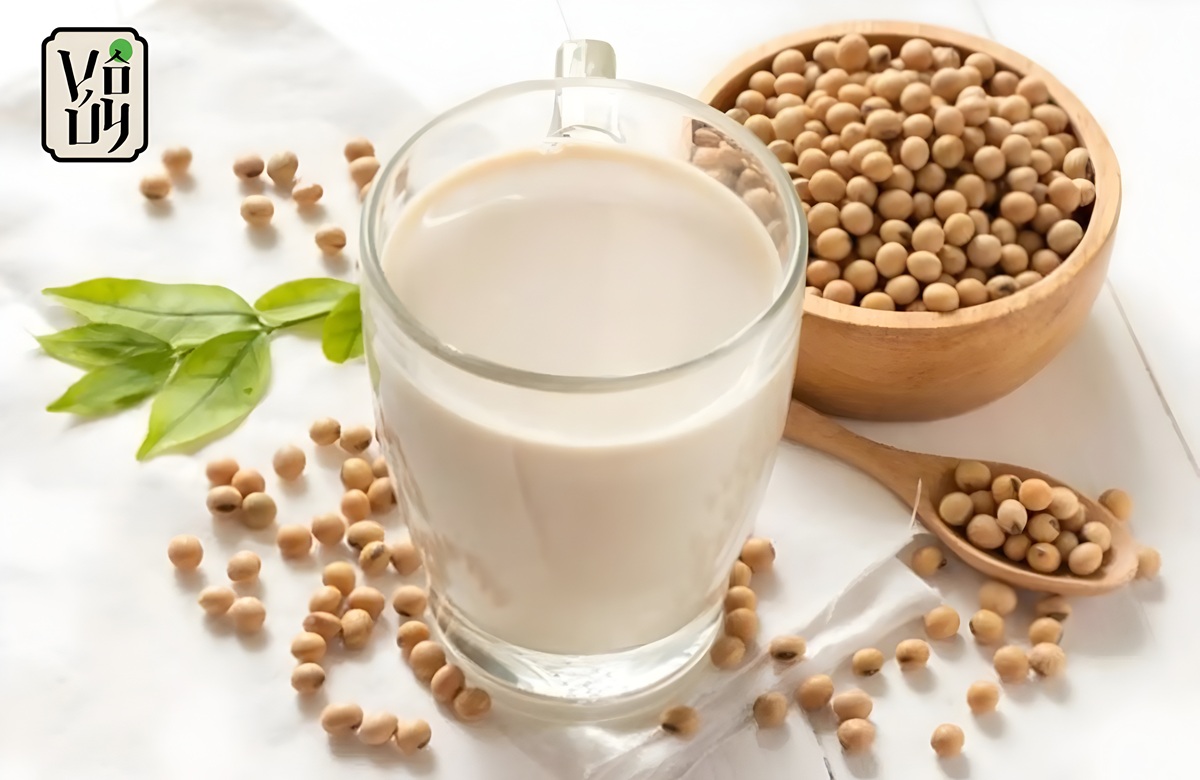
Soy Milk
Ezekiel Bread
Ezekiel bread is made from sprouted grains and seeds, giving it greater nutritional value than regular bread. It provides abundant protein and fiber, helping maintain energy and supporting a healthy digestive system. It is suitable for people following a healthy diet.
Oats
Oats are rich in plant protein and soluble fiber, making them highly beneficial to health. Regularly eating oats may help manage cholesterol levels, support digestion, and keep you full for longer. Oats are also easy to combine with other foods to create nutritious meals.
Overall, adding a diverse range of plant protein-rich foods to your daily menu will help your body obtain the essential nutrients it needs and maintain better health. Properly combining different plant protein sources also helps create a balanced and healthy diet suitable for many people.
Frequently Asked Questions About Plant Protein
Is Eating a Lot of Plant Protein Good for You?
Yes. When consumed properly, plant protein provides many health benefits. Protein from legumes, nuts, seeds, oats, soybeans, and whole grains usually comes with fiber, vitamins, minerals, and natural antioxidants. As a result, these foods may support digestive health, improve cardiovascular health, and help manage weight more effectively than consuming excessive amounts of animal protein.
However, consuming too much of one food or following an unbalanced diet may still cause deficiencies in essential nutrients such as vitamin B12, iron, or essential amino acids. Therefore, you should combine a diverse range of plant protein sources to ensure your body receives sufficient nutrition.
Read more about how to maintain a nutritionally complete vegetarian diet so you can create a varied menu and obtain sufficient nutrients while following a vegetarian diet!
Can Plant Protein Help Build Muscle?
Yes. Plant protein can support muscle growth and maintenance when consumed in sufficient amounts and combined with an appropriate exercise routine. Many gym-goers and professional athletes currently follow vegetarian or fully plant-based diets while maintaining excellent strength and muscle mass.
Foods such as soybeans, peas, lentils, chia seeds, and oats are nutritious plant protein sources that effectively support muscle growth. Distributing protein evenly across your daily meals also helps the body absorb and use it more effectively.
Should Animal Protein Be Completely Replaced with Plant Protein?
This depends on each person’s nutritional needs, physical condition, and lifestyle. Increasing the amount of plant protein in your diet generally provides several benefits, including reducing bad cholesterol, supporting cardiovascular health, and improving digestion because of its high fiber content.
However, if you follow a completely vegetarian diet for an extended period, you must obtain sufficient essential nutrients such as vitamin B12, iron, calcium, and omega-3 fatty acids to prevent nutritional deficiencies. It is best to create a varied and balanced menu so your body receives all the nutrients required for daily activities.
Conclusion
Through this article, Vô Úy has introduced the notable health benefits of plant protein and several protein-rich foods that can easily be added to your daily menu. If you are looking for a place to enjoy light and nutritious vegetarian cuisine in a warm and relaxing environment, Vô Úy Vegetarian Restaurant is worth considering. We carefully select fresh, clean ingredients and use refined preparation methods to provide flavorful and healthy vegetarian dishes suitable for many different preferences. Visit Vô Úy today and experience a peaceful vegetarian culinary journey.