


 0902 353 527
  cskh@nhahangvouy.com

2 Ways to Make Mung Bean Sticky Rice With Coconut Milk
Mung bean sticky rice is loved for its soft, chewy glutinous rice, nutty mung beans, and mildly rich coconut aroma. This dish is ideal for breakfast, full-moon day offerings, or whenever your family wants a simple and satisfying vegan meal. In this guide, Vô Úy Vegetarian Restaurant will show you how to make mung bean sticky rice using a steamer or rice cooker, along with helpful tips for evenly cooked, separate grains that do not become soggy.
An Introduction to Mung Bean Sticky Rice
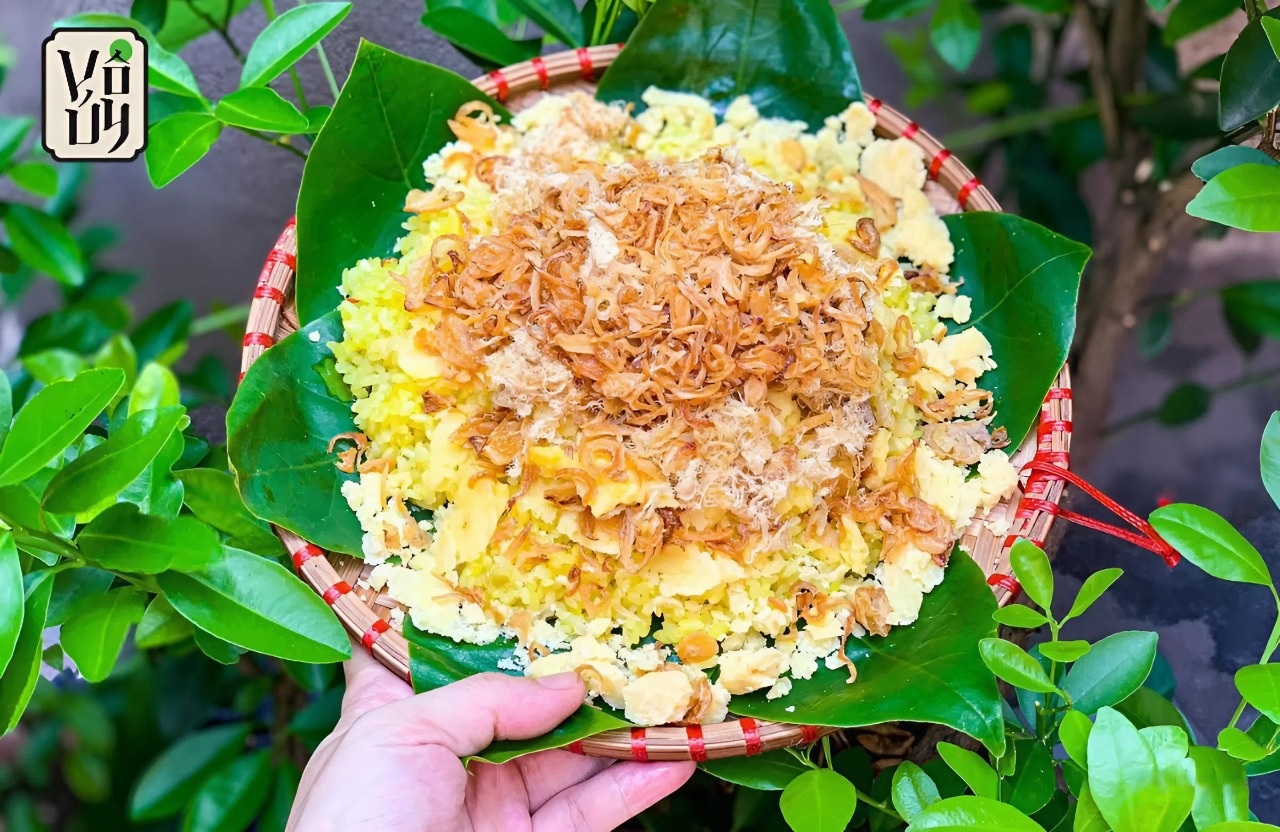
Mung bean sticky rice, known as xôi đậu xanh or xôi đỗ xanh in Vietnamese, is a traditional dish made primarily from glutinous rice and mung beans. Depending on personal preference, it can also be prepared with coconut milk, pandan leaves, shredded coconut, or sesame salt.
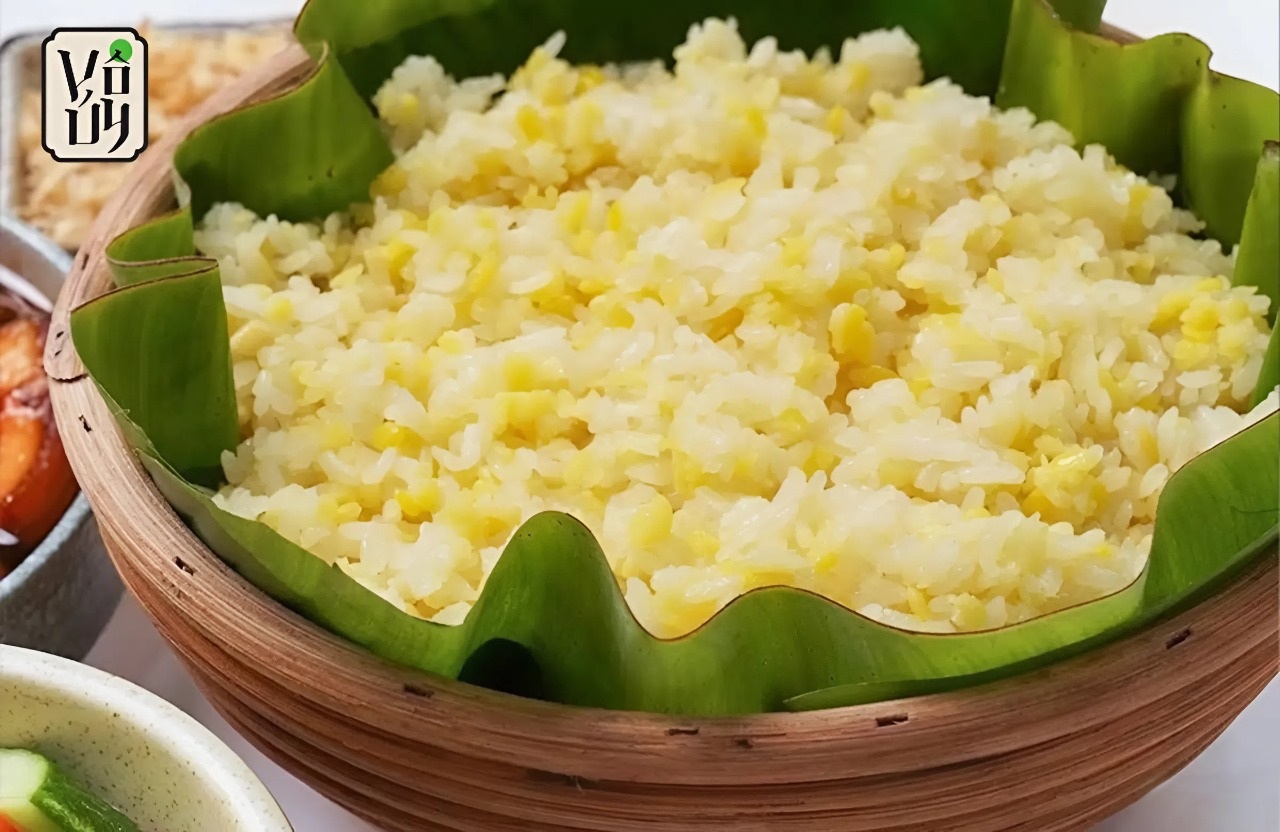
Once cooked, the sticky rice has the characteristic soft and chewy texture of glutinous rice, combined with tender and nutty mung beans. The coconut milk version has an additional creamy flavor and pleasant aroma that appeals to both adults and children.
This dish is commonly served for breakfast, on full-moon and new-moon days, and during traditional holidays and festivals. When prepared entirely with plant-based ingredients, mung bean sticky rice is also a simple vegan dish that keeps you full and pairs well with various accompaniments.
An Introduction to Mung Bean Sticky Rice
Ingredients for Mung Bean Sticky Rice
The following recipe serves approximately four to five people. You can increase or reduce the quantities, but you should maintain the correct ratio of glutinous rice, mung beans, and liquid.
- Glutinous rice: 500g
- Split hulled mung beans: 150–200g
- Coconut milk: 150ml
- Pandan leaves: 2–3
- Salt: 1/2 teaspoon
- Sugar: 2–3 tablespoons
- Vegetable oil: 1 tablespoon
- Shredded coconut and toasted sesame seeds: As needed
Sugar and coconut milk are optional. If you want to make a savory version to serve with vegan sausage, braised mushrooms, or mushroom floss, reduce the sugar and use only a moderate amount of coconut milk.
The Right Ratio of Glutinous Rice to Mung Beans
An easy ratio to follow is three parts glutinous rice to one part mung beans. For 500g of glutinous rice, use approximately 150–170g of mung beans. This ratio gives the dish a noticeable nutty flavor while preserving the rice’s soft and cohesive texture.
If you prefer more mung beans, you can increase the amount to approximately 200g. However, using too many mung beans can make the sticky rice dry and cause the grains to separate more quickly after cooling.
How to Choose Good Glutinous Rice
The quality of the glutinous rice directly affects the dish’s texture. Choose plump, rounded grains that are relatively uniform in size and naturally opaque white. Good-quality glutinous rice should have a mild fragrance and show no signs of mold, insects, or excessive breakage.
Nếp cái hoa vàng and nếp nàng hương, two fragrant Vietnamese glutinous rice varieties, are excellent choices for this dish. They are highly glutinous, naturally aromatic, and retain their texture well after cooling.
Should You Use Hulled or Unhulled Mung Beans?
Split hulled mung beans have an attractive yellow color, soften quickly, and blend easily with glutinous rice. They are particularly suitable for coconut mung bean sticky rice and recipes that require an appealing golden color.
Unhulled mung beans have a more rustic flavor and contain more fiber, but they need to be soaked for longer. Their green skins also give the finished dish a darker color. If you are making mung bean sticky rice for the first time, split hulled mung beans are easier to cook evenly.
How to Prepare Glutinous Rice and Mung Beans
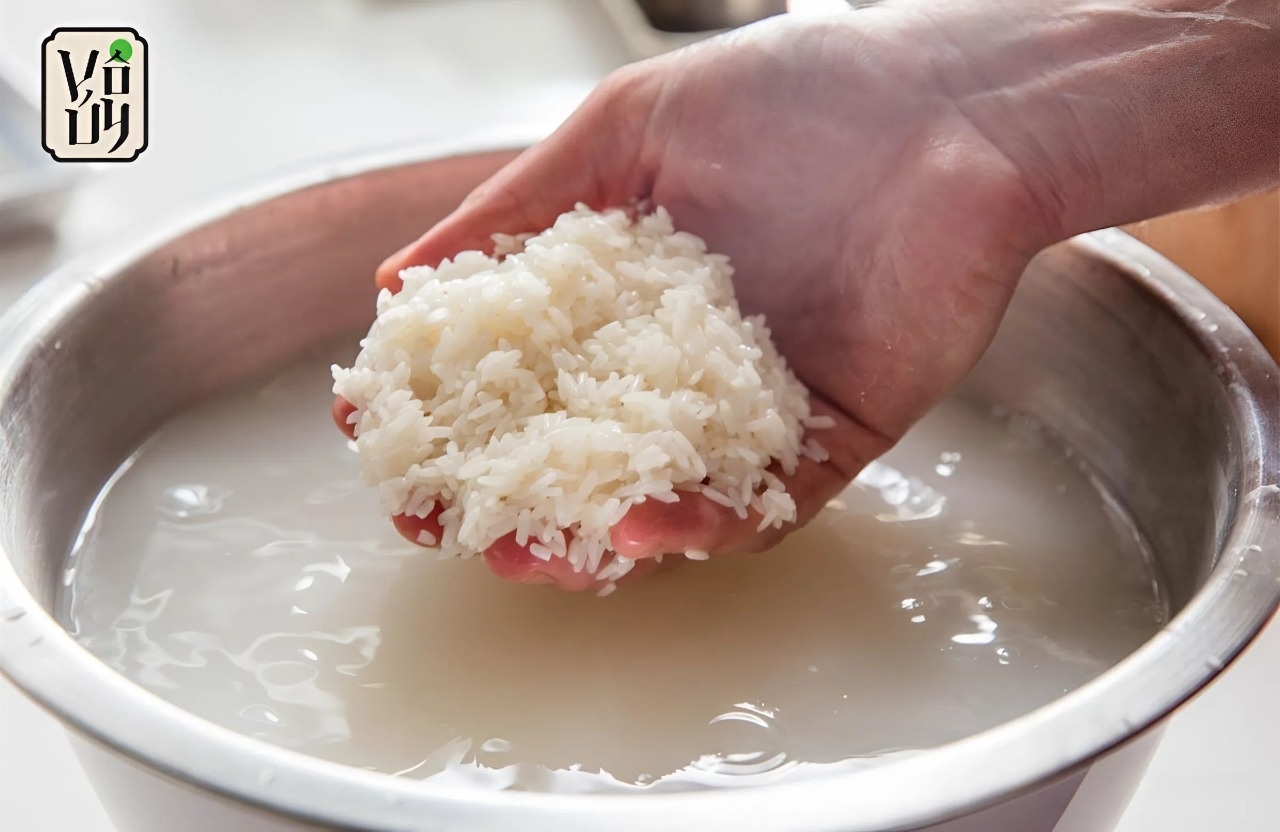
Gently rinse the glutinous rice about twice to remove dirt. Avoid rubbing the grains too vigorously because they may break and become mushy during cooking. Soak the rice in clean water for 6–8 hours or overnight.
Rinse the split hulled mung beans and soak them separately for approximately 3–4 hours. If using unhulled mung beans, soak them for 6–8 hours so that they soften evenly.
If you are short on time, soak the ingredients in warm water at approximately 40–50°C. The glutinous rice will need about 3–4 hours, while split hulled mung beans require approximately two hours. Do not use water that is too hot because it may soften the outside of the grains while leaving their centers hard.
After soaking, rinse the rice and beans again and drain them thoroughly. This is an important step for preventing soggy sticky rice. Once drained, combine the glutinous rice and mung beans with 1/2 teaspoon of salt and one tablespoon of vegetable oil.
You can soak the glutinous rice and mung beans together to save time. However, soaking them separately gives you better control over their texture, particularly when using unhulled mung beans.
How to Prepare Glutinous Rice and Mung Beans
How to Make Mung Bean Sticky Rice in a Steamer
Steaming is the traditional method of cooking sticky rice. Because the grains cook through steam rather than direct contact with water, the finished rice is generally drier, chewier, and more separate.
Step 1: Prepare the Steamer
Fill the pot with water to approximately one-third of its capacity. The water level must remain below the steamer basket so that boiling water does not touch the glutinous rice directly. Add two washed pandan leaves and bring the water to a boil.
While waiting, you can line the bottom of the steamer basket with a banana leaf or clean steaming cloth. If using a banana leaf, make several small holes in it so that the steam can circulate.
Step 2: Add the Glutinous Rice and Mung Beans
Gently mix the rice and mung beans, then transfer the mixture to the steamer. Spread it into a relatively even layer without pressing it down too tightly.
Use chopsticks to make several small holes in the surface. These spaces allow steam to move through the ingredients, preventing the bottom layer from becoming soggy while the top remains undercooked.
Step 3: Steam for the First Time
Once the water is boiling, place the steamer basket over the pot and cook over medium heat for approximately 25–30 minutes. After about 15 minutes, open the lid, wipe away any condensation, and gently fluff the rice so that it cooks evenly.
Work quickly to avoid releasing too much heat. When removing the lid, hold it at an angle and away from the rice so that condensed water does not drip onto the surface.
Step 4: Add the Coconut Milk
Combine 150ml of coconut milk with sugar to taste and stir until the sugar dissolves. If the coconut milk is too thick, dilute it with a small amount of warm water.
When the glutinous rice is approximately 80% cooked, drizzle the coconut milk over it gradually. Gently fluff the rice with chopsticks after each addition so that the liquid is absorbed evenly.
Do not pour in all the coconut milk at once because this can make the sticky rice wet and cause it to clump together.
Step 5: Steam for the Second Time
Continue steaming for another 10–15 minutes. Turn off the heat when the glutinous rice becomes translucent, soft throughout, and no longer tastes undercooked.
Transfer the cooked sticky rice to a wide tray or bowl to allow excess steam to escape. This helps dry the surface and prevents condensation from making the rice soggy.
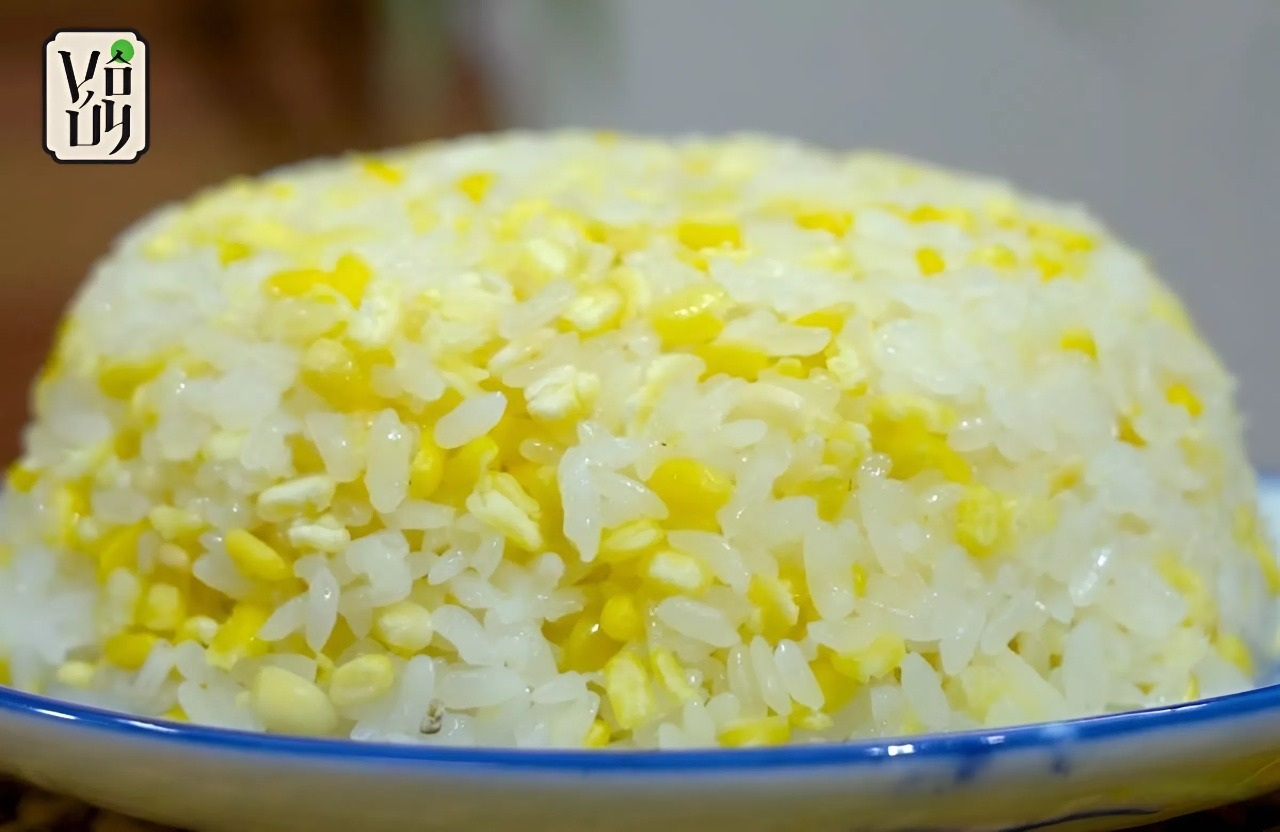
Properly cooked mung bean sticky rice should have soft and chewy grains that are not mushy. The mung beans should be tender without any hard centers. The finished dish should taste mildly salty, nutty, fragrant, and moderately rich.
How to Make Mung Bean Sticky Rice in a Steamer
How to Cook Mung Bean Sticky Rice in a Rice Cooker
If you do not have a steamer, you can make mung bean sticky rice in a rice cooker. This method is quick and convenient, but you must carefully control the amount of liquid.
Step 1: Add the Ingredients to the Rice Cooker
Place the pandan leaves at the bottom of the inner pot, then add the soaked glutinous rice and mung bean mixture. Spread the ingredients evenly without pressing down firmly with a spoon.
If your rice cooker has a good non-stick coating, lining the bottom is unnecessary. However, pandan leaves give the sticky rice a more appealing natural aroma.
Step 2: Measure the Liquid
Soaked glutinous rice already contains a considerable amount of moisture, so it does not need as much water as ordinary rice.
Combine approximately 150ml of coconut milk with 150–200ml of warm water and pour the mixture into the cooker. The liquid should sit slightly below or close to the surface of the rice rather than covering it deeply.
The exact amount may vary depending on the glutinous rice and rice cooker. If the rice has been soaked for 6–8 hours, begin with less water. You can add more warm water if the rice remains dry, whereas soggy sticky rice is much harder to correct.
Step 3: Cook the Sticky Rice
Select the standard “Cook” setting. After approximately 10 minutes, or once the liquid begins to boil, open the lid and gently stir so that the rice, mung beans, and liquid are evenly distributed.
When the cooker switches to “Warm,” allow the sticky rice to rest for approximately 10 minutes. Check the grains afterward. If they remain slightly firm, fluff the rice and start another cooking cycle.
Step 4: Finish the Dish
When the sticky rice is nearly cooked, add sugar and a small amount of coconut milk if you want a richer flavor. Add them gradually, fluff the rice thoroughly, and let it rest for another 10 minutes.
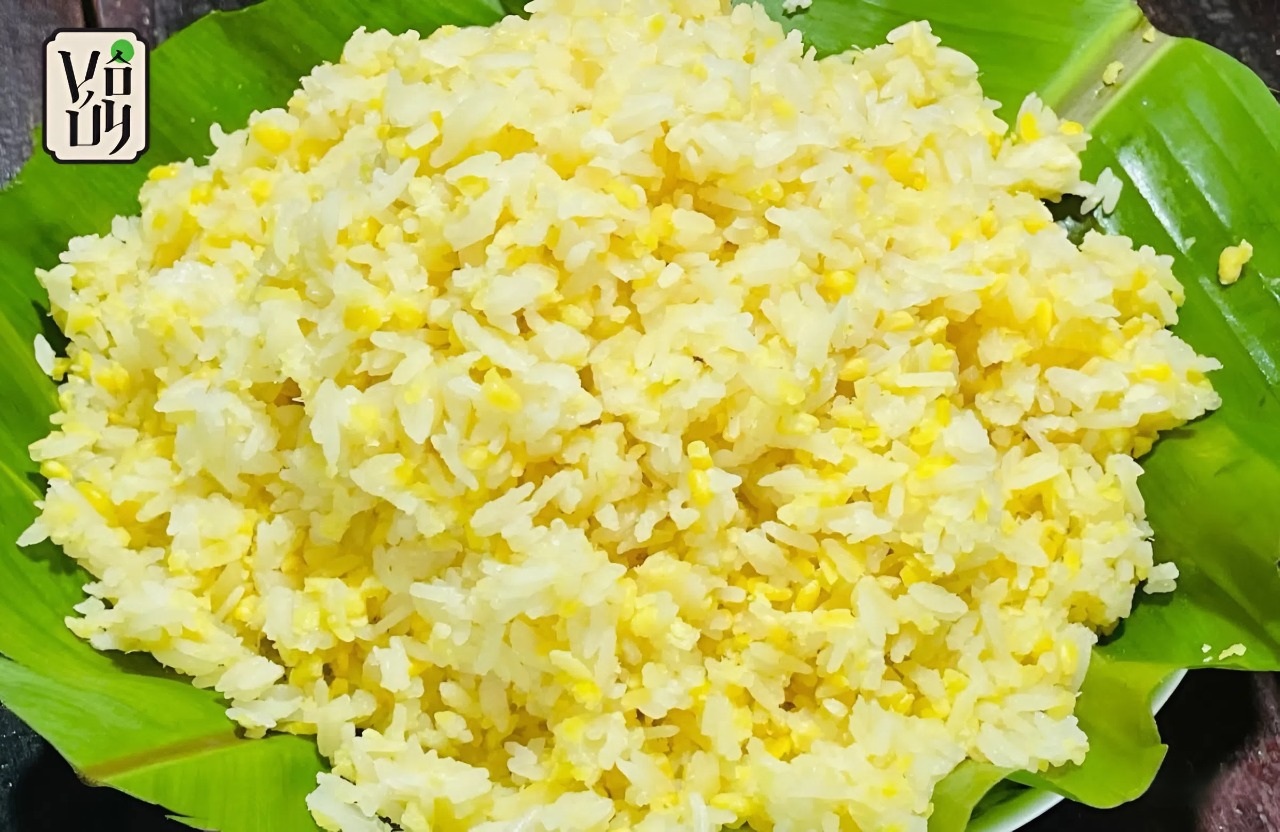
Finally, open the lid and fluff the sticky rice to release excess moisture. Do not keep the lid tightly closed for too long after cooking, as trapped steam may make the rice wet and sticky.
How to Cook Mung Bean Sticky Rice in a Rice Cooker
Should You Use a Steamer or Rice Cooker?
Each method has its own advantages. Your choice can depend on the available time, cooking equipment, and desired result.
| Criteria | Steamer | Rice cooker |
|---|---|---|
| Grain separation | Drier and more separate | Softer and more likely to stick |
| Moisture control | Relatively easy | Requires precise water measurement |
| Cooking time | Approximately 40–50 minutes | Approximately 35–50 minutes |
| Convenience | Requires monitoring during steaming | Requires less supervision |
| Best suited for | Offerings, parties, and large portions | Family breakfasts |
If you want separate, visually attractive grains that remain chewy for longer, use a steamer. If you need a quick and convenient method for breakfast, a rice cooker is the more practical choice.
Tips for Soft Mung Bean Sticky Rice That Is Not Soggy
Keep the following principles in mind to achieve the best texture:
- Soak the rice long enough: Properly soaked glutinous rice cooks more quickly and softens evenly through the center.
- Drain the ingredients thoroughly: Water remaining on the rice and beans can affect the total amount of liquid in the recipe.
- Do not use too much water: Excess water is the most common reason rice cooker sticky rice becomes soggy.
- Add the coconut milk gradually: This helps control the moisture and allows the grains to absorb the flavor evenly.
- Do not compress the rice in the steamer: The grains need enough space for steam to circulate.
- Steam the rice twice: Two-stage steaming helps the grains cook evenly, remain dry on the surface, and stay soft for longer.
- Wipe condensation from the lid: Water dripping from the lid can make certain areas of the sticky rice soggy.
How to Fix Common Mung Bean Sticky Rice Problems
| Problem | Cause | Solution |
|---|---|---|
| Sticky rice is soggy | Too much water or condensation dripping from the lid | Spread the rice into a thin layer and steam it over a clean cloth for 5–10 minutes |
| Sticky rice is dry | The rice was not soaked long enough or lacks moisture | Drizzle with warm water, fluff thoroughly, and continue steaming |
| Sticky rice is undercooked | Insufficient cooking time or uneven steam circulation | Create steam holes and cook for another 10–15 minutes |
| Mung beans remain hard | The beans were not soaked long enough | Steam or cook the beans until soft before mixing them back into the rice |
| Sticky rice cooks unevenly | The rice layer is too thick or tightly compressed | Fluff the rice, redistribute it, and create spaces for steam circulation |
| Sticky rice hardens quickly | It loses moisture after cooling | Cover with a clean cloth and reheat using steam |
If the sticky rice is only slightly soggy, remove the lid and spread it over a large, flat surface to release excess steam. If it is very wet, steam it again over a clean cotton cloth. The cloth will absorb excess moisture while the heat helps firm up the grains.
What Should You Serve With Mung Bean Sticky Rice?
Mung bean sticky rice can be enjoyed as either a sweet or savory dish. The simplest serving option is to sprinkle peanut sesame salt on top. Its salty-sweet flavor complements the nutty mung beans and chewy glutinous rice.
You can also serve the sticky rice with shredded coconut, toasted sesame seeds, or a small amount of coconut milk. These ingredients make the dish more fragrant and creamy, but they should be used in moderation to prevent it from becoming too heavy.
For a more filling breakfast, serve the sticky rice with vegan sausage, braised mushrooms, mushroom floss, or braised tofu. The sweet version pairs well with sesame sugar, roasted peanuts, and shredded coconut.
How Many Calories Are in Mung Bean Sticky Rice?
On average, 100g of mung bean sticky rice may provide approximately 200–250 calories. The actual calorie content depends on the ratio of glutinous rice to mung beans and the additional ingredients used.
Sticky rice prepared with more sugar, oil, shredded coconut, and coconut milk will contain more calories than a basic version. Because glutinous rice is rich in carbohydrates, it can help you feel full for longer, but it may also increase the meal’s total calorie content quickly.
People managing their weight or blood sugar should consume moderate portions and limit the amount of sugar and coconut milk. You can also serve the sticky rice with vegetables, mushrooms, or other fiber-rich foods to create a more balanced meal.
How Many Calories Are in Mung Bean Sticky Rice?
How to Store and Reheat Mung Bean Sticky Rice
Mung bean sticky rice tastes best when consumed on the day it is prepared. If you have leftovers, let the rice cool slightly before transferring it to an airtight container. Do not seal it while it is still very hot because condensation may cause it to spoil more quickly.
You can refrigerate the sticky rice for approximately 1–2 days. For longer storage, divide it into individual portions, wrap them tightly, and place them in the freezer. For the best flavor, consume frozen sticky rice within approximately one month.
To reheat it, steam the sticky rice for 5–10 minutes. If using a microwave, cover it with a damp paper towel and heat it in short intervals. This method helps the rice warm evenly without drying out.
Discard the sticky rice if it develops a sour smell, slimy surface, mold, or unusual discoloration.
Enjoy Wholesome Vegetarian Cuisine at Vô Úy Restaurant
Making mung bean sticky rice at home is an enjoyable way to prepare breakfast or a dish for full-moon days. However, if you want to relax and enjoy a more carefully prepared vegetarian meal, consider visiting Vô Úy Vegetarian Restaurant.
Vô Úy offers a diverse vegetarian menu in a calm and welcoming setting suitable for family meals, friendly gatherings, and occasions that require greater privacy. Each dish combines a variety of plant-based ingredients, with attention given to the balance of flavor, color, and overall dining experience.
You can reserve a table at Vô Úy Vegetarian Restaurant before your visit and receive menu recommendations based on the number of guests and the nature of your gathering.
Frequently Asked Questions About Mung Bean Sticky Rice
Should I Use Hulled or Unhulled Mung Beans?
Split hulled mung beans cook quickly, have an attractive golden color, and are easier for beginners to prepare. Unhulled mung beans offer a more rustic flavor but require a longer soaking and cooking time.
Can I Soak Glutinous Rice and Mung Beans Overnight?
Yes. You can soak the ingredients overnight for approximately 6–8 hours. During hot weather, place the soaking bowls in a cool location or in the refrigerator to prevent the ingredients from turning sour.
Can I Make Mung Bean Sticky Rice Without Soaking the Rice?
You can, but the rice will take longer to cook and may remain hard in the center. Soaking the glutinous rice before cooking is still the best way to ensure an evenly soft texture.
When Should I Add Coconut Milk to Sticky Rice?
When using a steamer, add the coconut milk once the rice is approximately 70–80% cooked. When using a rice cooker, you can add part of the coconut milk at the beginning, but it must be included in the total amount of cooking liquid.
How Can I Keep Sticky Rice Soft After It Cools?
Soak the rice for long enough, steam it twice, and add a moderate amount of vegetable oil. After cooking, cover the sticky rice with a clean cloth to retain moisture, but do not seal it tightly while it is still very hot.
Is Mung Bean Sticky Rice Vegan?
Mung bean sticky rice is vegan when it is made only with glutinous rice, mung beans, coconut milk, sugar, salt, and vegetable oil. Avoid using chicken fat or serving it with animal-derived ingredients.
Conclusion
Mung bean sticky rice is a simple, fragrant, and nutty vegan dish suitable for both breakfast and full-moon day offerings. With two preparation methods using a steamer or rice cooker, you can easily make soft and chewy sticky rice with separate grains and no sogginess at home.
If you would like to discover more delicious vegetarian dishes in a peaceful setting, contact Vô Úy Vegetarian Restaurant to reserve a table and enjoy a memorable dining experience.