


 0902 353 527
  cskh@nhahangvouy.com

How to Make Vegetarian Sticky Rice Dumplings at Home
Vegetarian sticky rice dumplings are loved for their fragrant, chewy glutinous rice coating, soft dough, and savory mung bean and mushroom filling. This dish is suitable not only for vegetarian days but also for breakfast or a light meal. With the recipe shared by Vô Úy Vegetarian Restaurant below, you can easily make delicious vegetarian sticky rice dumplings at home using simple ingredients.
What Are Vegetarian Sticky Rice Dumplings?
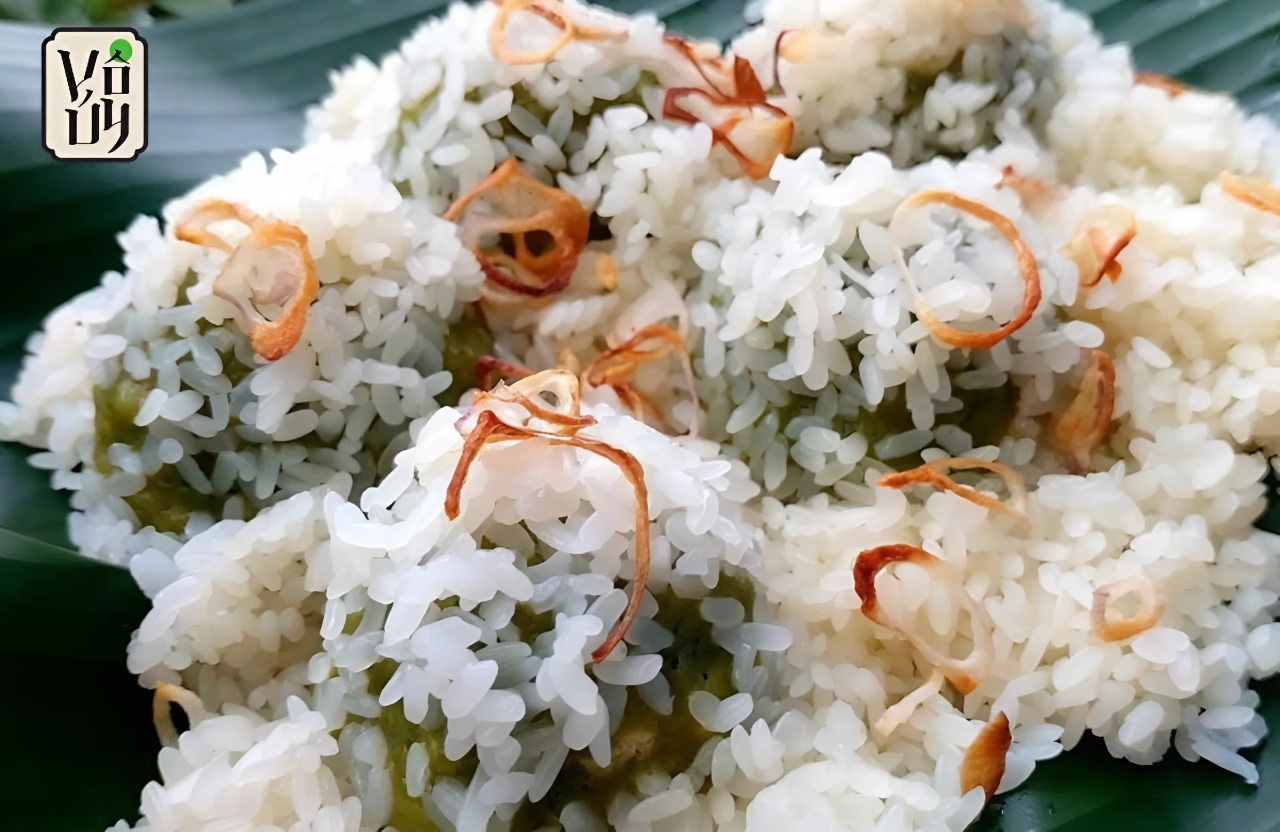
Vegetarian sticky rice dumplings, known in Vietnamese as xôi khúc chay, are the meat-free version of a traditional Northern Vietnamese dish. Each dumpling consists of three distinct layers: an outer coating of glutinous rice, a soft glutinous rice dough mixed with herbal leaf juice, and a mung bean filling in the center.
The traditional version usually contains mung beans and pork belly. In vegetarian sticky rice dumplings, the pork can be replaced with shiitake mushrooms, wood ear mushrooms, carrots, or other plant-based ingredients. These substitutions keep the filling flavorful without making the dish overly rich or greasy.
When prepared correctly, the glutinous rice on the outside should be tender without becoming mushy. The dough should have a pleasantly chewy texture, while the creamy mung bean filling blends beautifully with the aroma of mushrooms.
Are Xôi Khúc, Bánh Khúc, and Xôi Cúc Different Dishes?
The names xôi khúc, bánh khúc, and xôi cúc are commonly used to refer to the same Vietnamese dish. The name may vary depending on the region or the seller’s usual terminology.
The name bánh khúc emphasizes the dumpling made from glutinous rice flour and cudweed leaves hidden inside the rice coating. Once the dumpling is covered with glutinous rice and steamed, many people call the finished dish xôi khúc. Xôi cúc is another common regional name and does not generally refer to an entirely different dish.
How Are Vegetarian Sticky Rice Dumplings Different from the Traditional Version?
The main difference lies in the filling. Traditional sticky rice dumplings usually contain pork belly for richness, while the vegetarian version uses mung beans, mushrooms, and vegetable oil.
Without meat, the mushrooms must be properly prepared and seasoned to prevent the filling from tasting bland. Shiitake mushrooms provide a distinctive aroma and natural umami, while wood ear mushrooms add a slight crunch. Mung beans give the filling a creamy, nutty flavor and help bind the ingredients together.
If your vegetarian diet excludes the five pungent spices, you can omit shallots, garlic, and leeks. Shiitake mushrooms, pepper, toasted sesame seeds, and soy sauce can still provide the dish with a balanced and satisfying flavor.
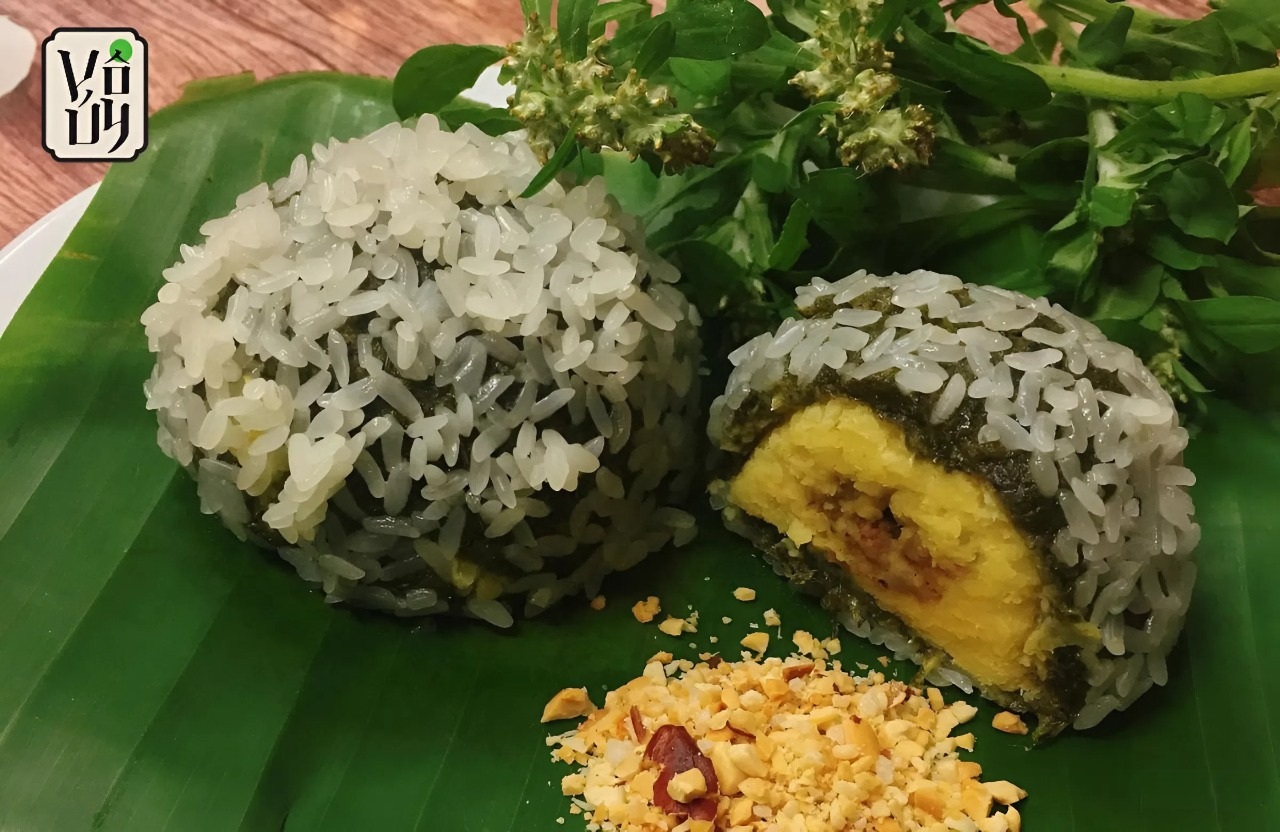
Vegetarian Sticky Rice Dumplings
Ingredients for Vegetarian Sticky Rice Dumplings
The quantities below make approximately 8–10 vegetarian sticky rice dumplings, enough to serve three or four people.
For the Glutinous Rice and Dough
- 300 g glutinous rice
- 300 g glutinous rice flour
- 100–120 g fresh cudweed leaves
- 220–250 ml warm water
- ½ teaspoon salt
- 1 tablespoon vegetable oil
If fresh cudweed leaves are unavailable, prepare:
- 50 g pandan leaves
- 100 g sweet leaf or spinach
- 250 ml water
For the Mung Bean and Mushroom Filling
- 150 g split, hulled mung beans
- 30 g dried shiitake mushrooms
- 15 g dried wood ear mushrooms
- ⅓ carrot
- 1 leek
- 1 tablespoon soy sauce
- 1 teaspoon vegetarian seasoning
- ½ teaspoon sugar
- ½ teaspoon ground pepper
- 2 tablespoons cooking oil
Check the ingredient labels on soy sauce, vegetarian seasoning, and other processed products if you want the dish to be completely vegan or free from the five pungent spices.
For Serving
- Toasted sesame seeds
- Roasted peanuts
- A small amount of salt
- Vegetarian fried shallots, if permitted by your diet
- Banana leaves for lining the steamer
What Can You Use Instead of Cudweed Leaves?
Cudweed leaves give traditional sticky rice dumplings their distinctive aroma. However, fresh cudweed may be difficult to find, particularly in Southern Vietnam. Several alternatives can be used to give the dough a natural green color and pleasant fragrance.
A mixture of pandan leaves and sweet leaf is one of the easiest substitutes. Pandan provides the fragrance, while sweet leaf gives the liquid a natural green color. Spinach can also be used when sweet leaf is unavailable.
Dried cudweed powder provides a flavor closer to that of the traditional dish. When using it, follow the manufacturer’s instructions and add the prepared liquid to the glutinous rice flour gradually.
Alternative vegetables mainly provide color and aroma. The finished dumplings will still be delicious, although they will not taste exactly the same as those made with fresh cudweed leaves.
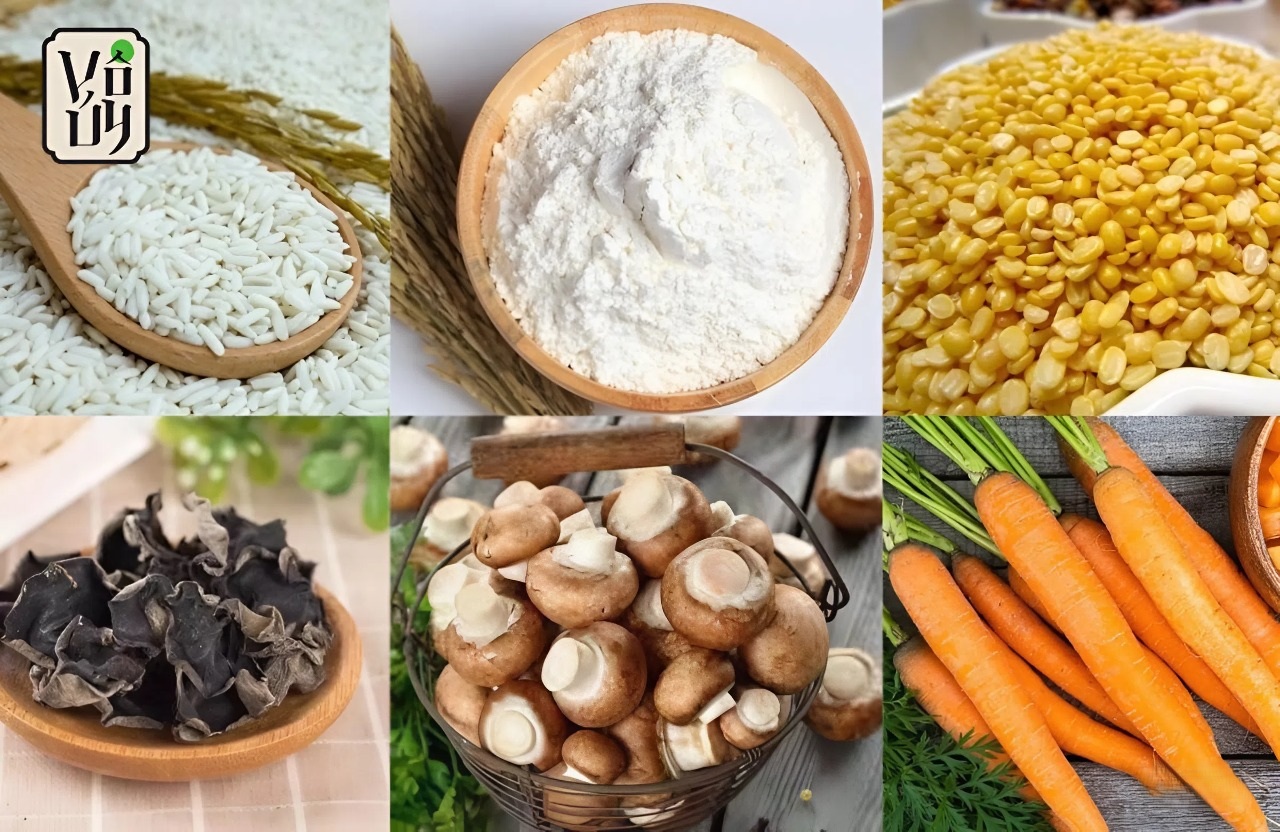
Ingredients for Vegetarian Sticky Rice Dumplings
How to Choose Ingredients for Vegetarian Sticky Rice Dumplings
Choosing Glutinous Rice
High-quality glutinous rice usually has evenly rounded, opaque white grains with very few broken pieces. It should have a mild, natural fragrance without any musty or chemical smell.
Vietnamese nếp cái hoa vàng is an excellent choice if you want particularly fragrant and chewy sticky rice. However, other common varieties will also work well when properly soaked and steamed.
Choosing Mung Beans
Choose split, hulled mung beans with a natural yellow color and relatively even-sized pieces. The beans should not smell like old oil or show signs of insects, mold, or unusual spots.
Mung beans must be soaked before steaming. Soaking allows them to cook more quickly and evenly while making them easier to mash.
Choosing Mushrooms
Good-quality dried shiitake mushrooms have a natural fragrance, a dry surface, and no signs of mold. Wood ear mushrooms should be thick, naturally colored, and free from unusual odors.
Do not soak dried mushrooms for too long. Once they have softened, remove the tough stems, rinse the mushrooms, and squeeze out as much water as possible before cooking.
How to Make Soft Vegetarian Sticky Rice Dumplings at Home
Step 1: Soak the Glutinous Rice and Mung Beans
Rinse the glutinous rice and mung beans separately to remove dust and impurities. Soak the glutinous rice in water for approximately 6–8 hours and the mung beans for about 3–4 hours.
You can soak the ingredients in warm water to shorten the preparation time. However, the water should not be too hot, as excessive heat may cause the rice grains to swell unevenly.
After soaking, rinse the rice and mung beans again and allow them to drain thoroughly. Mix the glutinous rice with approximately ¼ teaspoon of salt to enhance its flavor.
Step 2: Prepare the Cudweed Leaf Juice
Wash the cudweed leaves thoroughly and allow them to drain. Blend the leaves with approximately 200–250 ml of water.
After blending, you can strain the mixture or retain some of the finely blended leaves for a stronger aroma.
If you are using pandan and sweet leaf, prepare them in the same way. Cut the pandan leaves into small pieces before blending to prevent the fibers from becoming tangled around the blades.
Warm the leaf juice slightly before using it to make the dough. It should only be lukewarm and must not be brought to a boil. Water that is too hot may partially cook the flour, causing lumps and making the dough difficult to knead evenly.
Step 3: Steam and Mash the Mung Beans
Place the soaked mung beans in a steamer and cook until tender. Depending on the soaking time and quantity, this process usually takes approximately 20–30 minutes.
While the beans are still hot, mash them thoroughly using a spoon or pestle. The mashed beans should be smooth and soft without containing too much moisture.
If the mixture is too dry, add one or two tablespoons of warm water and mix well.
Step 4: Make the Mushroom and Mung Bean Filling
Once the shiitake and wood ear mushrooms have softened, rinse them, drain thoroughly, and finely chop them. Peel and dice the carrot into small pieces. Wash and finely chop the leek.
Heat two tablespoons of cooking oil in a pan and sauté the leek until fragrant. Add the shiitake mushrooms, wood ear mushrooms, and carrot.
When the mushrooms have become slightly firm, season them with soy sauce, vegetarian seasoning, sugar, and pepper.
Add the mashed mung beans to the pan. Cook the mixture over low heat until all the ingredients are thoroughly combined and it is firm enough to be shaped into balls.
The filling should not be too wet, as excess moisture may cause the dumplings to split open during steaming.
Turn off the heat and allow the filling to cool. Divide it into 8–10 equal portions, shape each portion into a ball, and set aside.
Step 5: Knead the Dough
Place the glutinous rice flour in a bowl and add ¼ teaspoon of salt and one tablespoon of vegetable oil. Gradually pour the warm leaf juice into the flour while mixing continuously.
Do not add all the liquid at once, as different types of flour absorb water differently. Knead until the dough becomes soft and smooth, does not crack, and feels only slightly sticky.
Cover the bowl and let the dough rest for approximately 20–30 minutes. This allows the moisture to spread evenly through the dough, making it easier to shape.
If the dough is too dry, add warm water one spoonful at a time. If it is too wet, add a small amount of glutinous rice flour and continue kneading.
Do not add too much flour at once, as this may make the dumpling wrappers hard after steaming.
Step 6: Wrap the Filling and Coat the Dumplings with Glutinous Rice
Divide the dough into the same number of portions as the filling. Take one piece of dough, shape it into a ball, and flatten it.
Place a filling ball in the center, pull the edges of the dough together, and seal them carefully.
The dough should be thick enough to cover the filling completely but not excessively thick. Once sealed, gently roll the dumpling between your palms until it is round and has no visible cracks.
Roll each dumpling in the drained glutinous rice. Press gently so the grains adhere to the surface without being packed too tightly.
Step 7: Steam the Vegetarian Sticky Rice Dumplings
Pour water into the bottom of a steamer and bring it to a boil before adding the steaming basket. Line the basket with washed banana leaves or a steaming cloth.
Spread a thin layer of glutinous rice over the bottom and arrange the dumplings on top. Leave sufficient space between them because both the dough and rice will expand during cooking.
Sprinkle the remaining glutinous rice over and around the dumplings.
Steam over medium heat for approximately 40–50 minutes. The exact cooking time may vary depending on the size of the dumplings and the quantity placed in the steamer.
Wrap a clean kitchen towel around the underside of the lid during steaming. The towel will absorb condensation and prevent water from dripping onto the rice and making it mushy.
The dumplings are fully cooked when the rice grains become translucent, the dough is soft and chewy, and no uncooked white flour remains in the center.
What Properly Cooked Vegetarian Sticky Rice Dumplings Should Look Like
Freshly steamed vegetarian sticky rice dumplings should have a delicate aroma of glutinous rice and herbs. The rice grains should be tender and naturally glossy without becoming mushy or sticking together in large clumps.
When cut in half, each dumpling should display three clearly defined layers. The outer glutinous rice should be chewy, the dough should be soft without sagging, and the mung bean filling should remain cohesive with a moderate level of moisture.
Shiitake mushrooms provide their characteristic fragrance, while wood ear mushrooms add a light crunch. For extra flavor, sprinkle the dumplings with sesame salt, roasted peanuts, or vegetarian fried shallots before serving.
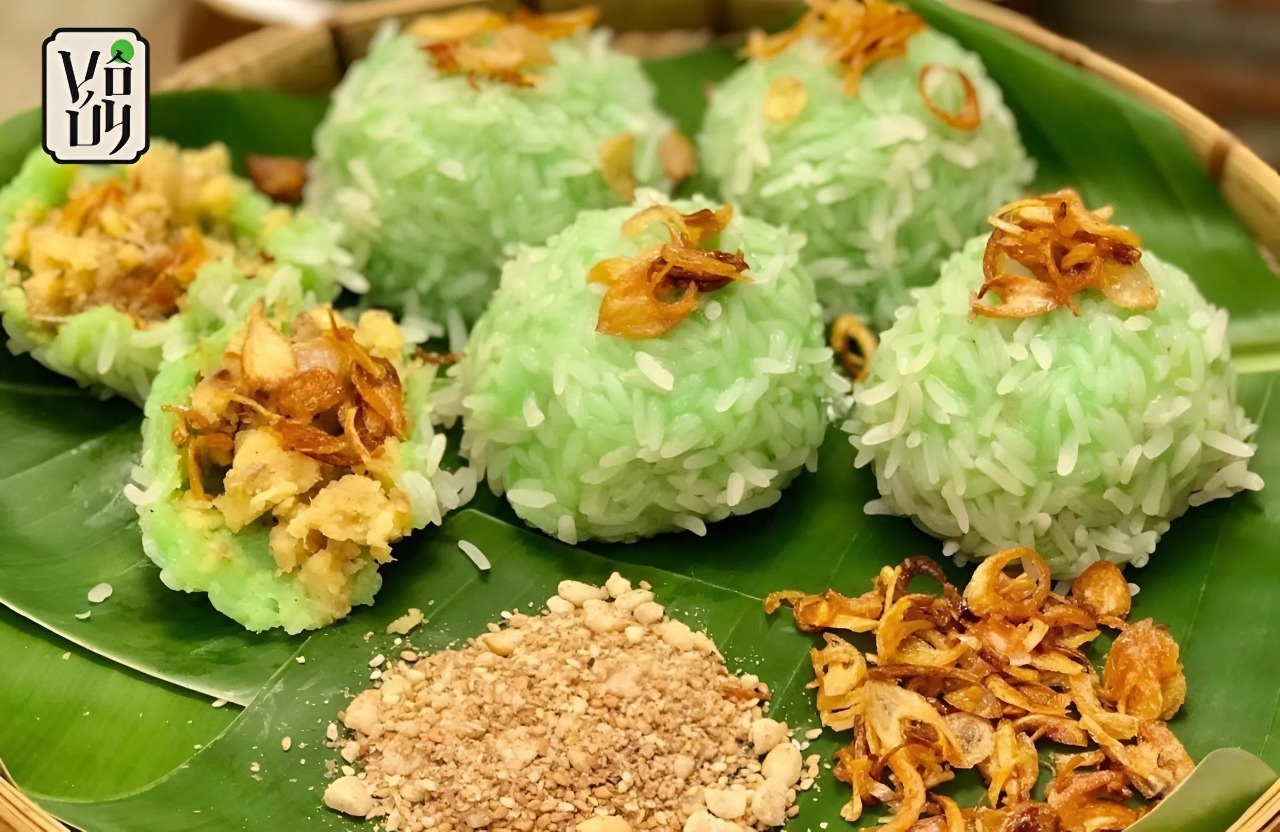
How to Make Soft Vegetarian Sticky Rice Dumplings at Home
Tips for Making Delicious Vegetarian Sticky Rice Dumplings on Your First Attempt
Drain the Glutinous Rice Thoroughly
Excess water remaining on the rice can make the outer layer mushy. After soaking and rinsing, transfer the rice to a colander and allow it to drain completely before adding salt.
Add the Liquid to the Flour Gradually
The amount of liquid required may vary depending on the freshness and absorbency of the glutinous rice flour. Adding the leaf juice gradually helps you control the dough’s softness and prevents it from becoming overly wet.
Cook the Filling Until Moderately Dry
A filling that is too wet may cause the wrapper to split. In contrast, an excessively dry filling will become crumbly and lack richness.
The filling should be moist enough to shape into a ball without releasing liquid or falling apart.
Do Not Place the Dumplings Too Close Together
The sticky rice dumplings expand during steaming. Leaving enough space between them allows steam to circulate evenly and prevents them from sticking together in one large mass.
Common Mistakes When Making Vegetarian Sticky Rice Dumplings
| Common problem | Cause | Solution |
|---|---|---|
| The dough is too wet | Too much leaf juice was added | Gradually add more glutinous rice flour and let the dough rest |
| The wrapper cracks | The dough is too dry or the wrapper is too thin | Add warm water one spoonful at a time and knead again |
| The filling falls apart | The mung beans are too dry or the ingredients do not bind | Cook again with a small amount of oil or warm water |
| The dumpling splits open | The filling is too wet or the wrapper was not sealed properly | Let the filling cool, seal the dough carefully, and roll gently |
| The glutinous rice remains hard | The rice was not soaked long enough or the heat was too low | Soak it longer and begin steaming only after the water boils |
| The sticky rice becomes mushy | The rice was not drained or condensation dripped from the lid | Drain the rice thoroughly and wrap the lid with a towel |
| The wrapper is hard | The dough was too dry, the wrapper was too thick, or steaming time was insufficient | Adjust the amount of water and extend the steaming time |
Other Delicious Vegetarian Sticky Rice Dumpling Variations
Vegetarian Sticky Rice Dumplings with Mung Bean Filling
This simple version contains only mung beans, seasonings, and a moderate amount of oil. Its creamy, nutty filling is ideal for anyone who prefers uncomplicated flavors or fewer ingredients.
Vegetarian Sticky Rice Dumplings with Mushroom Filling
You can combine mung beans with shiitake mushrooms, wood ear mushrooms, and carrots. The mushrooms add umami and create a more interesting texture.
Vegetarian Sticky Rice Dumplings with Brown Rice
You can replace part of the white glutinous rice with brown glutinous rice or black glutinous rice. However, brown rice has a different texture and requires a longer soaking time.
If you replace all the white glutinous rice, the finished dumplings may be less soft and chewy than the traditional version.
Using brown rice does not automatically turn sticky rice dumplings into a weight-loss food. The total calorie content still depends on the dumpling size and the quantities of flour, mung beans, cooking oil, and accompanying foods.
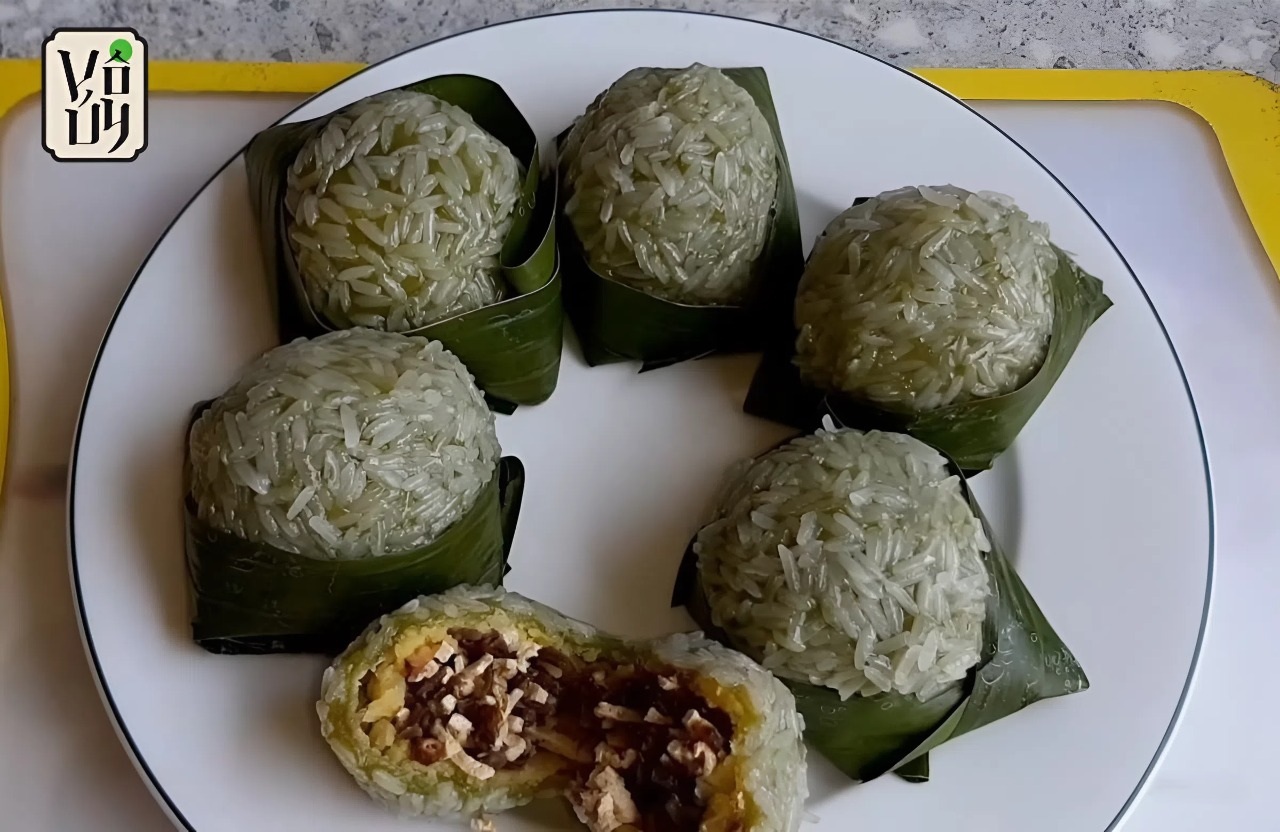
Vegetarian Sticky Rice Dumplings with Mushroom Filling
How Many Calories Are in Vegetarian Sticky Rice Dumplings?
Vegetarian sticky rice dumplings do not have a fixed calorie count. Their energy content depends on the amounts of glutinous rice, glutinous rice flour, mung beans, cooking oil, and the size of each dumpling.
Most of the carbohydrates come from the glutinous rice and flour. Mung beans provide plant-based protein, fiber, and several micronutrients. The oil used to cook the filling and toppings such as sesame salt, peanuts, or fried shallots can increase the total calorie content.
For a more accurate estimate, calculate the calories in all the ingredients and divide the total by the number of dumplings made. If you are managing your weight, make smaller dumplings, reduce the amount of oil used for the filling, and control your portion size instead of eliminating the dish entirely.
How Many Calories Are in Vegetarian Sticky Rice Dumplings?
How to Serve and Store Vegetarian Sticky Rice Dumplings
Vegetarian sticky rice dumplings taste best while they are still warm. Serve them with sesame salt, roasted peanuts, or a small amount of fried shallots. Lightly pickled vegetables can help balance the rich, nutty flavor and filling texture of the glutinous rice.
If you have leftovers, allow the dumplings to cool slightly before transferring them to an airtight container. Do not leave them at room temperature for extended periods, particularly in hot weather. The dumplings can be refrigerated for short-term storage or divided into individual portions and frozen. When ready to eat, steam them until heated through.
If the surface appears slightly dry, lightly spray it with a very small amount of water before steaming. Only reheat the portion you intend to eat and avoid reheating the dumplings repeatedly. This preserves their texture and helps ensure food safety.
Enjoy Wholesome Vegetarian Cuisine at Vô Úy Restaurant
Making vegetarian sticky rice dumplings at home can be an enjoyable experience. However, soaking the rice, preparing the filling, kneading the dough, and steaming the dumplings requires a considerable amount of time.
On busy days, enjoying a carefully prepared meal at a vegetarian restaurant may be a more convenient choice.
Vô Úy Vegetarian Restaurant offers a peaceful and welcoming setting suitable for family meals, gatherings with friends, or moments when you want to restore a sense of balance after a busy day.
Every dish at Vô Úy is carefully prepared, from the choice of ingredients and flavor combinations to its presentation, allowing diners to experience the diversity of vegetarian cuisine.
You can explore the menu and book a table at Vô Úy Vegetarian Restaurant to enjoy a flavorful vegetarian meal in a peaceful and relaxing atmosphere.
Frequently Asked Questions About Vegetarian Sticky Rice Dumplings
Can I Make Vegetarian Sticky Rice Dumplings Without Cudweed Leaves?
Yes. You can replace cudweed leaves with a mixture of pandan and sweet leaf, spinach, or dried cudweed powder. The dumplings will still have an attractive color, although their flavor will not be exactly the same as those made with fresh cudweed.
Why Is the Dough Wet and Sticky?
The dough usually becomes too wet when too much leaf juice is added at once.
Gradually add a small amount of glutinous rice flour, knead the dough again, and let it rest for approximately 15–20 minutes before shaping.
Does Glutinous Rice Need to Be Soaked Overnight?
Soaking it overnight is not necessary. Glutinous rice generally needs to soak in cool water for approximately 6–8 hours.
Warm water may shorten the soaking time, although the exact duration depends on the type of rice used.
Are Vegetarian Sticky Rice Dumplings Vegan?
Vegetarian sticky rice dumplings are vegan only when all the ingredients and seasonings contain no animal-derived components.
Check vegetarian seasoning, mock meats, and other processed products carefully before using them.
Can Vegetarian Sticky Rice Dumplings Be Frozen?
Yes. Divide the dumplings into individual portions, seal them properly, and store them in the freezer.
When ready to eat, steam them directly from frozen or thaw them in the refrigerator before steaming until thoroughly heated.
Can Vegetarian Sticky Rice Dumplings Be Served for Breakfast?
Yes. Vegetarian sticky rice dumplings are suitable for breakfast because they provide energy and help you feel full for longer.
However, they contain a considerable amount of carbohydrates, so adjust the portion according to your nutritional needs and activity level.
Conclusion
Learning how to make vegetarian sticky rice dumplings is not overly complicated, but every step requires careful attention. The glutinous rice must be soaked for enough time and thoroughly drained, the filling should have the right amount of moisture, and the leaf juice must be added gradually when kneading the dough.
Even if you cannot find fresh cudweed leaves, you can still use pandan leaves, sweet leaf, or spinach to add natural color and fragrance. When the ingredient ratios and steaming temperature are properly controlled, the finished dumplings will have tender glutinous rice, a soft and fragrant wrapper, and a savory mung bean and mushroom filling. If you would like to explore more carefully prepared vegetarian dishes in a relaxing atmosphere, consider Vô Úy Vegetarian Restaurant for your next meal.