

 0902 353 527
  cskh@nhahangvouy.com
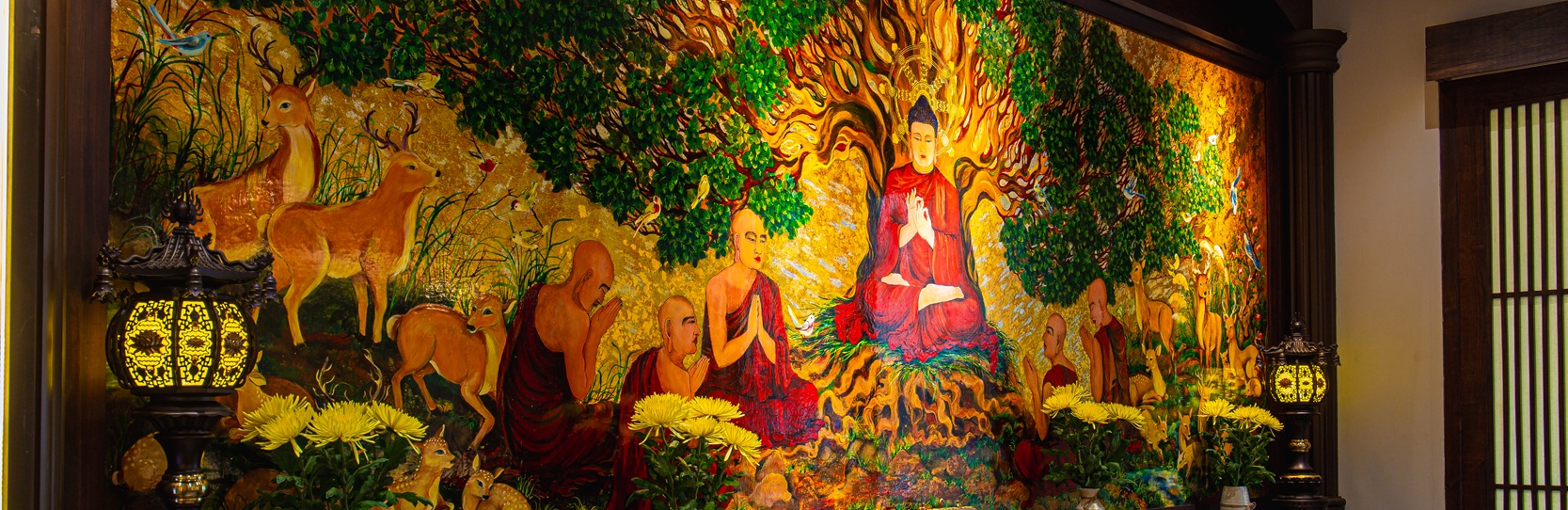
Vietnamese Vegetarian Culture: Origins, Meaning and Regional Traditions
Vietnamese vegetarian culture goes far beyond avoiding meat and fish. Behind every vegetarian meal lie traces of folk belief, family values and a way of life that aims for goodness. From the full moon day and the first day of the lunar month to the Vu Lan festival, eating vegetarian has become a custom handed down through generations. This article covers its origins, its meaning, the main vegetarian calendars and how each region of Vietnam approaches it.
What is Vietnamese vegetarian culture?
Vietnamese vegetarian culture is the set of habits, beliefs and rituals built around meals without meat or fish, shaped by an agrarian cuisine, the influence of Buddhism, folk beliefs and family ethics. What sets it apart is that vegetarian eating in Vietnam is usually tied to the lunar calendar, to remembering ancestors and to the wish to live well, rather than being simply a diet.
In culinary terms, eating vegetarian usually means not eating meat, fish and some other animal-derived foods. For many Vietnamese people, its meaning also lies in how they live: it is a chance to slow down, avoid taking life, calm their emotions and turn their thoughts toward the positive.
Over time, vegetarian eating became a familiar part of many households. Vietnamese people often eat vegetarian on the full moon day, the first day of the lunar month, during Vu Lan, on death anniversaries or on other important occasions. Each family keeps the custom in its own way, but all share values such as compassion, peace of mind, filial respect and reverence for life. This blend of eating habits, spiritual life and family routine is what has made vegetarian eating a long-standing part of Vietnamese culture.
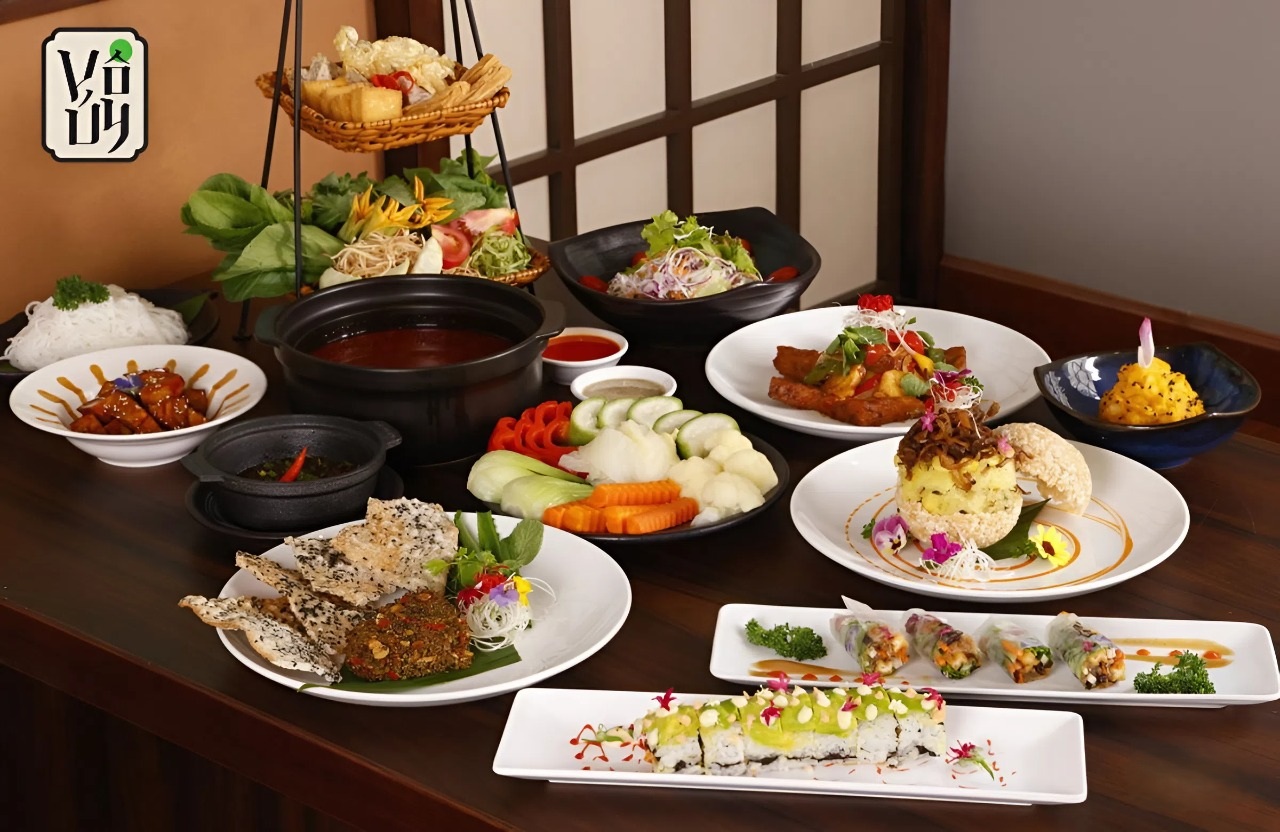
Exploring Vietnamese vegetarian culture
The origins of vegetarianism in Vietnam
It is hard to pinpoint when Vietnamese people began eating vegetarian. Long before the practice took on religious meaning, farming communities already ate plenty of vegetables, tubers, beans, seeds and grains every day.
An agrarian cuisine that made plant-based food natural
Vietnam’s tropical monsoon climate supports a wide variety of plants. Wet-rice civilization produced a diverse repertoire of dishes based on rice, vegetables, beans, sesame, mushrooms and seasonal produce. Familiar foods such as tofu, fermented soybean sauce (tương), boiled greens, pickled eggplant and other bean-based dishes were already common at the family table. This made it easy for vegetarian cooking to develop without breaking away from traditional flavors.
Still, a dish made only from plants does not necessarily come from a decision to eat vegetarian. Some people eat vegetables out of habit, economic circumstances or what is locally available. Only when the choice of food is tied to a belief, a vow or a personal principle does it carry the cultural meaning of vegetarian eating.
The influence of Buddhism on vegetarian customs
Buddhism arrived in Vietnam in the early centuries CE and gradually blended into local life. Its ideals of compassion, avoiding harm and respect for life sit comfortably with the Vietnamese emphasis on kindness in relationships. Over time, eating vegetarian came to be seen as a way to nurture compassion and support spiritual practice, which is why vegetarianism holds a meaningful place in Buddhist practice. The custom gradually moved beyond the pagoda as lay Buddhists also practiced it according to their own circumstances.
By the Ly and Tran dynasties, Buddhism had a deep influence on both spiritual and political life. Some historical records mention kings observing periods of ritual purification on certain occasions. This shows that abstinent practices existed even at court, although not every purification ritual of the past should be equated with vegetarian eating as it is practiced today.
Over time, Buddhist thought merged with ancestor worship and family ethics. That is why many Vietnamese people who have not formally taken refuge in Buddhism still eat vegetarian on the full moon day, the first day of the lunar month, death anniversaries or other days of remembrance.
From the pagoda to the family table
Religious teaching is one source, but vegetarian culture has also been carried on through the way families keep their traditions. When grandparents or parents eat vegetarian, their children and grandchildren often help prepare the meal and eat together. Around these meals, young people hear about the meaning of the full moon day, filial piety and how to value food. Many cultural values are passed down naturally, without elaborate rituals.
The connection between pagodas, families and the community is what has kept vegetarian customs alive in Vietnamese life.
What vegetarian eating means in Vietnamese culture
People come to vegetarian meals for different reasons. Traditionally, though, Vietnamese vegetarian culture revolves around compassion, inner calm, filial piety and family bonds.
Cultivating compassion and respect for life
Avoiding the taking of life is one of the most familiar meanings of eating vegetarian. By choosing a meal without meat or fish, practitioners remind themselves to value the lives of people and all living beings. This is not about ranking vegetarians above meat eaters. The value of a vegetarian meal lies in doing it willingly and in the positive changes it brings to how a person treats the world around them.
A pause to calm body and mind
In a busy life, a vegetarian day can become a pause that helps people slow down. Many combine it with offering prayers to the Buddha, chanting, charitable work or time to reflect on what they have done. That is why calm extends to words and attitude as well: practitioners try to speak gently, keep their temper and avoid hurting others.
Showing filial piety and honoring ancestors
The vegetarian meal is also tied to the principle of remembering one’s roots. Some families prepare a vegetarian tray on death anniversaries, on the full moon day or during Vu Lan to honor grandparents and loved ones who have passed away. Some people vow to eat vegetarian and do good deeds to dedicate the merit to their parents. Others simply want to share a light meal with their family. Whatever form it takes, sincerity matters more than how elaborate the tray is.
Passing family traditions down the generations
For many families, eating vegetarian on the full moon day has become a familiar routine. Everyone helps choose ingredients, prepare the meal and sit down together. At that point, the vegetarian meal becomes a chance for family members to talk, share and keep alive a custom handed down by their grandparents.
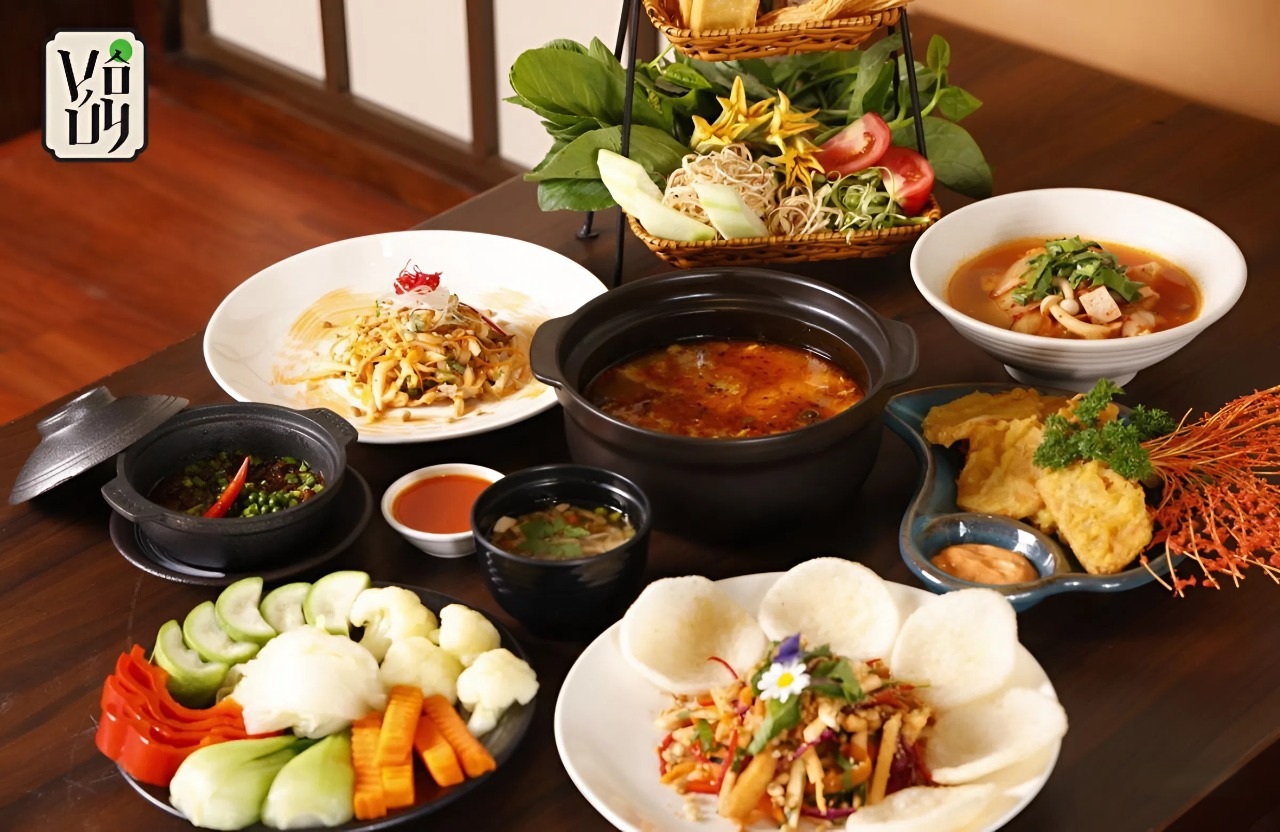
The meaning of vegetarian eating in Vietnamese culture
Why do Vietnamese people eat vegetarian on the full moon and the first day of the lunar month?
The first and fifteenth days are two important dates in the lunar calendar. The first day is called ngày Sóc, marking the start of a new month. The fifteenth, the full moon day, is called ngày Vọng, when the moon is round and bright. Traditionally, Vietnamese people burn incense, remember their ancestors or visit pagodas on these two days, and eating vegetarian gradually became part of that routine.
People who eat vegetarian on the full moon day usually hope to keep a calm mind, avoid taking life and turn toward what is good. It is also a moment to look back on how they have lived over the past half month. For Buddhists, eating vegetarian may go together with offering prayers, listening to dharma talks, chanting or doing charity. For those without a religion, a full moon vegetarian meal can still be a family habit or a choice with spiritual meaning.
Eating vegetarian on the full moon day is not an obligation for all Vietnamese people. Each person can practice it according to their beliefs, health and circumstances, and vegetarians are not limited to eating vegetarian only on the full moon or the first day of the month.
Common vegetarian practices: from Nhi Trai to Truong Trai
Vietnamese people usually choose either periodic vegetarian eating or lifelong vegetarianism. Periodic vegetarian eating means eating vegetarian on certain days of the month or year. Lifelong vegetarianism (Truong Trai) means keeping it up continuously over a long period.
The most common vegetarian calendars are:
| Practice | Days per month | Commonly chosen days (lunar calendar) |
|---|---|---|
| Nhi Trai | 2 days a month | The 1st and the 15th |
| Tu Trai | 4 days a month | The 1st, 14th, 15th and the last day of the month |
| Luc Trai | 6 days a month | The 8th, 14th, 15th, 23rd, 29th and 30th |
| Thap Trai | 10 days a month | The 1st, 8th, 14th, 15th, 18th, 23rd, 24th, 28th, 29th and 30th |
| Nhat Nguyet Trai | One month | A full month of vegetarian eating, as vowed |
| Truong Trai | Ongoing | No fixed period |
In lunar months with only 29 days, some end-of-month days are adjusted accordingly. The way days are counted can also vary between Buddhist traditions.
No single practice suits everyone. A person might start with Nhi Trai, move on to Thap Trai or keep a lifelong vegetarian diet if circumstances allow. The number of vegetarian days should not be used to judge anyone’s character.
Vegetarian eating on important occasions
Besides the full moon day and the first day of the lunar month, vegetarian food appears at many festivals, family rituals and community events.
Vegetarian meals during Vu Lan
Vu Lan is the festival of filial piety, a time to remember the care and sacrifice of one’s parents. In the seventh lunar month, many Buddhists vow to eat vegetarian on the full moon day, for half the month or for the whole month, and many families also prepare a Vu Lan offering tray. Eating vegetarian during Vu Lan expresses gratitude, filial devotion and remembrance of ancestors. Still, filial piety should not stop at a single meal. People can also care for their parents while they are alive, live responsibly and help those in difficult circumstances.
Vegetarian meals at Tet and the start of the year
Some families choose to eat vegetarian on the first day of Tet (Lunar New Year), hoping to begin the year gently and peacefully. Some prepare a vegetarian tray as an offering to their ancestors, then share it together afterward. This is not a nationwide custom, and practices vary by region, belief and each family’s habits.
Vegetarian offerings on death anniversaries and ancestor rituals
A vegetarian tray on a death anniversary expresses respect for the deceased. Some families prepare vegetarian dishes out of tradition, while others follow the wishes or habits of the person being remembered. Even simple vegan meal platters for memorial days can express sincerity, because a tray does not need many dishes to show respect. Preparing just enough, presenting it respectfully and avoiding waste usually fits the spirit of a vegetarian meal better.
Vegetarian feasts at weddings and gatherings
Today, vegetarian feasts are no longer limited to religious rituals. Vegetarian food now appears at weddings, birthdays, family reunions and corporate events. This shift shows vegetarian culture adapting to modern life. Guests may choose vegetarian dishes for religious reasons, personal preference or to offer an experience that suits everyone attending.
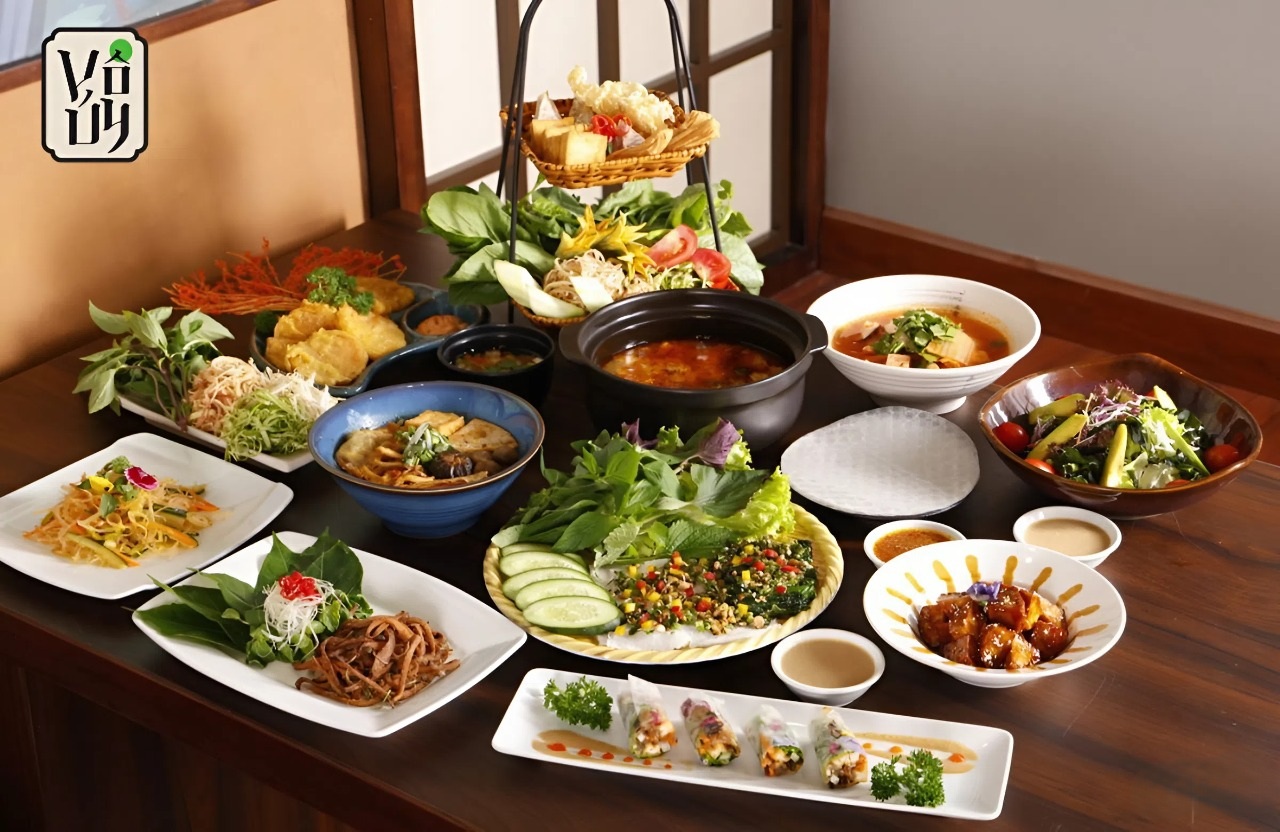
Vietnamese people eat vegetarian on important occasions
Regional styles of vegetarian food across Vietnam
Vietnamese vegetarian culture shares a common spirit but still differs from region to region. Local ingredients, tastes and history have produced many ways of enjoying vegetarian food.
The North: understated and rooted in village and pagoda life
Northern vegetarian cooking makes good use of tofu, fermented soybean sauce, seasonal greens, mushrooms and tubers. Flavors are generally moderate, with an emphasis on balance. Vegetarian meals are often tied to the first and fifteenth days of the lunar month, pagoda visits and family life. In some localities, residents still prepare vegetarian feasts together for major festivals.
Central Vietnam: refined, shaped by Hue’s vegetarian cuisine
Hue is one of the places best known for its vegetarian food culture. The growth of Buddhism, its many pagodas and the legacy of the royal court helped create an elaborate, refined style of vegetarian cooking.
Beyond flavor, Hue cooks pay close attention to color, shape and presentation. A dish may use familiar ingredients yet still look elegant thanks to careful preparation.
The South: open and abundant
The South has a wide range of vegetables and local produce, so its vegetarian food comes in many variations. Flavors can be bolder or sweeter depending on the locality, and on full moon offering trays many Southern families serve canh kiem, a rich, lightly sweet vegetarian soup. In Ho Chi Minh City and many Mekong Delta provinces, eating vegetarian on the full moon, the first day of the lunar month or at the start of the year is quite common. The growth of vegetarian restaurants and community vegetarian meals has also brought this custom to many more diners.
Vietnamese vegetarian culture in modern life
Vegetarian eating used to be associated with pagodas, the elderly or special holidays. Today, young people are also actively learning about and choosing vegetarian food.
From religious custom to personal choice
Not everyone who eats vegetarian today does so for religious reasons. Some want to continue a family tradition, some care about animals or have their own reasons to go vegetarian, such as health, while others simply want to try a new style of cuisine. This variety of motivations does not diminish the tradition. On the contrary, it shows that the vegetarian meal can adapt to many generations and social settings.
Traditional vegetarian eating and veganism are not the same
In Vietnamese custom, vegetarian eating is usually tied to lunar dates, pagoda visits, beliefs and family life. People may eat vegetarian only on certain days of the month.
Veganism is usually a continuous choice. Beyond food, some vegans also avoid animal-derived products in clothing, cosmetics and other areas. The two concepts overlap in limiting animal products but should not be used interchangeably.
Vegetarian meals in new settings
Vegetarian restaurants, vegetarian buffets and vegetarian banquets have changed how Vietnamese people experience vegetarian food. A modern vegetarian meal can be carefully presented and served in an elegant setting while keeping its gentle spirit.
Creativity makes vegetarian food more appealing. However, innovation is only meaningful when cooks respect their ingredients, avoid waste and keep the natural harmony of the food.
What makes Vietnamese vegetarian cuisine distinctive?
The character of Vietnamese vegetarian cuisine comes first from local ingredients. Rice, vegetables, beans, sesame, mushrooms, tofu and fermented sauces are combined by season, by region and by each family’s taste. Vietnamese vegetarian dishes do not have to imitate meat dishes. Many highlight the natural flavors of vegetables and show real skill in combining ingredients. A simple meal can still feel complete if the dishes are well balanced.
That character also lies in how the meal is shared. Sitting together, eating slowly and sharing with one another are part of the experience. So the value of vegetarian cuisine is not measured by the number of dishes or how elaborate they are.
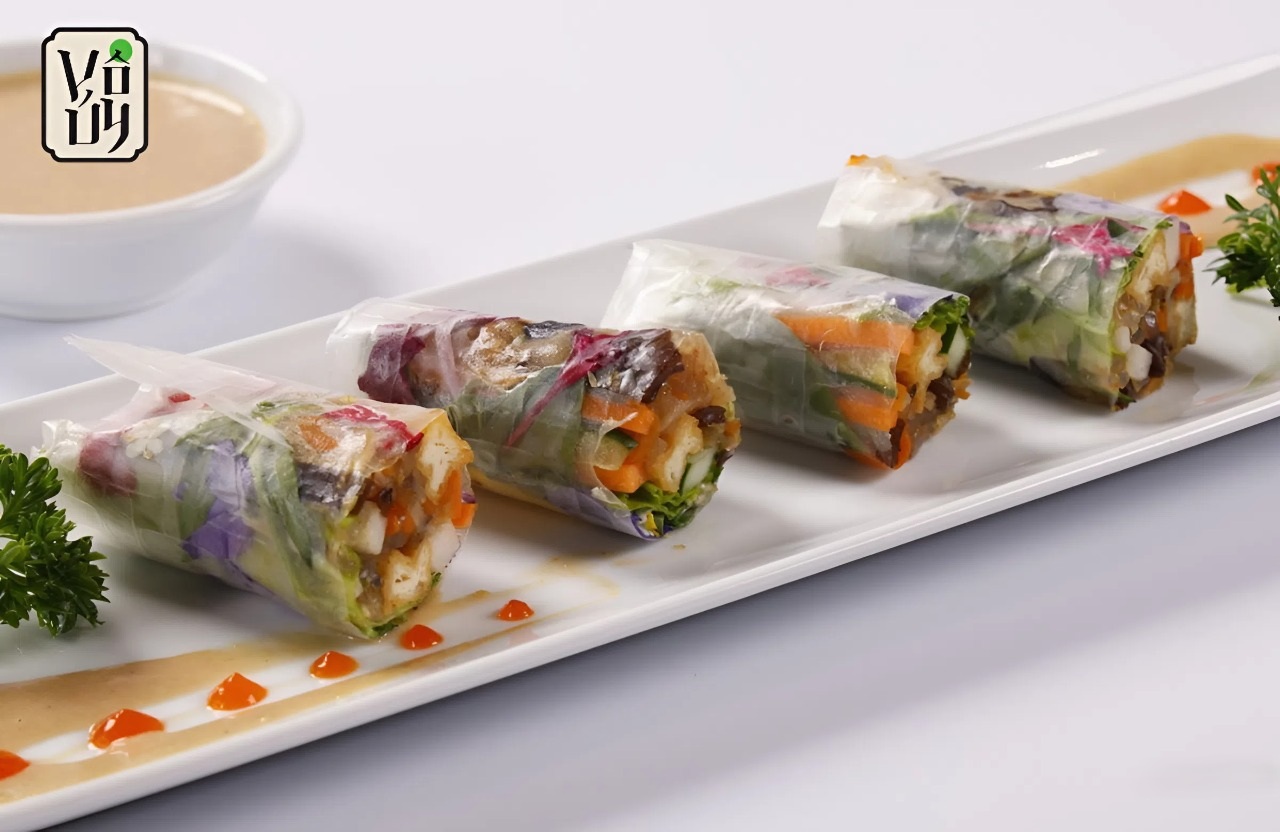
What makes Vietnamese vegetarian cuisine distinctive?
How to keep the true spirit of a vegetarian meal
To preserve the beauty of vegetarian culture, each person should understand its meaning before practicing it. Eating vegetarian is not a trade made in exchange for good luck, nor a standard for judging others.
A vegetarian meal in the right spirit starts with free will. Practitioners can prepare just enough food, use seasonal ingredients and avoid leftovers. On a vegetarian day, it also helps to pay attention to one’s words, attitude and treatment of others.
For younger generations, families should explain the meaning rather than impose the practice. Children can help adults prepare meals, learn about full moon customs or join community sharing activities. Hands-on experiences like these help the culture carry on naturally.
Frequently asked questions about Vietnamese vegetarian culture
Where does Vietnamese vegetarian culture come from?
Vietnamese vegetarian culture grew out of the country’s agrarian cuisine and was deeply influenced by Buddhism. Over time, vegetarian eating merged with ancestor worship and family life.
Why do Vietnamese people eat vegetarian on the full moon day?
The full moon day is called ngày Vọng in the lunar calendar. Many people eat vegetarian on this day to avoid taking life, keep a calm mind, visit pagodas or honor their ancestors.
Is eating vegetarian on the full moon day mandatory?
No. Eating vegetarian on the full moon day is not an obligation for all Vietnamese people. Each person can practice it according to their beliefs, circumstances and personal wishes.
Should you eat vegetarian on the 14th or the 15th of the lunar month?
The full moon day is officially the 15th of the lunar month. However, some people eat vegetarian on both the 14th and the 15th, following Tu Trai or their family’s own custom.
Which days does Thap Trai include?
Thap Trai usually covers the 1st, 8th, 14th, 15th, 18th, 23rd, 24th, 28th, 29th and 30th of the lunar month. In 29-day months, the last days can be adjusted.
What does eating vegetarian during Vu Lan mean?
Eating vegetarian during Vu Lan expresses filial devotion, gratitude to one’s parents and remembrance of ancestors. It is often combined with charitable work and living more responsibly toward one’s family.
Can people who are not Buddhist eat vegetarian?
Yes. People who are not Buddhist can still eat vegetarian, whether as a family habit, a personal choice or a way to experience a cherished part of Vietnamese food culture.
The lasting beauty of Vietnamese vegetarian culture
Vietnamese vegetarian culture is the product of a long interplay between natural conditions, folk beliefs, Buddhism and family ethics. From the full moon family meal to the vegetarian tray of Vu Lan, the custom has always guided people toward moderation, gratitude and harmonious living.
Although the forms of vegetarian eating are changing with modern life, its core values can still be preserved. A simple vegetarian meal prepared with care is enough to bring a family together and carry on a long-standing Vietnamese tradition.
Experience vegetarian food culture at Vo Uy
A vegetarian meal becomes more meaningful when the food, the setting and the company all create a sense of ease. At Vo Uy Vegetarian Restaurant, guests can take their time enjoying carefully prepared vegetarian dishes in a calm, welcoming space.
Vo Uy is a good fit for full moon meals, the Vu Lan season, gatherings with friends or family reunions. It is also a choice for diners who want to discover vegetarian food in a modern way while still honoring the spirit of Vietnamese cuisine.
Contact us to book a table at Vo Uy Vegetarian Restaurant and enjoy a peaceful, fulfilling vegetarian meal with your loved ones.
Contact information:
- Address: 47 Street No. 3, CityLand Park Hills Residential Area, Go Vap Ward, Ho Chi Minh City.
- Hotline: 0902 353 527.
- Opening hours: 10:00–14:00 and 17:00–22:00, every day of the week.
- Website: nhahangvouy.com
- Fanpage: Vo Uy Vegetarian Restaurant
- Google Maps: Get directions
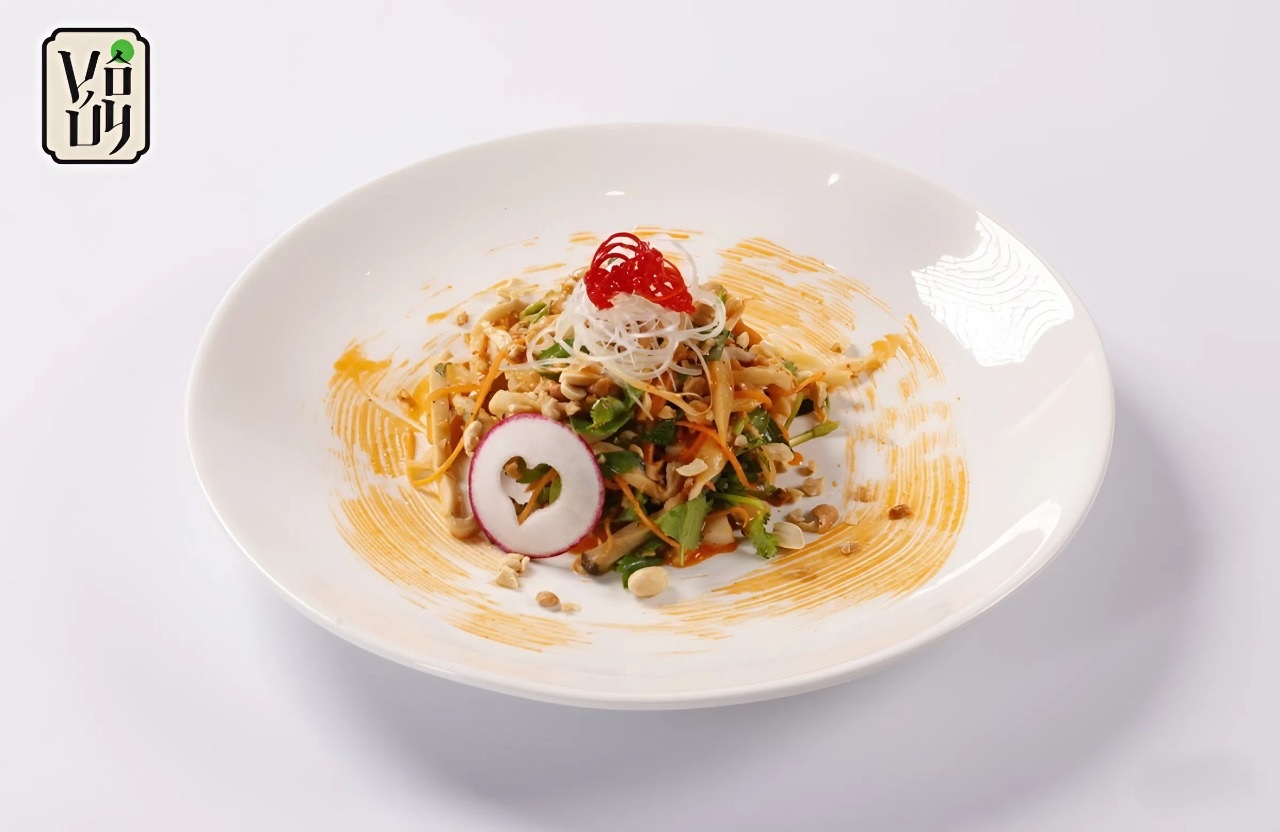
Experience vegetarian food culture at Vo Uy