


 0902 353 527
  cskh@nhahangvouy.com

How many calories are in tofu? Nutritional content and recommended ways to eat it
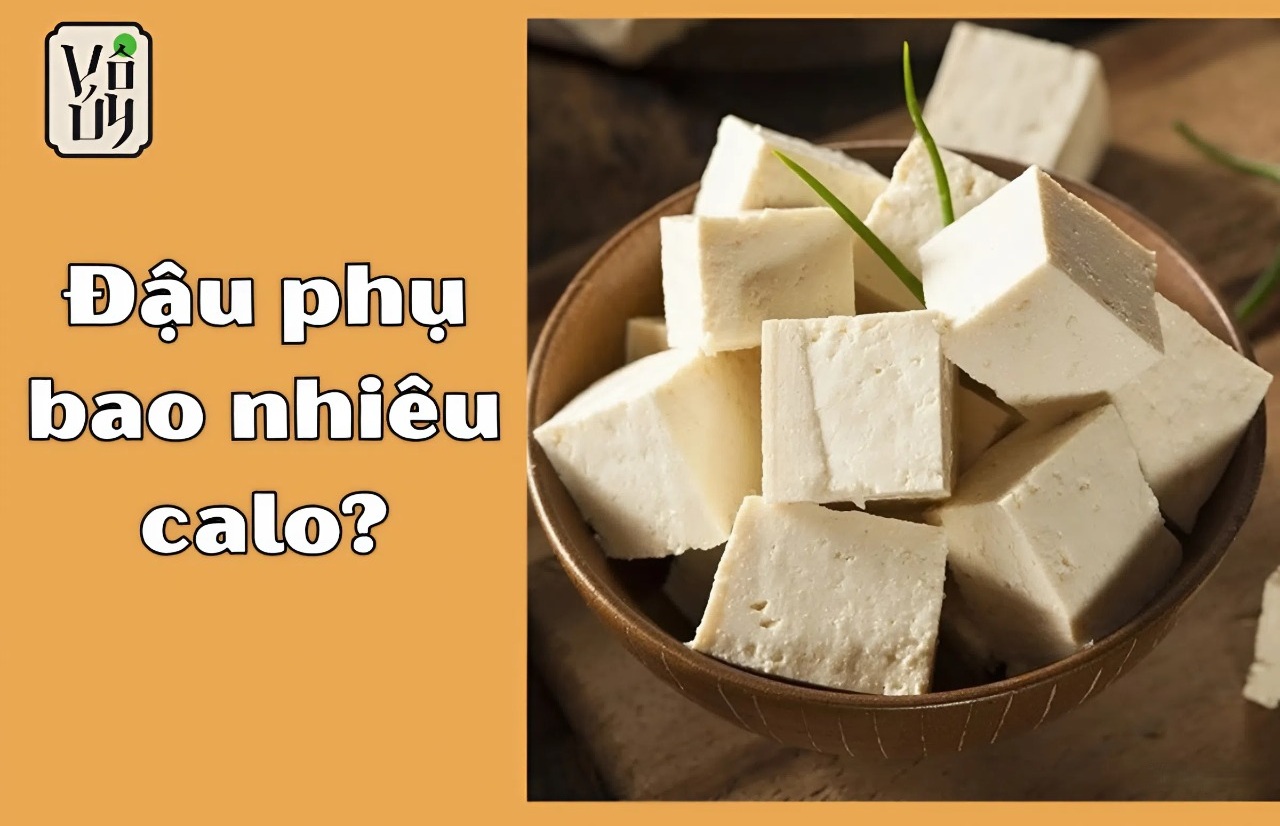
How many calories in tofu? For 100g of regular, unprepared tofu, a reference figure is about 76 kcal and 8.1g of protein (data from the United States Department of Agriculture, or USDA). The number changes with the type of tofu and how you cook it: soft tofu is lower, while firm and fried tofu are noticeably higher. In this article, the Vô Úy vegetarian restaurant gives you a calorie table by type, a way to calculate your actual portion, and ideas for combining tofu in a vegetarian meal.
How many calories are in 100g of tofu?
A kcal (kilocalorie) is the unit used to measure the energy in food and is commonly called a “calorie”. Knowing the kcal helps you estimate how much energy a meal provides; for example, a 100g portion of tofu is about 76 kcal.
According to the USDA, 100g of regular, unprepared tofu set with calcium sulfate provides about 76 kcal, 8.1g of protein, 4.8g of fat and 1.9g of carbohydrate. You can use this figure as a quick reference for estimating the energy in a meal.
| Portion of regular tofu | Estimated energy* | Estimated protein* |
|---|---|---|
| 50g | 38 kcal | 4.0g |
| 100g | 76 kcal | 8.1g |
| 150g | 114 kcal | 12.1g |
| 200g | 152 kcal | 16.2g |
*Converted from 76 kcal and 8.1g of protein per 100g of regular, unprepared tofu. Does not include oil, sauce or other ingredients added to a dish.
In other words, energy and protein from tofu rise in proportion to the portion size. The table covers the tofu only; when you cook, you need to add the other ingredients.
How many calories are in one piece or one block of tofu?
There is no fixed weight for “one piece” or “one block” of tofu, because every seller cuts it differently. The reliable approach is to weigh the portion you plan to eat and apply this formula:
Calories from tofu = weight (g) × kcal per 100g ÷ 100
For example, a 150g block has about 114 kcal before cooking. If you eat only half the block, the tofu provides about 57 kcal. You do not need to weigh it at every meal; weighing the blocks you buy most often a few times is enough to estimate your usual portion.
How many calories in tofu?
Calories in soft, firm and fried tofu
Per 100g, each type of tofu contains a different amount of water and nutrients. The table below uses four USDA entries so you can compare them:
| Type of tofu (per 100g) | Energy | Protein | Fat |
|---|---|---|---|
| Soft tofu | 61 kcal | 7.2g | 3.7g |
| Regular tofu | 76 kcal | 8.1g | 4.8g |
| Firm tofu (pressed) | 144 kcal | 17.3g | 8.7g |
| Fried tofu | 270 kcal | 18.8g | 20.2g |
Source: USDA FoodData Central (SR Legacy; IDs 172449, 172476, 172475, 174304). The soft tofu entry uses calcium sulfate combined with magnesium chloride (nigari) as the coagulant, which differs slightly from the other three. These figures describe reference products and are not measurements of every tofu sold in Vietnam.
The table shows that soft tofu has fewer calories than regular tofu per 100g, while firm tofu is denser and therefore higher in calories and protein. Fried tofu is the highest, possibly because it absorbs oil and loses some water during frying. If you buy packaged tofu, the nutrition label is the source to rely on for that product.
Why do different sources give different numbers?
You may find several different answers to “how many calories are in 100g of tofu?”. The usual reasons are:
- Different types of tofu: soft, regular, firm and fried tofu each have their own figures.
- Preparation state: 100g of raw tofu is not the same as 100g of cooked tofu, because the water content changes.
- Naming: some sources use “tofu” for the fresh ingredient, others for tofu that has already been fried.
That is why every figure should come with the type of tofu, its preparation state and the portion unit.
How does cooking method affect calories?
The cooking method determines how much energy is added to the dish. Steaming or boiling adds no oil, while frying, braising and saucing add oil, sugar and accompanying ingredients.
| Cooking method | What to count besides the tofu |
|---|---|
| Boiled, steamed | Dipping sauce, oil or sauce served with it |
| Soup | Vegetables, mushrooms, broth ingredients, seasoning |
| Pan-seared | Oil used and oil left in the dish |
| Fried | Oil absorbed by the tofu, coating if any |
| Braised, saucy dishes | Oil, sugar, sauce and ingredients eaten with it |
The table does not give one calorie figure per dish, because two plates of fried or tomato-sauce tofu can be cooked from very different recipes. What matters is knowing what you added to the tofu and how much.
Boiled, steamed and soup tofu
Boiling and steaming are among the easiest methods for tracking energy. If you steam tofu with ginger and dip it in a little soy sauce, most of the energy still comes from the tofu itself. You only need to count the dipping sauce when you use a lot of it or when it contains sugar.
For tofu soup, look at how much tofu is in the bowl and what else goes in. A bowl of vegetable and mushroom soup is different from one with sautéed aromatics in oil or processed ingredients.
Pan-seared, fried and saucy tofu
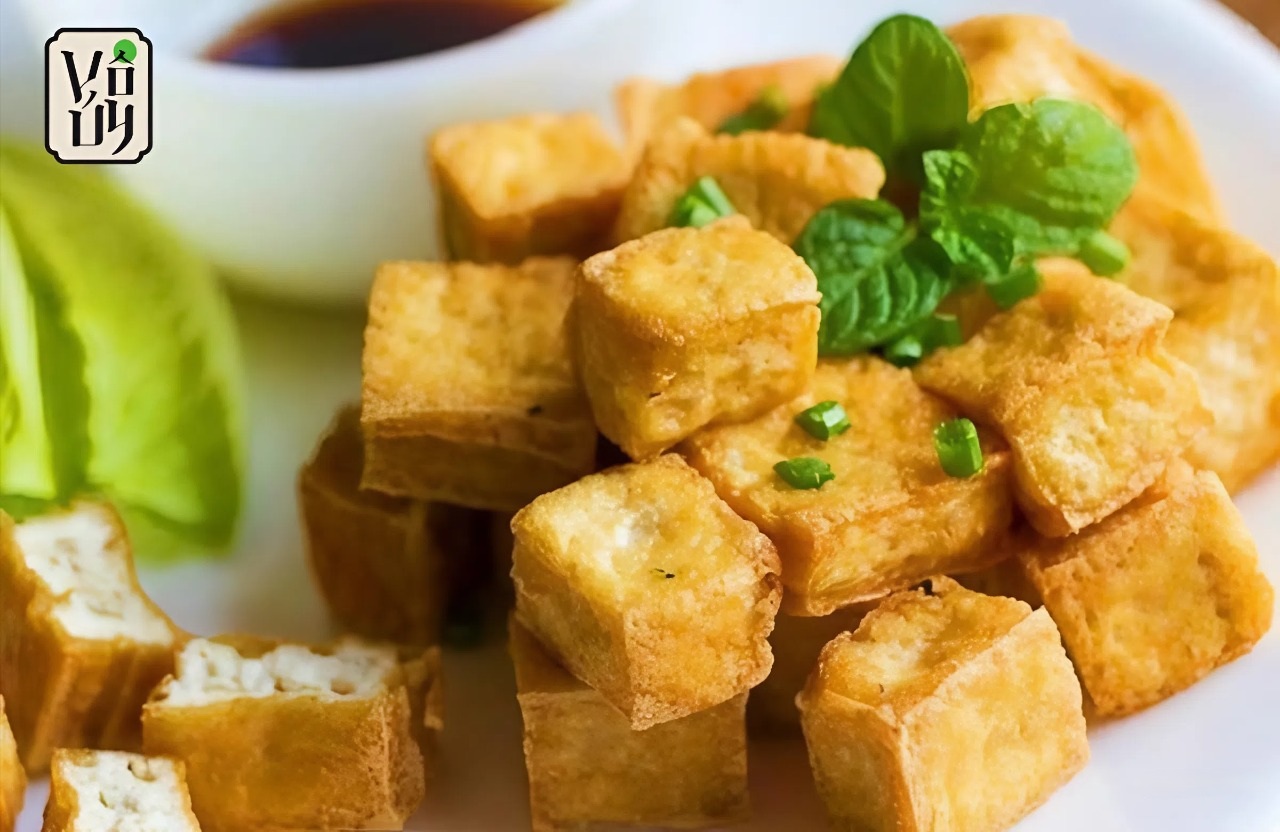
Fried tofu has more calories than the same tofu before frying because it absorbs oil. The 270 kcal per 100g in the table above is only a reference: deep-frying, pan-searing with little oil, or blotting off oil after frying will give different results.
Saucy dishes also need to be calculated from the recipe. A plate of tofu in a low-oil tomato sauce cannot be compared with tofu that is fried first and then coated in a sugary sauce. A more reliable way is to calculate the tofu first, then add the oil, sugar and other ingredients.
Why does tofu have different calorie counts?
Is tofu a good plant-based protein?
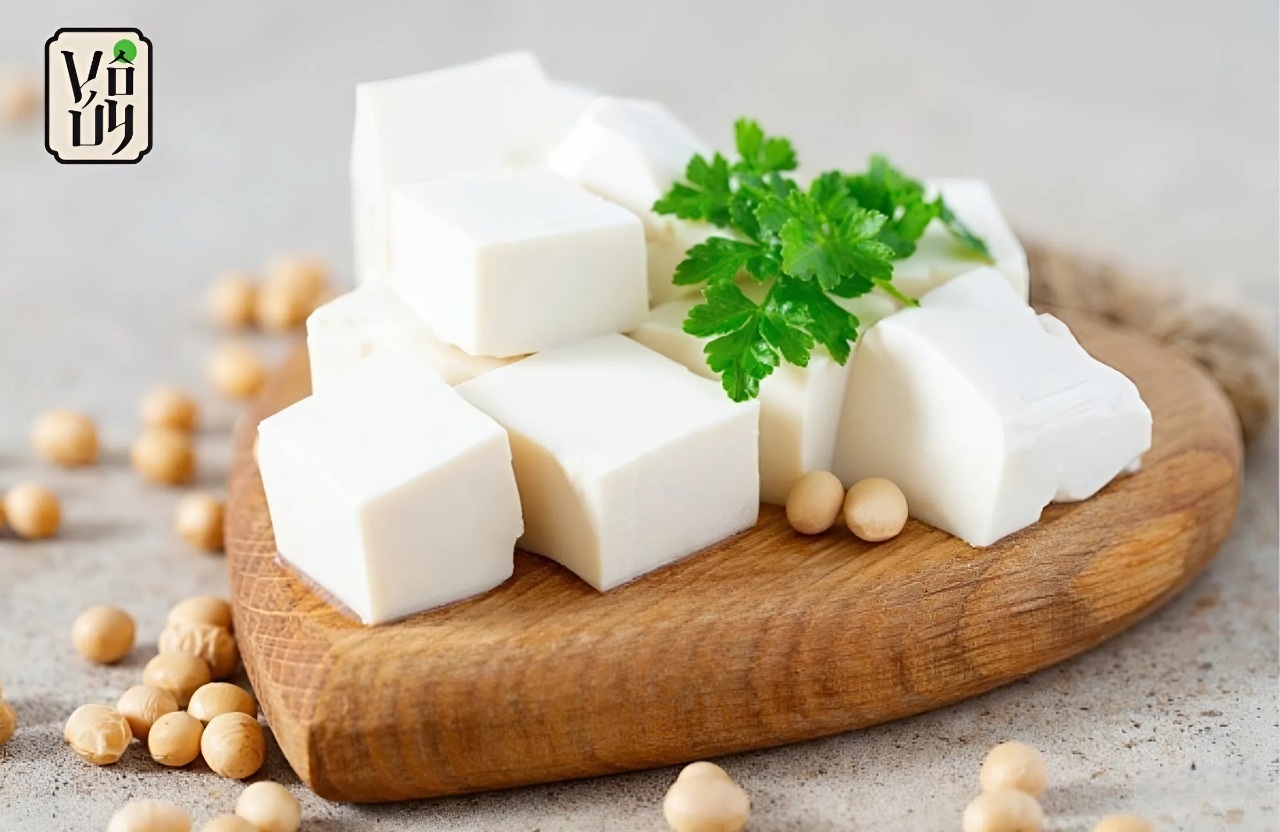
Tofu is a familiar plant-based protein in Vietnamese meals. According to the table above, 100g of regular tofu has about 8.1g of protein, while firm tofu has about 17.3g. Tofu also combines easily with soups, steamed dishes and braised dishes.
Still, the amount of protein you get depends on how much tofu you actually eat. A 50g piece gives only about half the protein of a 100g portion of the same type. If your main meal has only a few small pieces of tofu and a lot of vegetables, look at the whole meal before assuming you have had enough protein.
Tofu is a familiar plant-based protein source
Besides protein, what other nutrients does tofu contain?
Tofu is made from soybeans, so besides protein it also contains fat and some carbohydrate. According to the USDA, 100g of regular tofu set with calcium sulfate has about 350 mg of calcium, while firm tofu with the same coagulant has about 683 mg. Mineral content varies with ingredients and production methods, so if you choose tofu to add calcium to your diet, check the label of the exact product you use.
Should you rely only on tofu for protein?
You can eat tofu regularly, but meals are more varied when you rotate in lentils, chickpeas, other beans and other soy products. Each has its own flavor and nutrient profile.
You also do not need to turn every vegetarian meal into a complicated calculation. Start by checking whether the meal has a main dish, vegetables and a protein source. Only when you have a specific nutrition goal do you need to calculate in more detail based on the food you eat.
How to combine tofu for a balanced vegetarian meal
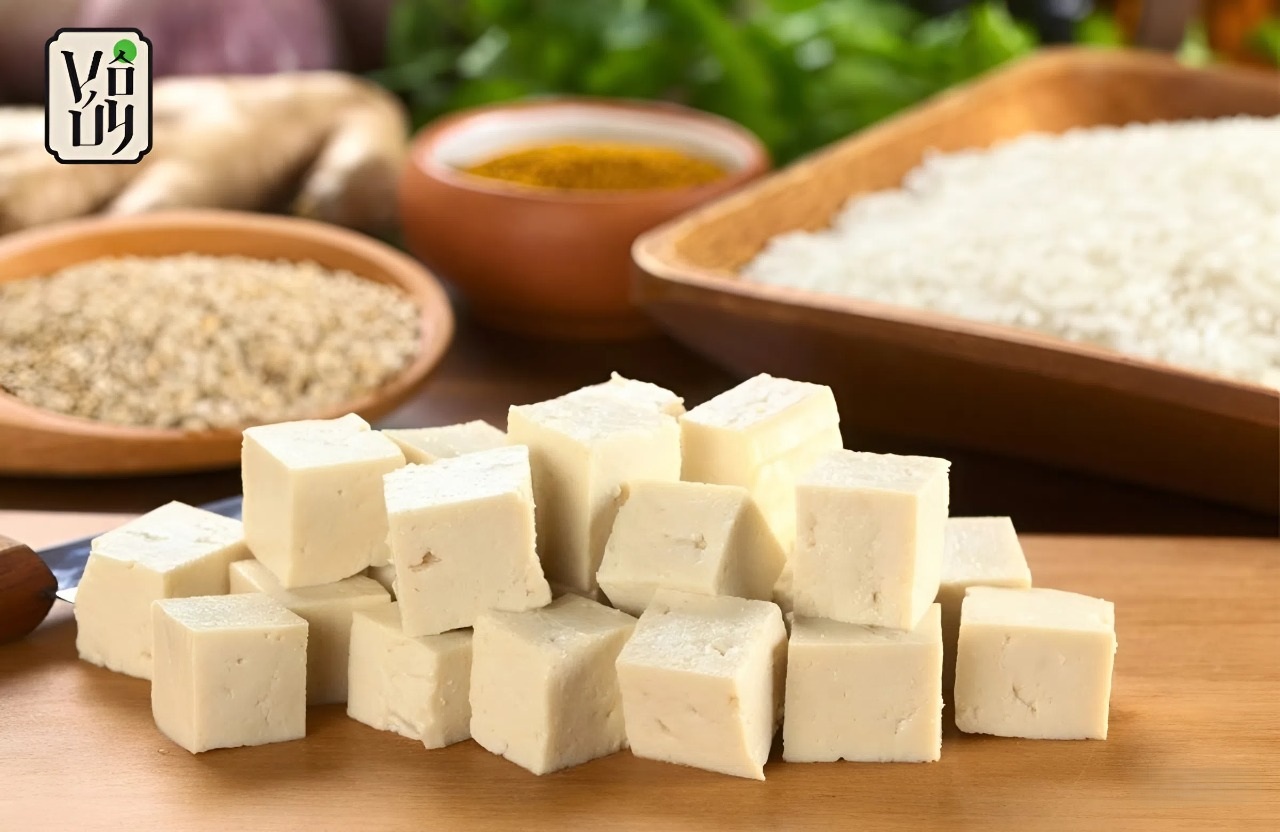
A single tofu dish does not make a whole meal. You can pair tofu with vegetables, mushrooms, grains and other legumes, then adjust the oil and sauce to your taste and energy needs.
Three easy combinations
A light meal: ginger-steamed tofu, boiled vegetables and a portion of rice that suits your needs. If there is soy sauce or a dipping sauce, pay attention to how much you use instead of counting only the tofu.
A complete main meal: a plate of tofu braised with mushrooms served with rice and leafy greens. The mushrooms add flavor, and the amount of tofu should be enough for the braised dish to truly be the main dish.
A meal that is easier to keep track of: tofu in soup, steamed or pan-seared with measured oil. Knowing how much oil and sauce you use is often more useful than looking for a fixed calorie number for the name of a dish.
To change the flavor, you can change the cooking method instead of only changing the seasoning: soft tofu suits gentle soups, while firm tofu suits braising or pan-searing.
How to combine tofu for a balanced vegetarian meal
How to calculate calories for a tofu dish at home
You can calculate a dish in four steps:
- Weigh the tofu and note the calories for the exact type you are using.
- Record the oil, sugar and sauce and any other ingredients you add.
- Add up the energy of the whole dish.
- Divide by the portion each person actually eats, if you cook for several people.
For example, a plate of tofu for two people requires you to count all the tofu, oil and sauce in the pan first. If one person eats most of the plate, simply dividing it in half will not reflect the real portions.
Which nutrition source should you use to calculate tofu calories?
Use this order of priority: the label of the product you are using, then data that states the type of tofu, then a general reference figure. The numbers in this article come from the USDA FoodData Central database and are not measurements of every block of tofu sold in Vietnam.
For restaurant dishes, the name of a dish is not enough to determine calories. You need the recipe, the weight of the ingredients and the serving size. Until a restaurant has that information, it is better to describe the ingredients and cooking method than to give a number without a basis.
Enjoy tofu dishes at Vô Úy vegetarian restaurant
Tofu can be a rich, savory dish or a light one, depending on how the chef combines ingredients and seasons it.
If you would like a vegetarian meal with your family, you can browse the Vô Úy vegetarian restaurant menu and choose dishes that suit your taste before booking a table. If you want to know the ingredients or preparation of a particular dish, you can ask the restaurant directly.
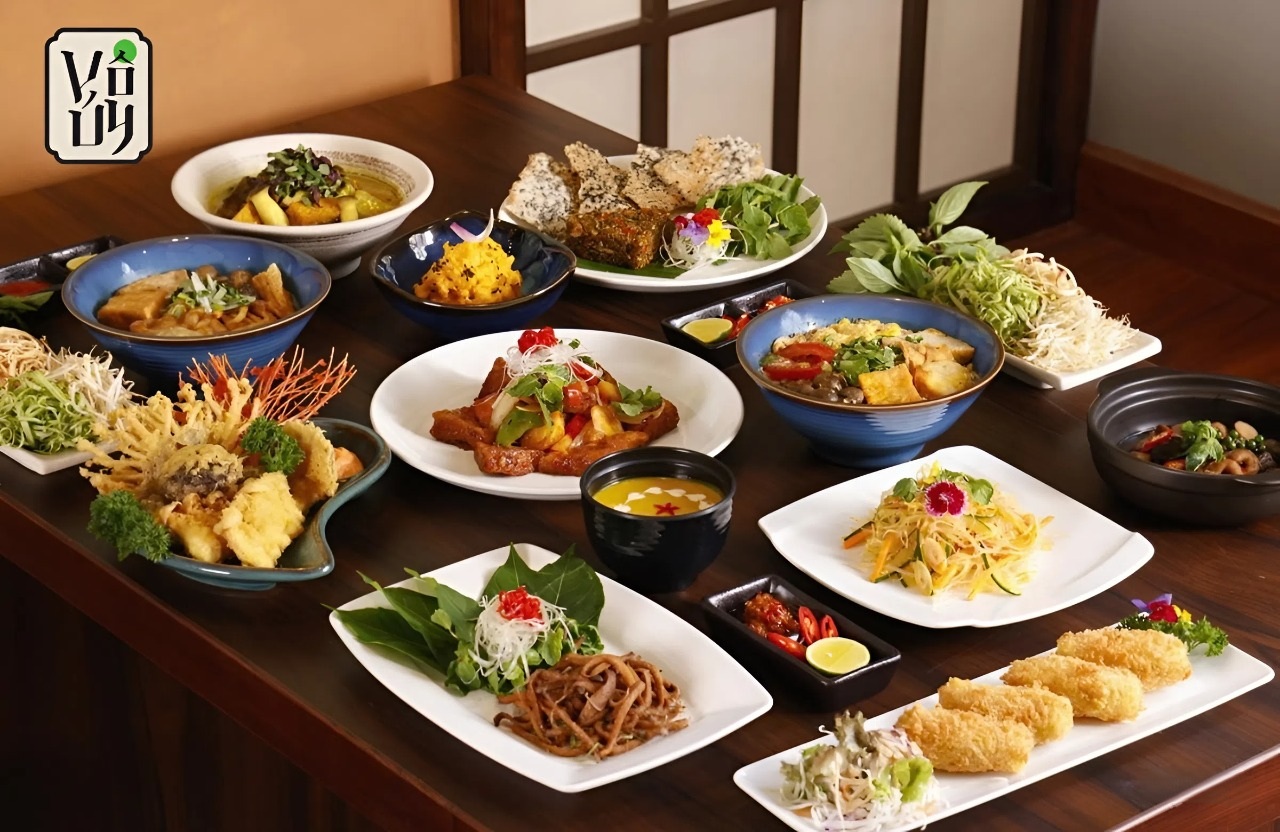
Enjoy tofu dishes at Vô Úy vegetarian restaurant
Frequently asked questions about calories in tofu
How many calories are in fried tofu?
According to the USDA, 100g of fried tofu has about 270 kcal, 18.8g of protein and 20.2g of fat. This is only a reference, because the amount of oil absorbed depends on how it is fried. If you buy packaged fried tofu, check the nutrition label first.
Which has fewer calories, soft tofu or regular tofu?
According to the USDA table above, soft tofu has about 61 kcal per 100g, lower than regular tofu at 76 kcal per 100g. When you buy a specific product, compare the kcal per 100g on the labels of the two types you are considering.
Does eating tofu make you gain weight?
No single food determines weight gain. Weight depends on the total energy you take in and burn over a period of time. Tofu can fit into a meal plan that manages energy intake, but a large portion of fried tofu with plenty of sauce can still make a meal high in energy.
Can you eat tofu every day?
Tofu can be part of a daily menu if you eat a varied diet and your portions suit your needs. People who follow a special diet or have a health condition that needs monitoring should talk to a nutrition professional.
Can people with a soy allergy eat tofu?
Tofu is made from soybeans. People with a confirmed soy allergy should avoid tofu and check the ingredients of a dish before ordering.
Conclusion
How many calories are in tofu depends on the type of tofu, the weight and the cooking method: about 61 kcal per 100g for soft tofu, 76 kcal for regular tofu, 144 kcal for firm tofu and 270 kcal for fried tofu (according to the USDA). When you braise, add sauce or fry, you need to add the energy from the oil and accompanying ingredients.
If you would like a change of taste with a vegetarian meal alongside your loved ones, you can book a table at Vô Úy vegetarian restaurant and choose tofu dishes for the whole family to enjoy.