

 0902 353 527
  cskh@nhahangvouy.com

How to Make Vegetarian Banh It Tran Soft and Chewy at Home
Vegetarian banh it tran is a traditional Vietnamese dumpling known for its simple yet refined flavor. However, not everyone knows how to make it perfectly soft, chewy, and well-balanced. In this guide, Vô Úy Vegetarian Restaurant will walk you through a step-by-step process to make authentic vegetarian banh it tran at home with ease.
The Origin of Vegetarian Banh It Tran and Its Role in Vietnamese Cuisine
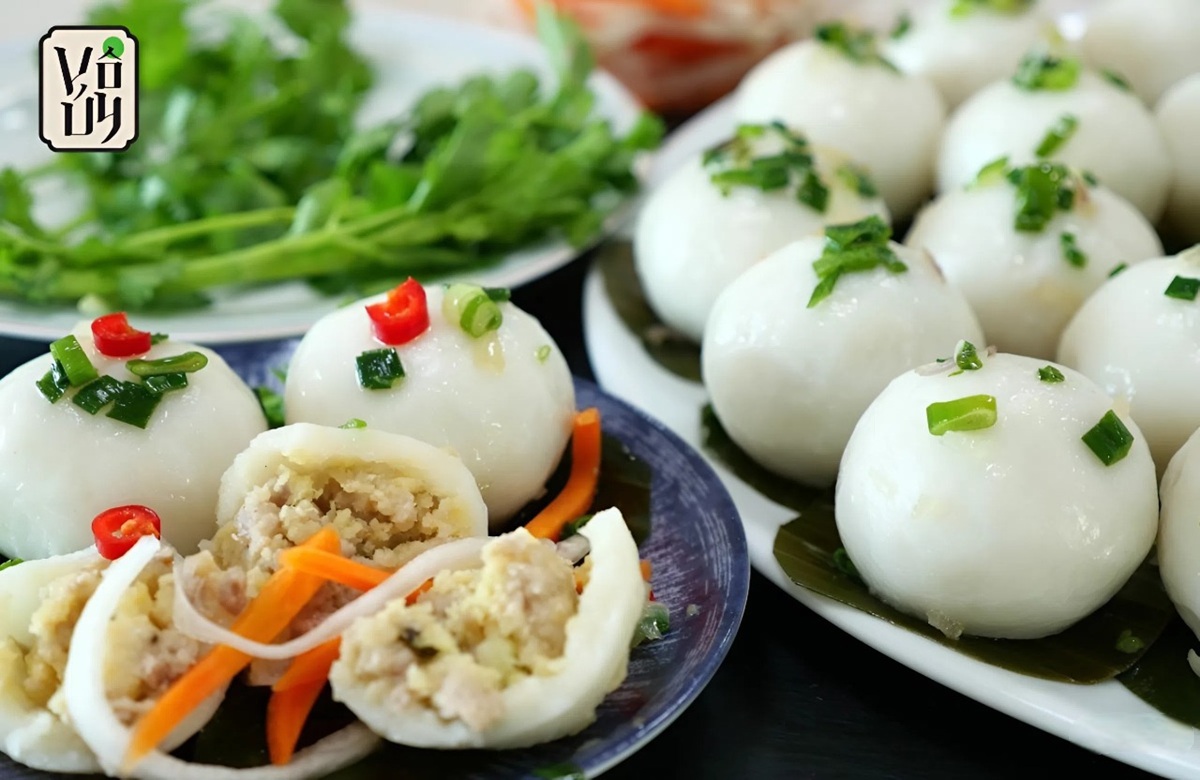
Vegetarian banh it tran is a traditional Vietnamese dish made from glutinous rice flour. Unlike other versions such as banh it la gai, this dumpling is not wrapped in leaves. The word “tran” means “bare,” referring to the cooking method—boiled directly in water without any wrapping.
This dish is commonly prepared during traditional ceremonies, full moon offerings, or vegetarian meals. Thanks to its light yet nutritious profile, vegetarian banh it tran has become a popular choice for many families.
The Origin of Vegetarian Banh It Tran and Its Role in Vietnamese Cuisine
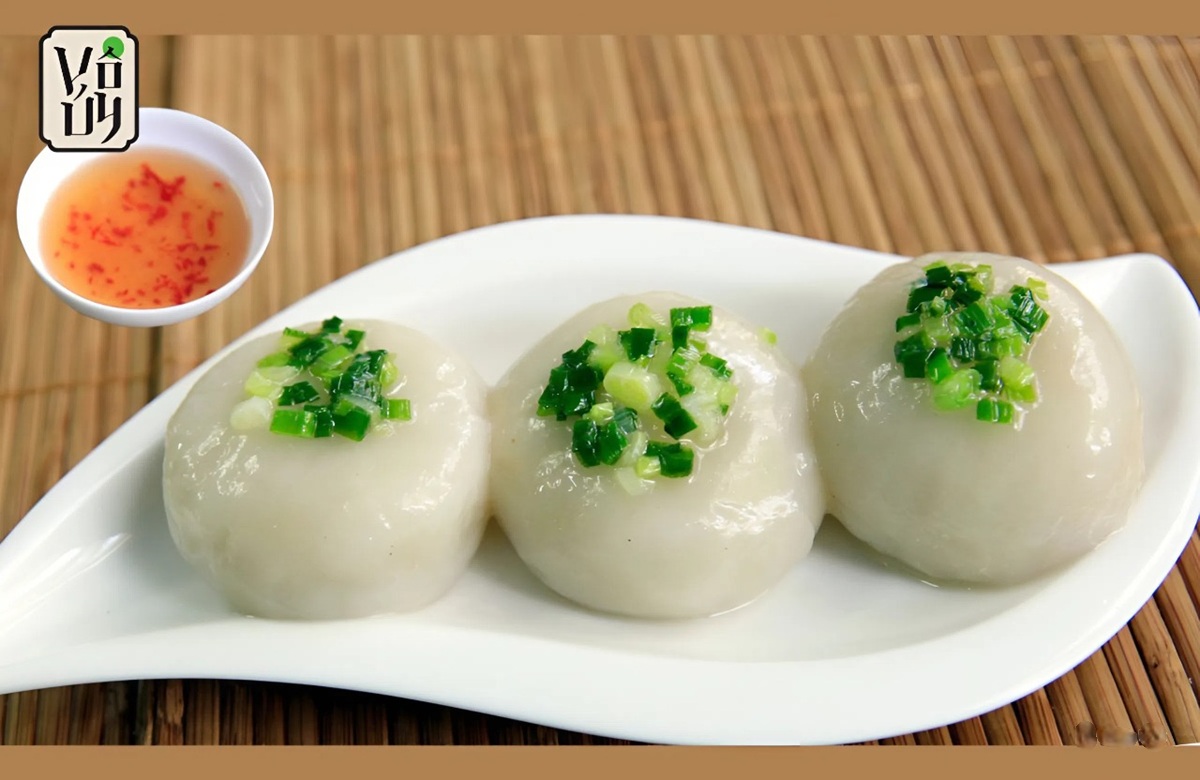
What makes this dish special is the perfect harmony between the soft, chewy outer layer, the creamy mung bean filling, and the fragrant scallion oil. When eaten, you can enjoy the elasticity of the dough, the richness of the filling, and the savory taste of the dipping sauce.
Not only is it delicious, but vegetarian banh it tran is also good for your health. Mung beans are rich in plant-based protein, helping you feel full longer without increasing cholesterol levels. The dough, made from natural glutinous rice flour, contains fewer calories compared to fried snacks. Additionally, the dish provides fiber from vegetables and mushrooms, supporting digestion. It is an excellent option for vegetarians or those on a healthy diet.
Ingredients for Authentic Vegetarian Banh It Tran
To make delicious vegetarian banh it tran, you need to prepare the right ingredients in proper proportions.
Dough Ingredients
- 300g glutinous rice flour
- 200ml warm water
- 1 teaspoon cooking oil
- 1/2 teaspoon salt
Vegetarian Mung Bean Filling
- 200g peeled mung beans
- 1 teaspoon salt
- 1 tablespoon sugar
- 1 tablespoon cooking oil
Scallion Oil (Vegetarian)
- Chopped scallions
- 2–3 tablespoons hot oil
- A pinch of salt
Vegetarian Dipping Sauce
- Soy sauce or vegetarian fish sauce
- Sugar
- Water
- Chili (optional, depending on taste)
Choosing fresh and high-quality ingredients directly affects the final result. You should use new glutinous rice flour to ensure a chewy texture, and select mung beans that are evenly sized and free from mold.
Step-by-Step Guide to Making Soft and Chewy Vegetarian Banh It Tran
Step 1: Prepare and Cook the Mung Beans
Soak the mung beans for about 2–3 hours until softened. Then steam or boil them until fully tender. Once cooked, mash the beans and mix them with salt, sugar, and cooking oil. Lightly sauté the mixture in a pan until it becomes smooth and cohesive.
Step 2: Knead the Dough
Place the glutinous rice flour in a bowl, add salt, and gradually pour in warm water. Knead the dough until it becomes soft, smooth, and non-sticky. Add a small amount of cooking oil to improve elasticity. Cover the dough with a warm cloth and let it rest for about 20 minutes.
Step 3: Shape the Dumplings
Divide the dough into small portions, flatten each piece, and place the filling in the center. Gently wrap and roll it into a smooth ball, ensuring the filling is fully enclosed without cracks on the surface.
Step-by-Step Guide to Making Soft and Chewy Vegetarian Banh It Tran
Step 4: Boil the Dumplings
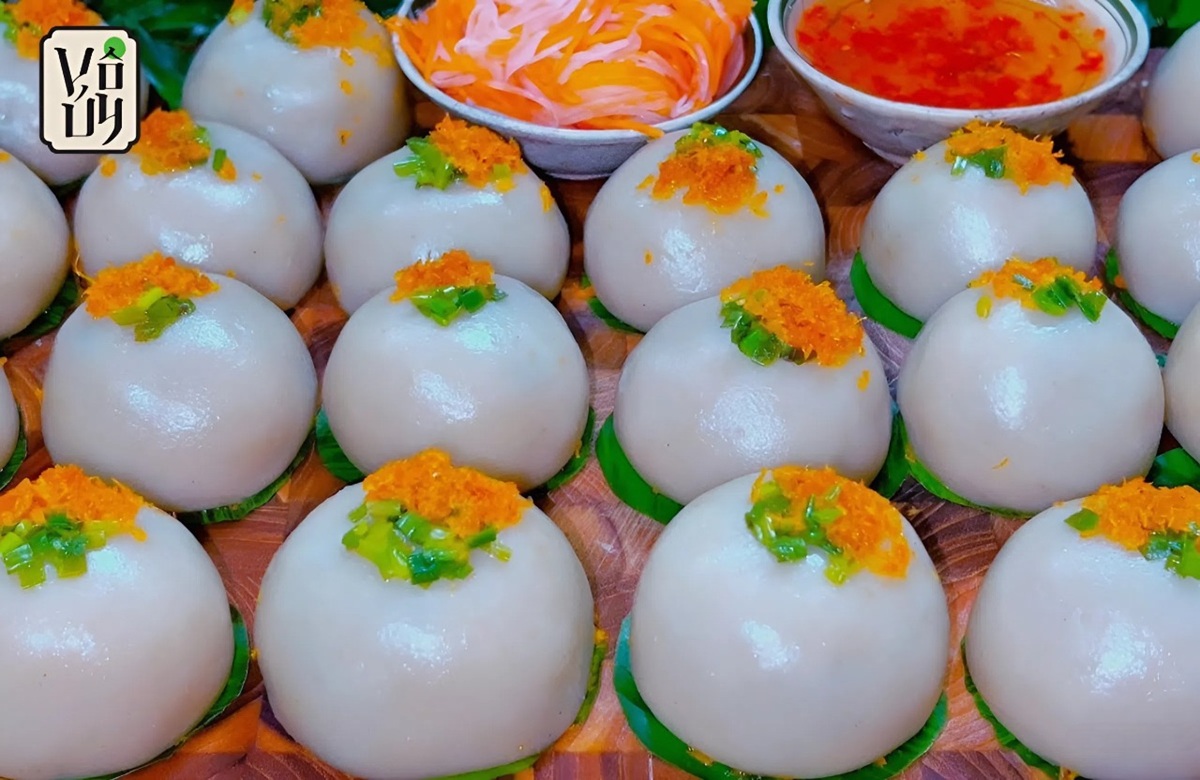
Bring a pot of water to a boil and drop the dumplings in. Once they float to the surface, continue cooking for another 2–3 minutes. Remove them and transfer immediately into a bowl of cold water to enhance their chewiness and transparency.
Step 5: Make Scallion Oil
Heat the oil and pour it directly over chopped scallions. Add a pinch of salt to enhance the flavor.
Step 6: Prepare the Dipping Sauce
Mix soy sauce (or vegetarian fish sauce) with sugar and water in a balanced ratio. Add chili if you prefer a slightly spicy taste.
Tips to Make Vegetarian Banh It Tran Soft and Not Hard
To achieve perfectly soft and chewy vegetarian banh it tran, attention to detail is essential. Even a small mistake can result in dumplings that are too firm, too mushy, or lacking their signature texture.
Balance the Water and Flour Ratio
The ratio of water to glutinous rice flour is the most important factor. Always add warm water gradually instead of pouring it all at once. A well-prepared dough should be soft, elastic, and non-sticky. If the dough is too wet, the dumplings will lose shape during cooking. If it is too dry, the dumplings will turn hard after boiling.
Tips to Make Vegetarian Banh It Tran Soft and Not Hard
Cook the Dumplings Properly
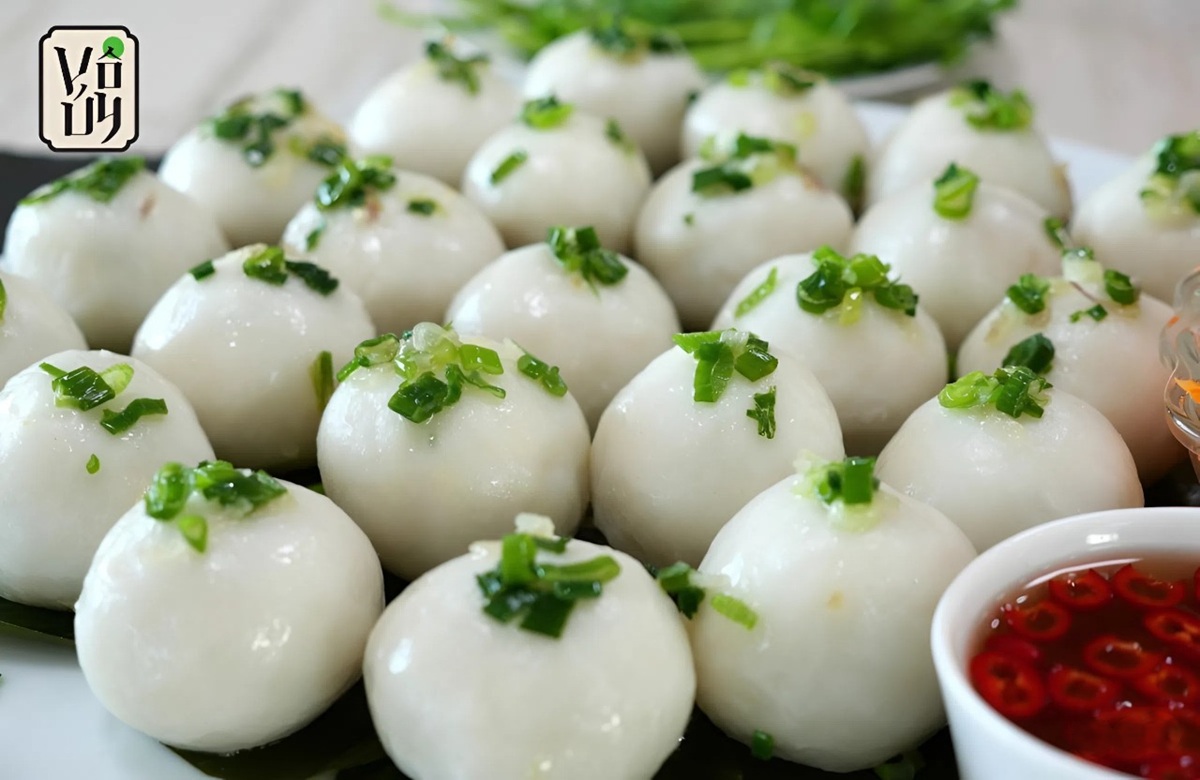
When the dumplings float, do not remove them immediately. Let them cook for an additional 2–3 minutes to ensure they are evenly cooked inside. After removing them, place them into cold water for a few seconds. This step helps “lock in” the chewy texture and prevents them from sticking together.
Apply Oil to Prevent Sticking
Lightly coat the dumplings with a thin layer of oil after boiling. This not only gives them a glossy appearance but also prevents them from sticking when placed together on a plate. Additionally, pay attention to the filling. The mung bean filling should be cooked until dry enough to hold its shape. If it is too moist, the steam can seep into the dough, making the dumplings soggy.
Delicious Variations of Vegetarian Banh It Tran
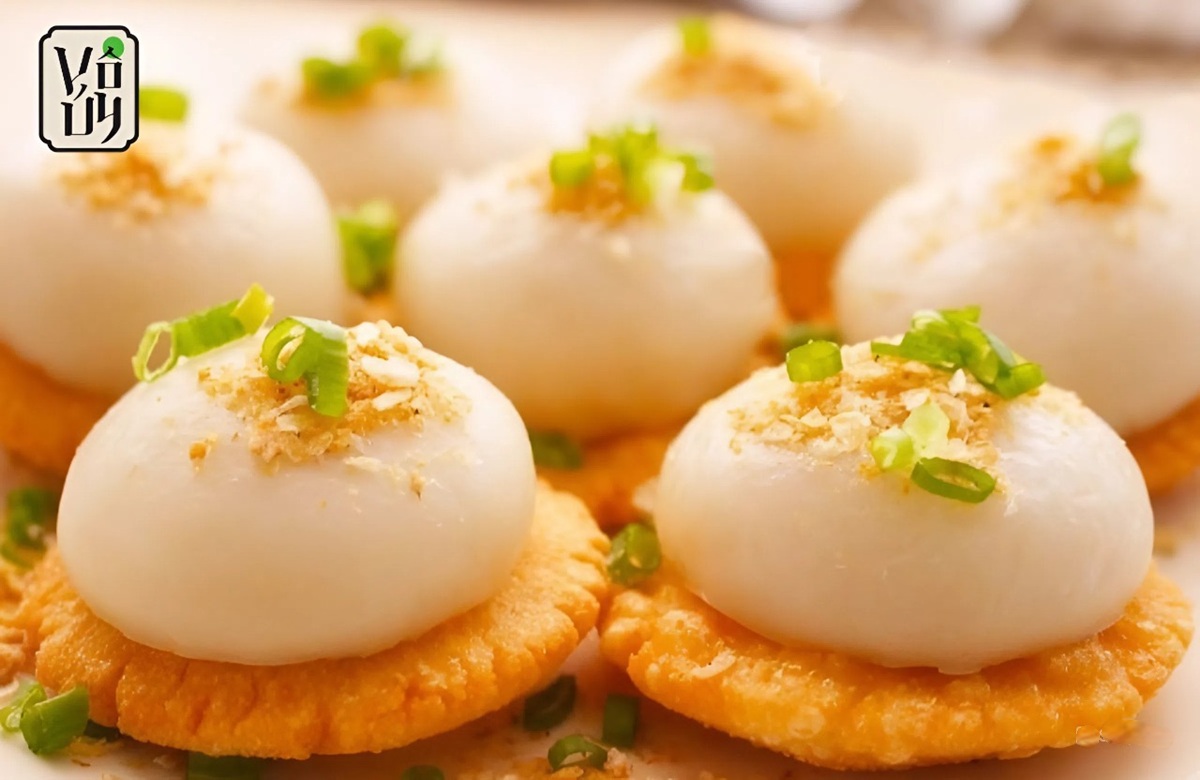
Vegetarian banh it tran is not limited to the traditional version. You can easily customize it to suit different tastes. The most popular version is still the mung bean filling, offering a creamy and mildly rich flavor that pairs perfectly with the chewy outer layer.
If you prefer a slightly sweet taste, try a coconut filling. Shredded coconut mixed with sugar creates a light, fragrant sweetness that works well as a snack. For a more modern twist, mushroom filling is a great option. The savory stir-fried mushrooms provide a unique flavor while reducing the richness of traditional fillings. You can also adjust oil and seasoning levels to create a healthier, low-calorie version.
Delicious Variations of Vegetarian Banh It Tran
How to Store Vegetarian Banh It Tran Properly
Vegetarian banh it tran tastes best when freshly made. However, you can still preserve its quality with proper storage.
For short-term storage, place the dumplings in an airtight container and keep them in the refrigerator for 1–2 days. When ready to eat, simply steam or briefly boil them to restore their softness. For longer storage, you can freeze the dumplings. Wrap them tightly in food wrap or store them in an airtight container to prevent drying or absorbing odors. When needed, thaw naturally and reheat by steaming.
Avoid reheating for too long, as prolonged high heat can make the dumplings hard and reduce their chewiness.
How to Store Vegetarian Banh It Tran Properly
Frequently Asked Questions About Vegetarian Banh It Tran
How many calories are in vegetarian banh it tran?
Each dumpling contains approximately 80–120 calories, depending on its size.
Can I replace glutinous rice flour with another type?
No. Glutinous rice flour is essential for achieving the signature chewy texture.
How can I keep the dumplings soft longer?
Store them properly in airtight containers and reheat them correctly before serving.
Conclusion
Vegetarian banh it tran is not only a traditional Vietnamese dish but also a reflection of culinary balance and craftsmanship. By understanding the ingredients, mastering each step, and applying a few essential tips, you can easily recreate soft, flavorful dumplings at home. With this detailed guide from Vô Úy Vegetarian Restaurant, you can confidently prepare a delicious vegetarian dish that is both meaningful and satisfying for your family.