

 0902 353 527
  cskh@nhahangvouy.com

What Is Trai Gioi? A Guide to Buddhist Precept Observance
What is Trai Gioi? In a specifically Buddhist sense, “trai giới” refers to undertaking precepts together with trai observance – a disciplined practice associated with purity, restraint and, in certain precept systems, refraining from eating at improper times. Its best-known form is Bát Quan Trai Giới, commonly translated as the Eight Precepts or the Eightfold Uposatha Observance, traditionally practised for one day and one night.
In everyday Vietnamese usage, trai giới is sometimes understood more broadly as eating vegetarian food, refraining from unwholesome conduct and cultivating a peaceful state of mind on particular days. Vegetarianism may therefore be part of the practice, but it is not completely synonymous with trai giới.
This article explains the differences between trai giới, vegetarianism, thọ trai, observance days and the Eight Precepts. It also offers practical guidance for beginners.
What does trai gioi mean?
Trai giới can be understood as the combination of observing trai discipline and keeping precepts that a person has voluntarily undertaken. The exact scope of the practice is not identical across all Buddhist traditions. It may depend on the precepts being observed, the period of commitment and the guidance of the temple or community where the practitioner studies.
According to the explanation of Bát Quan Trai Giới published by the Vietnam Buddhist information portal, the word trai is associated with purity and restraint. In specific systems of precepts, it is also connected with refraining from eating at improper times. The word giới refers to ethical precepts that help practitioners avoid unwholesome conduct.
| Component | General meaning | Important clarification |
|---|---|---|
| Trai | Associated with purity, restraint and observance concerning food and meal times. | In the Eight Precepts, refraining from eating at improper times is a specific factor of the practice. |
| Giới | Ethical precepts that practitioners voluntarily undertake and maintain. | The precepts concern not only food but also conduct and speech. |
For this reason, trai giới should not be understood simply as avoiding meat and fish. Food choices may be part of the observance, but its core also lies in ethical discipline, restraint and appropriate conduct during the period of commitment.
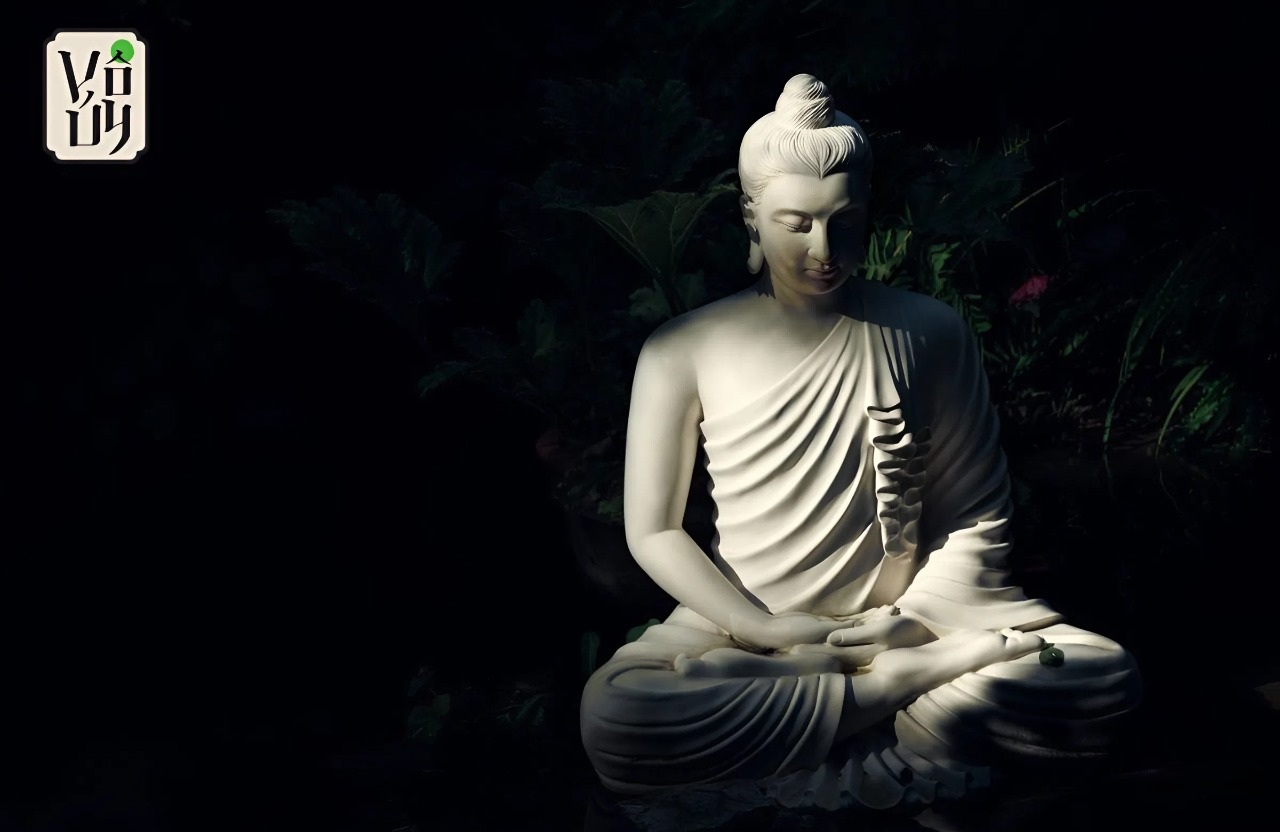 Understanding the meaning of trai giới in Buddhism
Differences between trai gioi, vegetarianism, tho trai and observance days
These concepts often appear together and are therefore easily confused. However, each term has a distinct meaning and scope.
| Concept | Main meaning | Key distinction |
|---|---|---|
| Vegetarianism | A dietary choice that excludes or limits foods derived from animals. | It may be motivated by religion, health, environmental concerns or personal preference. It does not necessarily involve undertaking Buddhist precepts. |
| Trai giới | Observing trai discipline while maintaining precepts that have been undertaken. | Its scope is broader than food choice alone. |
| Thọ trai | Receiving or taking a meal in a temple, monastery or Buddhist practice setting. | Taking such a meal is not the same as formally undertaking precepts. |
| Ngày trai | A day set aside for vegetarian eating, restraint and Buddhist practice according to a particular tradition. | The dates and form of observance may differ between communities. |
| Bát Quan Trai Giới | An observance consisting of eight factors or precepts for lay Buddhists during a defined period. | It is a specific form of trai giới, not the meaning of every use of the term. |
Are vegetarianism and trai gioi the same?
Vegetarianism and trai giới are related but not identical. Vegetarianism primarily concerns the food a person chooses to eat. Trai giới, by contrast, involves observance and the ethical principles that a practitioner has voluntarily undertaken.
A person may follow a vegetarian diet for health or environmental reasons without making a commitment to Buddhist precepts. Conversely, someone observing a particular set of precepts must pay attention to conduct and speech as well as food.
Therefore, eating vegetarian food while continuing to speak hurtfully, act dishonestly or intentionally harm others does not fully express the ethical spirit associated with the observance.
Is lifelong vegetarianism the same as observing trai gioi permanently?
Lifelong or continuous vegetarianism means maintaining a vegetarian diet over an extended period. Trai giới has a broader scope and depends on the particular precepts and commitments undertaken by each practitioner.
A person may be a lifelong vegetarian without formally observing a specific set of Buddhist precepts. Likewise, someone who observes trai giới on a particular day may not maintain a vegetarian diet throughout the year. You can read more in our article explaining what lifelong vegetarianism means.
What is tho trai?
Thọ trai refers to receiving or taking a meal in a temple, monastery or Buddhist practice setting. Mindful reflection, gratitude and contentment are practices commonly encouraged during the meal, but they do not constitute the entire definition of the term.
During a formal Buddhist meal ritual, known in Vietnamese as quá đường, or at certain temples and retreats, participants may be instructed to:
- Reflect on the work of those who grew, prepared and offered the food.
- Take only an amount appropriate to their needs.
- Remain attentive while eating.
- Avoid unnecessary noise or conversation.
- Refrain from choosing food out of craving or indulgence.
- Avoid leaving food uneaten or causing waste.
Thọ trai is not the same as undertaking precepts. A person may have a meal at a temple without having formally undertaken the Eight Precepts or another set of Buddhist precepts.
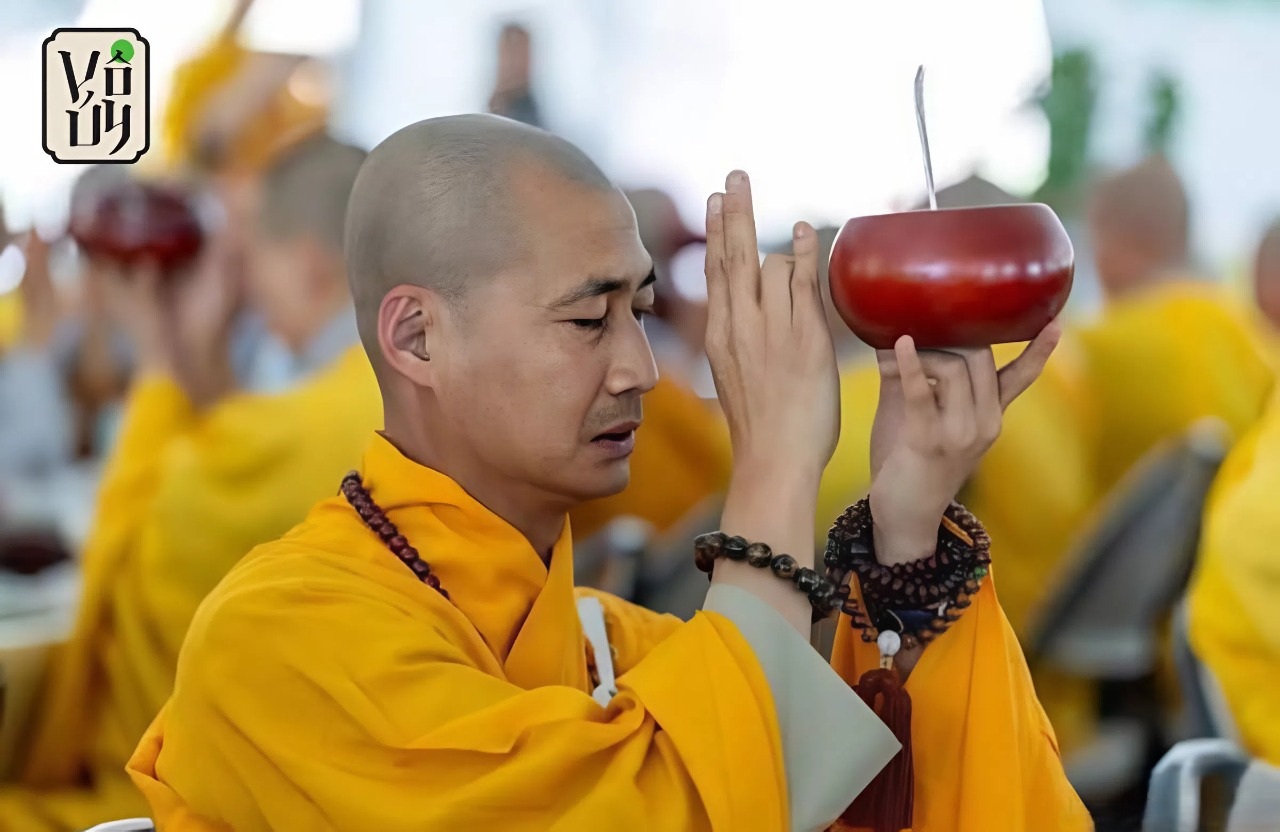 Thọ trai refers to taking a meal in a Buddhist practice setting
What is a trai observance day?
In Vietnamese Mahayana Buddhist practice, a ngày trai commonly refers to a lunar-calendar day set aside for vegetarian eating, restraint and spiritual practice. Practitioners may eat vegetarian food, chant sutras, recite the Buddha’s name, meditate, perform acts of generosity and pay closer attention to their conduct and speech.
The practices known as nhị trai, tứ trai, lục trai and thập trai involve observing two, four, six or ten designated days in a lunar month. These schedules belong to particular traditions and should not be treated as a universal calendar for every Buddhist school.
Those following the ten-day observance may consult this guide to the ten vegetarian observance days in a lunar month. The dates are a supportive framework, however, rather than the ultimate purpose. What matters most is using the day to cultivate ethical conduct and wholesome habits.
What are the Eight Precepts?
Bát Quan Trai Giới, commonly known in English as the Eight Precepts or the Eightfold Uposatha Observance, is a specific form of trai giới for lay Buddhists. Practitioners temporarily adopt a disciplined way of life resembling aspects of monastic practice, traditionally for one day and one night or for the period specified by their teacher.
In Pāli, this observance is commonly called aṭṭhaṅgika uposatha, referring to an Uposatha observance completed through eight factors.
According to a common Sino-Vietnamese explanation of the name:
- Bát means “eight.”
- Quan is likened to gates that prevent unwholesome actions from arising.
- Trai is associated with purity, restraint and refraining from eating at improper times.
- Giới refers to the precepts that practitioners undertake and maintain.
The eight factors are commonly presented as follows:
- Refraining from killing living beings: avoiding the intentional taking of life.
- Refraining from taking what is not given: respecting the property and rights of others.
- Observing celibacy: refraining from sexual activity during the period of observance.
- Refraining from false speech: maintaining truthful and responsible communication.
- Refraining from intoxicants: avoiding substances that impair awareness or encourage heedlessness.
- Refraining from eating at improper times: commonly understood as not taking solid food after noon, according to the precepts and guidance being followed.
- Refraining from adornment and unsuitable entertainment: avoiding dancing, singing, music and unsuitable performances, as well as perfumes, cosmetics and decorative adornments during the observance.
- Refraining from high or luxurious beds and seats: choosing a simple place to sit and rest rather than indulging in luxury.
Note: Buddhist traditions may group, separate or order these practices differently. Some sources separate personal adornment from singing, dancing and entertainment, while treating refraining from food at improper times as the specific trai observance. Practitioners should therefore follow the explanation given by their teacher or Buddhist community.
Observing the Eight Precepts does not simply mean eating one vegetarian meal. Practitioners should understand all eight factors and voluntarily maintain them throughout the period of commitment.
Beginners who wish to undertake the precepts formally should seek guidance from Buddhist monks, nuns, qualified Dharma teachers or a trusted Buddhist community. Reading introductory material can support understanding, but it does not entirely replace direct instruction.
 The Eight Precepts are a specific form of trai giới observance
How beginners can observe a trai day
Beginners can start with a form of practice suited to their health, daily schedule and the Buddhist tradition they are exploring. It is not advisable to set unrealistic goals or undertake precepts without first understanding what they involve.
If you simply wish to choose a day for vegetarian eating and personal cultivation at home, you may:
- Plan your meals in advance to avoid rushed decisions.
- Take only an appropriate amount of food and avoid waste.
- Refrain from killing and other intentionally harmful conduct.
- Use truthful, gentle and responsible speech.
- Avoid unnecessary arguments.
- Set aside time for reading, listening to Dharma teachings or meditation.
- Help others within your ability.
- Reflect on your conduct, speech and state of mind at the end of the day.
These are introductory suggestions for a day of vegetarian eating and ethical reflection. They are not a substitute for observing all eight factors of the Eight Precepts. If you have formally undertaken a particular set of precepts, you should follow the commitments and guidance you received.
People with busy schedules can prepare simple dishes in advance, such as rice, vegetable soup, tofu, beans or vegetarian noodle dishes. The value of the meal does not depend on the number of dishes but on moderation, convenience and suitability for one’s health.
What should you eat on a Buddhist observance day?
The food suggestions below reflect vegetarian practices commonly found in Vietnamese Mahayana Buddhism. Dietary rules may vary depending on the Buddhist tradition and the commitments undertaken by each practitioner.
A vegetarian meal can include grains or other starchy foods, vegetables, plant-based sources of protein and fruit. It is generally helpful to choose fresh ingredients, use moderate cooking methods and adjust portions according to individual needs.
Useful principles for planning a meal include:
- Include a variety of food groups.
- Obtain protein from beans, lentils, tofu, soy products, seeds and nuts.
- Include vegetables, fruit and grains suited to your dietary needs.
- Limit heavily fried foods and dishes containing excessive sugar or salt.
- Eat an appropriate amount rather than assuming all vegetarian food is automatically light.
- Choose ingredients from identifiable and reliable sources.
- Avoid wasting food.
People who maintain a vegetarian or vegan diet over the long term should pay attention to nutritional balance. A varied diet and a reliable source of vitamin B12 are particularly important when all animal-derived foods are excluded.
Anyone with an existing medical condition, undergoing treatment, pregnant, breastfeeding or having special nutritional needs should consult a doctor or qualified dietitian before making a significant dietary change.
Simple vegetarian meal suggestions
Meals can be selected according to preparation time, personal taste and the needs of the family. For example, you may try vegetarian bún riêu for breakfast or lunch, or prepare tofu and seaweed soup to serve with rice and vegetables.
These are only meal suggestions, not mandatory requirements of trai giới. Food should be selected according to health, preparation conditions and the commitments being observed.
Can you eat eggs and dairy on an observance day?
Whether eggs and dairy are used depends on the person’s diet, Buddhist tradition and individual commitments. Some vegetarians include eggs or dairy, while vegans exclude all animal-derived foods.
If you are attending a retreat or practising at a temple, follow the guidance provided there. A dietary rule followed by one community should not automatically be applied to every Buddhist tradition.
Do you need to avoid the five pungent vegetables?
Avoiding the five pungent vegetables is not one of the eight factors stated in the Eight Precepts. Restrictions on pungent ingredients are primarily associated with certain Mahayana traditions and particular systems of precepts.
People who eat vegetarian food for health or personal preference may still use ingredients such as onions and garlic. Those following a particular Buddhist practice should follow the guidance they have received. You can also read our explanation of the five pungent vegetables.
Must all food be eaten before noon?
Not everyone who eats vegetarian food or observes a vegetarian day is required to stop eating after noon. Refraining from eating at improper times is a specific factor of the Eight Precepts and certain other systems of Buddhist discipline.
Someone following periodic vegetarianism may still eat meals at times appropriate to their health. A person who has undertaken the Eight Precepts should follow the precepts and the guidance of the teacher or Buddhist community where the observance was received.
Common misconceptions about trai gioi
| Common misconception | A more accurate understanding |
|---|---|
| Eating one vegetarian meal means that the entire observance has been completed. | Food is only one part of the practice. Trai giới also involves ethical precepts and conduct. |
| Everyone must observe trai gioi in exactly the same way. | The scope of practice depends on the tradition, the precepts undertaken and the individual’s commitment. |
| The more elaborate a vegetarian meal is, the more meaningful the observance becomes. | Its value does not depend on price or the number of dishes, but on moderation, contentment and avoiding waste. |
| A peaceful mind is all that matters, so conduct is unimportant. | Intentions, speech and conduct are interconnected. One element should not be used to replace the principles that have been undertaken. |
Frequently asked questions about trai gioi
Do you have to visit a temple on an observance day?
Lay practitioners can eat vegetarian food, read, meditate and perform wholesome actions at home. However, if you wish to undertake precepts formally or do not fully understand their meaning, you should seek guidance from Buddhist monks, nuns, qualified Dharma teachers or an appropriate Buddhist community.
How many vegetarian days should a beginner observe each month?
There is no single number suitable for everyone. Beginners can start according to their health, schedule and the tradition they are exploring. Consistency and a clear understanding of the purpose are generally more helpful than attempting too much and quickly giving up.
What if you need to take medication on an observance day?
People receiving medical treatment should prioritise their health and follow their doctor’s instructions. You should not stop medication, change the dosage or fast solely for the purpose of observing a trai day.
If you have formally undertaken a set of precepts, speak with your teacher about how to practise appropriately while managing your health condition.
If a vegetarian becomes angry, have they broken trai gioi?
Whether an action constitutes a breach depends on the specific precepts that the person has undertaken. It should not be determined from a passing emotion alone. Nevertheless, practitioners should recognise anger, avoid hurtful speech or conduct and work to regulate their state of mind.
A convenient vegetarian meal at Vô Úy Vegetarian Restaurant
Eating vegetarian food at a restaurant supports only the dietary aspect of the practice. It does not replace formally undertaking or maintaining Buddhist precepts. For people with busy schedules, however, choosing a vegetarian restaurant that can provide clear ingredient information may make it easier to maintain their diet.
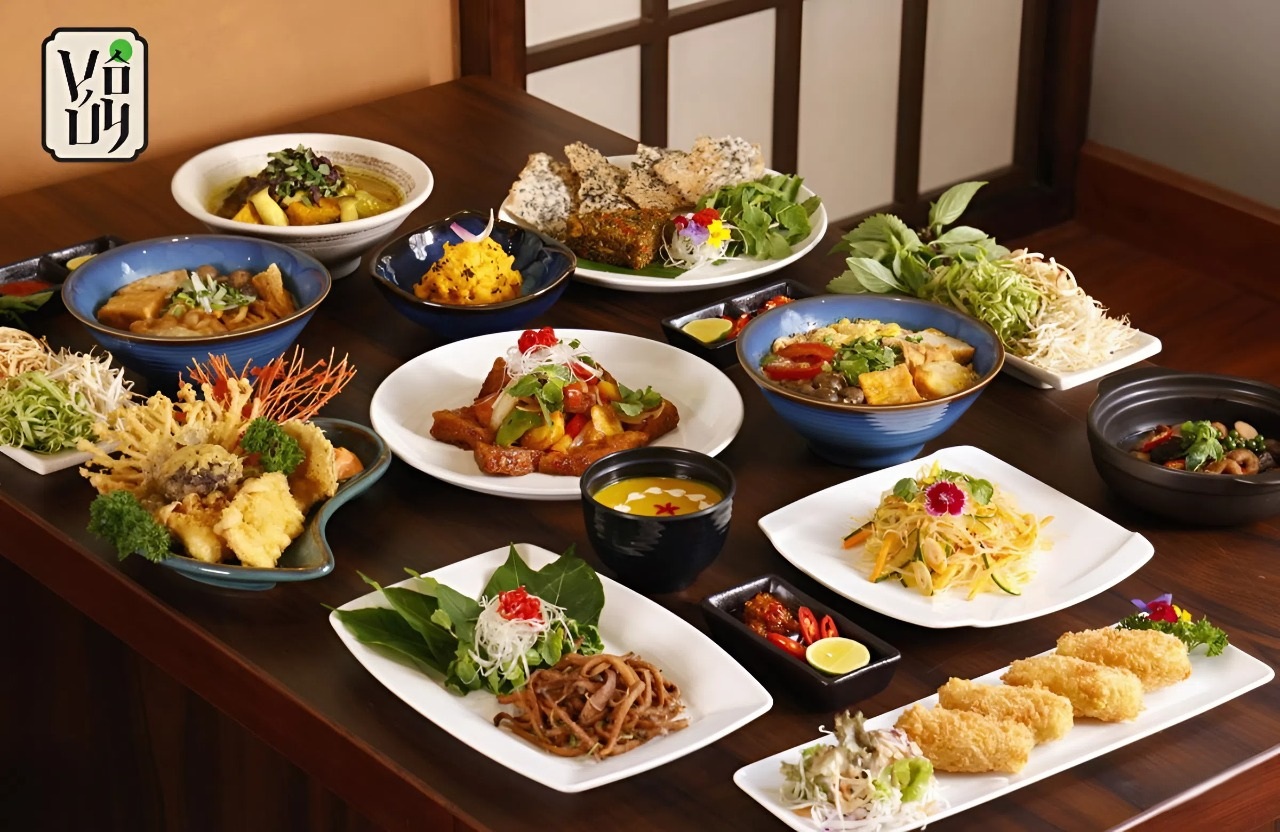 A convenient vegetarian meal at Vô Úy Vegetarian Restaurant
Vô Úy Vegetarian Restaurant serves a variety of vegetarian dishes suitable for individual meals, family gatherings and social occasions. You can view the Vô Úy vegetarian menu before your visit and select dishes according to your needs.
If you avoid onions, garlic, eggs or dairy, or have other ingredient requirements, speak with the restaurant staff before ordering so that they can provide clearer information.
Book a table at Vô Úy Vegetarian Restaurant if you would like a convenient vegetarian meal without spending time preparing it yourself.
Conclusion
Trai giới is not simply the avoidance of meat and fish. It also concerns observance and the ethical precepts that practitioners voluntarily undertake. Vegetarianism, thọ trai, observance days and the Eight Precepts are related concepts, but they are not identical.
Understanding the scope of each practice can help beginners choose an approach appropriate to their health, living circumstances and the Buddhist tradition they are exploring.