

 0902 353 527
  cskh@nhahangvouy.com
10 Day vegetarian diet: Monthly schedule and meaning of Thap Trai
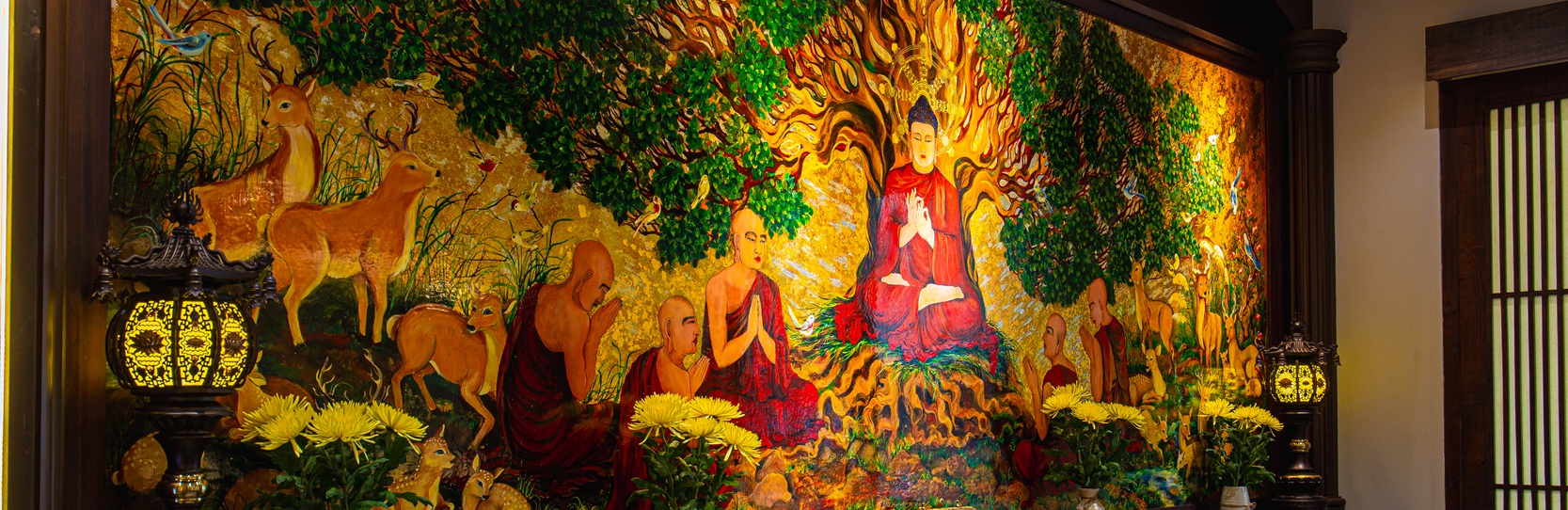
A 10 day vegetarian diet is followed each lunar month by many people who wish to cultivate compassion, reduce harm to animals and develop more balanced eating habits. In this context, the term refers to eating vegetarian food on 10 specified days of every lunar month rather than following a diet for 10 consecutive days. This article explains which dates are included, how the schedule changes in a 29-day lunar month, the meaning of Thap Trai and how to practise it according to your health, lifestyle and personal beliefs.
Summary of the 10 day vegetarian diet schedule:
- 30-day lunar month: the 1st, 8th, 14th, 15th, 18th, 23rd, 24th, 28th, 29th and 30th days.
- 29-day lunar month: the 1st, 8th, 14th, 15th, 18th, 23rd, 24th, 27th, 28th and 29th days.
- This is a form of periodic vegetarian practice in the Buddhist tradition. It is not compulsory for everyone.
What is the 10 day vegetarian diet known as Thap Trai?
The 10 day vegetarian diet, known in Vietnamese as Thap Trai, involves eating vegetarian food on 10 specified days of every lunar month. Practitioners generally avoid meat and fish, as well as other foods that may not align with their personal beliefs or religious commitments.
Although the English keyword may suggest a diet lasting 10 consecutive days, the traditional Thap Trai practice follows 10 separate dates throughout the lunar month.
In Buddhist life, these observance days provide an opportunity to practise moderation, reduce harm to living beings, maintain a peaceful mind and reflect on one’s behaviour. People who do not follow Buddhism may also adopt this periodic vegetarian schedule to reduce their consumption of animal-based foods and add more plant-based dishes to their diet.
Thap Trai should not be understood as a compulsory rule for everyone. Beginners can start with two or four vegetarian days each month and gradually increase the number when they become familiar with vegetarian ingredients, cooking methods and meal planning.
Who can follow the Thap Trai schedule?
This monthly vegetarian schedule may be suitable for people who want to follow the Buddhist vegetarian tradition, gradually reduce the amount of meat in their diet or become more familiar with plant-based meals. The important thing is to choose a practical approach without putting pressure on yourself to complete all 10 days immediately.
Pregnant or breastfeeding women, children, older adults, people undergoing medical treatment and anyone with special nutritional requirements should consult a doctor or registered dietitian before making significant dietary changes.
Is it compulsory to observe all 10 days?
No. The number of vegetarian days can be adjusted according to your health, lifestyle and personal goals. If you are not ready to follow Thap Trai, you may begin with two or four days per month. Consistency and mindfulness are generally more meaningful than attempting all 10 days without being able to sustain the practice.
10 day vegetarian diet schedule for each lunar month
According to the Thap Trai schedule commonly followed in Vietnamese Buddhist tradition, the 10 vegetarian days in a full 30-day lunar month are the 1st, 8th, 14th, 15th, 18th, 23rd, 24th, 28th, 29th and 30th days.
When a lunar month has only 29 days, the final three observance days are moved to the 27th, 28th and 29th so that the schedule still includes 10 days.
| Lunar month | Vegetarian days | Notes |
|---|---|---|
| 30-day lunar month | The 1st, 8th, 14th, 15th, 18th, 23rd, 24th, 28th, 29th and 30th days | Calculated according to the lunar calendar |
| 29-day lunar month | The 1st, 8th, 14th, 15th, 18th, 23rd, 24th, 27th, 28th and 29th days | The 27th, 28th and 29th replace the final three observance days of a 30-day lunar month |
To avoid confusing the lunar and Gregorian calendars, check a reliable lunar calendar at the beginning of each month. If you follow the guidance of a particular temple or Buddhist tradition, prioritise the schedule and interpretation provided by your religious teacher.
Meaning of following a 10 day vegetarian diet
Cultivating compassion and reducing harm to living beings
Eating vegetarian food on the Thap Trai days can remind practitioners to reduce harm and show greater care for the lives around them. Making conscious food choices also creates an opportunity to reflect on consumption habits, practise gratitude and develop a gentler way of treating others.
Spiritual significance
For Buddhist practitioners, an observance day is not only about food. It may also be an opportunity to be mindful of speech and behaviour, read Buddhist teachings, meditate, perform charitable acts or spend time in reflection.
The meaning of Thap Trai therefore lies in broader personal cultivation rather than simply replacing meat and fish with vegetarian dishes.
Interpretations of the significance of individual observance days may vary among sources and traditions. Therefore, this article does not present claims such as gaining longevity, eliminating negative karma or guaranteeing good health as certain outcomes of vegetarian eating.
Potential health value
A balanced diet that prioritises vegetables, fruit, whole grains, legumes, nuts and minimally processed plant foods may support cardiovascular health. However, vegetarian dishes containing excessive sugar, salt, oil or highly processed ingredients are not automatically healthy simply because they do not contain meat.
Information from the American Heart Association also highlights the importance of overall dietary quality in a plant-forward eating pattern. Vegetarians should therefore prioritise varied, minimally processed foods instead of focusing only on removing meat and fish.
Environmental significance
Reducing the consumption of animal-based foods and using more plant ingredients may help reduce pressure on natural resources. When combined with buying only what is needed, limiting food waste and choosing seasonal ingredients, vegetarian meals can become part of a more sustainable lifestyle.
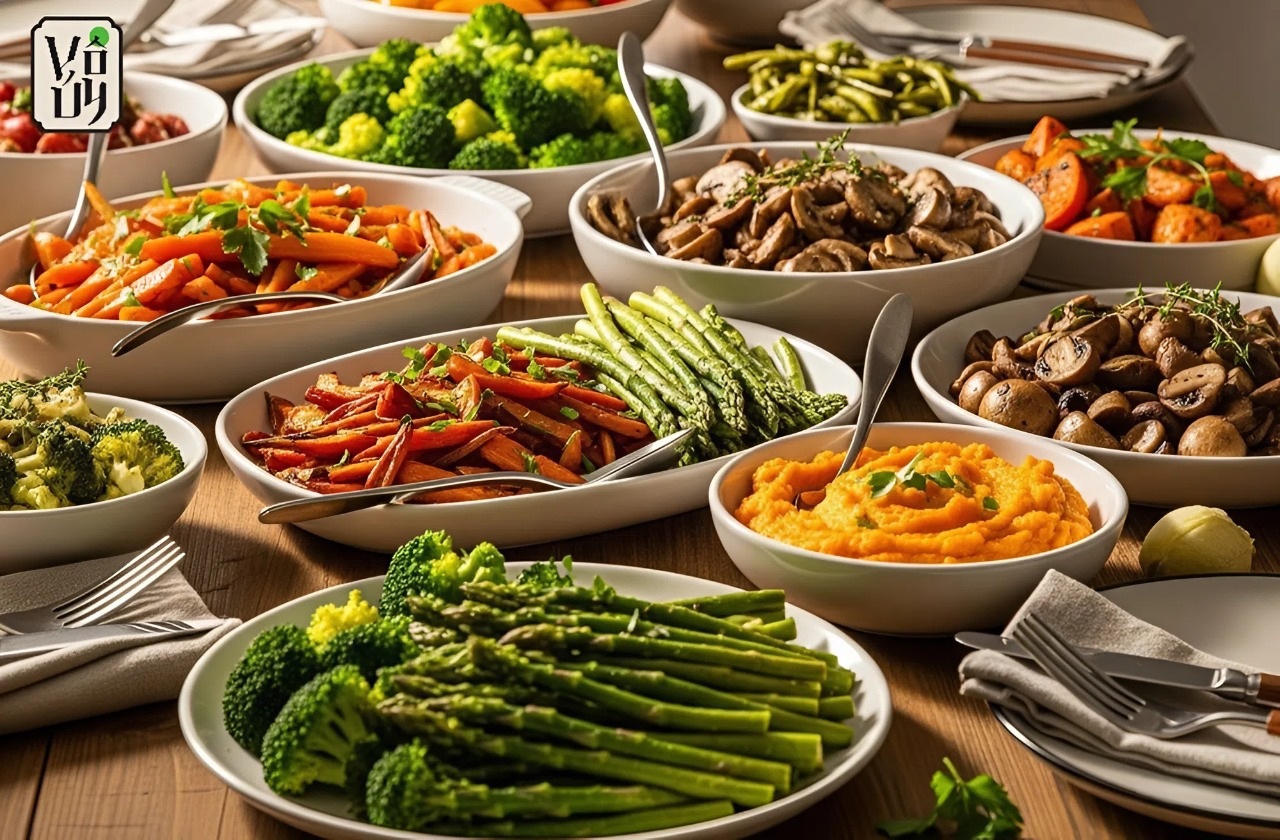
You can learn more about the benefits of vegetarian eating to distinguish the value of a balanced diet from claims that are not supported by clear evidence.
How to follow the 10 day vegetarian diet properly
Begin according to your own ability
If you have never followed a vegetarian diet, try one or two vegetarian meals each week before adopting a fixed schedule. Once you become familiar with the ingredients, cooking methods and your body’s response, you can gradually increase the number of days.
There is no single schedule that is suitable for everyone. Choose an approach that you can maintain without negatively affecting your health or daily routine.
Build balanced vegetarian meals
A vegetarian meal should not consist only of boiled vegetables or carbohydrates. You can build a more balanced meal using the following food groups:
- Carbohydrate sources: rice, potatoes, oats, noodles, pho noodles or whole grains.
- Plant-based protein: tofu, tempeh, soybeans, lentils, mung beans, red beans, nuts, seeds and other legume-based products.
- Healthy fats: nuts, seeds, avocado, sesame oil, olive oil or other sources appropriate for your dietary needs.
- Vegetables and fruit: choose a variety of colours and use seasonal produce whenever possible.
People following a long-term vegetarian diet should pay attention to vitamin B12, iron, calcium, zinc, iodine, vitamin D and omega-3 fatty acids. Whether supplementation is necessary depends on the person’s diet and health status. Supplements should not be taken solely on the basis of general information.
Common mistakes to avoid
- Eating only rice, noodles or vegetables without an adequate protein source.
- Consuming too many fried dishes, processed vegetarian products or salty sauces.
- Eating too little because vegetarian meals are assumed to be light and low in calories.
- Applying the same meal plan to everyone, including people with special nutritional requirements.
- Focusing only on food while overlooking moderation and mindfulness during the practice.
Combine vegetarian eating with a suitable lifestyle
On vegetarian days, you can combine a balanced diet with appropriate physical activity, sufficient sleep, adequate hydration and activities that support mental well-being.
If you experience persistent tiredness, dizziness, unintended weight loss or other health concerns, consult a qualified healthcare professional.
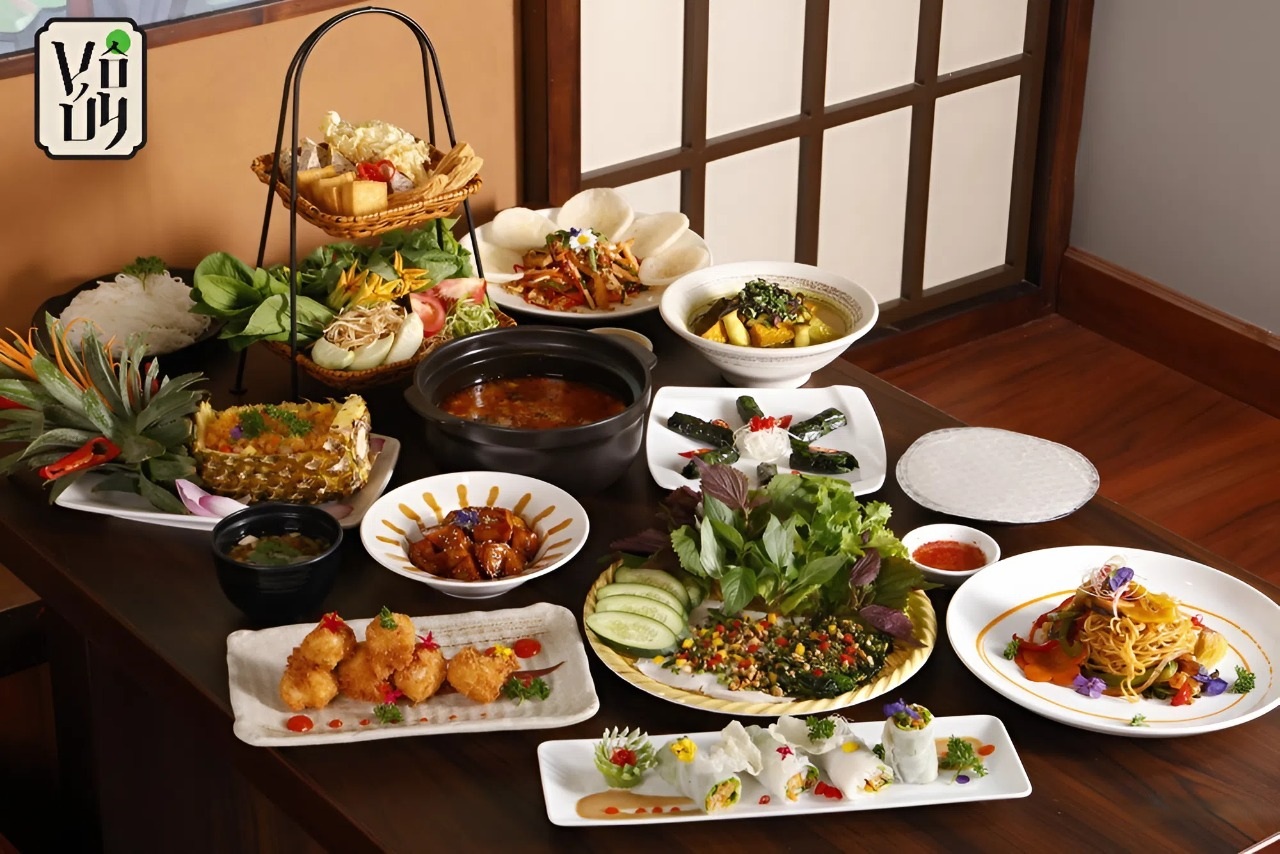
Suggested 10 day vegetarian diet meal plan
The menu below is provided for reference. Ingredients can be adjusted according to your family’s nutritional needs, preferences and health conditions.
| Lunar day | Suggested main dish | Suggested accompaniment |
|---|---|---|
| 1st day | Vegetarian bun rieu | Fresh herbs and fruit |
| 8th day | Lotus seed rice and tofu with mushroom sauce | Vegetable soup |
| 14th day | Vegetarian mushroom noodles | Fresh herbs |
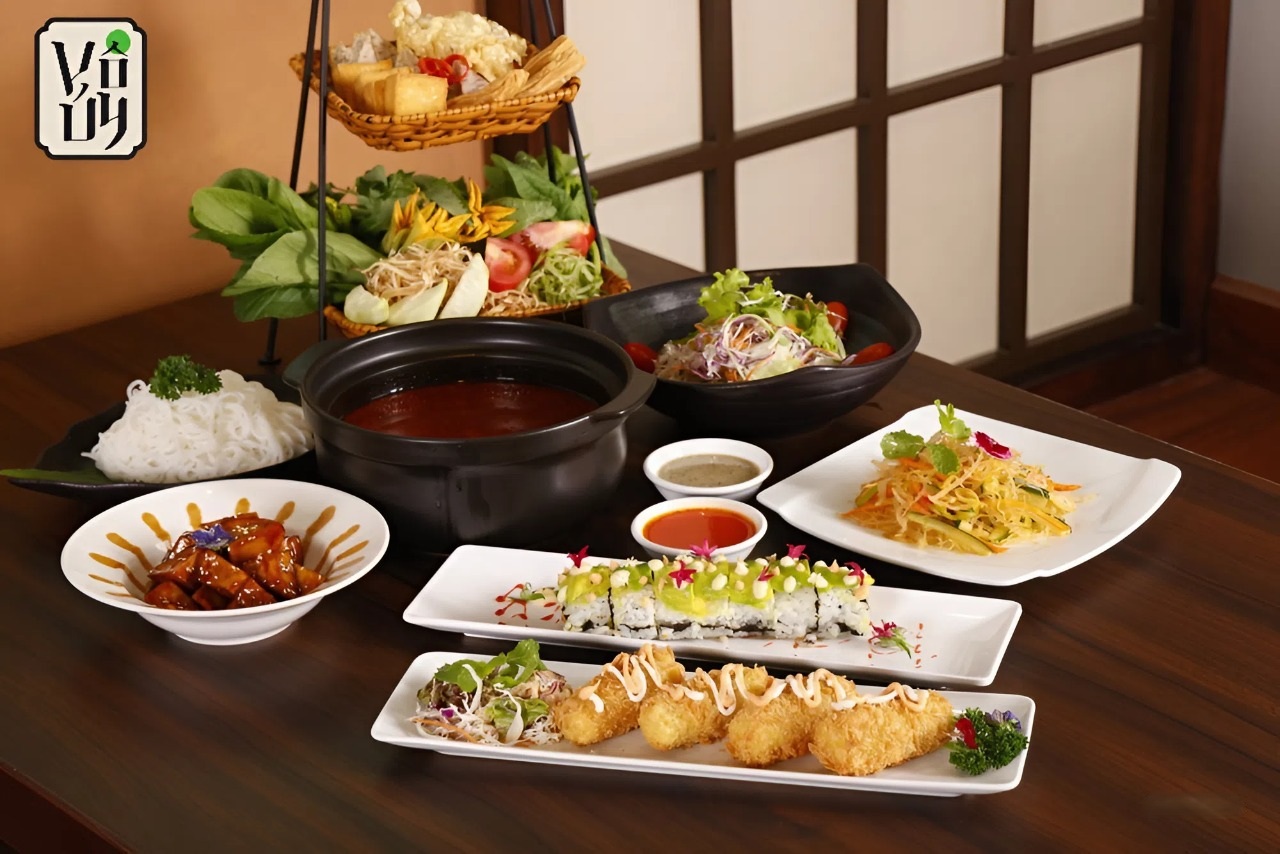
| 15th day | Vegetarian vegetable and mushroom hot pot | Vegetable salad |
| 18th day | Vegetable rice rolls and braised tofu | Pumpkin soup |
| 23rd day | Vegetarian pho | Fresh herbs and bean sprouts |
| 24th day | Vegetarian shredded tofu rolls | Seaweed and tofu soup |
| 28th day | Banh hoi with vegetarian spring rolls | Goi cu hu dua chay |
| 29th day | Udon noodles with vegetables and tofu | Steamed vegetables |
| 30th day | Vegetarian bun bo Hue | Vegetable salad |
Comparison of common periodic vegetarian practices
In addition to Thap Trai, practitioners may choose different numbers of vegetarian days. The precise dates may vary among sources and traditions, so the table below presents commonly followed schedules for reference.
| Practice | Duration | Common schedule |
|---|---|---|
| Nhi Trai | 2 days per month | The 1st and 15th days of the lunar month |
| Tu Trai | 4 days per month | Schedules vary by tradition; commonly the 1st, 14th, 15th and 30th, with the 29th used in a shorter lunar month |
| Luc Trai | 6 days per month | The 1st, 8th, 14th, 15th, 23rd and 30th, with the 29th used in a shorter lunar month |
| Thap Trai | 10 days per month | The 1st, 8th, 14th, 15th, 18th, 23rd, 24th, 28th, 29th and 30th days |
| Nhat Nguyet Trai | One month | Following a vegetarian diet for an entire month |
| Tam Nguyet Trai | Three months | Often associated with the 1st, 7th and 10th lunar months |
| Long-term vegetarianism | Continuous | Maintaining a vegetarian diet over the long term |
If you would like to learn about maintaining a vegetarian diet over the long term, read the article explaining long-term vegetarianism before choosing an approach.
Frequently asked questions about the 10 day vegetarian diet
Is the 30th observed in a 29-day lunar month?
No. A shorter lunar month has only 29 days. According to the commonly followed Thap Trai schedule, the final three dates of a full lunar month—the 28th, 29th and 30th—are replaced by the 27th, 28th and 29th. The other observance days remain unchanged.
Can people who are not Buddhist follow this schedule?
Yes. People who do not follow Buddhism can still choose 10 days each month to reduce their consumption of meat and fish or become more familiar with plant-based dishes. If your purpose is not religious, you can select dates that suit your lifestyle instead of strictly following the lunar calendar.
Can eggs and dairy products be consumed during Thap Trai?
This depends on the form of vegetarianism and the tradition you follow. Some people consume dairy products or unfertilised eggs, while vegans avoid all animal-derived foods. If you follow the vegetarian practices of a particular temple, ask about the rules observed there.
Can the observance be moved to different days?
If you follow the traditional Thap Trai practice, use the specified lunar-calendar dates. If your main goal is to reduce meat consumption or improve your eating habits, you can choose days that fit your personal schedule. In that case, it should be understood as an individual vegetarian schedule rather than the traditional Thap Trai observance.
Can a 10 day vegetarian diet cause nutritional deficiencies?
Following a vegetarian diet on 10 days each month does not automatically cause nutritional deficiencies. The risk depends on your overall dietary intake, food variety and health status.
Make sure your meals include suitable sources of protein, carbohydrates, fats, vegetables and fruit. Consult a qualified professional if you have special nutritional needs.
A 10 day vegetarian diet can connect food choices with compassion, moderation and a more mindful way of living. You do not need to put pressure on yourself to practise perfectly from the beginning. Start according to your ability, build balanced meals and maintain a schedule that is appropriate for you.
Conclusion
Following a 10 day vegetarian diet each lunar month, also known as Thap Trai, can help cultivate moderation, compassion and healthier eating habits. You can begin with a few vegetarian days each month and gradually adjust the schedule according to your health, daily routine and personal beliefs.
If you would like to explore different flavours during the Thap Trai days, browse the Vo Uy vegetarian menu. Once you have selected a suitable time, reserve a table at Vo Uy Vegetarian Restaurant so that our team can prepare for your visit and serve you thoughtfully.