

 0902 353 527
  cskh@nhahangvouy.com

Five Pungent Vegetables: What Are They and Should Buddhists Avoid Them?
The five pungent vegetables – also known as the five pungent roots or five pungent spices—are a group of strong-smelling, sharp-tasting plants mentioned in certain Buddhist scriptures and East Asian Mahayana traditions. In Vietnam, the list commonly includes onions or scallions, chives, garlic, nén (hành tăm), and kiệu (Chinese onion). Some translations use xingqu, often interpreted as asafoetida, in place of nén or kiệu. Whether someone needs to avoid all of these ingredients depends on their precepts, spiritual practice, health needs, and teacher’s guidance.
A vegetarian diet should therefore not be automatically equated with abstaining from the five pungent vegetables. Someone who eats vegetarian food for health or personal preference may still use onions and garlic, while certain Buddhist practitioners avoid them to support observance of the precepts and meditation. Read on with Vô Úy Vegetarian Restaurant for a balanced explanation.
Quick summary:
- The five pungent vegetables are a group of strong-smelling, sharp-tasting plants discussed in certain Buddhist traditions.
- A common Vietnamese list includes onions or scallions, chives, garlic, nén, and kiệu, although the list varies by text and translation.
- Not every vegetarian or lay Buddhist is required to avoid them completely.
- Anyone who has formally taken relevant precepts or follows a specific practice should follow those commitments and consult their Dharma teacher when needed.
What are the five pungent vegetables?
In this context, “pungent” refers to a sharp taste and strong aroma. The term describes five aromatic plants commonly used to add flavor to food. Onions, chives, garlic, nén, and kiệu are everyday cooking ingredients, but Buddhist discussions consider how their strong smell and stimulating qualities may affect the body and mind during practice. They are not excluded because they come from animals—all five are plants.
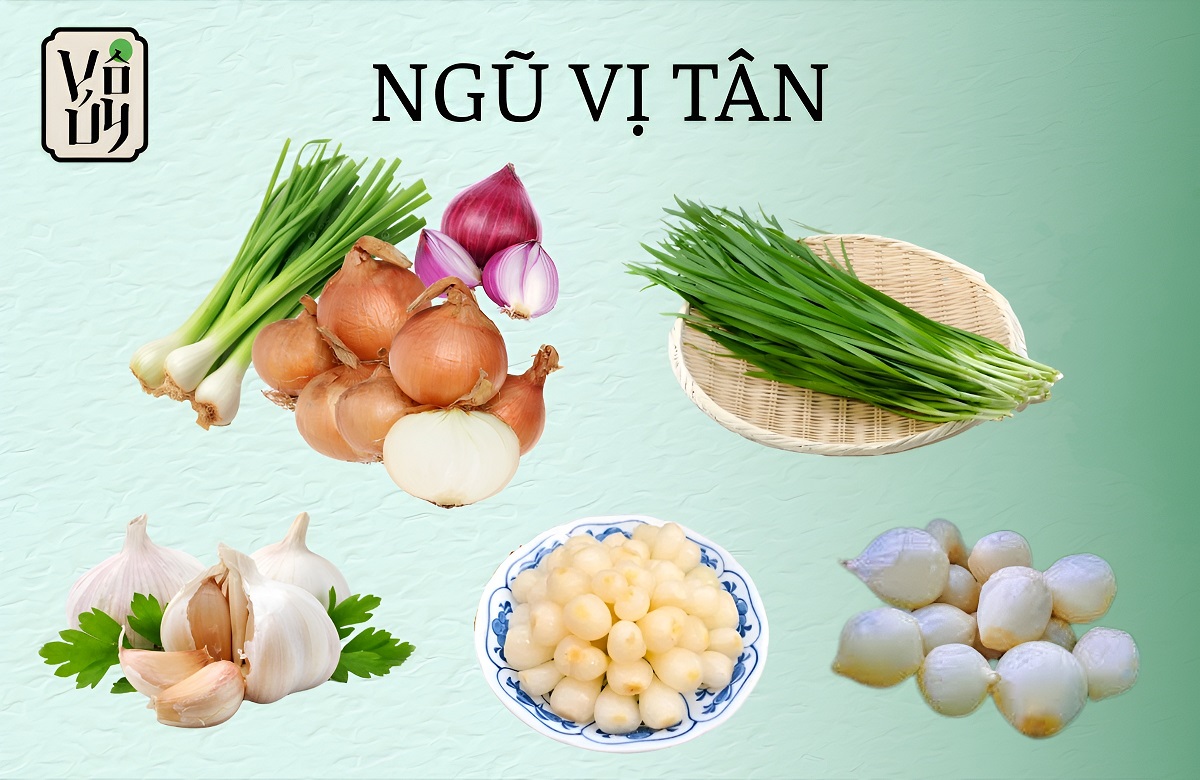
Which ingredients are included in the five pungent vegetables?
Many contemporary Vietnamese Buddhist sources describe the group using these five ingredients:
- Onions or scallions: The term may encompass several members of the onion family used as seasoning.
- Chives: An aromatic herb in the onion family with a distinctive smell.
- Garlic: A strongly scented seasoning widely used in cuisines around the world.
- Nén: A small aromatic allium also known locally in Vietnam as hành tăm.
- Kiệu: Commonly identified as Chinese onion, a bulb often pickled or used as a seasoning in Vietnam.
Some scriptures or translations instead list onions, chives, garlic, nén, and xingqu; other sources include kiệu. Xingqu is an old name for a pungent ingredient that is uncommon in Vietnam and is often interpreted as asafoetida. Directly matching ancient terms to local plants can therefore produce different explanations. It is more accurate to acknowledge these differences than to claim that one list is universally correct across all Buddhist traditions.
Why do some Buddhists avoid the five pungent vegetables?
In the Śūraṅgama Sūtra, the teaching on these pungent plants appears in the context of those seeking meditative concentration. According to the scripture’s explanation, eating them cooked may increase desire, while eating them raw may increase anger. This is a religious teaching about conditions considered supportive of practice; it should not be presented as a medical conclusion that these foods cause the same psychological response in everyone.
On a practical level, onions and garlic can leave a noticeable smell on the breath or body. People who live and practise in a Buddhist community may limit these ingredients to preserve a respectful shared environment and avoid distracting others during chanting, ceremonies, or meditation.
Some practitioners also regard abstinence as training in moderation and restraint around taste. However, the five pungent vegetables should not be treated as the sole cause of greed or anger, nor should avoiding onions and garlic be assumed to transform the mind by itself. In Buddhist practice, observing and cultivating one’s body, speech, and mind remains more fundamental.
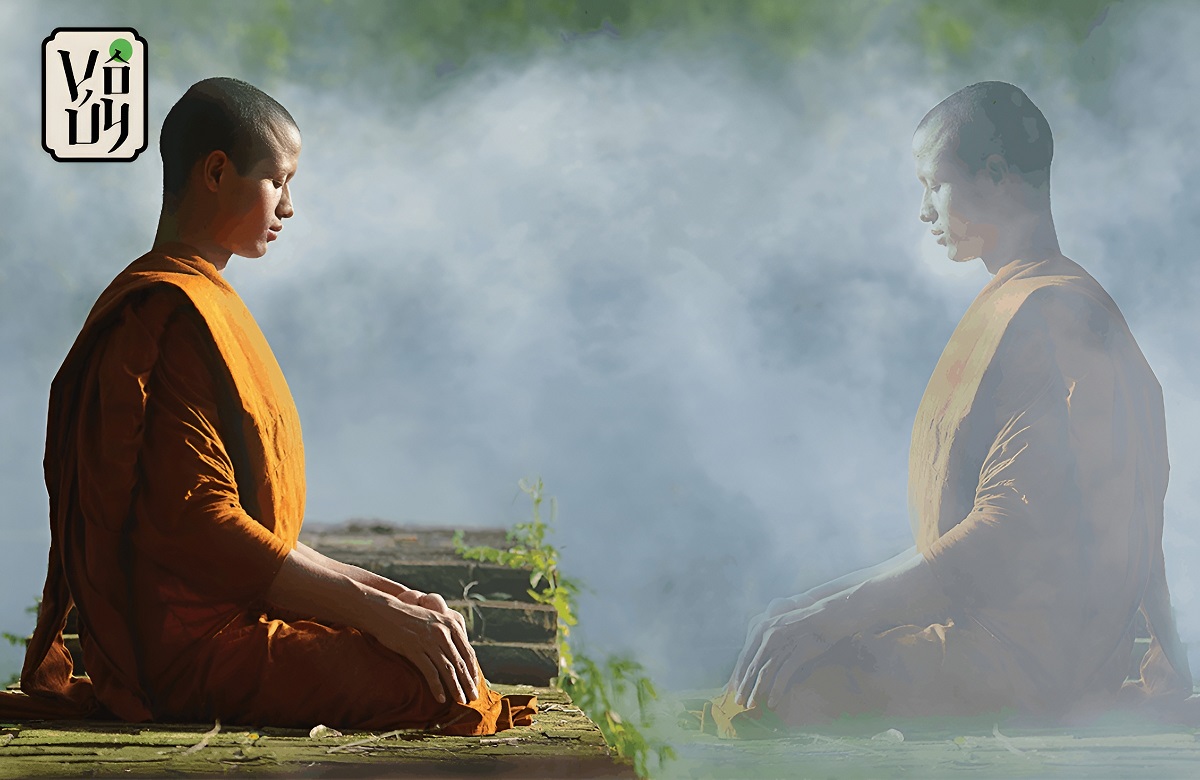
Is it sinful for a Buddhist to eat the five pungent vegetables?
It would be inaccurate to say that every Buddhist who eats these ingredients is committing a sin or offence. The restriction is not applied in the same way to every vegetarian, lay Buddhist, or Buddhist tradition.
In interpretations of the Bodhisattva precepts in the Brahmā’s Net Sūtra, intentionally consuming the five pungent vegetables may constitute a minor precept violation for someone who has formally undertaken that particular set of precepts. This applies within the scope of the vows the practitioner has received and should not be generalized to all Buddhists. Anyone observing a specific precept should ask the preceptor or Dharma teacher who transmitted it how to apply it appropriately.
When onions, garlic, or a related ingredient is genuinely needed for health reasons, some Buddhist explanations recognize exceptions for necessary use. In practice, a patient should prioritize medical guidance and may also consult their Dharma teacher if they are concerned about how treatment relates to their vows.
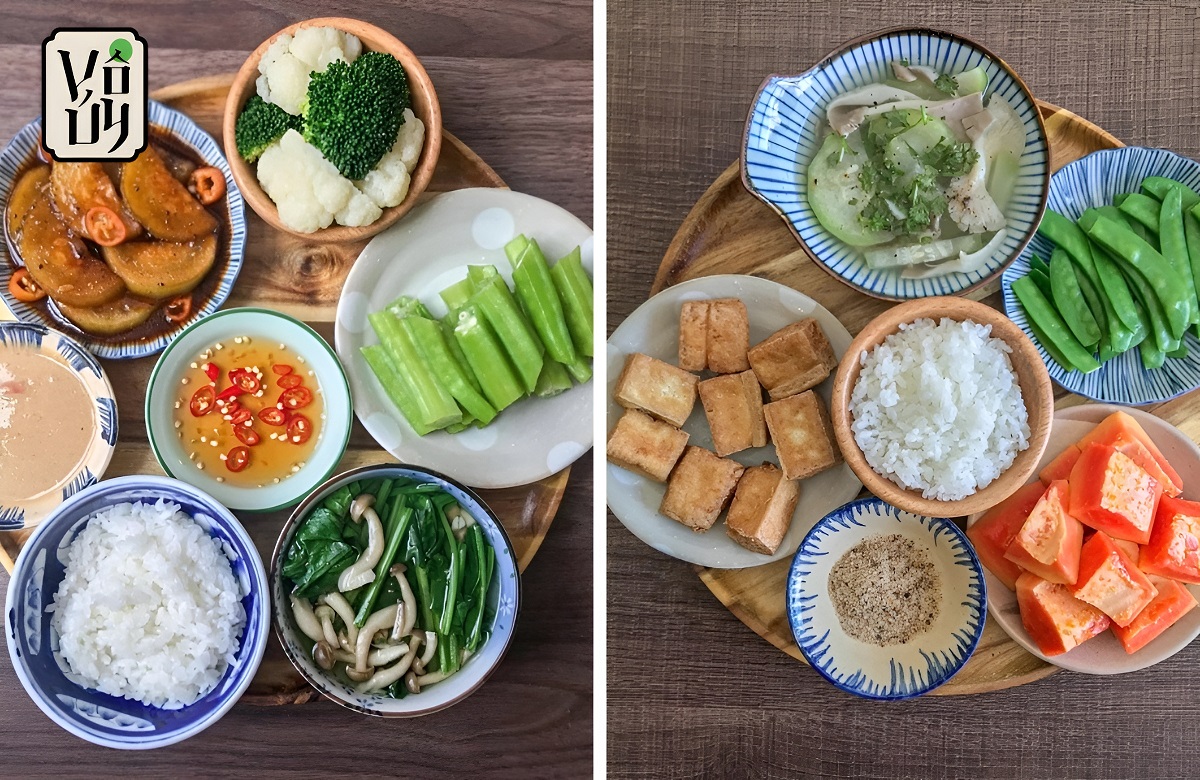
Do lay vegetarians need to avoid the five pungent vegetables?
Lay vegetarians are not automatically required to avoid them. The most suitable choice depends on why a person follows a vegetarian diet:
- Vegetarian for health, environmental, or personal reasons: You may use onions, chives, garlic, nén, and kiệu if they suit your diet and health.
- Vegetarian on observance days or as a family tradition: You may follow your established custom without placing extra pressure on yourself if you have not taken a vow to abstain.
- Vegetarian alongside meditation, mantra practice, or precept observance: Consult the guidance of your temple, practice community, or Dharma teacher.
- Formally observing a precept concerning pungent vegetables: Follow the precept you have received and ask your preceptor about exceptional circumstances.
If you are new to vegetarian eating, you can also read about long-term vegetarian diets and the 10-day Buddhist vegetarian schedule to choose an approach that suits you. For a more focused explanation, see our article on whether vegetarians can eat garlic.
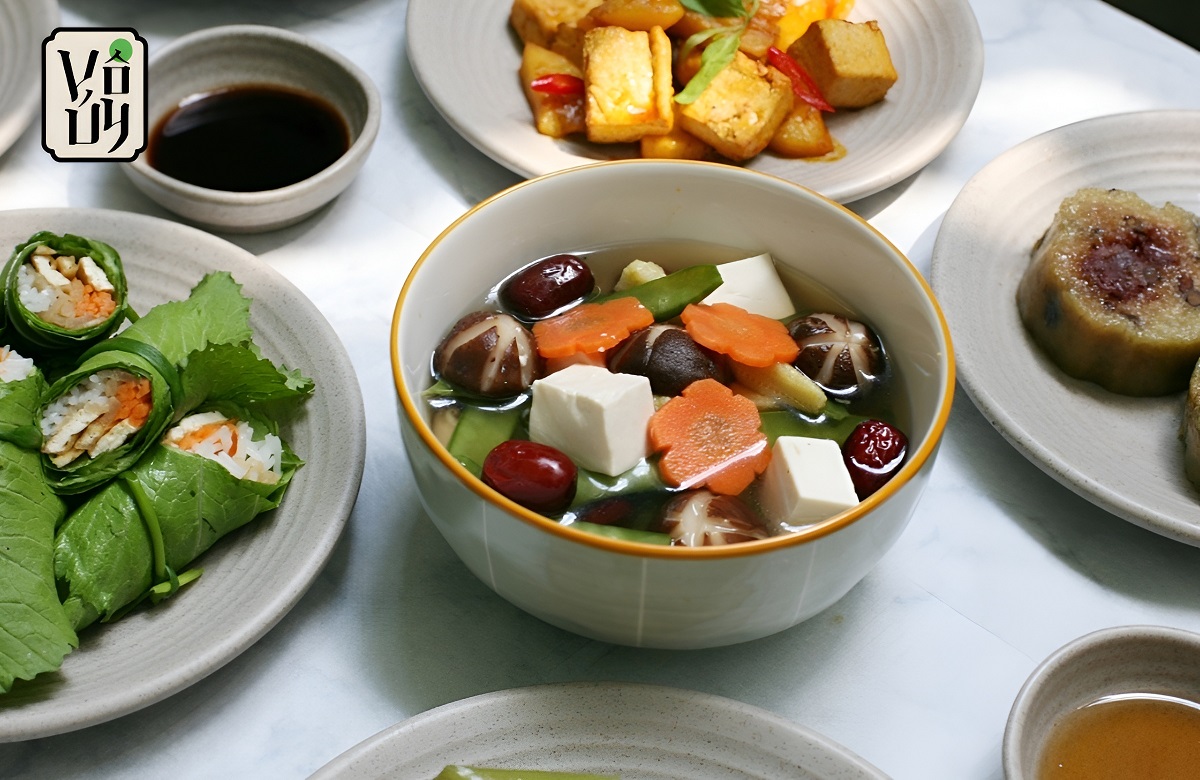
Are the five pungent vegetables harmful to health?
Buddhist abstinence from these ingredients is primarily based on religious understanding and the discipline of practice. It does not mean that onions, chives, garlic, nén, and kiệu are inherently harmful foods. They are widely used as seasonings in ordinary meals.
Garlic in particular has been studied extensively, but the evidence should not be overstated. The U.S. National Center for Complementary and Integrative Health notes that garlic supplements may produce a small reduction in cholesterol or blood pressure in some groups, while evidence concerning immunity and disease prevention remains limited. Garlic taken orally can also cause bad breath or digestive discomfort, and garlic supplements may increase bleeding risk or interact with certain medicines.
This does not mean that the amount of garlic normally used in food should be treated as medicine. Anyone taking anticoagulants, preparing for surgery, pregnant, or living with a specific medical condition should consult a qualified healthcare professional before using high-dose garlic or garlic supplements.
What can replace onions and garlic in vegetarian cooking?
If you need to cook without onions or garlic, many other ingredients can build aroma and depth, provided that they fit the dietary rules you follow. Common options include:
- Ginger, lemongrass, galangal, or makrut lime leaves for fragrance.
- Pepper, chilli, and dried spices in amounts appropriate to your taste and practice.
- Mushrooms, seaweed, or roasted vegetables for natural savoury depth and sweetness.
- Toasted sesame, peanuts, and other nuts or seeds for richness and aroma.
- Fresh herbs such as coriander, basil, or perilla, depending on the dish.
Check ingredient labels on stocks, sauces, seasoning powders, and processed vegetarian foods, because onion and garlic may appear as powders or flavourings. If you need to avoid an ingredient because of an allergy or medical instruction, tell the food provider clearly, as kitchen equipment and preparation areas may be shared.
Enjoy vegetarian dishes without the five pungent vegetables at Vô Úy
When dining out, guests who avoid the five pungent vegetables should mention their requirements when booking or before ordering. This allows the restaurant to check ingredients, recommend appropriate choices, and explain which dishes can be adjusted.
At Vô Úy Vegetarian Restaurant, you can speak directly with the staff about meals prepared without onions, garlic, or other pungent vegetables. The restaurant can recommend suitable dishes or make adjustments where the preparation process allows. If strict avoidance is required because of a religious vow, allergy, or health condition, explain this clearly so the staff can check before confirming your order.
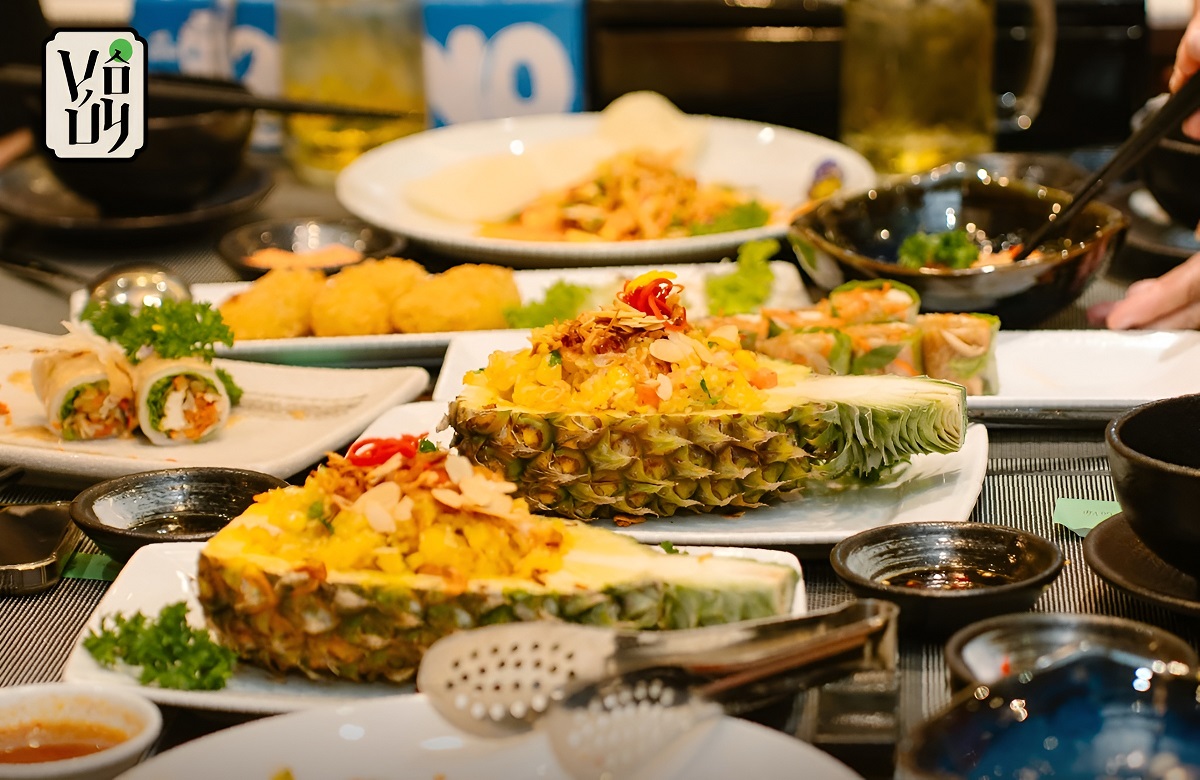
Contact information:
- Address: 47 Street No. 3, CityLand Park Hills Residential Area, Go Vap Ward, Ho Chi Minh City, Vietnam.
- Hotline: 0902 353 527.
- Website: nhahangvouy.com.
- Facebook: Vô Úy Vegetarian Restaurant.
- Google Maps: Get directions.
Frequently asked questions
Are the five pungent vegetables the same as five-spice powder?
No. The five pungent vegetables are a group of strong-smelling plants discussed in certain Buddhist traditions. Five-spice powder is a culinary spice blend that commonly contains ingredients such as cinnamon, star anise, cloves, pepper or Sichuan pepper, and fennel, depending on the recipe.
Can vegetarians eat onions and garlic?
Onions and garlic are plant-based, so they can be part of a conventional vegetarian diet. Avoiding them is usually connected to a specific Buddhist tradition, spiritual practice, or personal vow rather than vegetarianism itself.
Should a new vegetarian avoid the five pungent vegetables immediately?
Not necessarily, unless you have undertaken a relevant precept or follow a dietary rule that excludes them. A beginner can first become comfortable choosing nutritionally appropriate vegetarian foods, then learn more if they wish to practise within a particular Buddhist tradition.
Does avoiding the five pungent vegetables reduce anger?
Some Buddhist explanations regard avoiding pungent foods as a supporting condition that may help the body and mind become less agitated. It is not, however, the only or primary way to transform anger. Mindfulness, reflection, and changing one’s conduct remain central to the practice.
Can garlic be used for medical reasons?
Anyone with a health condition should follow qualified medical advice and should not self-prescribe garlic or high-dose supplements as a cure. A practitioner observing a precept related to pungent vegetables may also speak with their Dharma teacher about how to handle a genuine medical need.
Conclusion
The five pungent vegetables are strong-smelling, sharp-tasting plants mentioned in certain Buddhist scriptures and traditions. In Vietnam, the term commonly refers to onions or scallions, chives, garlic, nén, and kiệu, although the list varies among translations. Avoiding these ingredients may support a person’s vows, meditation, and communal practice, but it is not a universal requirement for every vegetarian.
Lay practitioners should consider their reason for eating vegetarian food, the precepts they have undertaken, and their health before deciding how strictly to abstain. When dining at a restaurant, state your requirements in advance so the staff can check ingredients and recommend suitable dishes.
References
- DILA Buddhist Studies Glossaries: 五辛 (five pungent roots).
- Cultural Corps of Korean Buddhism: Characteristics of Korean Temple Food.
- U.S. National Center for Complementary and Integrative Health: Garlic.
- Giác Ngộ Online: Buddhist discussion of the five pungent vegetables (Vietnamese).
- PhatGiao.org.vn: Abstaining from the five pungent vegetables (Vietnamese).
What Are the Five Pungent Spices?
The five pungent spices refer to five ingredients with strong aromas and distinctive flavors that are extremely familiar in daily life. According to Buddhist beliefs, the five pungent spices include scallions (cách thông), chives (từ thông), Chinese onions (lan thông), garlic (đại toán), and asafoetida—a spice with an appearance and flavor quite similar to pearl onions that is currently uncommon in Vietnam and China. These spices are commonly used to enhance the aroma and flavor of food, making dishes more delicious, appealing, and widely enjoyed.
What Are the Five Pungent Spices?
Why Should Buddhists Avoid the Five Pungent Spices?
According to the Śūraṅgama Sūtra, the Buddha taught that practitioners, particularly those seeking meditative concentration, should not consume the five pungent spices because these strong ingredients may significantly interfere with spiritual practice. The sutra explains that eating them cooked may arouse sexual desire, while eating them raw may provoke anger, making it difficult to maintain a peaceful and pure mind.
From a practical perspective, spices such as scallions and garlic often leave behind a strong odor and unpleasant breath after consumption, affecting the solemn atmosphere during sutra chanting, worship, or communal activities. These spices are also commonly used to enhance the flavor of food, especially non-vegetarian dishes. This may cause people to distinguish between delicious and unappealing food, become attached to eating, and find it difficult to let go of personal tastes.
According to Buddhist beliefs, attachment to flavors and pleasurable tastes may weaken one’s ability to cultivate compassion and mindfulness, making progress in studying and practising Buddhism more difficult. Therefore, Buddhists are often advised to limit or avoid spices such as scallions and garlic to maintain purity of body and mind and better support their spiritual practice.
Why Should Buddhists Avoid the Five Pungent Spices?
Is It a Sin for Buddhists to Eat the Five Pungent Spices?
According to Buddhist beliefs, Buddhists should avoid the five pungent spices because their strong aromas can linger on the body and may provoke anger and sexual desire, interfering with spiritual practice. Under Buddhist precepts, deliberately consuming the five pungent spices may be regarded as a minor transgression rather than a serious offence. Therefore, Buddhists should still limit their consumption to preserve purity of body and mind.
Is It a Sin for Buddhists to Eat the Five Pungent Spices?
However, they are not completely prohibited in every circumstance. If scallions, garlic, or other pungent spices are used medicinally under a physician’s guidance, Buddhists may consume them as necessary. According to tradition, after recovering from illness, practitioners should clean their bodies thoroughly before returning to communal activities. For Vajrayana practitioners, spices such as scallions and garlic are generally avoided more strictly because they may affect mantra recitation and spiritual practice.
Should Lay Buddhists Avoid the Five Pungent Spices?
For lay practitioners, consuming the five pungent spices is not completely prohibited, especially for those who still eat meat and observe a vegetarian diet only on certain days. However, avoiding them whenever possible is considered beneficial. If complete avoidance is not possible, their consumption should be limited to preserve purity of body and mind. If you have consumed these spices before chanting sutras or reciting the Buddha’s name, you should brush your teeth and wash your face to maintain cleanliness and solemnity.
In general, ordained practitioners and followers of Vajrayana Buddhism are often advised to avoid the five pungent spices completely. Meanwhile, lay Buddhists who follow Exoteric Buddhism may still consume them in moderation. If you follow a vegetarian diet and dedicate yourself to reciting the Buddha’s name, limiting or completely avoiding these spices can further support your spiritual practice.
Should Lay Buddhists Avoid the Five Pungent Spices?
What Are the Health Benefits of the Five Pungent Spices?
Although many Buddhist vegetarians choose to avoid the five pungent spices, from a nutritional perspective, these foods still provide various health benefits. This is also why scallions, garlic, chives, and Chinese onions are commonly used in cuisines around the world.
- Garlic contains allicin, a compound studied for its potential to support cardiovascular health, strengthen the immune system, and provide natural antibacterial properties.
- Scallions provide antioxidants, vitamin C, and fiber, contributing to digestive and cardiovascular health.
- Chives contain high levels of vitamin A, vitamin C, and minerals. They are commonly used in cooking for their distinctive flavor and nutritional value.
- Chinese onions contain fiber and several beneficial plant compounds and commonly appear in traditional pickled dishes.
- Asafoetida is uncommon in Vietnam but is also used as a spice in several cuisines.
It is clear that avoiding the five pungent spices is not based on the belief that these foods are harmful to health. Instead, it is mainly associated with Buddhist spiritual practices and the preservation of purity. Therefore, if you follow a vegetarian diet to improve your health, you may choose whether to consume the five pungent spices according to your personal needs and beliefs.
Enjoy Food Without the Five Pungent Spices at Vô Úy
For many diners who follow a Buddhist vegetarian diet or wish to limit the five pungent spices in their meals, choosing suitable dishes at a restaurant can sometimes be challenging.
At Vô Úy Vegetarian Restaurant, diners can speak directly with the staff when ordering if they require dishes without the five pungent spices. The staff will recommend suitable dishes or adjust the preparation methods where possible to accommodate each customer’s dietary requirements.
Informing the restaurant before ordering not only helps the kitchen prepare suitable dishes but also provides a more complete dining experience. This is also a convenient option for long-term vegetarians, those observing vegetarian diets on religious occasions, or people following a diet without the five pungent spices.
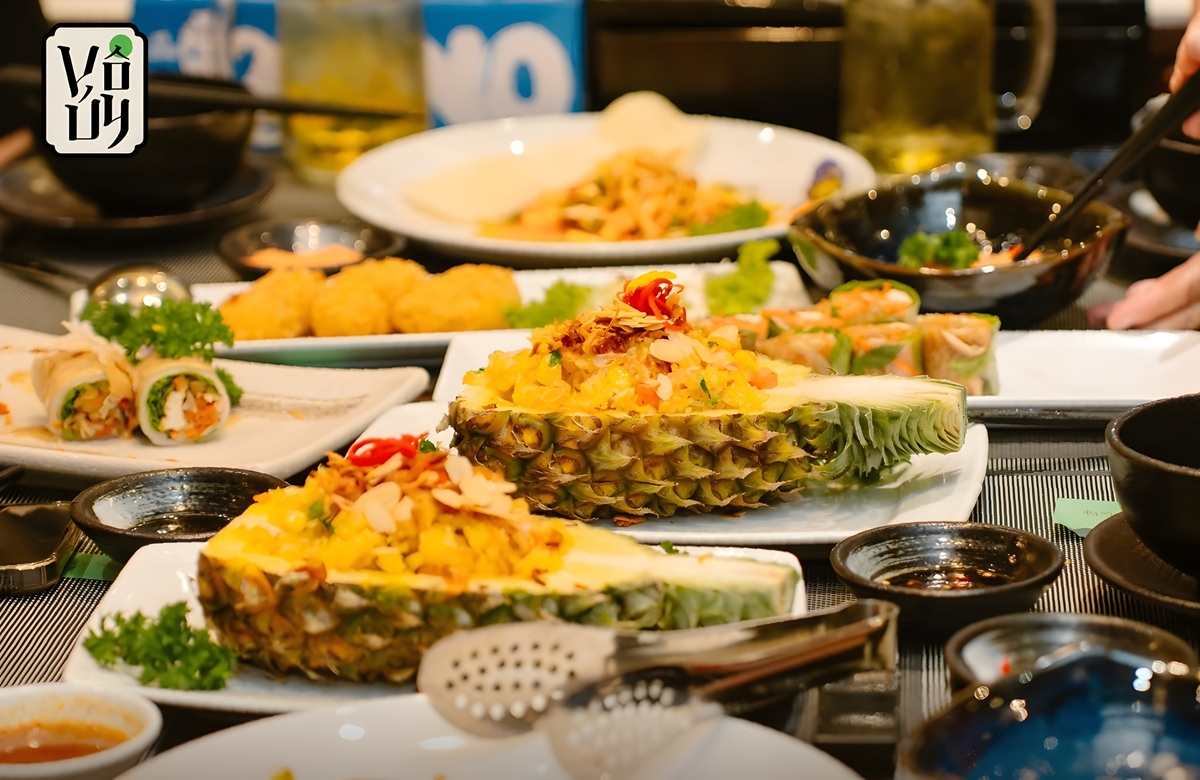
Enjoy Food Without the Five Pungent Spices at Vô Úy
Address and Reservation Information
- Address: 47 Street No. 3, CityLand Park Hills Residential Area, Go Vap Ward, Ho Chi Minh City.
- Hotline: 0902 353 527
- Website: https://nhahangvouy.com/
- Fanpage: https://www.facebook.com/nhahangchayvouy
- Google Maps: Google Maps
Frequently Asked Questions About the Five Pungent Spices
Can Vajrayana Practitioners Eat the Five Pungent Spices?
Vajrayana practitioners are generally advised to avoid the five pungent spices completely. This is because strong spices such as scallions, garlic, chives, and Chinese onions may affect the purity of body and mind, thereby reducing the effectiveness of mantra recitation and spiritual practice. Therefore, practitioners of this tradition often pay close attention to avoiding these ingredients.
Do the Five Pungent Spices Affect Meditation?
According to Buddhist scriptures, the five pungent spices may make it difficult to calm the mind and can cause distraction, irritability, or emotional agitation. Therefore, consuming these spices before meditation, chanting sutras, or reciting the Buddha’s name may affect one’s ability to maintain purity and concentration.
Should New Vegetarians Avoid Scallions and Garlic?
People who are new to vegetarianism do not necessarily need to avoid these spices immediately. You can first focus on becoming familiar with a vegetarian diet so that your body and daily habits can gradually adapt. Afterwards, if you want to follow a purer vegetarian diet that is more compatible with spiritual practice, you can gradually reduce and eventually avoid the five pungent spices.
Must Long-Term Vegetarians Avoid the Five Pungent Spices?
Avoiding the five pungent spices is not mandatory for all long-term vegetarians because it depends on the reason for following a vegetarian diet. If you are vegetarian for health reasons, you can still consume them in moderation. However, for many Buddhists who follow a long-term vegetarian diet for religious and spiritual reasons, voluntarily avoiding these spices is often considered a good choice for maintaining greater purity of body and mind.
Conclusion
Through this article, Vô Úy Vegetarian Restaurant has provided detailed information about what the five pungent spices are and the adverse effects of consuming these ingredients. In general, avoiding the five pungent spices helps practitioners and Buddhists preserve purity of body and mind, limit emotional agitation, and better support meditation, sutra chanting, and recitation of the Buddha’s name. Most importantly, each person should practise in a way that suits their circumstances, gradually working toward inner peace and cultivating a more positive spiritual life.