

 0902 353 527
  cskh@nhahangvouy.com

How to Make Vegetarian Bún Mọc with Chewy Mushroom Balls
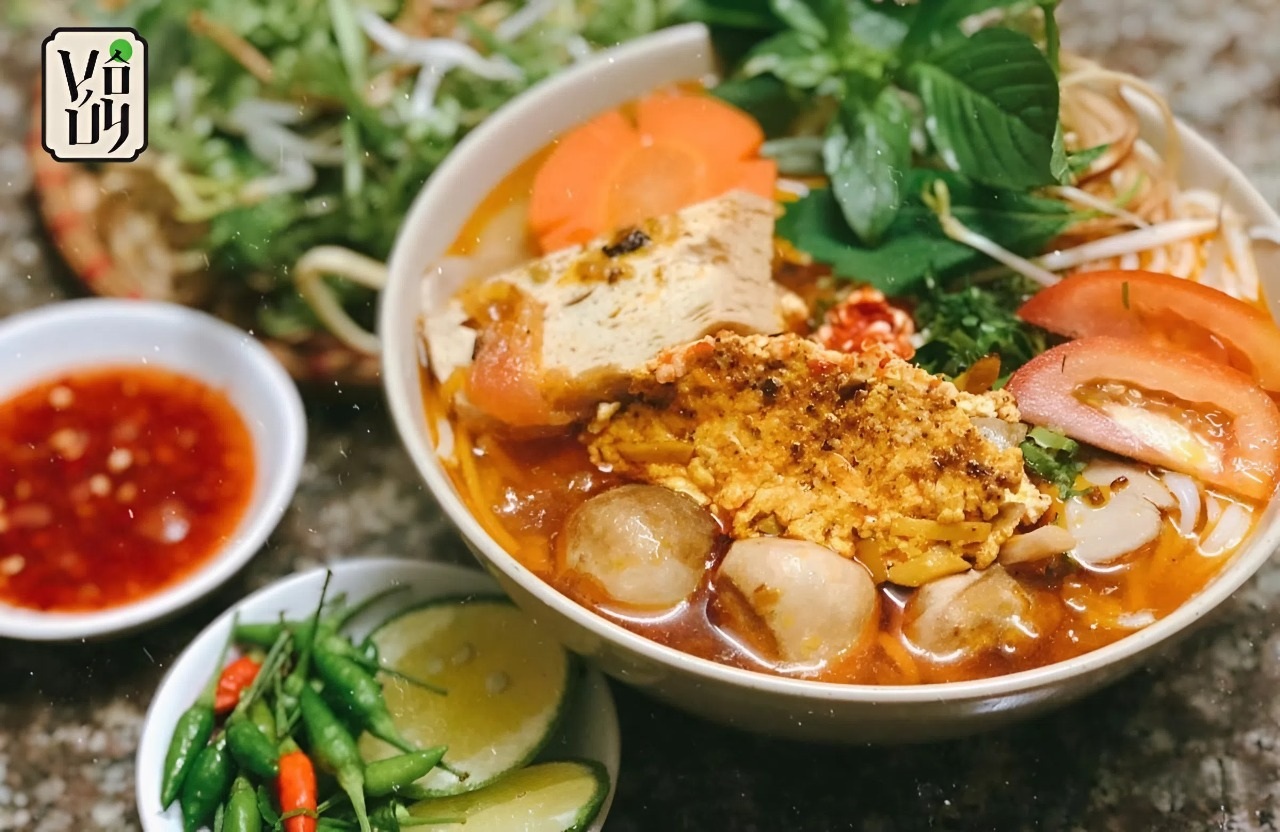
Vegetarian bún mọc is loved for its clear, naturally sweet vegetable broth and soft yet chewy mushroom balls with a fragrant mushroom aroma. This dish is perfect for breakfast, vegetarian days, or whenever your family wants a light and comforting meal. With the vegetarian bún mọc recipe shared by Vô Úy Vegetarian Restaurant below, you can make vegetarian mushroom balls at home without worrying about them falling apart while preserving the natural flavors of every ingredient.
What Makes Vegetarian Bún Mọc So Appealing?
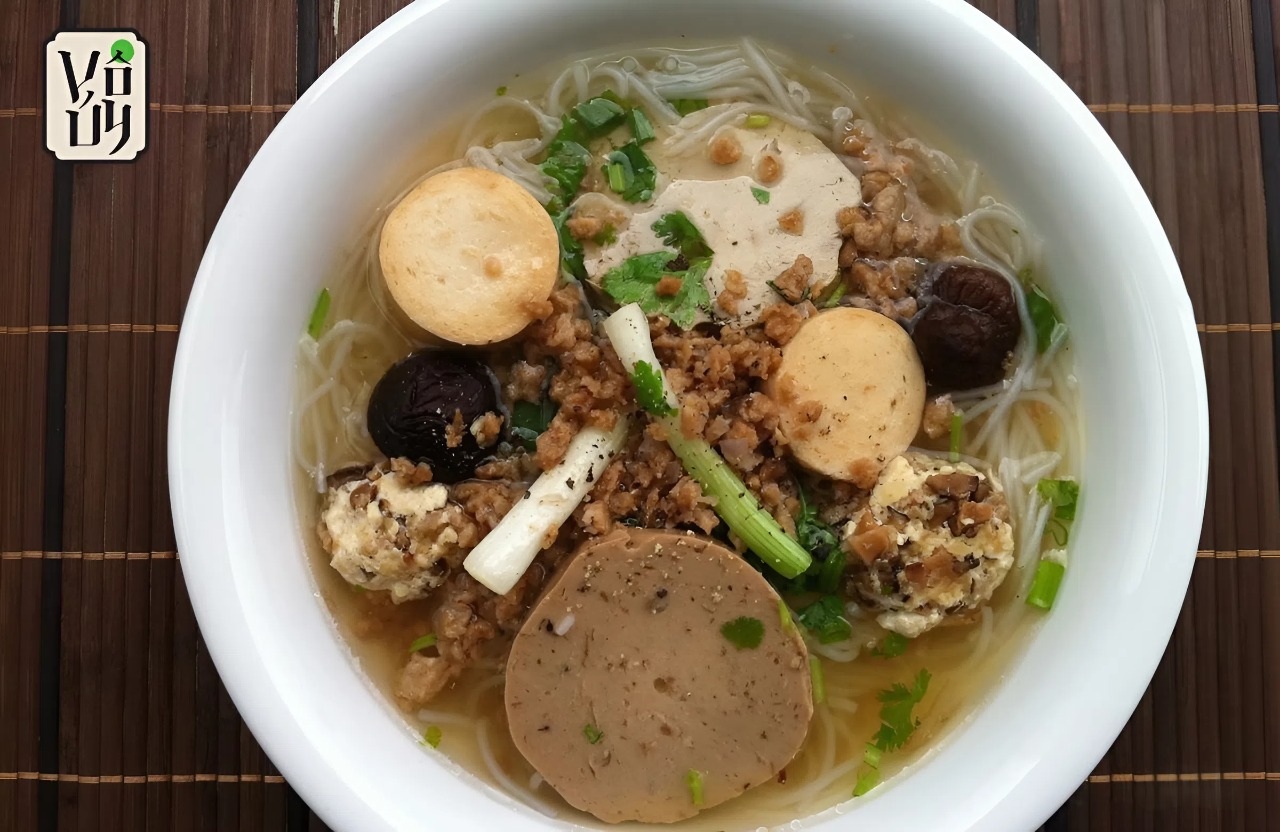
Vegetarian bún mọc is a meat-free version of the familiar Vietnamese noodle soup and does not use bone broth. Its broth is simmered with daikon radish, carrots, corn, and mushrooms, giving it a mild sweetness without feeling greasy. The vegetarian balls are made from tofu, dried tofu skin, and various mushrooms, creating a soft yet chewy texture and a distinctive aroma.
A delicious bowl of vegetarian bún mọc requires a balance of three key elements. The broth should be clear and naturally sweet. The vegetarian balls must hold their shape without becoming crumbly or overly firm. The vegetables, mushrooms, and accompaniments should be cooked just enough to retain their color and texture.
Vegetarian mushroom balls are usually made with familiar ingredients such as firm tofu, dried tofu skin, shiitake mushrooms, and wood ear mushrooms. Tofu provides softness, dried tofu skin gives the balls a chewier texture, and mushrooms contribute natural umami. A small amount of tapioca starch or cornstarch helps bind the ingredients together.
What Makes Vegetarian Bún Mọc So Appealing?
Ingredients for Vegetarian Bún Mọc
The following recipe serves approximately four people. Preparation takes around 25 minutes, while cooking takes about 45–50 minutes.
Ingredients for the Vegetarian Mushroom Balls
- 300g firm tofu
- 30g dried tofu skin
- 5 dried shiitake mushrooms
- 15g dried wood ear mushrooms
- 2 tablespoons tapioca starch
- 1 teaspoon vegetarian seasoning
- 1/2 teaspoon ground pepper
- 1/2 teaspoon sesame oil
- 1 tablespoon finely chopped leek
- A small amount of salt
Ingredients for the Broth
- 1 daikon radish
- 1 carrot
- 1 ear of sweet corn
- 1 chayote
- 100g straw mushrooms
- 1.8–2 liters of water
- 1–2 tablespoons vegetarian seasoning
- 1 tablespoon vegetarian fish sauce
- Rock sugar and salt to taste
Rice Noodles and Accompaniments
- 800g fresh rice vermicelli
- 100g vegetarian Vietnamese pork sausage
- 2 pieces of fried tofu
- 100g taro stems
- Bean sprouts, lettuce, and fresh herbs
- Coriander, pepper, lime, and chili
- Fried shallots or fried leeks
If you follow a vegetarian diet that excludes the five pungent spices, you can leave out the leeks and fried shallots. Shiitake mushrooms, pepper, coriander, and a small amount of sesame oil will still give the dish an appealing aroma.
How to Choose and Prepare Ingredients for Vegetarian Bún Mọc
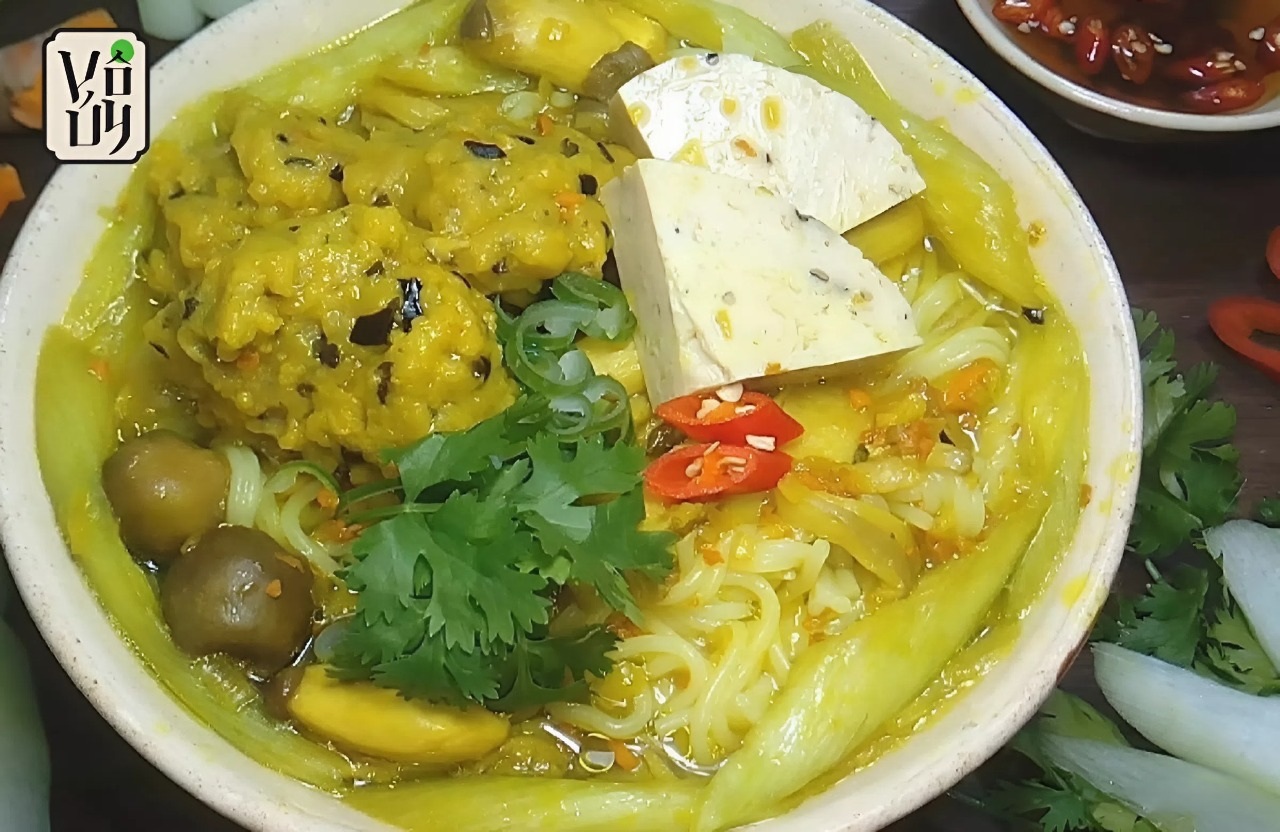
The tofu used to make the vegetarian balls should have an ivory-white color, a smooth surface, and a mild soybean aroma. Firm tofu is the best choice because it helps the mixture bind more easily. Tofu that is too soft or contains too much water may make the balls mushy and cause them to break apart during cooking. Good-quality dried tofu skin usually has a natural pale-yellow color, an evenly dry texture, and no signs of mold. Avoid dried tofu skin with a rancid oil smell or an unusually dark-yellow color.
For dried mushrooms, choose whole, dry pieces with their characteristic natural aroma. Fresh straw mushrooms should be firm, not fully opened, and free from slime.
Taro stems must be prepared carefully to reduce the risk of itchiness when eaten. First, remove the fibrous outer layer and cut the stems diagonally into slices. Gently squeeze them with salt, leave them for about 10–15 minutes, and rinse several times with clean water. Finally, squeeze them gently and drain well before cooking.
How to Choose and Prepare Ingredients for Vegetarian Bún Mọc
How to Make Chewy Vegetarian Mushroom Balls That Do Not Fall Apart
The vegetarian mushroom balls largely determine the overall flavor of vegetarian bún mọc. To help them retain their shape and achieve the right balance between softness and chewiness, you must carefully control the amount of moisture in the ingredients.
Step 1: Drain the Tofu and Mushrooms
Soak the dried tofu skin, shiitake mushrooms, and wood ear mushrooms in water until softened. Rinse them thoroughly, remove any tough parts, and squeeze out as much water as possible.
Wrap the tofu in a clean cloth, then press or squeeze out the excess water. The tofu does not need to be completely dry, but no water should come out when you gently squeeze it. This is an important step in preventing the mixture from becoming mushy. If the tofu and mushrooms contain too much water, you will need to add more starch, which can make the balls firm and reduce their natural flavor.
Step 2: Blend and Mix the Mushroom Ball Mixture
Place the tofu, dried tofu skin, and shiitake mushrooms in a food processor. Blend just until the ingredients come together; the mixture does not need to be completely smooth. Finely chop the wood ear mushrooms by hand to retain their crunchiness. Mix them with the blended ingredients, chopped leek, vegetarian seasoning, pepper, sesame oil, and tapioca starch.
Using clean hands or a spoon, stir and beat the mixture in one direction for about 3–5 minutes. It is ready when it becomes pliable, forms a cohesive mass, and no longer releases water.
Step 3: Chill and Shape the Balls
Cover the mixture tightly and refrigerate it for about 20–30 minutes. The low temperature will help it firm up and make it easier to shape. After chilling, lightly coat your hands with oil and roll the mixture into bite-sized balls. Try to keep them relatively uniform in size so they cook evenly.
Before shaping the entire mixture, steam or boil one ball as a test. If it falls apart, add a small amount of tapioca starch at a time and mix again. If the ball is too firm, add a little more well-drained tofu.
Step 4: Steam the Vegetarian Mushroom Balls
Arrange the balls in a steamer, leaving a small space between each one, and steam them for about 10–12 minutes. Once cooked, they should become firm, retain their shape, and no longer feel wet in the center.
Steaming helps stabilize their texture before they are added to the broth. If you prefer a dish with more layers of flavor, divide the balls into two portions. Leave one portion as it is and lightly fry the other until golden.
How to Make Naturally Sweet Vegetarian Bún Mọc at Home
A delicious broth does not require large amounts of sugar or seasoning. The natural sweetness of daikon radish, carrots, corn, chayote, and mushrooms creates a light yet flavorful broth.
Step 1: Simmer the Vegetable Broth
Peel the daikon radish, carrot, and chayote, then rinse them thoroughly. Cut the vegetables into large pieces so they can be strained easily without breaking apart and clouding the broth.
Place the daikon radish, carrot, chayote, and corn in a pot with approximately 1.8–2 liters of water. Once the water begins to boil, reduce the heat and simmer for about 35–40 minutes.
Keep the broth at a gentle simmer and skim off any foam regularly. Avoid boiling it too vigorously because the vegetables may break apart and make the broth cloudy.
Once the vegetables have released all their natural sweetness, remove them from the pot. You can keep the carrot or corn for presentation if the pieces are still intact.
Step 2: Stir-Fry the Mushrooms to Enhance Their Natural Flavor
Rinse the straw mushrooms thoroughly and cut any large ones in half. Heat a small amount of oil, sauté the chopped leek until fragrant, and then add the straw mushrooms.
Quickly stir-fry the mushrooms over medium or high heat. Add a small amount of vegetarian seasoning so they absorb the flavor. Do not cook them for too long, as they may release excessive moisture and become chewy.
Step 3: Season the Broth
Add the stir-fried mushrooms to the vegetable broth and cook for another 10 minutes. Next, season the broth with vegetarian seasoning, vegetarian fish sauce, salt, and a small amount of rock sugar.
The broth should taste light, with a mild sweetness from the vegetables and a fragrant mushroom finish. Avoid adding too much sugar, as an overpowering sweetness can mask the dish’s natural flavors.
Once the broth is properly seasoned, add the steamed mushroom balls and cook for another 3–5 minutes. Only add the taro stems once the broth is boiling. Cook them briefly, then turn off the heat so they retain their crisp texture.
Step 4: Assemble and Serve the Vegetarian Bún Mọc
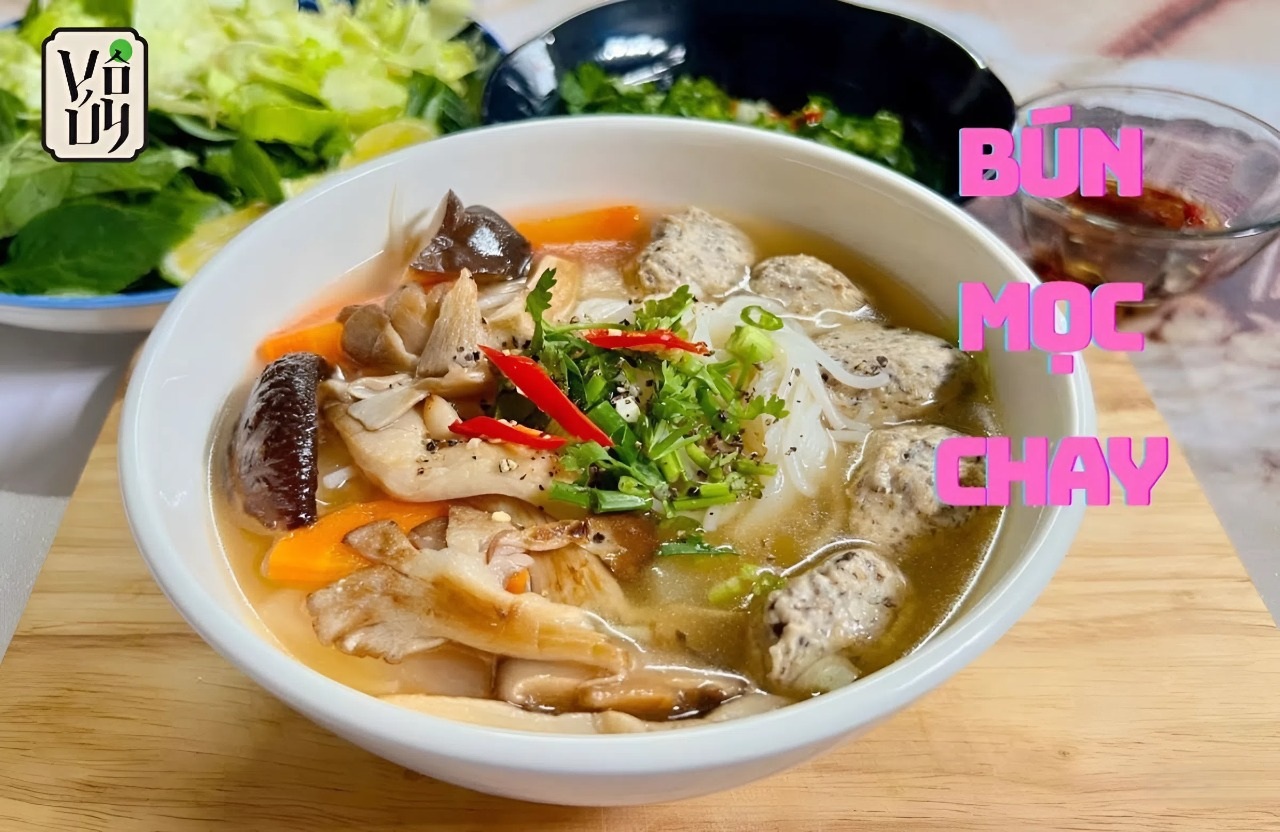
Briefly blanch the fresh rice vermicelli in boiling water, then drain well. This step warms and softens the noodles while removing any slight sour taste they may have. Divide the noodles among serving bowls, then arrange the vegetarian mushroom balls, straw mushrooms, fried tofu, vegetarian Vietnamese pork sausage, and taro stems on top. Ladle the hot broth into each bowl and garnish with pepper, coriander, and fried shallots.
Vegetarian bún mọc can be served with bean sprouts, lettuce, fresh herbs, lime, and chili. A small bowl of mildly spicy vegetarian fish sauce also adds extra flavor to the dish.
The finished dish should have a clear broth with a naturally sweet, light flavor and no greasy aftertaste. The mushroom balls must retain their shape, with a firm exterior and a soft interior. The mushrooms and taro stems should be cooked just enough without becoming chewy or overly soft.
How to Make Naturally Sweet Vegetarian Bún Mọc at Home
What Is the Best Flour or Starch for Vegetarian Mushroom Balls?
Each type of flour or starch creates a different texture. You can choose one based on the ingredients available and your family’s preferences.
| Flour or starch | Texture | Notes |
|---|---|---|
| Tapioca starch | Chewy and elastic | Using too much can make the balls overly firm |
| Cornstarch | Softer and lighter | Provides moderate binding |
| Wheat flour | Firm and easy to shape | Using too much can make the balls dense |
| No flour or starch | Soft, with a distinct mushroom and tofu flavor | The ingredients must be thoroughly drained and mixed well |
Tapioca starch is a suitable choice if you want the vegetarian mushroom balls to have a noticeably chewy texture. Cornstarch is better for those who prefer a softer consistency. Regardless of which type you use, add it gradually instead of adding the entire amount at once.
Common Mistakes When Making Vegetarian Bún Mọc
| Problem | Cause | Solution |
|---|---|---|
| The mushroom balls fall apart | The tofu and mushrooms contain too much water | Drain and squeeze the ingredients thoroughly, then add a small amount of starch |
| The mushroom balls are too firm | Too much starch was used | Reduce the starch and add more tofu |
| The mushroom balls break apart when boiled | The mixture was not chilled or the balls were not steamed to set their shape | Chill the mixture and steam the balls before adding them to the broth |
| The broth becomes cloudy | The broth was boiled too vigorously or stirred too often | Simmer over low heat and skim off the foam regularly |
| The broth is overly sweet | Too much sugar was used | Add more water and mushrooms, then adjust the seasoning |
| The taro stems cause itchiness | They were not prepared thoroughly or cooked properly | Peel them, squeeze them with salt, rinse thoroughly, and cook until done |
| The noodles taste sour | The noodles are no longer fresh | Choose fresh noodles and blanch them before serving |
Three Delicious Vegetarian Bún Mọc Variations
Vegetarian Bún Mọc with Taro Stems
Taro stems add a crisp texture and refreshing quality to the dish. You can also add tomatoes, Chinese celery, or a small amount of fermented rice vinegar if you want the broth to have the mildly sour flavor commonly found in Northern Vietnamese cuisine.
Low-Calorie Vegetarian Bún Mọc
For a lighter version, reduce the amount of noodles, add more vegetables and mushrooms, and steam the mushroom balls instead of frying them. Brown rice vermicelli is another alternative to fresh rice vermicelli. You should limit processed vegetarian sausage because some products may contain high amounts of oil and salt.
Vegetarian Bún Mọc Without the Five Pungent Spices
Simply remove onions, garlic, chives, Chinese onions, and leeks from the recipe. Shiitake mushrooms, pepper, coriander, and sesame oil can still provide a naturally appealing aroma. When buying vegetarian seasoning, vegetarian sausage, or vegetarian fish sauce, check the ingredients to ensure that the products are suitable for your diet.
Vegetarian Bún Mọc Variations
How to Store Vegetarian Bún Mọc
Allow the steamed vegetarian mushroom balls to cool completely before placing them in an airtight container. You can refrigerate them for approximately 2–3 days. For longer storage, divide them into smaller portions and freeze them. When needed, add the frozen balls directly to the hot broth and cook until thoroughly heated.
The broth should be stored separately from the noodles, mushroom balls, vegetables, and taro stems. After cooking, allow the broth to cool within a reasonable amount of time. Transfer it to a clean, airtight container and refrigerate it. When reheating, bring the broth to a thorough boil before serving.
Fresh rice vermicelli should not be soaked in or stored with the broth. The noodles will absorb the liquid, become overly soft, and make the broth cloudy. Only blanch enough noodles for each meal.
Frequently Asked Questions About Vegetarian Bún Mọc
How Many Calories Are in Vegetarian Bún Mọc?
One bowl of vegetarian bún mọc may contain approximately 350–500 calories, depending on the amount of noodles, mushroom balls, tofu, vegetarian sausage, and cooking oil used. To reduce the calorie content, use fewer noodles, avoid frying the mushroom balls, and add more vegetables. The actual calorie count will vary depending on the quantities used in each recipe.
Can Vegetarian Mushroom Balls Be Made Without Flour or Starch?
You can make vegetarian mushroom balls without flour or starch if the tofu, dried tofu skin, and mushrooms are thoroughly drained and squeezed. The mixture must also be blended, mixed well, and chilled before shaping. Steam one ball first to test whether the mixture holds together properly.
Why Do Vegetarian Mushroom Balls Fall Apart in the Broth?
Vegetarian mushroom balls usually fall apart when the ingredients contain too much water, the mixture does not have enough binding agents, or it has not been chilled. Adding uncooked balls directly to vigorously boiling broth can also cause them to break apart. The safest method is to steam the balls before adding them to the broth.
What Vegetables Can Be Served with Vegetarian Bún Mọc?
Vegetarian bún mọc can be served with bean sprouts, lettuce, Vietnamese mint, coriander, and other fresh herbs. Northern-style bún mọc often includes taro stems, Chinese celery, or dill, depending on personal preference.
Can Vegetarian Mushroom Balls Be Prepared a Day in Advance?
You can steam the vegetarian mushroom balls a day in advance, allow them to cool, and store them in an airtight container in the refrigerator. When preparing the meal, simply add the balls to the broth and reheat them thoroughly. This method saves time while helping the balls retain their texture.
Enjoy Wholesome Vegetarian Cuisine at Vô Úy
A delicious bowl of vegetarian bún mọc requires more than fresh ingredients. It also depends on achieving the right balance of sweetness, saltiness, aroma, and the soft or crisp texture of each component. If you do not have time to prepare it yourself, visit Vô Úy Vegetarian Restaurant for a relaxing meal and discover a wider selection of carefully prepared vegetarian dishes.
Vô Úy’s peaceful and welcoming atmosphere is ideal for gatherings with family and friends or for days when you need a quiet break from a busy lifestyle. Located at 47 Street No. 3, CityLand Park Hills, Go Vap District, Ho Chi Minh City, Vô Úy Vegetarian Restaurant is always ready to welcome you.