

 0902 353 527
  cskh@nhahangvouy.com

What Is a Healthy Vegetarian Diet? Easy Meal Plan
A healthy vegetarian diet has become a lifestyle trend that has attracted considerable interest in recent years. However, many people still wonder how to make vegetarian meals delicious, nutritionally complete, and varied. In this article, join Vô Úy Vegetarian Restaurant as we explore popular healthy vegetarian dishes and learn how to create a balanced meal plan for maintaining a healthy lifestyle in the long term.
What Is a Healthy Vegetarian Diet?
A healthy vegetarian diet focuses on plant-based foods while prioritizing nutritional balance and healthy cooking methods. Unlike a vegetarian diet that simply eliminates meat and fish, healthy vegetarian eating involves choosing fresh, clean ingredients, limiting oil, reducing processed foods, and optimizing the nutritional value of every meal.
Today, many people choose a healthy vegetarian diet not only for health reasons but also to maintain their physique, improve their mental well-being, and develop a more positive lifestyle. Office workers, gym-goers, people trying to lose weight, and anyone who wants lighter meals can follow this diet.
A properly planned healthy vegetarian diet usually follows these principles:
- Eat a variety of vegetables and whole grains.
- Consume enough plant-based protein.
- Limit refined sugar and deep-fried foods.
- Choose fresh ingredients instead of prepackaged foods.
- Maintain a nutritional balance between carbohydrates, healthy fats, and vitamins.
When followed correctly, a healthy vegetarian diet not only supports physical health but also helps the body feel lighter and more comfortable while maintaining stable energy throughout the day.
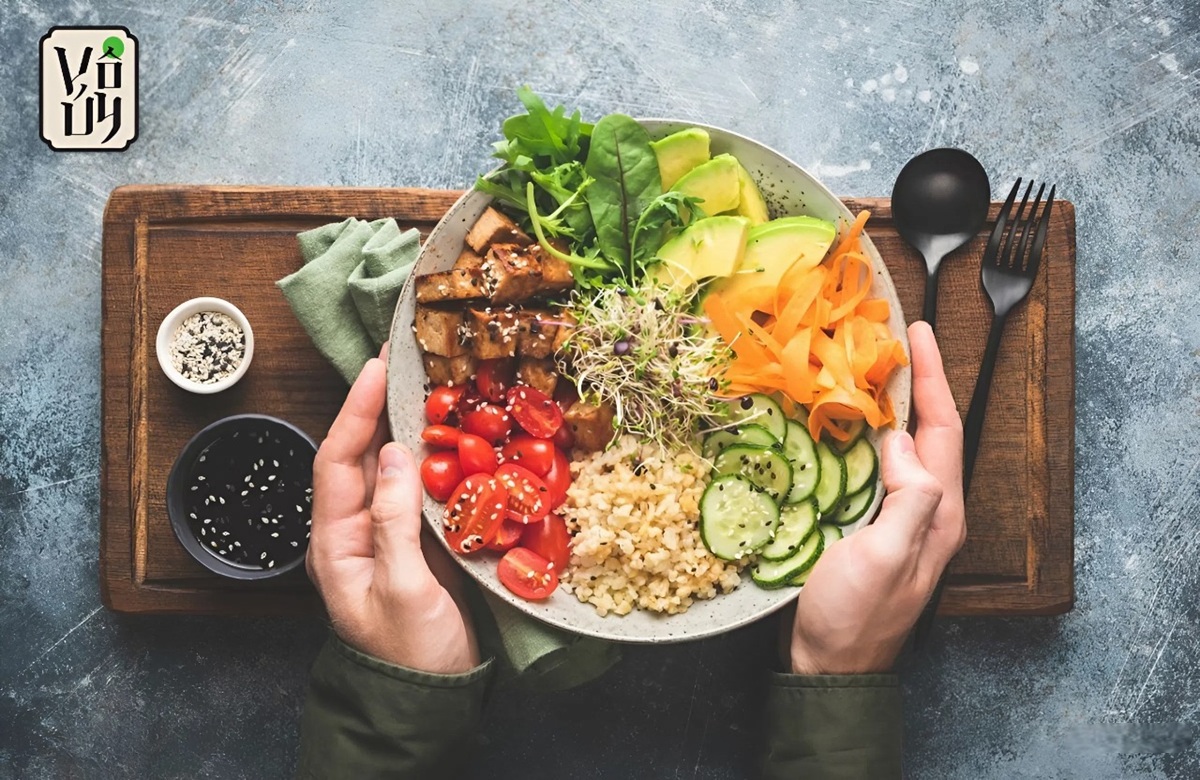
What Is a Healthy Vegetarian Diet?
Health Benefits of a Healthy Vegetarian Diet
Supports Effective Weight Management
Many people choose a healthy vegetarian diet because it can support weight loss relatively effectively. Green vegetables, fruits, and nuts are usually high in fiber without containing excessive calories. As a result, they help you feel full for longer and reduce frequent snacking.
This diet also helps reduce the amount of saturated fat obtained from animal products. When combined with regular physical activity, healthy vegetarian eating can support sustainable improvements in body shape instead of rapid weight loss followed by weight regain.
Supports Cardiovascular Health and Blood Pressure
Many studies indicate that a diet rich in vegetables and plant-based foods may help reduce bad cholesterol in the blood. Foods such as oats, chickpeas, chia seeds, and avocados contain nutrients that support cardiovascular health.
Limiting fast food, deep-fried dishes, and red meat also helps the body maintain more stable blood pressure.
Improves Digestive Function
The fiber in vegetables and whole grains helps the digestive system function more effectively. People who maintain a healthy vegetarian diet often feel lighter, experience less bloating, and notice improvements in constipation. In addition, many vegetables contain natural beneficial bacteria that help balance the gut microbiome.
Helps Improve Skin Health
A diet rich in green vegetables and fresh fruit provides the body with essential vitamins. Nutrients such as vitamin C, vitamin E, and antioxidants help maintain healthier skin, reduce dullness, and slow the aging process.
Delicious and Easy Healthy Vegetarian Dishes
Refreshing Healthy Vegetarian Salads
Salads are a popular choice in healthy vegetarian meal plans because they are easy to prepare and low in calories. You can combine different green vegetables and fruits to make them more enjoyable.
Some popular healthy salads include:
- Avocado and vegetable salad
- Chickpea salad
- Quinoa salad
- Japanese-style roasted sesame salad
To make your salad more delicious, use light dressings such as roasted sesame dressing, olive oil, or honey and lemon instead of dressings containing excessive sugar.
Brown Rice with Pan-Seared Vegetables
This dish is suitable for both lunch and dinner. Brown rice helps you feel full for longer, while pan-seared vegetables retain their natural sweetness.
You can combine it with:
- Broccoli
- Carrots
- Mushrooms
- Green beans
- Silken tofu
This dish is relatively easy to prepare and suitable for people managing their weight.
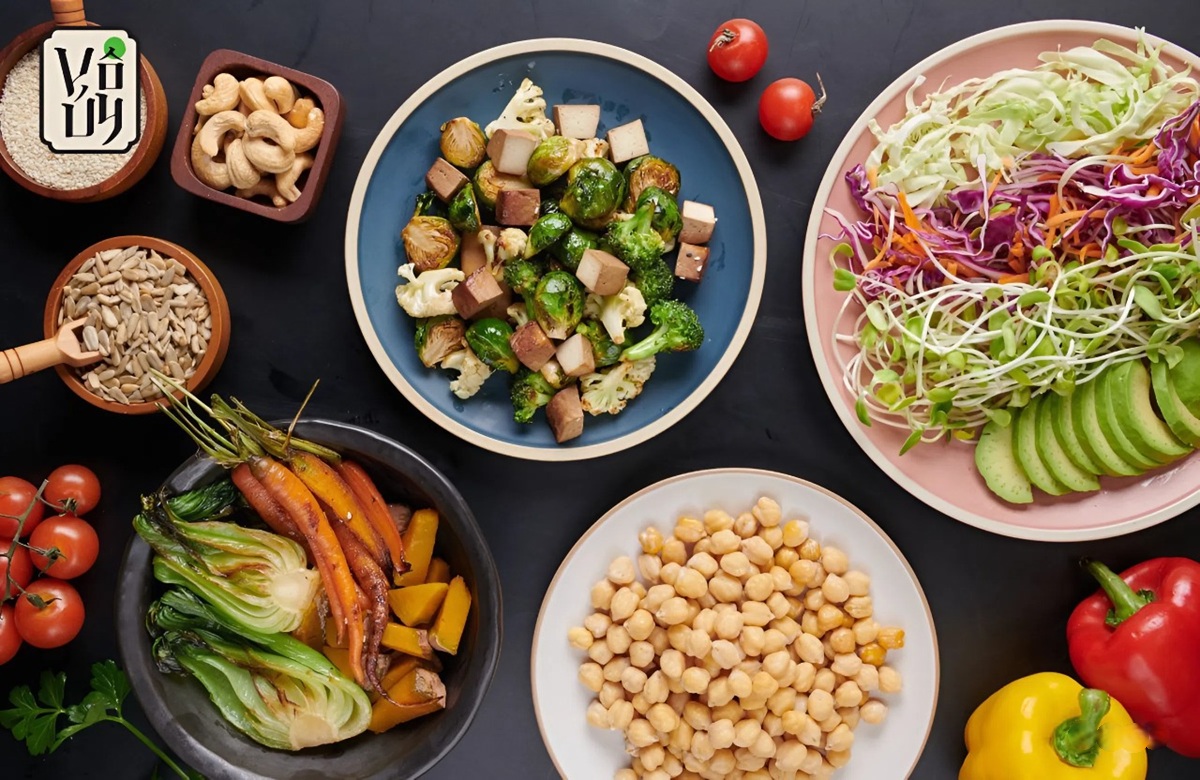
Brown Rice with Pan-Seared Vegetables
Tofu with Mushroom Sauce
Tofu is a familiar source of plant-based protein in a healthy vegetarian diet. When combined with shiitake or oyster mushrooms, the dish develops a richer flavor and natural sweetness. You should prioritize steaming, lightly pan-searing, or braising with minimal oil to keep the dish healthy.
Fruit Smoothies
Smoothies are commonly enjoyed for breakfast or as a snack. They are visually appealing, easy to consume, and rich in vitamins.
Common ingredients include:
- Bananas
- Strawberries
- Kiwi
- Chia seeds
- Granola
- Plant-based milk
If you want to lose weight, avoid adding excessive sugar or condensed milk to your smoothie.
One-Day Healthy Vegetarian Meal Plan
A balanced healthy vegetarian meal plan not only provides the body with sufficient energy but also helps maintain your physique and improve your long-term health. Many people believe that vegetarian meals cause hunger or nutritional deficiencies. However, by combining ingredients appropriately, you can still enjoy nutritious and delicious meals every day.
The key to planning a healthy vegetarian menu is maintaining a balance between plant-based protein, healthy carbohydrates, beneficial fats, and green vegetables. You should also distribute your meals appropriately throughout the day to help your body absorb nutrients more effectively and reduce food cravings.
Healthy Breakfast with Oats and Plant-Based Milk
Breakfast is when the body needs energy after several hours of rest. A healthy vegetarian breakfast should not contain excessive oil but must still provide enough nutrients to maintain alertness and concentration throughout the day.
Suggestions:
- Oats with fruit and plant-based milk
- Whole-grain bread with avocado
- Banana and chia seed smoothie
You can begin the day with a bowl of oats served with fresh fruit and plant-based milk. Oats contain plenty of fiber, which helps you feel full for longer, while fruit provides the body with natural vitamins. If you prefer a quicker breakfast, whole-grain bread served with avocado and green vegetables is also a suitable choice because it is convenient and provides slow-digesting carbohydrates.
A banana smoothie combined with chia seeds and almond milk is also popular among people following a healthy vegetarian diet. This drink is not only delicious but also provides potassium, omega-3 fatty acids, and fiber to help the body function more effectively in the morning.
Nutritionally Balanced Lunch
After a morning of working or studying, the body needs sufficient energy to maintain its performance. Therefore, a healthy vegetarian lunch should balance carbohydrates, plant-based protein, and green vegetables.
Suggestions:
- Brown rice
- Tofu with mushroom sauce
- Boiled vegetables or salad
Brown rice served with tofu in mushroom sauce and steamed vegetables is currently a popular suggestion. Brown rice helps you feel full for longer than regular white rice while also providing B vitamins and fiber. Meanwhile, tofu and mushrooms are good sources of plant-based protein that help the body maintain energy without creating a heavy feeling.
To add more variety to the meal, you can include a green salad with olive oil or roasted sesame dressing. Vegetables such as lettuce, cherry tomatoes, avocado, and cucumber not only make the dish more appealing but also support healthy digestion.
It is important to limit deep-fried vegetarian dishes and processed vegetarian foods because they may increase unnecessary calorie intake.
Light and Easy-to-Digest Healthy Vegetarian Dinner
Evening is when the body needs to rest and restore its energy. Therefore, you should prioritize light, low-fat, and easily digestible dishes to avoid bloating or difficulty sleeping.
Suggestions:
- Vegetable soup
- Vegetarian brown rice noodles
- Chickpea salad
A bowl of hot vegetable soup with carrots, pumpkin, mushrooms, and baby corn will help your body feel lighter after a long day. If you want a more filling meal, you can choose vegetarian brown rice noodles served with green vegetables and a naturally sweet vegetable broth.
Chickpea salad is also suitable for a healthy vegetarian dinner. Chickpeas provide a good amount of protein and fiber, helping you remain full without feeling heavy. Combined with green vegetables and a light dressing, the dish becomes balanced and easier to enjoy.
Avoid eating too late or consuming excessive amounts of sugar in the evening so your body can rest more effectively.
Snacks That Help Reduce Hunger
In addition to three main meals, small snacks throughout the day also play an important role in a healthy vegetarian diet. Eating suitable snacks helps stabilize energy levels, reduce hunger, and prevent overeating during main meals.
You can have:
- Almonds
- Unsweetened plant-based milk
- Low-sugar fruits
Instead of cakes or fast food, you can choose nuts such as almonds, walnuts, or unsalted roasted cashews. These foods provide healthy fats and plenty of nutrients.
Unsweetened plant-based milk and low-sugar fruits such as apples, kiwi, and strawberries are also suitable for people following a healthy vegetarian diet. These foods provide vitamins while helping manage calorie intake more effectively. Dividing food intake into smaller meals throughout the day helps the body absorb nutrients better while reducing fatigue and constant food cravings.
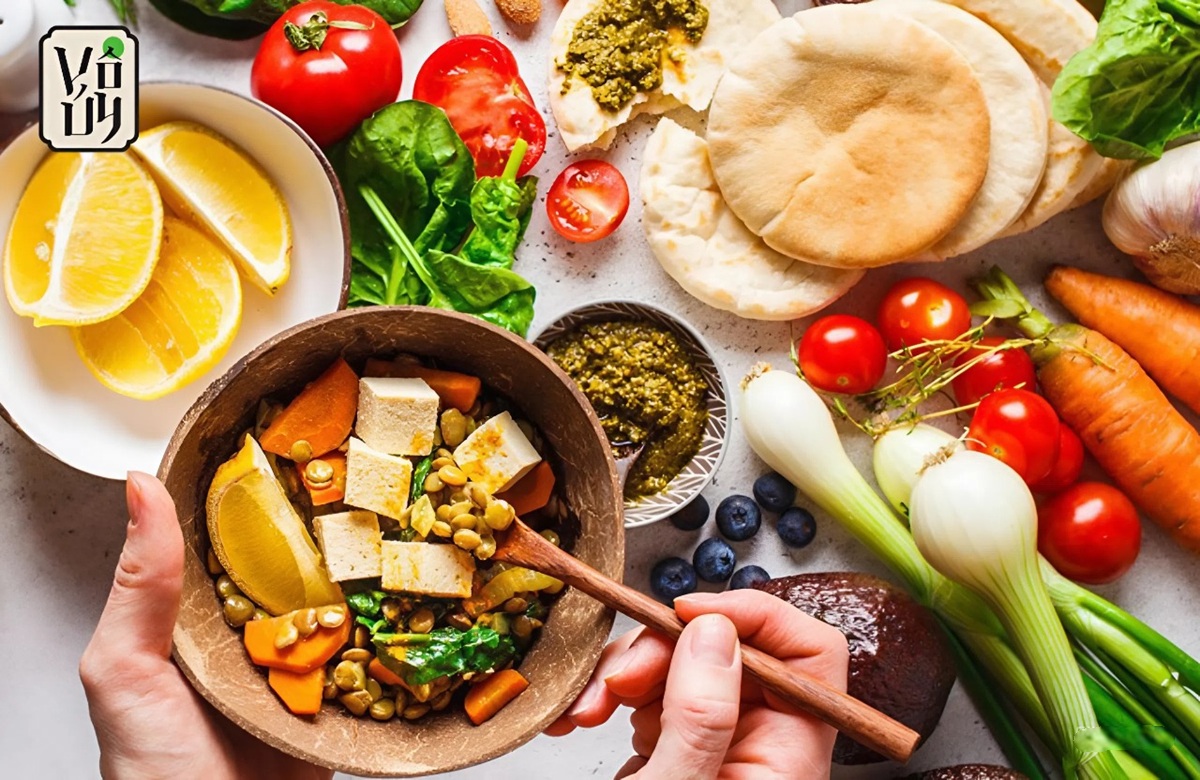
One-Day Healthy Vegetarian Meal Plan
Foods to Include in a Healthy Vegetarian Diet
To maintain a healthy vegetarian diet in the long term while protecting your health, you need to choose appropriate foods and balance the nutrients in every meal. A healthy menu should not contain only green vegetables. It must also provide sufficient plant-based protein, healthy carbohydrates, and beneficial fats.
Plant-Based Protein Helps Maintain Energy
Many people worry that a vegetarian diet will not provide enough protein. In reality, combining foods properly can still provide the body with all the essential nutrients it needs.
Good sources of plant-based protein include:
Tofu
Chickpeas
Lentils
Tempeh
Nuts and seeds
Healthy Carbohydrates
Contrary to what many people believe, carbohydrates are not a direct cause of weight gain. The issue lies in choosing the right types of carbohydrates and appropriate portion sizes. Instead of refined carbohydrates, you should prioritize:
Brown rice
Sweet potatoes
Oats
Whole-grain bread
These foods allow the body to absorb energy more slowly and help prevent sudden increases in blood sugar.
Healthy Fats
Many people try to eliminate fat completely when following a healthy diet. However, this is not entirely correct. The body still needs healthy fats to absorb vitamins and maintain proper organ function.
You can obtain healthy fats from:
Avocados
Walnuts
Almonds
Olive oil
When consumed in appropriate amounts, healthy fats not only make food more delicious but also help the body absorb nutrients more effectively as part of a healthy vegetarian diet.
Common Mistakes When Following a Healthy Vegetarian Diet
Eating Too Many Fried Foods
Many vegetarian dishes are currently prepared by deep-frying or using excessive amounts of oil. This significantly increases their calorie content and undermines their original health benefits.
Overusing Processed Vegetarian Foods
Vegan sausages, packaged plant-based meat, and frozen foods often contain considerable amounts of salt and preservatives. Consuming these products too frequently may cause nutritional imbalances.
Not Getting Enough Protein and Vitamin B12
People who follow a vegetarian diet for a long time must ensure they obtain sufficient protein and essential vitamins. Without a balanced and properly planned diet, the body may become tired or experience reduced energy levels.
Eating Too Little
Some people attempt to lose weight by eating extremely small amounts while following a healthy vegetarian diet. This may cause nutritional deficiencies, muscle loss, and a slower metabolism.
Healthy Vegetarian Diet vs. Eat Clean
Healthy vegetarian eating and eat clean are both popular dietary trends chosen by many people to improve their health and maintain their physique. These two approaches share several similarities because they both emphasize natural foods, limit processed products, and prioritize balanced nutrition. However, a closer examination reveals clear differences between a healthy vegetarian diet and eat clean in terms of food choices and dietary goals.
Similarities Between Healthy Vegetarian Eating and Eat Clean
Both diets emphasize fresh, clean foods and limit dishes containing excessive oil, refined sugar, or preservatives. People following a healthy vegetarian diet or eat clean usually prioritize green vegetables, fruit, whole grains, and simple cooking methods such as steaming, boiling, or lightly pan-searing with minimal oil.
Both diets also aim to improve overall health, support digestion, and help manage weight. This is why many gym-goers, office workers, and people who want to develop a healthier lifestyle are interested in healthy vegetarian eating and eat clean.
Another similarity is that both approaches encourage people to understand the ingredients in their meals instead of relying excessively on industrially processed food or fast food.

Healthy Vegetarian Diet vs. Eat Clean
Differences Between a Healthy Vegetarian Diet and Eat Clean
The main difference lies in the food sources used in each diet.
Eat clean focuses on consuming “clean” food, meaning food that remains as close to its natural state as possible while minimizing industrial processing. However, an eat-clean diet may still include chicken, fish, eggs, dairy products, and other animal-based proteins. People following eat clean often focus on managing calorie intake, balancing nutrients, and limiting unnecessary seasonings.
A healthy vegetarian diet, meanwhile, prioritizes foods derived entirely from plants. It focuses on green vegetables, legumes, nuts, seeds, mushrooms, grains, and plant-based protein sources that replace meat and fish. In addition to health considerations, many people choose healthy vegetarian eating because they want to reduce their consumption of animal products and adopt a gentler lifestyle.
A healthy vegetarian diet also tends to feel lighter because it significantly reduces saturated fat from animal products. However, people following this diet must still maintain nutritional balance to avoid deficiencies in protein, vitamin B12, or iron when following it over an extended period.
Should You Choose a Healthy Vegetarian Diet or Eat Clean?
Choosing between a healthy vegetarian diet and eat clean depends on each person’s needs and lifestyle. If you want to reduce the amount of meat in your diet, enjoy lighter dishes, and increase your consumption of green vegetables, a healthy vegetarian diet will be more suitable.
Conversely, if you still want to eat meat and fish while following a balanced diet and managing your weight more effectively, eat clean will be easier to incorporate into daily life.
In practice, many people now combine both approaches by following eat clean most of the time and adding several healthy vegetarian meals during the week to create greater balance. This also makes the diet more flexible and easier to maintain over the long term.
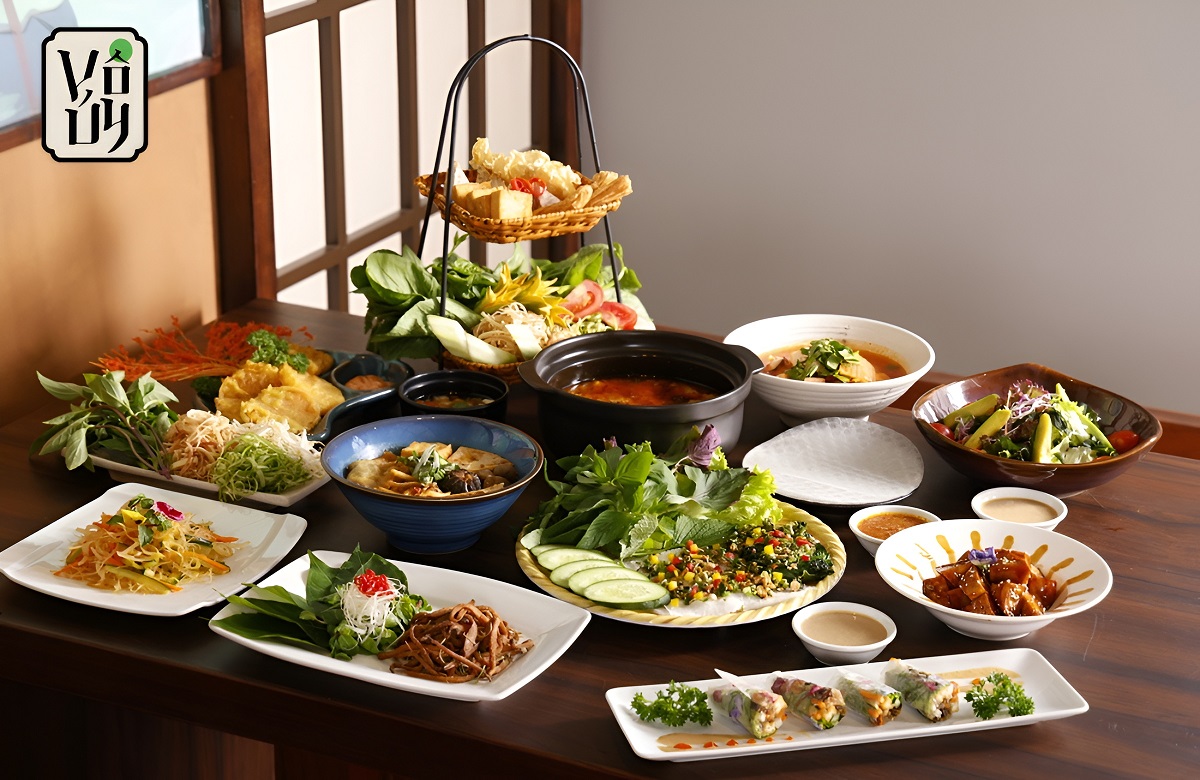
Enjoy Healthy Vegetarian Food at Vô Úy
If you are looking for a place to enjoy delicious and light healthy vegetarian dishes, Vô Úy Vegetarian Restaurant is a suitable choice.
Vô Úy offers a peaceful and welcoming environment suitable for gatherings with family or friends. Its vegetarian menu is prepared with fresh, clean ingredients, emphasizes nutritional balance, and preserves the natural flavors of each dish. Diners can enjoy a variety of appealing healthy vegetarian dishes, including:
- Refreshing vegetable salads
- Tofu dishes
- Naturally sweet vegetarian hot pots
- Nutritious vegetarian rice dishes
- Low-fat vegetarian dishes suitable for healthy diets
With refined preparation methods and a relaxing atmosphere, Vô Úy offers a vegetarian dining experience that is both delicious and beneficial to your health.
Enjoy Healthy Vegetarian Food at Vô Úy
Frequently Asked Questions About Healthy Vegetarian Eating
Can a Healthy Vegetarian Diet Help You Lose Weight?
When followed correctly and combined with appropriate calorie management, a healthy vegetarian diet can effectively support weight loss.
Can Gym-Goers Follow a Healthy Vegetarian Diet?
Gym-goers can follow a healthy vegetarian diet if they consume sufficient plant-based protein and create an appropriate meal plan.
Can a Healthy Vegetarian Diet Cause Nutritional Deficiencies?
This diet can still provide sufficient nutrition if you eat a diverse range of foods and maintain properly balanced portions.
How Should Beginners Start a Healthy Vegetarian Diet?
You should begin with simple, enjoyable dishes and gradually change your eating habits instead of forcing yourself to adapt too quickly.
Conclusion
A healthy vegetarian diet is not only a trend but also a way to care for your body and spread positive energy. Visit Vô Úy Vegetarian Restaurant to try its diverse healthy vegetarian menu or order food for delivery. A delicious meal today can contribute to better health tomorrow. We wish you many enjoyable meals and excellent health.