


 0902 353 527
  cskh@nhahangvouy.com

20 Buddha’s Teachings on Life to Reflect on Forever
The Buddha’s teachings on life offer profound lessons that help people rediscover peace amid life’s pressures and complexities. In this article, Vô Úy Vegetarian Restaurant will share 20 of the most meaningful Buddha teachings to help you view life more positively, maintain a peaceful mind, and find serenity within yourself. If you need a quiet moment to relax and balance your emotions, take some time to reflect on these teachings so your mind can feel lighter and more peaceful.
The Meaning of the Buddha’s Teachings on Life
The Buddha’s teachings on life not only hold spiritual value but also help people change how they think and view situations more positively. In modern life, with its many pressures and concerns, the Buddha’s teachings serve as a source of motivation, helping people maintain inner peace, let go of their worries, and live more gently every day.
- Help people live more peacefully: People can learn to manage their emotions and remain calm when facing difficulties in life. By reducing jealousy, resentment, and anger, the mind becomes lighter and more peaceful. This also helps people reduce suffering and prevent negative emotions from controlling their lives.
- Encourage a more positive view of life: The Buddha taught that life will always contain situations that do not meet our expectations, and people must learn to accept them instead of remaining resentful or suffering for too long. By releasing negative thoughts and viewing situations from a different perspective, we can overcome difficulties more easily and maintain emotional balance.
- Bring greater serenity to the mind: The Buddha’s teachings also help people understand that happiness does not come from possessions or status but from contentment and inner peace. By appreciating the simple things already present in life, people feel happier and experience less pressure from circumstances beyond their control.
Overall, the Buddha’s teachings on life provide many meaningful lessons that help people live more positively and gently. By applying these teachings to everyday life, each person can gradually experience serenity and peace from within.

The Meaning of the Buddha’s Teachings on Life
20 Meaningful Buddha Teachings on Life
The Buddha’s teachings on life contain profound philosophies that help people better understand human nature, karma, and how to maintain inner peace through every change. Whether experiencing hardship or happiness, each teaching provides meaningful lessons that encourage a more positive way of living. Below are 20 meaningful Buddha teachings on life for Vô Úy’s readers to consider:
1. Everything that happens in life has a reason and unfolds according to its causes and conditions.
2. Do not rush to assume what others are thinking because, without understanding and experience, people can easily misjudge a situation.
3. Everyone must walk their own path through life, so live carefully and cherish those around you. Happiness lies in calmness, while suffering often originates in one’s own thoughts. Success requires effort, while failure is something everyone must learn to accept.
4. True happiness does not lie in receiving as much as possible but in sincerely sharing and giving.
5. Learn to let go of what has passed so the mind can become lighter and more peaceful.
6. Everything in life happens at the right time, neither too early nor too late.
7. Those who are overly attached to their desires often struggle to find peace. Only by accepting circumstances and living wholeheartedly in the present can the mind become peaceful.
8. When people compete excessively and compare themselves with others, they lose joy and peace in life.
9. A truly wealthy person is not someone who possesses a great deal but someone who knows how to give and help others.
10. An arrogant person can still change, but someone who constantly lacks confidence and refuses to understand themselves will find it difficult to grow.
11. People become the result of their own thoughts and actions. When the mind remains pure and kind, happiness will always be present in life.
12. Everything in life is impermanent. Whatever begins will eventually end, and whatever comes together will ultimately separate. Therefore, people must learn to remain calm through life’s happiness and sorrow.
13. Looking down on and disregarding others can easily create negative karma for oneself.
14. By letting go of anger, pride, and unnecessary desires, people can feel lighter and experience less suffering.
15. Happiness is like the light of a candle: the more it is shared, the warmer and more meaningful life becomes.
16. A person’s true character is often revealed most clearly when they face difficulty and adversity.
17. Every day of life is precious, so people should learn to appreciate what they already have.
18. Wise people know how to improve themselves little by little, becoming better and more complete each day.
19. Meditation helps people understand themselves and guides the mind toward wisdom and peace.
20. Wise people keep their minds steady when facing praise or criticism and are not easily shaken by external influences.
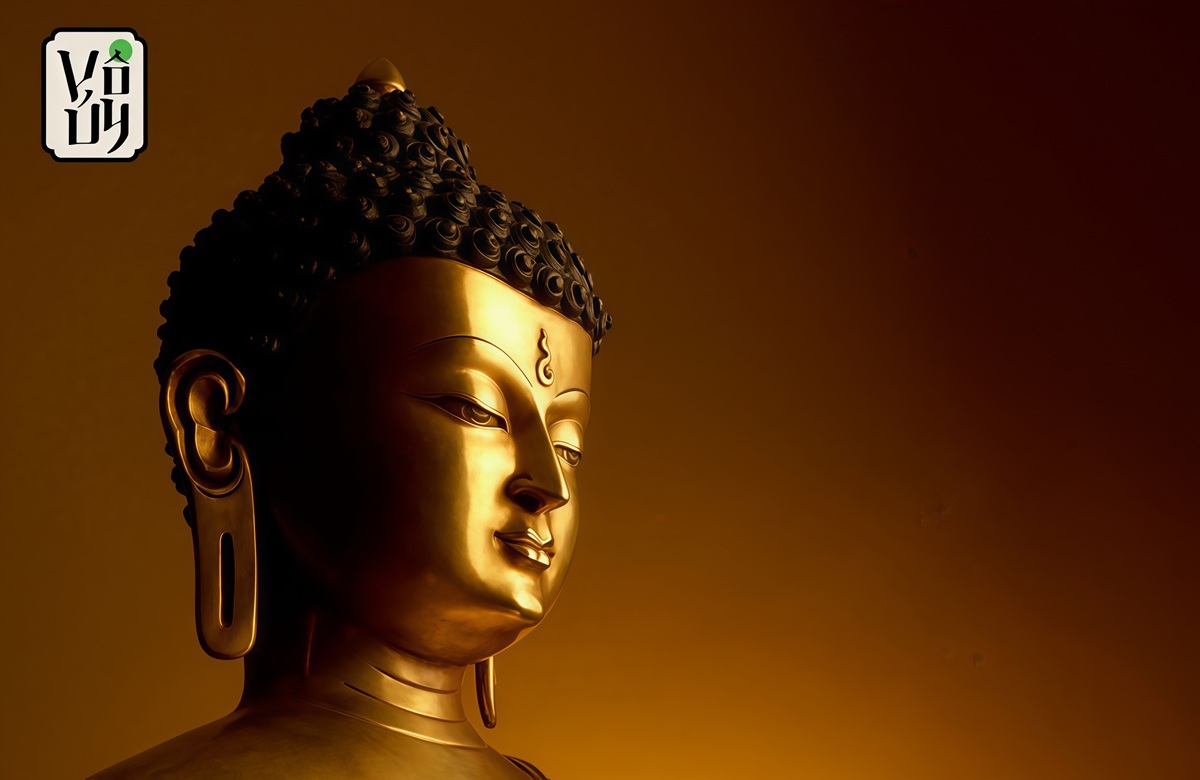
20 Meaningful Buddha Teachings on Life
Why Is Inner Peace So Difficult to Find?
Everyone wants to experience inner peace. However, achieving this state is not easy because people are often influenced by emotions, pressure, and expectations. The Buddha taught that restlessness does not come from external circumstances but mostly arises from each person’s thoughts and perceptions.
- Too much ambition and expectation: Many people constantly desire more money, status, or recognition from others. When expectations become too high but the results are disappointing, people easily experience frustration and pressure. Excessive competition and desire make it difficult for the mind to find peace.
- Being unable to release the past: Many people continue carrying past pain, regret, or mistakes in their hearts. Constantly thinking about the past makes the mind feel burdened and exhausted. Without learning to let go, people struggle to experience peace in the present.
- Constantly comparing yourself with others: Comparing yourself with other people’s achievements or lives can easily create insecurity and dissatisfaction. Everyone has their own journey, so comparison only creates additional pressure and greater inner unrest.
- Allowing negative emotions to control your life: Anger, jealousy, and resentment are negative emotions that can cause people to lose control and become exhausted. When the mind is constantly filled with negative thoughts, it becomes difficult to experience happiness and serenity in life.
Peace does not mean living without difficulties. It means keeping the mind calm through every change. By releasing unnecessary ambitions and learning to live more positively, each person will gradually discover peace within themselves.
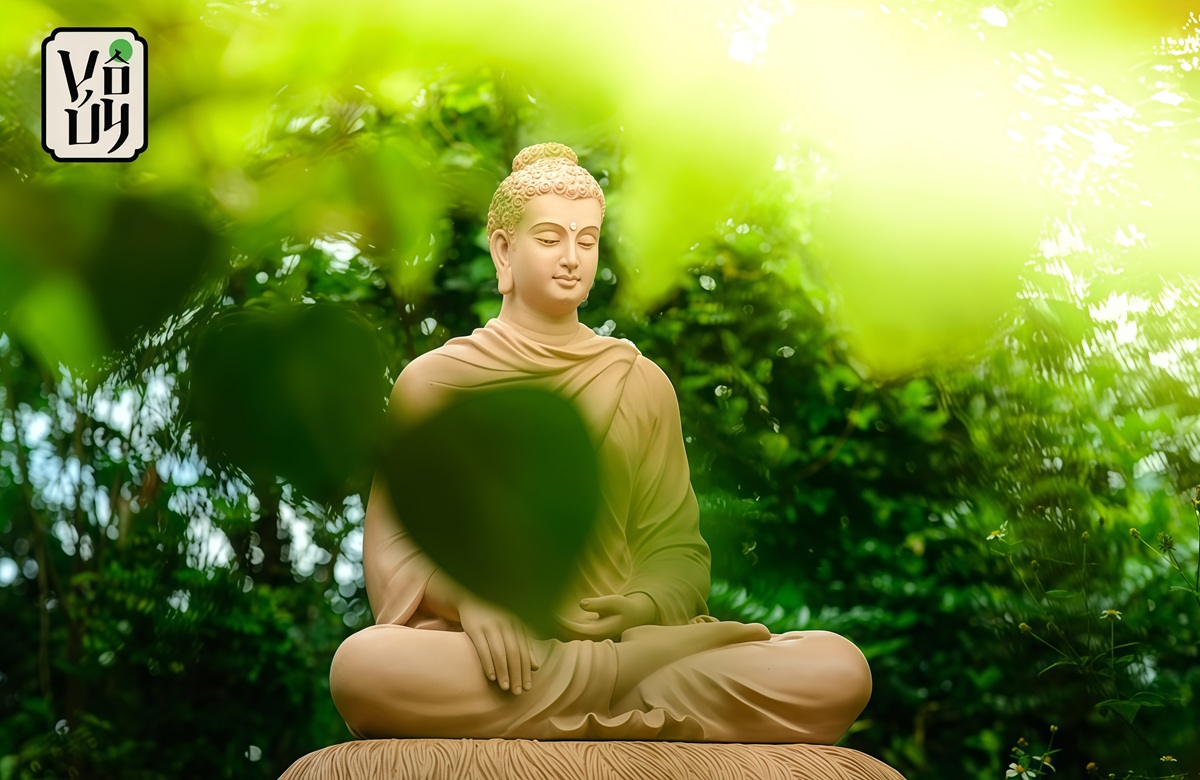
Why Is Inner Peace So Difficult to Find?
Applying the Buddha’s Teachings to Everyday Life
The Buddha’s teachings not only hold spiritual meaning but also help people learn to live more positively and peacefully every day. However, to experience genuine change, each person must apply these lessons to their thoughts, emotions, and interactions with others.
- Maintain positive thoughts: Positive thinking helps people view situations more gently and optimistically. Instead of focusing only on difficulties or failures, learn to regard them as lessons for growth and personal development.
- Learn to let go: The Buddha taught that holding on to anger and resentment only makes the mind feel heavier. By releasing negativity and forgiving yourself and others, you can feel lighter and more peaceful.
- Meditate and slow down: Meditation helps the mind relax and reduces stress in life. Slowing down and taking time to listen to yourself also helps you understand your emotions and maintain better mental balance.
- Appreciate what you have: By appreciating simple things such as family, health, and the loved ones around you, you will feel happier. Gratitude makes the mind more positive and reduces unnecessary negative thoughts.
Applying the Buddha’s teachings does not need to begin with major actions. It can start with small changes in everyday thoughts and behavior. By living positively, releasing worries, and appreciating the present, each person will gradually experience greater peace and serenity.
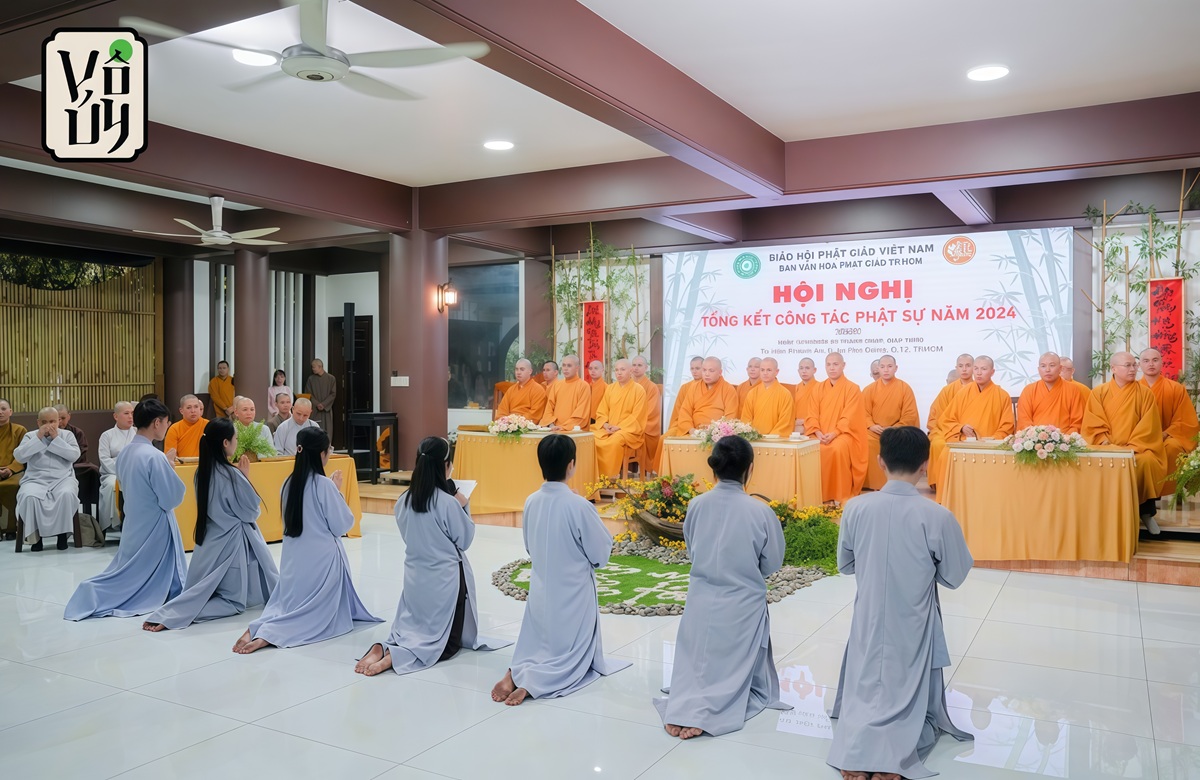
Applying the Buddha’s Teachings to Everyday Life
Frequently Asked Questions About Beginning Buddhist Practice
Why Do People Read the Buddha’s Teachings on Life?
Many people read the Buddha’s teachings on life because they contain profound lessons about interacting with others, managing emotions, and maintaining inner peace. In modern life, with its many pressures and concerns, these teachings help people view situations more gently, release their worries, and live more positively each day. Buddhist philosophy also helps people better understand karma, gratitude, and the value of inner peace.
Can the Buddha’s Teachings Help Reduce Stress?
The Buddha’s teachings can help people reduce stress and balance their emotions effectively. When reading or reflecting on the Buddha’s lessons, people learn to accept unfavorable circumstances, reduce negative thoughts, and remain calm when facing difficulties. Practising meditation, slowing down, and releasing anger and jealousy in accordance with the Buddha’s teachings can also help the mind feel more relaxed and at ease.
Should Non-Buddhists Read These Teachings?
People who do not follow Buddhism can still read and learn from the Buddha’s teachings on life. The Buddha’s lessons are not only religious but also contain humanitarian values concerning how to live, practise compassion, and cultivate inner peace. Therefore, anyone who wants to live more positively, become more compassionate, and manage their emotions more effectively can find meaning in these teachings.
How Can the Buddha’s Teachings Be Applied to Life?
To apply the Buddha’s teachings to life, begin with simple practices such as maintaining positive thoughts, letting go of anger, and slowing down. Practising meditation, treating others with love and sincerity, and showing compassion can also make the mind more peaceful. Most importantly, remain patient and practise every day to gradually transform your thoughts, emotions, and perspective on life in a more positive direction.
Conclusion
Vô Úy hopes these meaningful Buddha teachings on life will motivate you to live more peacefully, love yourself, and appreciate the good things present each day. When the mind remains peaceful and oriented toward goodness, life naturally becomes gentler and happier.