


 0902 353 527
 cskh@nhahangvouy.com


Omega-3 for Vegetarians: Plant Sources and How to Get Enough
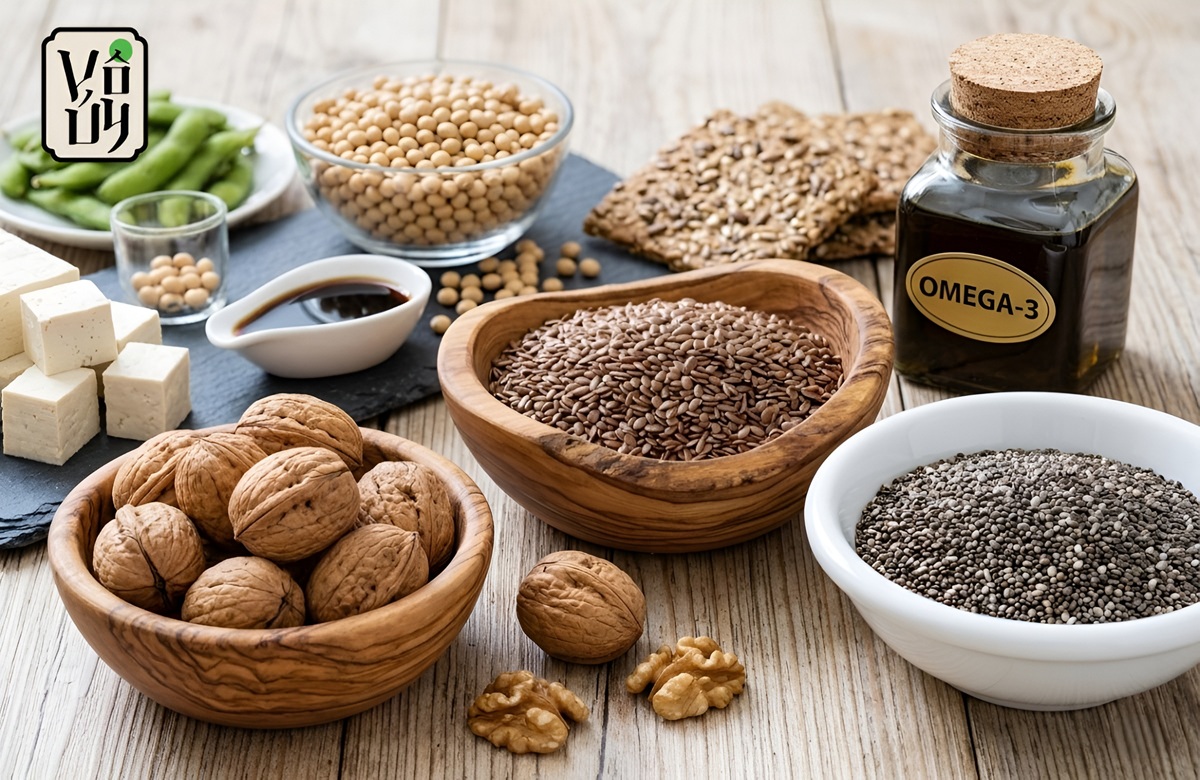
Omega-3 for vegetarians comes mainly from chia seeds, flaxseed, walnuts, soy and some plant oils, in the form of ALA. So how is ALA different from EPA and DHA, how much do you need, and how can you fit it into everyday meals? This guide walks you through it.
Key takeaways
- Plant omega-3 is mostly ALA; EPA and DHA come mainly from fish, seafood and microalgae.
- NIH sets ALA adequate intake at 1.6 g/day for men and 1.1 g/day for women.
- The body converts less than 15% of ALA into EPA and DHA.
- Easy ALA sources: chia, ground flaxseed, walnuts, soy and canola oil.
- People who avoid fish can consider algal oil after checking with a health professional.
Why omega-3 matters for vegetarians
Omega-3s are essential fatty acids your body cannot make in sufficient amounts, so they have to come from food. Vegetarians, especially those who skip fish and seafood, need to choose plant sources with a bit of care. Omega-3s play a part in:
- Heart health: EPA and DHA support heart health, including lowering blood triglycerides.
- Brain: DHA is a key structural component of the brain.
- Vision: DHA is concentrated in the retina.
- Inflammation: omega-3s help regulate inflammatory responses.
How much omega-3 do vegetarians need?
According to the US National Institutes of Health (NIH), there is no set recommendation for EPA and DHA, only an adequate intake (AI) for ALA. For adults:
| Group | ALA adequate intake/day |
|---|---|
| Men | 1.6 g |
| Women | 1.1 g |
| Pregnancy | 1.4 g |
| Breastfeeding | 1.3 g |
These figures cover your whole diet (source: NIH ODS, Omega-3 Fatty Acids). To put it in perspective, a tablespoon of flaxseed or about 28 g of chia seeds gets you there or close to it.
ALA, EPA and DHA in a vegetarian diet
All three are omega-3s, but they come from different foods and do different jobs.
What is ALA?
ALA (alpha-linolenic acid) is an essential omega-3 found in chia seeds, flaxseed, walnuts, flaxseed oil and canola oil. The body converts some ALA to EPA and DHA, but NIH notes this is very limited, under 15%, and even lower for DHA.
What are EPA and DHA?
EPA (eicosapentaenoic acid) and DHA (docosahexaenoic acid) are long-chain omega-3s found mainly in oily fish, seafood and some microalgae.
- EPA: helps make signalling molecules that regulate inflammation and supports heart health.
- DHA: is a structural part of the brain and retina.
If you do not eat fish or seafood, algal oil is a plant-based DHA source; some products also contain EPA.
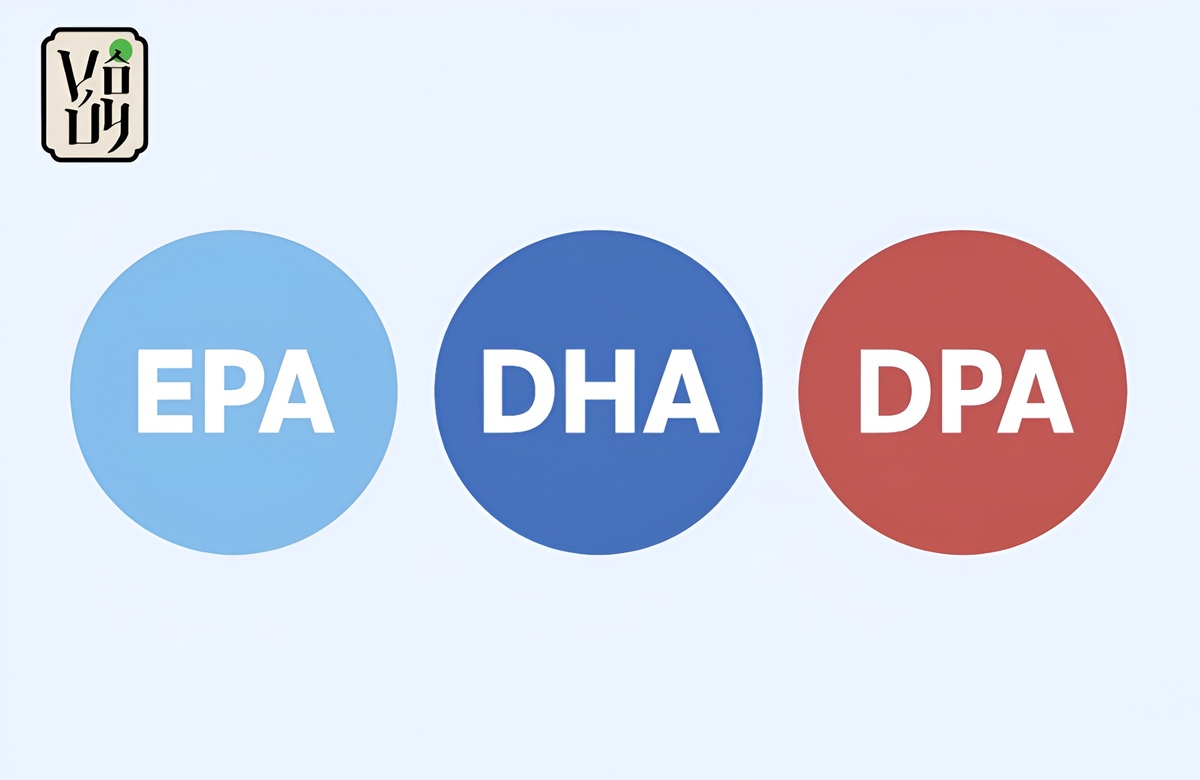
| Omega-3 type | Main sources | Note for vegetarians |
|---|---|---|
| ALA | Chia, flaxseed, walnuts, soy, canola oil | Easy to get from everyday foods |
| EPA | Oily fish, seafood, some algal oils | Only a small share is made from ALA |
| DHA | Oily fish, seafood, algal oil | Algal oil is a direct vegetarian source |
Plant sources of omega-3 for vegetarians
The good news is that ALA sources are easy to find and easy to use. Here are six worth knowing.
Flaxseed
Flaxseed is rich in ALA, but grind it first, as whole seeds can pass through the gut undigested. Ground flaxseed stirs easily into oatmeal, smoothies or salads.
Chia seeds
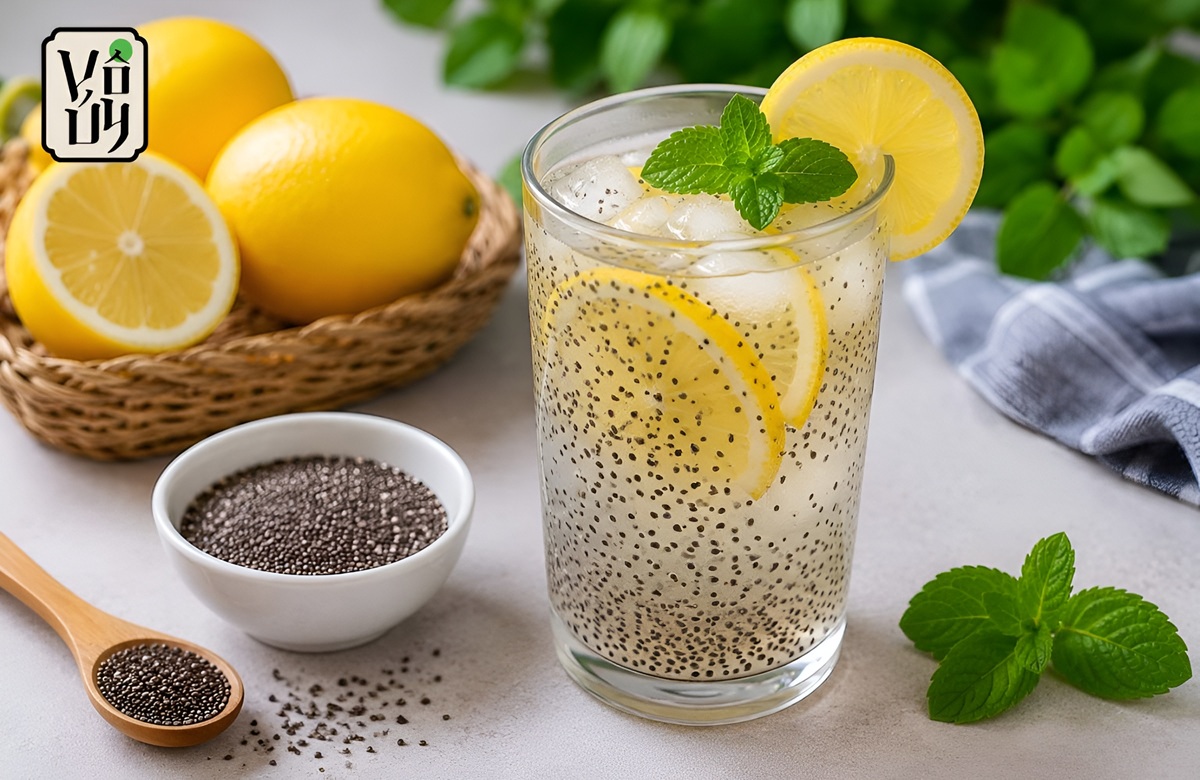
Chia seeds have the most ALA of common seeds and plenty of fibre. Soak them in plant milk for pudding or add them to smoothies and salads.
Walnuts
Eat walnuts as a snack or add them to oats, cereal and salads. They also provide vitamin E and antioxidants.
Soybeans and soy foods
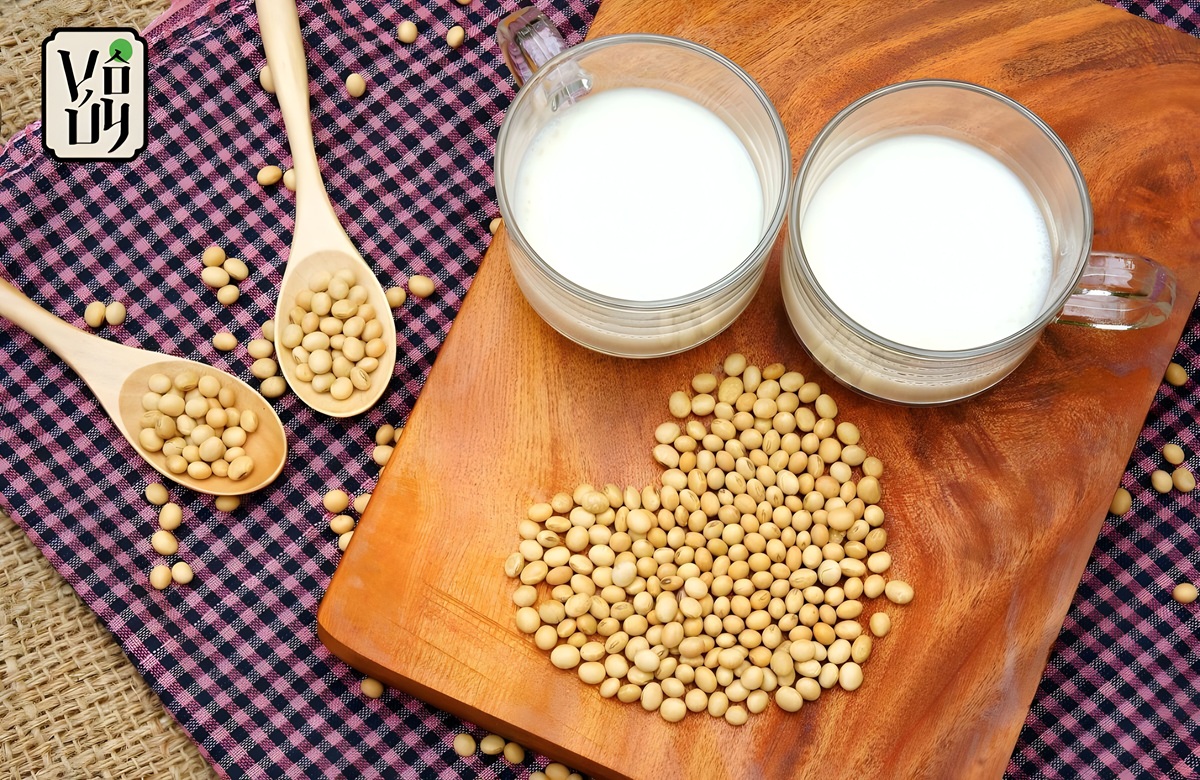
Soybeans, edamame, tofu and soy milk contain some ALA and are familiar sources of plant-based protein. You can also make tofu at home.
Canola and soybean oil
Both provide useful ALA for salads and cooking. Store oils properly and avoid long, high-heat cooking.
Hemp seeds
Hemp seeds are less common but provide ALA, plant protein, magnesium and iron. Sprinkle them on salads, oats or smoothies.
ALA content of common foods
| Food | Serving | ALA |
|---|---|---|
| Flaxseed oil | 1 tbsp | 7.26 g |
| Chia seeds | 28 g | 5.06 g |
| English walnuts | 28 g | 2.57 g |
| Whole flaxseed | 1 tbsp | 2.35 g |
| Canola oil | 1 tbsp | 1.28 g |
| Soybean oil | 1 tbsp | 0.92 g |
| Edamame, cooked | ½ cup | 0.28 g |
Figures from NIH ODS; actual content varies by product. Servings are for comparison, not a daily plan.
Building vegetarian meals with omega-3
- Breakfast: add chia or ground flaxseed to oatmeal, smoothies or plant milk.
- Lunch: tofu and edamame with vegetables and a canola oil dressing.
- Dinner: vegetables, beans and whole grains with a few walnuts or hemp seeds.
- Snack: a small handful of walnuts or chia pudding.
There is no need to eat all of these every day; rotating them is enough. A 30-day vegetarian meal plan can make planning easier, and for the bigger picture see how to eat vegetarian food with enough nutrients for the bigger picture.
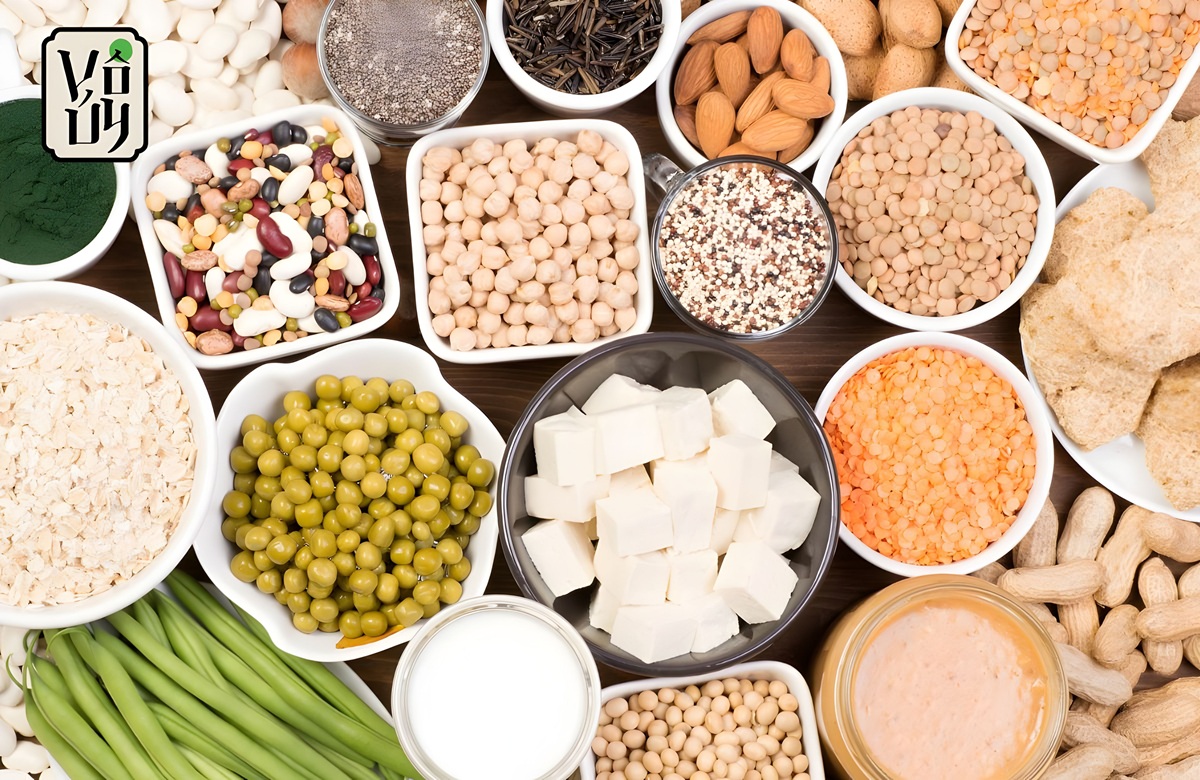
Tips on omega-3 for vegetarians
Do not rely on one food
Rotating seeds, beans and plant oils works better than relying on one favourite. Alongside omega-3, keep an eye on other nutrients vegetarians can miss, such as zinc.
Keep fats in proportion
Avocado, seeds and oils are energy-dense, so use moderate amounts alongside vegetables, whole grains and protein such as tofu.
When to consider algal oil
Because most plant omega-3 is ALA and conversion is low, people who avoid fish can consider algal oil. NIH notes these supplements usually provide about 100-300 mg of DHA per serving, some with EPA. If you are pregnant, breastfeeding, have a health condition or take regular medication, ask a health professional first.
A varied vegetarian meal at Vo Uy
At Vo Uy Vegetarian Restaurant you can start with a light seaweed jelly salad and add tofu, soy and vegetable dishes for a varied meal. A meal out cannot replace daily habits, of course, so chia, flaxseed and walnuts at home remain your main ALA sources.
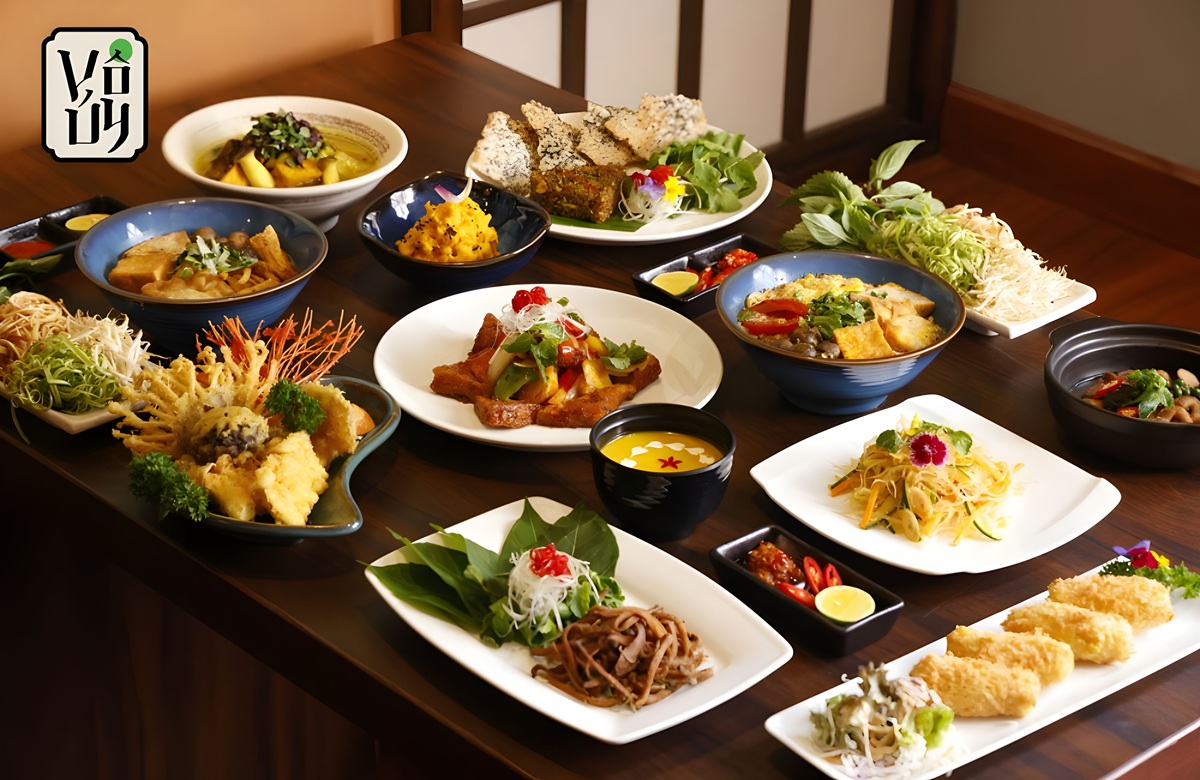
Book a table for a family meal or catch-up with friends.
Frequently asked questions about omega-3 for vegetarians
Do vegetarians lack omega-3?
Vegetarians can usually get enough ALA from seeds and oils, but EPA and DHA tend to be lower than in fish eaters because conversion from ALA is limited. See also is a vegetarian diet nutritious.
Which vegetarian foods have the most omega-3?
By NIH figures, flaxseed oil and chia seeds have the most ALA, followed by walnuts and flaxseed.
Should flaxseed be ground?
Yes. Whole flaxseed can pass through the gut undigested, so grinding helps absorption.
Should vegetarians take algal oil?
It is worth considering if you avoid fish and seafood, especially during pregnancy or breastfeeding. Ask a health professional about the dose.
Does cooking destroy omega-3?
ALA oxidises with prolonged high heat. Use flaxseed oil cold and add chia or ground flaxseed after cooking.
Conclusion: omega-3 for vegetarians from everyday meals
Omega-3 for vegetarians can come from chia, flaxseed, walnuts, soy and plant oils. Knowing how ALA, EPA and DHA differ helps you pick the right sources, and if you avoid fish, algal oil is worth considering.
Call 0902 353 527 to book at Vo Uy Vegetarian Restaurant, 47 Street No. 3, CityLand Park Hills, Go Vap Ward, Ho Chi Minh City.