

 0902 353 527
 cskh@nhahangvouy.com


Zinc for Vegetarians: Daily Needs, Food Sources and Tips
Zinc for vegetarians can come from beans, seeds, whole grains and, if you eat it, dairy. How much your body actually absorbs, though, depends on how food is prepared and what you eat with it. This guide covers daily needs, zinc-rich vegetarian foods and simple ways to spread zinc across your meals.
Key takeaways
- According to NIH, adults need 11 mg of zinc a day (men) and 8 mg (women) from their whole diet.
- Vegetarians tend to get less zinc, so food choices matter.
- Vegetarian zinc sources include beans, soy foods, pumpkin seeds, sesame, cashews, whole grains and dairy if you eat it.
- Soaking beans and seeds and eating fermented foods may improve absorption.
- Take zinc supplements only with advice from a health professional.
Why zinc matters for vegetarians and how much you need
Zinc plays a part in immunity, protein synthesis and wound healing. The body does not store much of it, so it needs a steady supply from food.
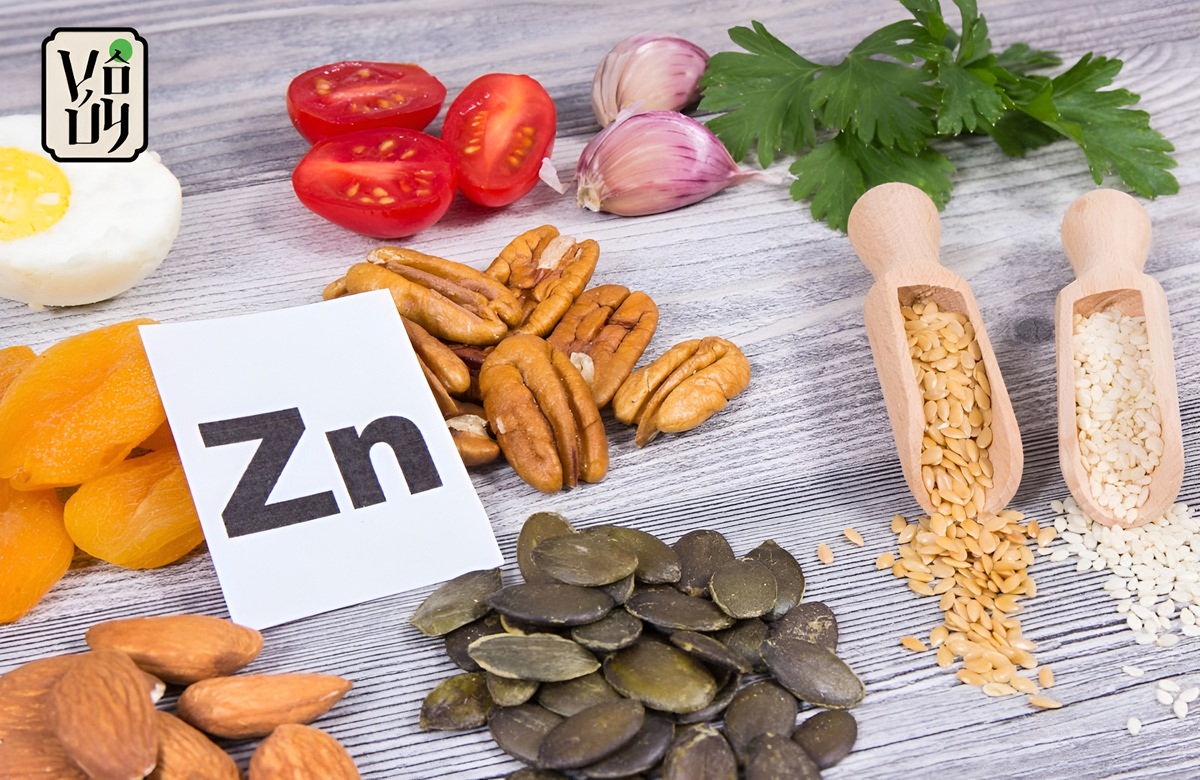
According to the US National Institutes of Health (NIH), adults aged 19 and over need per day:
| Group | Recommended zinc per day |
|---|---|
| Men | 11 mg |
| Women | 8 mg |
| Pregnancy | 11 mg |
| Breastfeeding | 12 mg |
These figures cover your whole diet, not a supplement dose. The NIH also notes that vegetarians tend to have lower zinc intakes and lower serum zinc than meat eaters (source: NIH Zinc Fact Sheet), which is why zinc often comes up when people ask whether a vegetarian diet is nutritious.
What happens if vegetarians lack zinc?
Going vegetarian does not mean you will run short of zinc. The risk rises when meals are high in phytates, compounds in beans, seeds and grains that reduce absorption, but low in good zinc sources. Long-term deficiency may cause:
- Weaker immunity: the immune system works less well.
- Slow wound healing: tissue repair takes longer.
- Changes in taste and smell: food tastes and smells less appealing.
- Skin and hair problems: skin lesions and hair loss.
- Growth effects: slower growth in children and effects on reproductive health.
These signs have many other possible causes, so if they persist, see a health professional rather than assuming it is zinc.
Zinc-rich foods for vegetarians
Beans, seeds, grains and dairy are the main zinc sources in a vegetarian diet. Reference values from the NIH:
| Food | Serving | Zinc |
|---|---|---|
| Fortified breakfast cereal | 1 serving | 2.8 mg |
| Oats, cooked with water | 1 cup | 2.3 mg |
| Pumpkin seeds, roasted | 1 oz (28 g) | 2.2 mg |
| Cheddar cheese | 1.5 oz (42 g) | 1.5 mg |
| Lentils, boiled | ½ cup | 1.3 mg |
| Low-fat milk | 1 cup | 1.0 mg |
| Greek yogurt | 6 oz (170 g) | 1.0 mg |
| Kidney beans, canned | ½ cup | 0.6 mg |
The table is for comparison rather than a list to eat in one day; actual content varies by product and cooking.
Beans and soy foods
Lentils, chickpeas, mung beans and soybeans provide zinc along with plant-based protein and fibre, and work in soups, stews, salads or dishes with rice. Tofu and tempeh keep things interesting, and you can even make tofu at home.
The NIH notes that soaking beans, grains and seeds for a few hours before cooking, and eating fermented foods, may improve zinc absorption.
Pumpkin seeds, sesame, cashews and other seeds
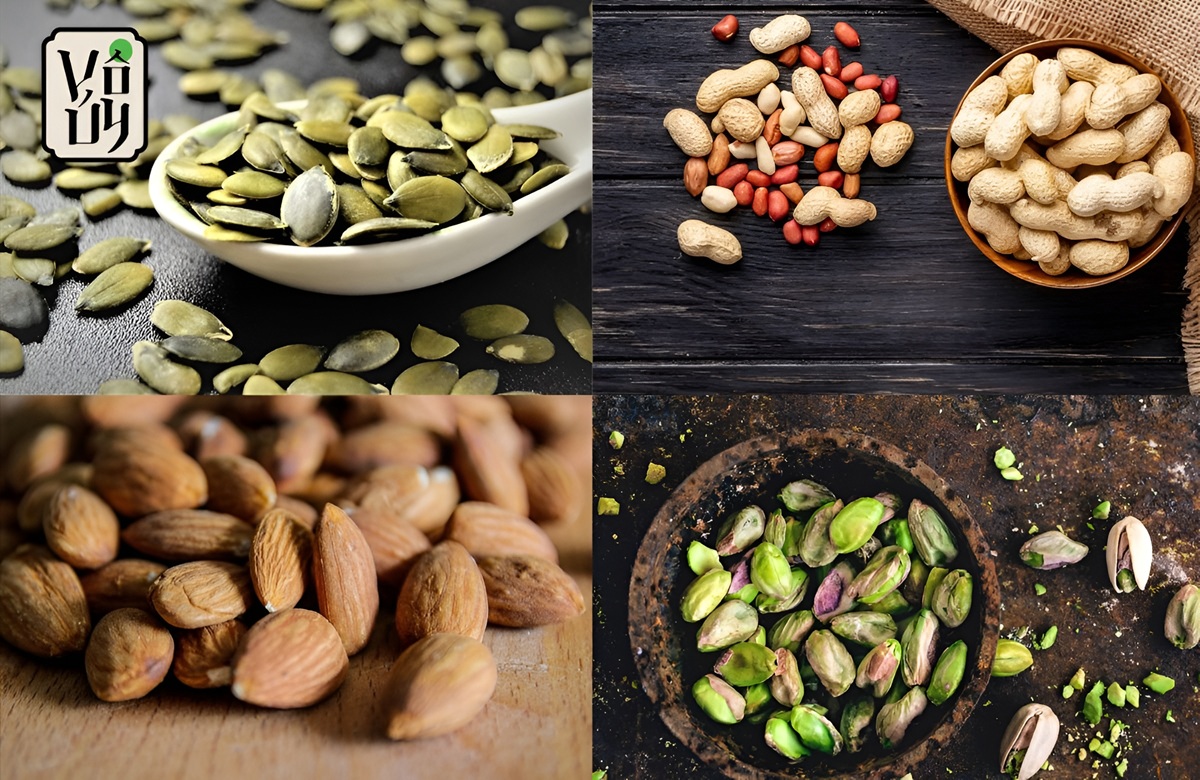
Pumpkin seeds are the standout plant source here, with sesame, cashews, sunflower seeds and almonds adding a little more. Snack on them or sprinkle them over porridge, oats or salads.
A pinch of sesame adds flavour but not much zinc, and seeds are energy dense, so moderate portions are best.
Whole grains and fortified foods
Oats, brown rice and wholemeal bread contain zinc as well as energy and fibre. Some breakfast cereals are fortified with zinc, but “whole grain” does not always mean fortified, so check the label.
Dairy, if your diet includes it
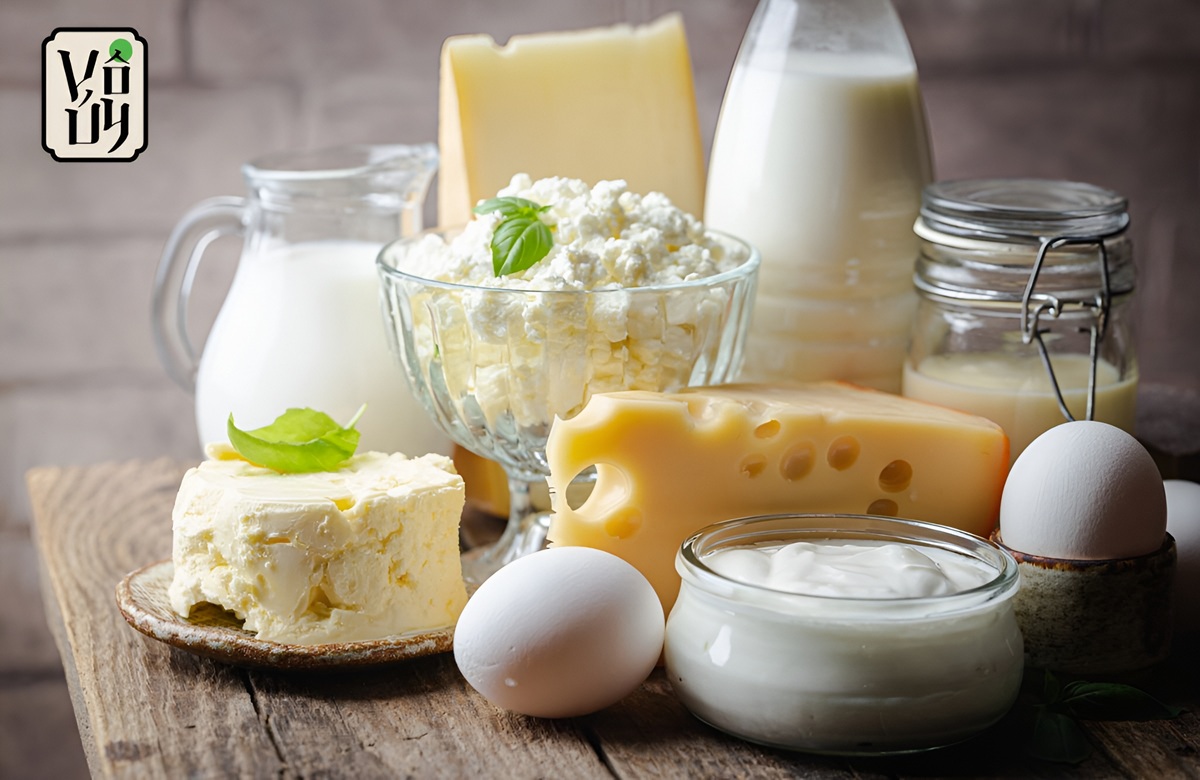
For lacto-vegetarians, milk, yogurt and cheese all add zinc (see can vegetarians eat cheese). Vegans can look for zinc-fortified plant milks; just read the label, as calcium or vitamin D fortification does not guarantee added zinc.
Greens and mushrooms
Broccoli, spinach, kale and mushrooms add a little zinc and plenty of variety; the amount depends on the type, freshness and cooking. These stir-fried mushroom recipes are an easy way in.
Think of greens and mushrooms as a top-up alongside beans, seeds and grains rather than a main source.
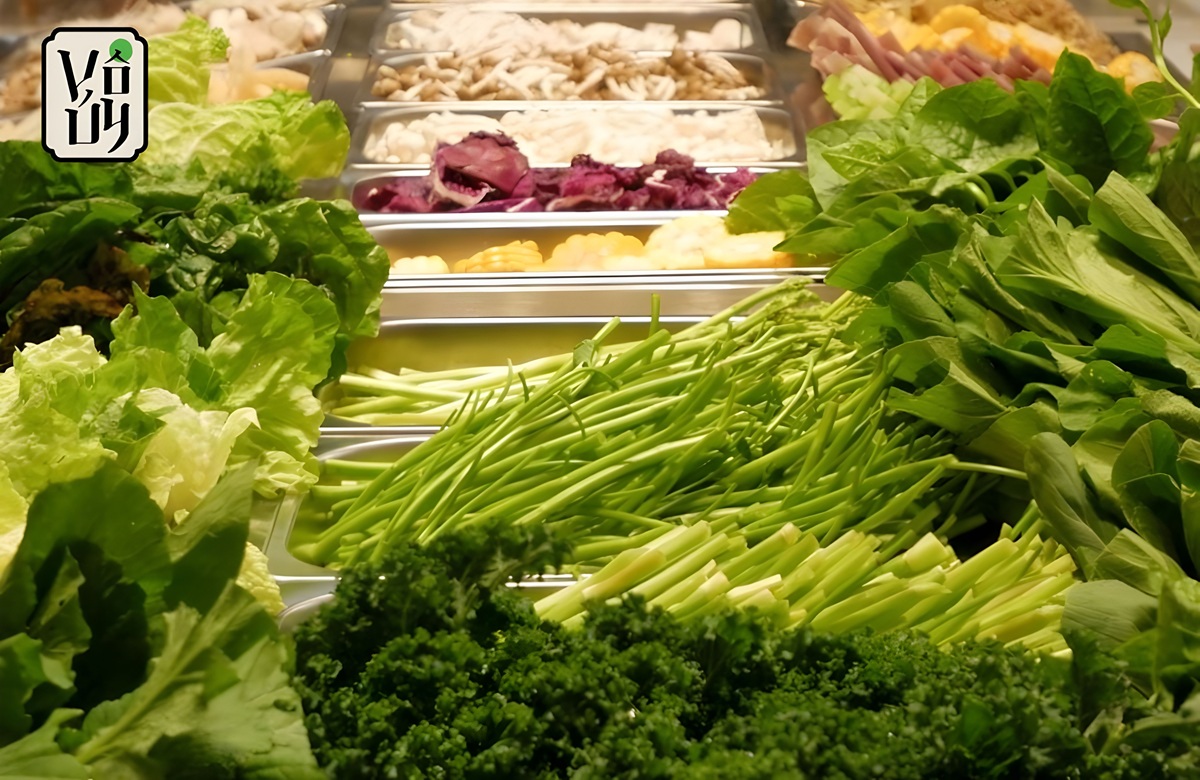
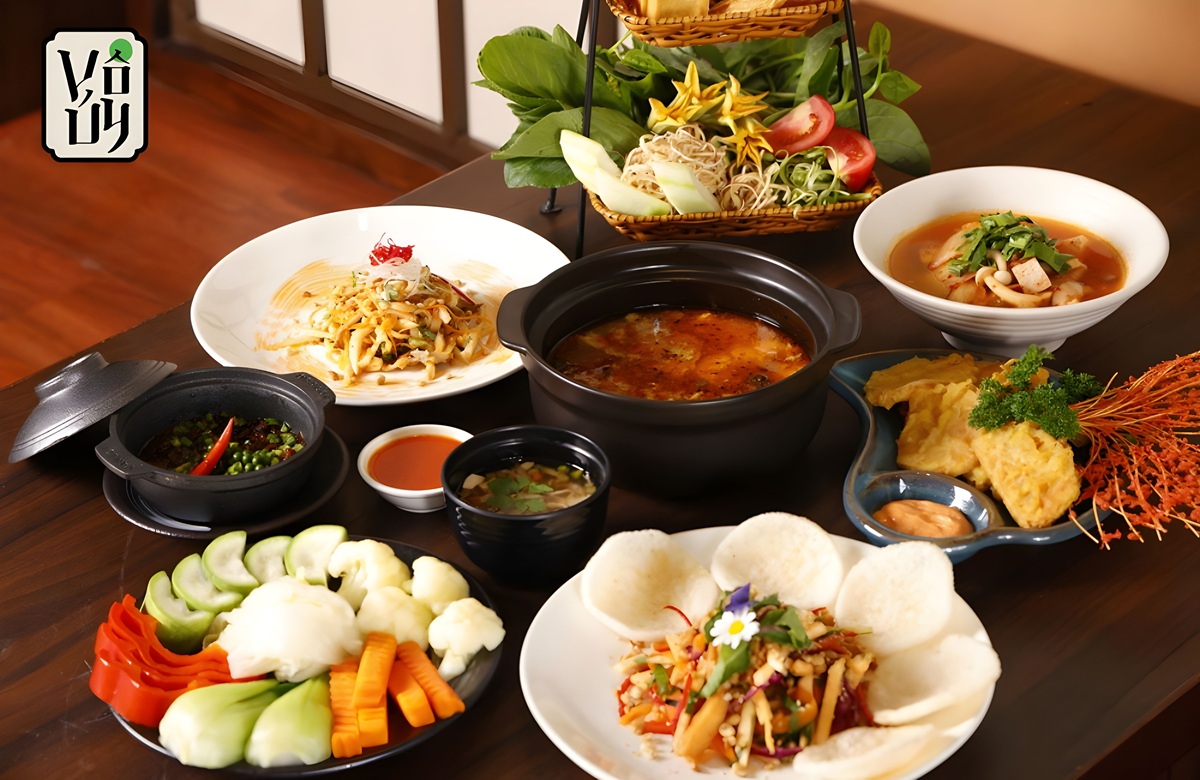
Zinc-friendly vegetarian dishes at Vo Uy
At Vo Uy you can pair beans, mushrooms and vegetables with rice, such as lemongrass braised tofu with rice and greens, plus steamed oyster mushrooms with lemongrass. It adds variety, although it is not a menu calculated for your personal zinc needs.
For the bigger picture, see how to maintain a balanced vegetarian diet, and let the staff know if you need to avoid any ingredient.
Frequently asked questions about zinc for vegetarians
Are vegetarians more likely to lack zinc?
They can be, if they eat few beans, seeds and whole grains. The NIH notes lower intakes among vegetarians, but a varied diet can still meet your needs.
Which seed has the most zinc?
Pumpkin seeds, at about 2.2 mg per ounce of roasted seeds according to the NIH. Cashews, sesame and sunflower seeds add more.
Do vegetarians need zinc supplements?
Not everyone. If you suspect a deficiency or are in a higher-risk group, talk to a health professional first to avoid taking too much.
Does soaking beans improve zinc absorption?
Yes. Soaking beans, grains and seeds for a few hours before cooking, or eating fermented foods such as tempeh, may help.
When should I eat zinc-rich foods?
Spread them through the day: oats and seeds at breakfast, tofu or beans at lunch, mushrooms and greens at dinner. It also helps to keep an eye on other nutrients such as omega-3.
Conclusion
Zinc for vegetarians comes from several foods: beans, pumpkin seeds, oats, whole grains, dairy and a little from greens and mushrooms. Eating a mix of sources each day and soaking beans and seeds before cooking helps you get more of it. To enjoy tofu, mushroom and vegetable dishes, book a table at Vo Uy or call 0902 353 527.