

 0902 353 527
 cskh@nhahangvouy.com


Vegetarian Diet for Weight Loss: Does It Really Work?
Can a vegetarian diet for weight loss really work? It can, as long as you eat fewer calories than you burn and keep your meals balanced. This guide looks at why plant-based eating can help, what the research shows, how to plan meals and the mistakes that leave some vegetarians gaining weight instead.
Key takeaways
- A vegetarian diet can help you lose weight when you eat fewer calories than you burn.
- A meta-analysis of 12 trials (Huang et al., 2016) found about 2 kg more weight loss on vegetarian diets.
- Focus on vegetables, beans, tofu and high-fibre carbs; limit fried and processed vegetarian food.
- Calorie-dense foods such as nuts, avocado and oils still need portion control.
- Children, pregnant women and people with health conditions should seek professional advice first.
Common causes of weight gain
To see how a vegetarian diet can help, it is worth starting with why we gain weight. When we take in more energy than we use over a long period, the extra is stored as fat. Common contributors include:
- Energy-dense foods: fried food, fast food, sweets and sugary or fatty dishes.
- Low activity: long sitting and little exercise reduce daily energy use.
- Unbalanced meals: lots of refined carbs with few vegetables and little protein leave you hungry sooner.
- Lifestyle: poor sleep and ongoing stress can affect appetite.

Does a vegetarian diet help you lose weight?
It can, as long as you eat fewer calories than you burn. Going vegetarian does not cause weight loss on its own, but it can make managing calories easier when you choose the right foods.
Why a vegetarian diet can support weight loss
A vegetarian diet is built around vegetables, fruit, beans and whole grains. These foods are high in fibre and keep you full for longer, so you naturally eat a little less without feeling deprived.
What the research says
A meta-analysis of 12 randomised controlled trials in the Journal of General Internal Medicine (Huang et al., 2016) found that people on vegetarian diets lost about 2 kg more on average than those on non-vegetarian diets. That is an average, and individual results depend on portions, activity and how long the diet is followed.
You can still gain weight as a vegetarian
Plenty of people are surprised to gain weight after going vegetarian. The usual culprits are fried food, processed products, sugary drinks and large portions, because vegetarian food can still be high in calories.
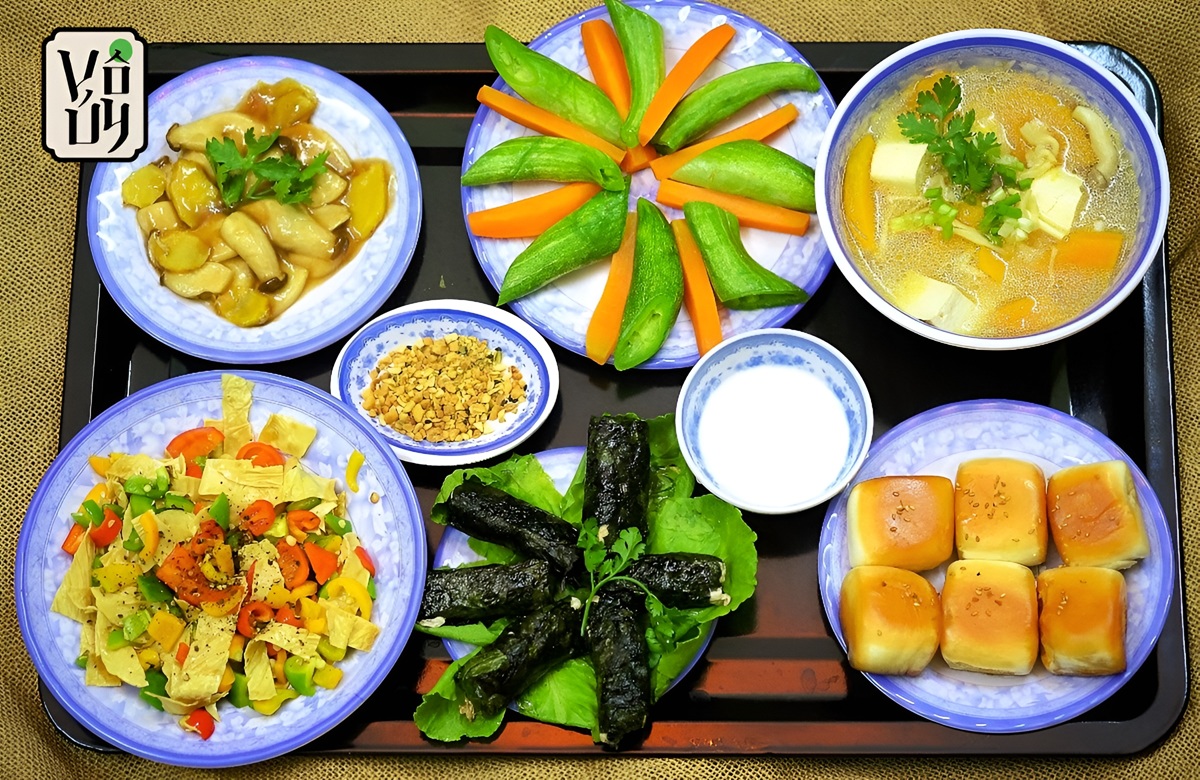
How to plan a vegetarian diet for weight loss
- A moderate calorie deficit: eat less than you burn, but do not cut too much.
- Plant protein: tofu, soy and lentils help maintain muscle and keep you full. Learn more about plant-based protein.
- High-fibre carbs: brown rice, oats, sweet potato and whole grains instead of refined carbs.
- Balanced plates: vegetables, plant protein, carbs and a moderate amount of fat at each meal.
- Micronutrients: watch vitamin B12, iron, calcium, zinc and omega-3.
- Limit sugar, salt and processed food: packaged vegetarian products, fried dishes and sweets are often calorie-dense.
- Sensible meal timing: three main meals with a snack if needed; total daily intake matters most.
If you want a framework to start from, see the 30-day vegetarian meal plan and how to maintain a balanced vegetarian diet.
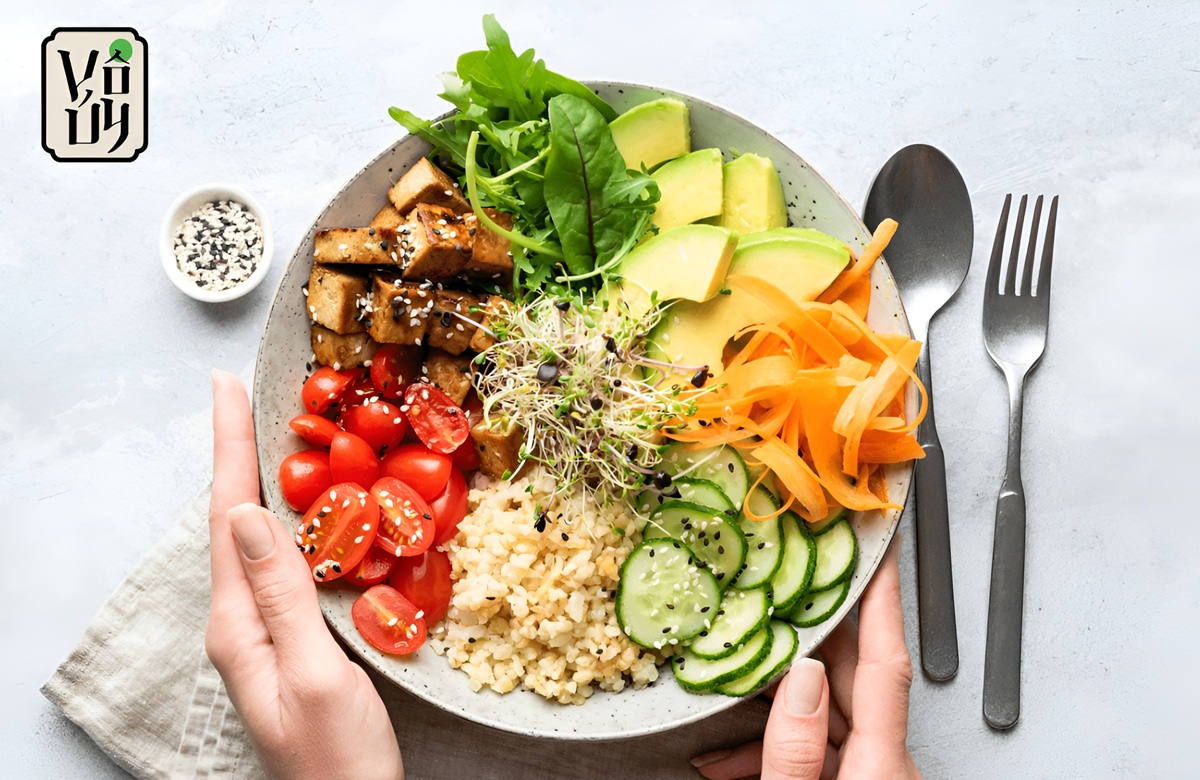
A sample day
| Meal | Idea |
|---|---|
| Breakfast | Oats cooked with soy milk, with fruit |
| Lunch | Brown rice, tofu in tomato sauce, boiled greens and vegetable soup |
| Snack | Fruit, or unsweetened yoghurt if your diet includes dairy |
| Dinner | A small portion of noodles with plenty of vegetables and steamed tofu |
Adjust portions to your own energy needs. For breakfast ideas, try these easy vegetarian breakfasts, and for evening meals see light vegetarian dinner ideas.
Common mistakes on a vegetarian weight-loss diet
- Too little protein: meals without tofu, soy or beans leave you hungry.
- Too many refined carbs: large portions of white rice, white bread and noodles.
- Unlimited calorie-dense foods: nuts, avocado, oils and peanut butter are healthy but high in energy.
- Relying on processed vegetarian food: mock meats and packaged dishes can be high in salt, oil and additives.
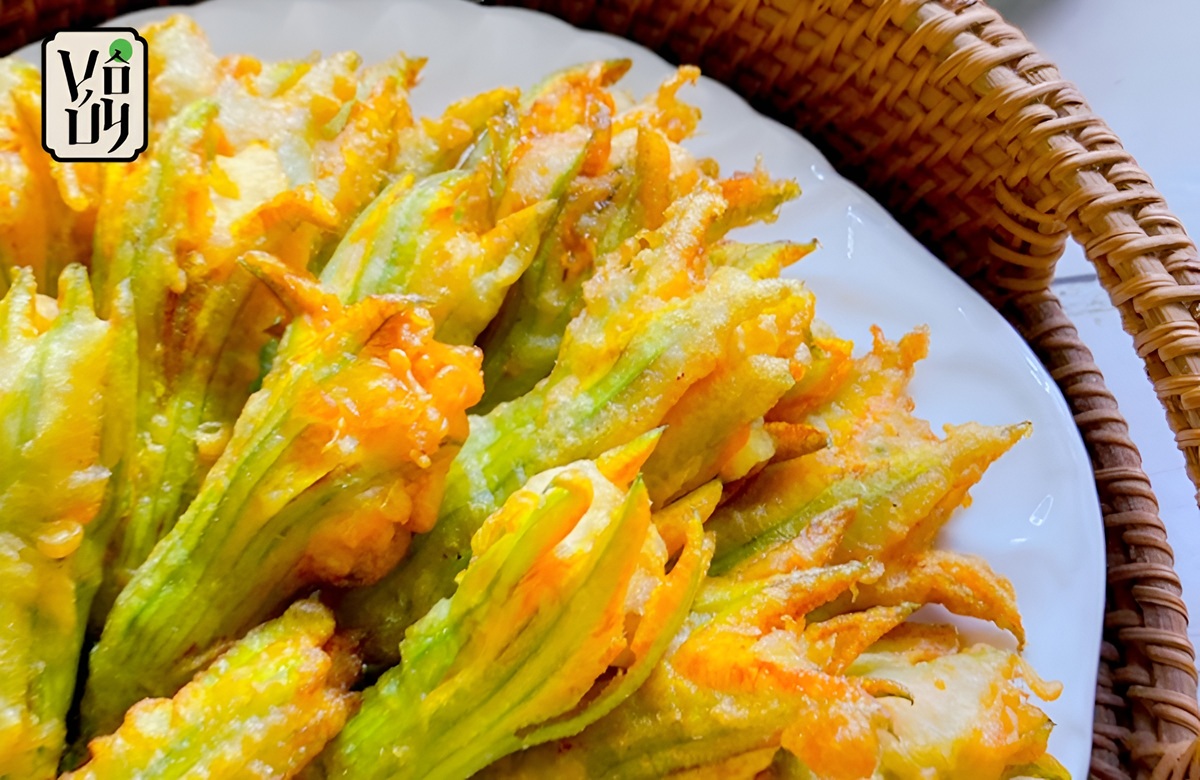
Light vegetarian meals at Vo Uy
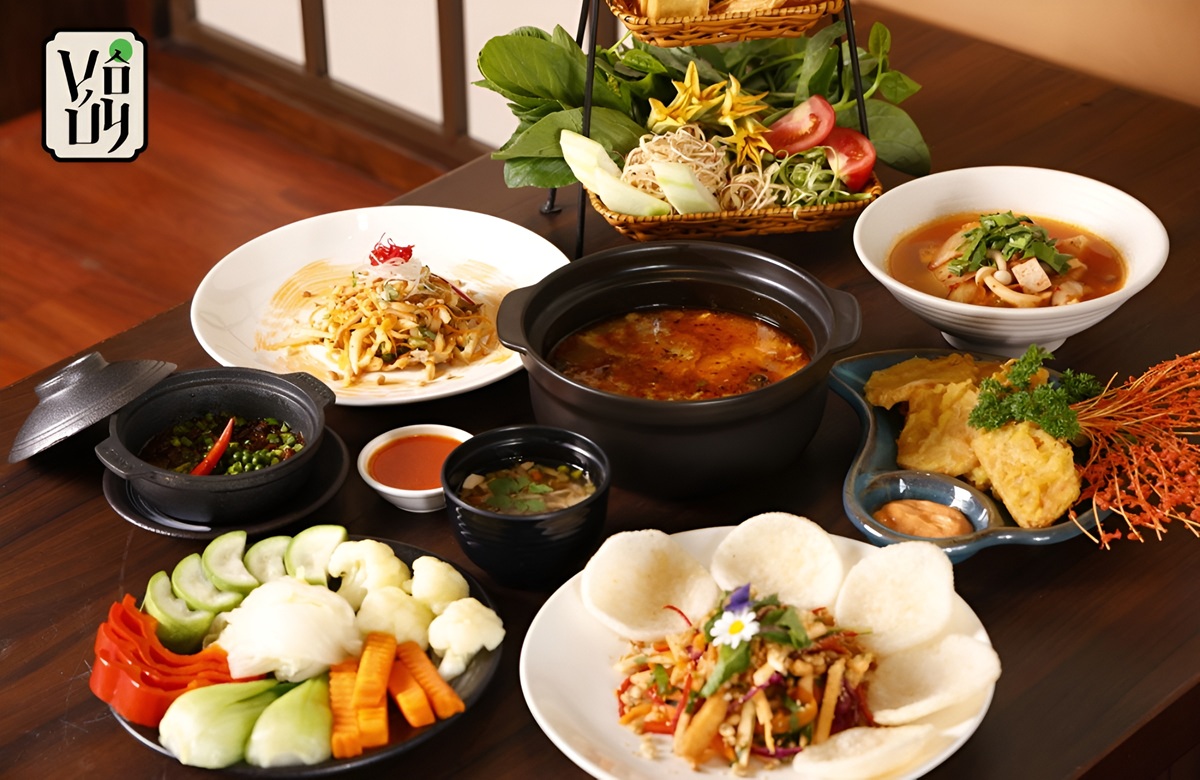
Watching your weight does not mean avoiding restaurants. Choose steamed, boiled, salad, soup and tofu dishes and go easy on fried food and rich sauces. Vo Uy Vegetarian Restaurant has many light dishes made with vegetables, mushrooms and beans; if you are unsure what to pick, see what to order at a vegetarian restaurant.
Book a table in advance to save time.
Frequently asked questions
Does a vegetarian diet lack nutrients?
Not necessarily, if it is varied and balanced. Pay attention to protein, B12, iron, calcium, zinc and omega-3; vegans should get B12 from fortified foods or supplements when needed.
Can a vegetarian diet reduce belly fat?
It can help if it controls calories and comes with exercise, but no diet targets belly fat specifically.
How long does it take to lose weight on a vegetarian diet?
There is no fixed timeline. It depends on your calorie deficit, activity and body; gradual loss is usually easier to maintain.
Do I need to cut carbs?
No. Choose high-fibre carbs such as brown rice, sweet potato and oats in suitable amounts.
Is a vegetarian diet suitable for everyone?
Most people can follow one with enough energy and nutrients. Children, pregnant or breastfeeding women, older adults and people with health conditions should ask a doctor or dietitian.
Conclusion: a vegetarian diet for weight loss
A vegetarian diet for weight loss works when total energy, food quality and activity line up. A diet rich in vegetables, beans and whole grains can help you lose weight gently, while fried and processed vegetarian food can still pile on the pounds.
Call 0902 353 527 to book at Vo Uy Vegetarian Restaurant, 47 Street No. 3, CityLand Park Hills, Go Vap Ward, Ho Chi Minh City.