


 0902 353 527
  cskh@nhahangvouy.com

How to Make Flavorful Vegan Mushroom Sticky Rice
Vegan mushroom sticky rice is an appealing dish that combines soft, chewy glutinous rice with fragrant, well-seasoned stir-fried mushrooms. It is suitable not only for breakfast but also for vegetarian feasts, full-moon days, and family gatherings. In this guide, Vô Úy Vegetarian Restaurant will show you two simple ways to make vegan mushroom sticky rice at home using a steamer or rice cooker.
Vegan Mushroom Sticky Rice – A Light and Delicious Dish for Every Occasion
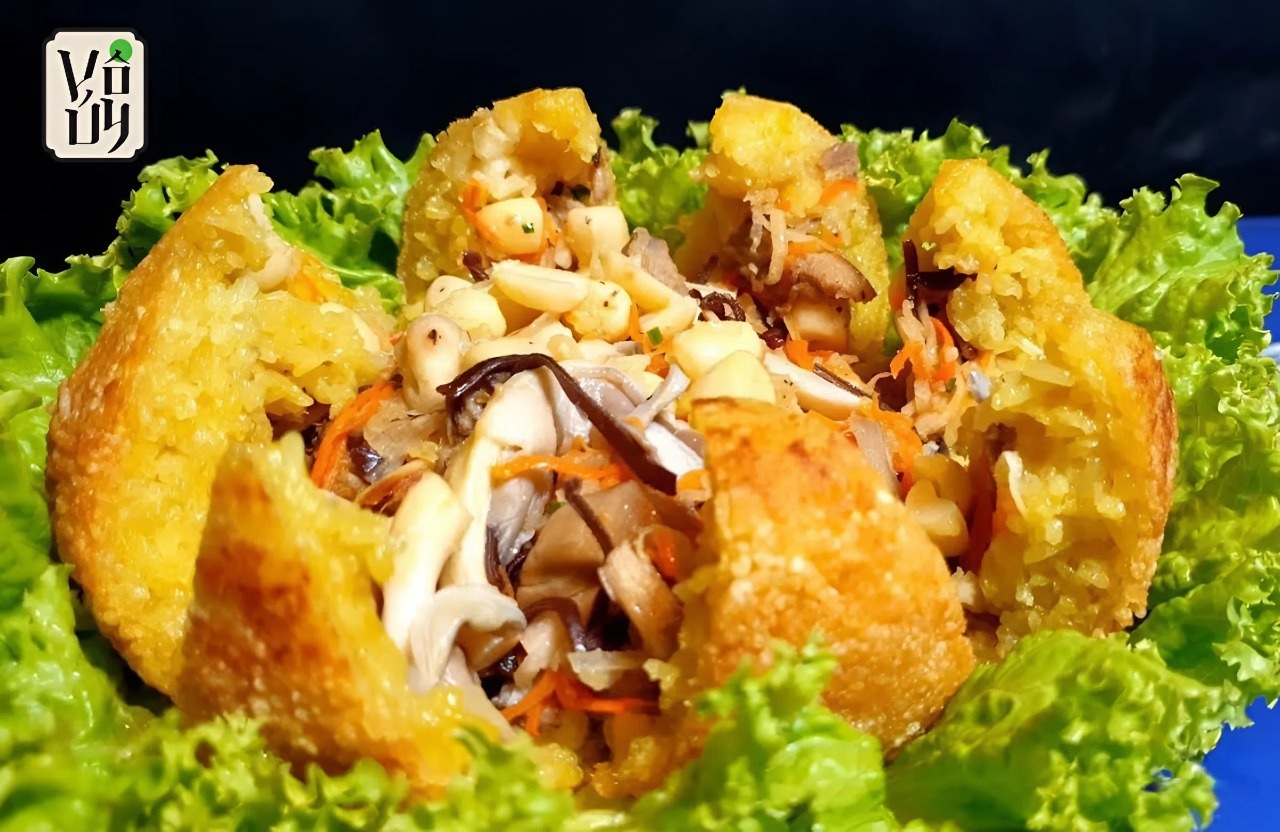
Vegan mushroom sticky rice combines glutinous rice with mushrooms such as shiitake, wood ear, and straw mushrooms. Once cooked, the glutinous rice becomes soft and chewy, while the mushrooms add their distinctive aroma and natural sweetness. When properly seasoned, the dish tastes rich and flavorful without being overly heavy.
You can enjoy vegan mushroom sticky rice for breakfast as an energy-rich meal or prepare it for vegetarian days. Its attractive appearance, accessible ingredients, and flexible presentation also make it suitable for vegetarian feasts and special occasions.
Compared with many vegan sticky rice dishes that contain vegan sausage or other processed products, mushroom sticky rice uses relatively simple ingredients. You can also adjust the mushrooms and vegetables according to your family’s preferences.
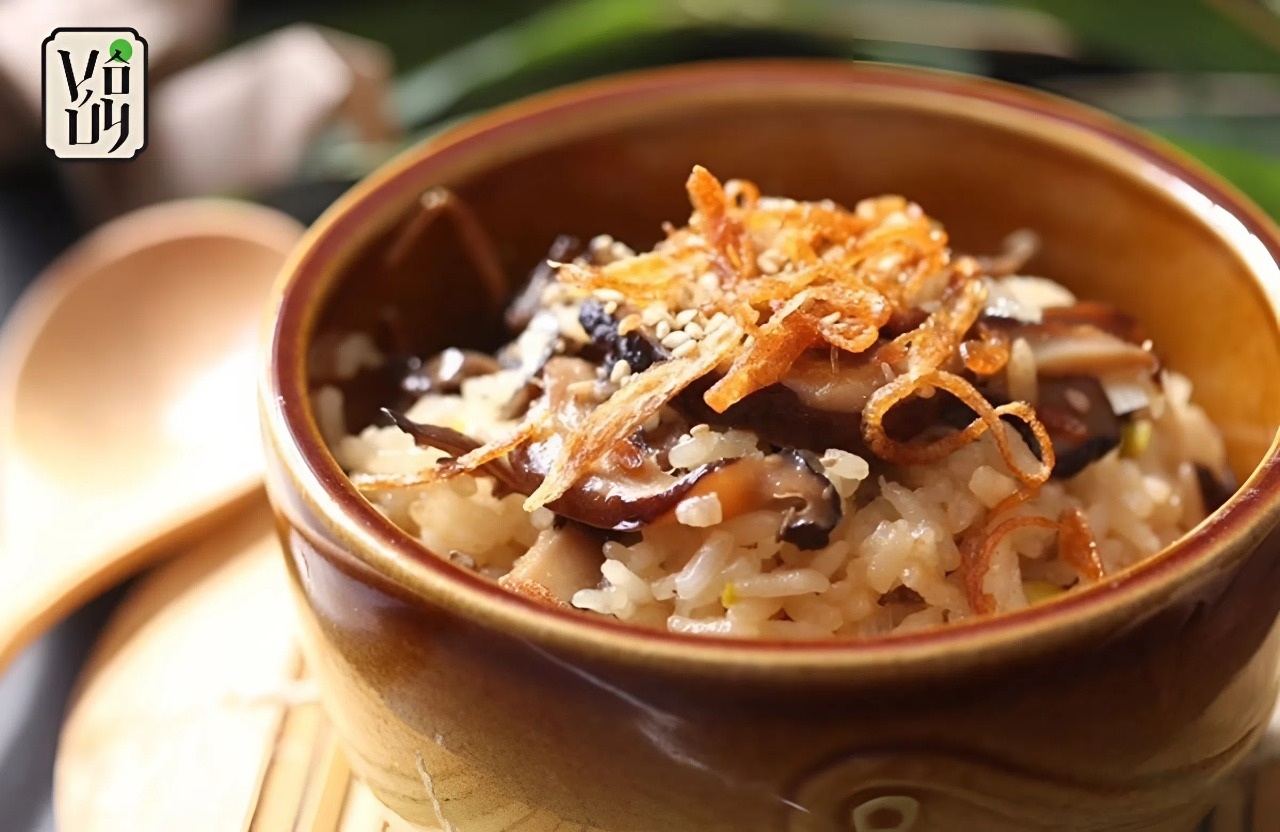
Vegan Mushroom Sticky Rice – A Light and Delicious Dish for Every Occasion
Ingredients for Homemade Vegan Mushroom Sticky Rice
The following recipe serves approximately four people. The total preparation and cooking time is around 60–90 minutes, excluding the time required to soak the glutinous rice.
Ingredients:
- Glutinous rice: 500g
- Dried shiitake mushrooms: 40g
- Dried wood ear mushrooms: 15g
- Carrot: 1/2
- Leek: 1 stalk
- Soy sauce: 2 tablespoons
- Vegan seasoning powder: 1 teaspoon
- Sugar: 1/2 teaspoon
- Cooking oil: 2–3 tablespoons
- Sesame oil: 1/2 teaspoon
- Ground black pepper: As needed
- Salt: As needed
You can adjust the amount of mushrooms according to your preference. However, avoid using too many fresh mushrooms because the liquid they release during cooking may make the sticky rice soggy.
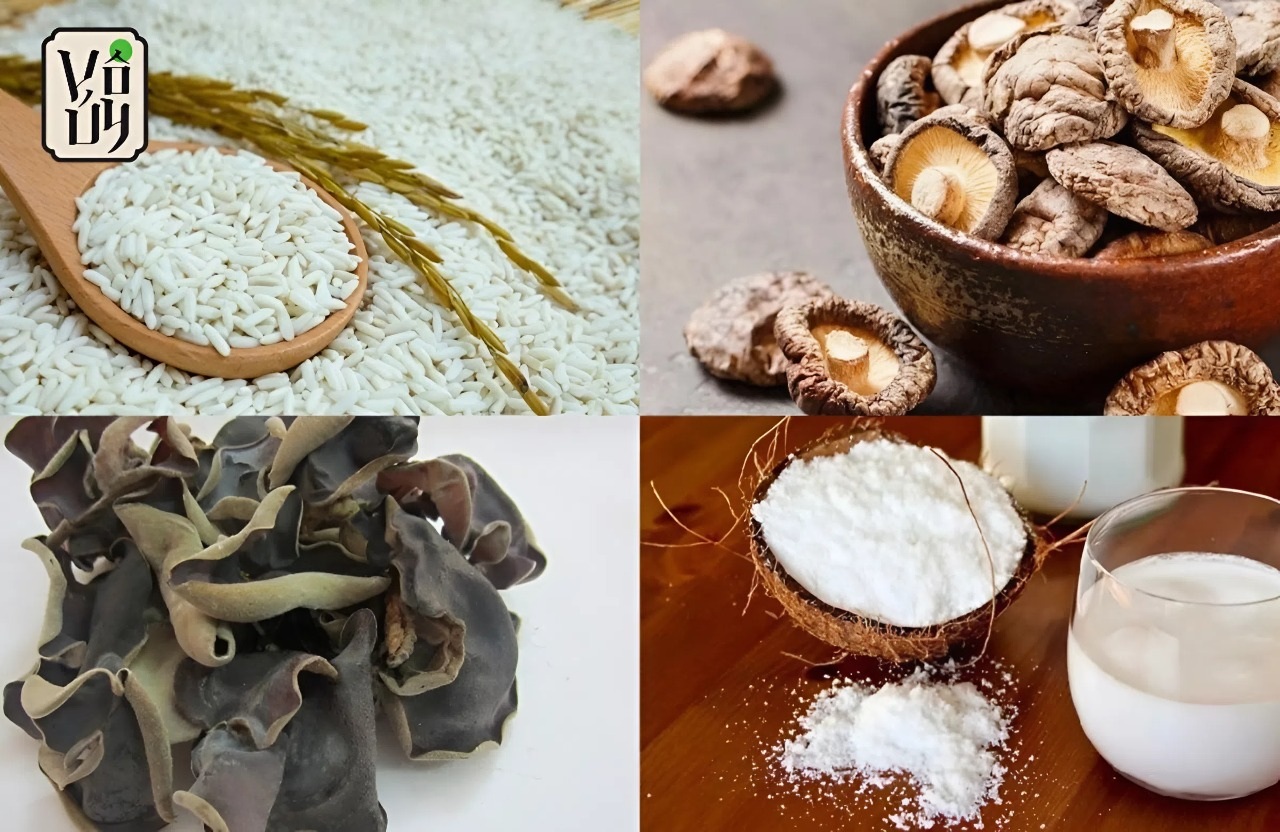
Ingredients for Homemade Vegan Mushroom Sticky Rice
How to Choose Glutinous Rice
The quality of the glutinous rice largely determines the final result. Choose rice with plump, rounded grains that are relatively uniform in size and contain few broken pieces. Good-quality glutinous rice usually has a naturally opaque white color and a mild fragrance.
Nếp cái hoa vàng, a fragrant Vietnamese glutinous rice variety, is particularly suitable for steaming because of its soft texture and distinctive aroma. Waxy glutinous rice is another good option if you want the dish to remain soft and chewy for longer.
Avoid buying rice with a musty smell, unusual discoloration, or too many broken grains. Rice stored for an extended period is often dry, less fragrant, and requires a longer soaking time.
Which Mushrooms Should You Use?
Dried shiitake mushrooms are an excellent choice because they have an intense aroma, firm texture, and release little moisture after preparation. Wood ear mushrooms provide a slightly crunchy texture that makes the dish more interesting.
You can also use fresh shiitake, straw, or oyster mushrooms. However, fresh mushrooms contain a considerable amount of water, so they must be stir-fried until relatively dry before being mixed with the sticky rice.
If you follow a vegetarian diet that excludes the five pungent spices, you can use leek instead of shallots and garlic if leek is permitted in your diet. Toasted sesame seeds, ground pepper, or a small amount of sesame oil can also give the dish a more appealing aroma.
How to Make Vegan Mushroom Sticky Rice in a Steamer
Cooking sticky rice in a steamer allows the grains to cook through hot vapor. The finished rice is usually soft, chewy, relatively dry, and less likely to become soggy. This method is suitable when you have enough preparation time and want greater control over the dish’s quality.
Step 1: Soak and Prepare the Glutinous Rice
Gently rinse the rice about twice to remove dust and impurities. Avoid rubbing it too vigorously because this may break the grains.
Soak the rice in water for 6–8 hours or overnight. If you are using freshly harvested glutinous rice, you may reduce the soaking time to approximately 4–6 hours. Older, drier rice usually needs more time to absorb enough water.
After soaking, transfer the rice to a colander and drain it thoroughly for about 20–30 minutes. Add approximately 1/2 teaspoon of salt and toss gently. This small amount of salt gives the rice a more balanced flavor without overpowering the mushroom filling.
Step 2: Prepare the Mushrooms and Vegetables
Soak the shiitake and wood ear mushrooms in separate bowls of water until soft. Shiitake mushrooms generally need about 20–30 minutes, while wood ear mushrooms may soften more quickly.
Once rehydrated, remove the tough stems and rinse the mushrooms several times to eliminate any remaining sand or dirt. Gently squeeze out the excess water. Slice or dice the shiitake mushrooms and cut the wood ear mushrooms into short, thin strips so they are easy to mix with the rice.
Peel and rinse the carrot before cutting it into small cubes. Wash and finely chop the leek.
Step 3: Stir-Fry the Mushroom Filling
Place a pan over the heat, add approximately two tablespoons of cooking oil, and sauté the leek until fragrant. Once its aroma is released, add the shiitake and wood ear mushrooms.
Stir-fry the mushrooms over medium heat until most of the liquid in the pan has evaporated. Add the carrot, soy sauce, vegan seasoning powder, sugar, and a little ground pepper.
The mushroom filling should be seasoned slightly more strongly than usual because it will later be mixed with 500g of glutinous rice. However, avoid adding too much soy sauce, as this can make the dish overly salty and give it an excessively dark color.
Continue stir-frying until the mushrooms are fully cooked, firm, and nearly dry. The drier the mushroom filling, the lower the risk of making the sticky rice soggy.
Step 4: Steam the Sticky Rice
Add an appropriate amount of water to a pot and bring it to a boil before placing the steamer basket on top. The water level must remain below the bottom of the steamer so that the boiling water does not come into direct contact with the rice.
Place the glutinous rice in the steamer and spread it evenly without pressing it down too firmly. You can create several small holes in the surface to help the steam circulate more effectively.
Cover and steam the rice for approximately 25–30 minutes. Open the lid, gently fluff the rice, and drizzle about one tablespoon of cooking oil over it. The oil gives the grains a glossy appearance and prevents them from sticking together in large clumps.
Continue steaming for another 10–15 minutes. The sticky rice is ready when the grains become translucent, soft, and chewy with no hard centers remaining.
Step 5: Mix the Sticky Rice With the Mushrooms
While both the sticky rice and mushroom filling are still hot, divide the filling into two portions and gradually add it to the rice. Gently fold the mixture from the bottom upward so that the mushrooms are evenly distributed without crushing the grains.
For a more fragrant dish, add 1/2 teaspoon of sesame oil. Sesame oil has a strong aroma, so only a small amount is necessary.
Properly prepared vegan mushroom sticky rice should have chewy, relatively dry, and glossy grains. The mushrooms should be firm, fragrant, and free from excess moisture. The overall flavor should be well balanced, with the mushrooms’ mild natural sweetness and the distinctive aroma of pepper and leek.
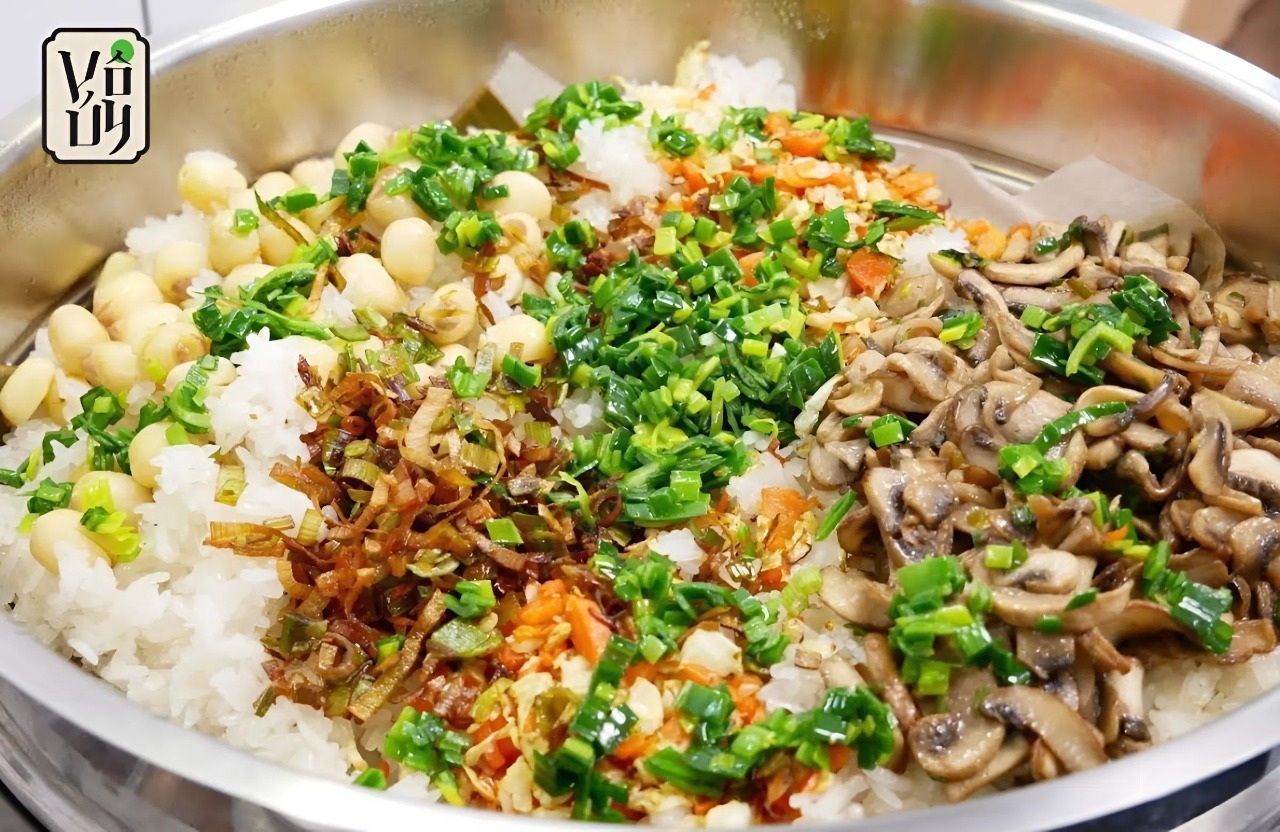
How to Make Vegan Mushroom Sticky Rice in a Steamer
How to Cook Vegan Mushroom Sticky Rice in a Rice Cooker
If you do not have a steamer, you can prepare vegan mushroom sticky rice in a rice cooker. This method is convenient and requires fewer utensils, but you must carefully control the amount of water.
Step 1: Prepare the Rice and Mushroom Filling
Soak the glutinous rice for approximately 3–4 hours and drain it thoroughly. While waiting, prepare and stir-fry the mushroom filling according to the instructions above.
When the mushroom filling is nearly dry, add the glutinous rice to the pan and stir-fry it over low heat for about 3–5 minutes. You only need to cook it until the grains become slightly translucent and are evenly coated with the seasonings. There is no need to cook the rice completely at this stage.
Stir-frying the rice helps distribute the seasonings evenly and gives the dish a more appealing aroma.
Step 2: Cook the Sticky Rice
Transfer the entire rice and mushroom mixture to the rice cooker. Spread it into an even layer, then add hot water until it reaches the surface of the rice or sits slightly below it.
The exact amount of water depends on the type of rice and how long it has been soaked. Properly soaked glutinous rice requires very little water. If you cover it with as much water as you would use for regular rice, the finished sticky rice may become soggy.
Start the rice cooker using its standard cooking mode. When it switches to “Keep Warm,” open the lid and fluff the rice to prevent the bottom layer from burning. If the grains are still slightly firm, drizzle a small amount of hot water over the surface and start another cooking cycle.
Finally, close the lid and allow the rice to rest for approximately 10–15 minutes. The remaining heat will help the grains cook more evenly.
Should You Steam Vegan Mushroom Sticky Rice or Use a Rice Cooker?
Each method offers its own advantages. You can choose based on the time and equipment available, as well as the texture you want to achieve.
| Criteria | Steamer | Rice cooker |
|---|---|---|
| Texture | Chewy with relatively separate grains | Softer and more likely to stick together |
| Water control | Easier to control | Requires precise water measurement |
| Risk of sogginess | Low | Higher |
| Convenience | Requires additional equipment | Simple and convenient |
| Cooking time | Longer | Faster |
| Best suited for | Vegetarian feasts and parties | Breakfast and family meals |
If you prefer chewy, separate, and visually attractive grains, steaming is the better method. If you want to save time, a rice cooker offers greater convenience.
Tips for Making Soft and Flavorful Vegan Mushroom Sticky Rice
Drain the Glutinous Rice Thoroughly
Excess water remaining on the rice makes it difficult to control the moisture during cooking. After soaking, leave the rice in a colander for approximately 20–30 minutes before mixing it with salt or placing it in the cooker.
Stir-Fry the Mushrooms Until Dry
Fresh mushrooms can release a considerable amount of liquid when exposed to heat. Use a wide pan and stir-fry them over medium heat. If preparing a large quantity, cook the mushrooms in two batches to prevent them from steaming in their own liquid.
Do Not Mix in the Mushroom Filling Too Early
When using a steamer, cook the glutinous rice and mushroom filling separately, then combine them while both are still hot. Adding the mushrooms from the beginning can interfere with steam circulation and cause the rice to cook unevenly.
Season the Mushroom Filling More Strongly Than the Rice
The glutinous rice has a relatively mild flavor, so the mushroom filling should be slightly more strongly seasoned. However, you should still control the amount of soy sauce to avoid making the dish too salty.
Do Not Use Too Much Sesame Oil
Sesame oil enhances the aroma of the sticky rice, but too much can overpower the mushrooms’ natural flavor. For 500g of glutinous rice, approximately 1/2 teaspoon of sesame oil is sufficient.
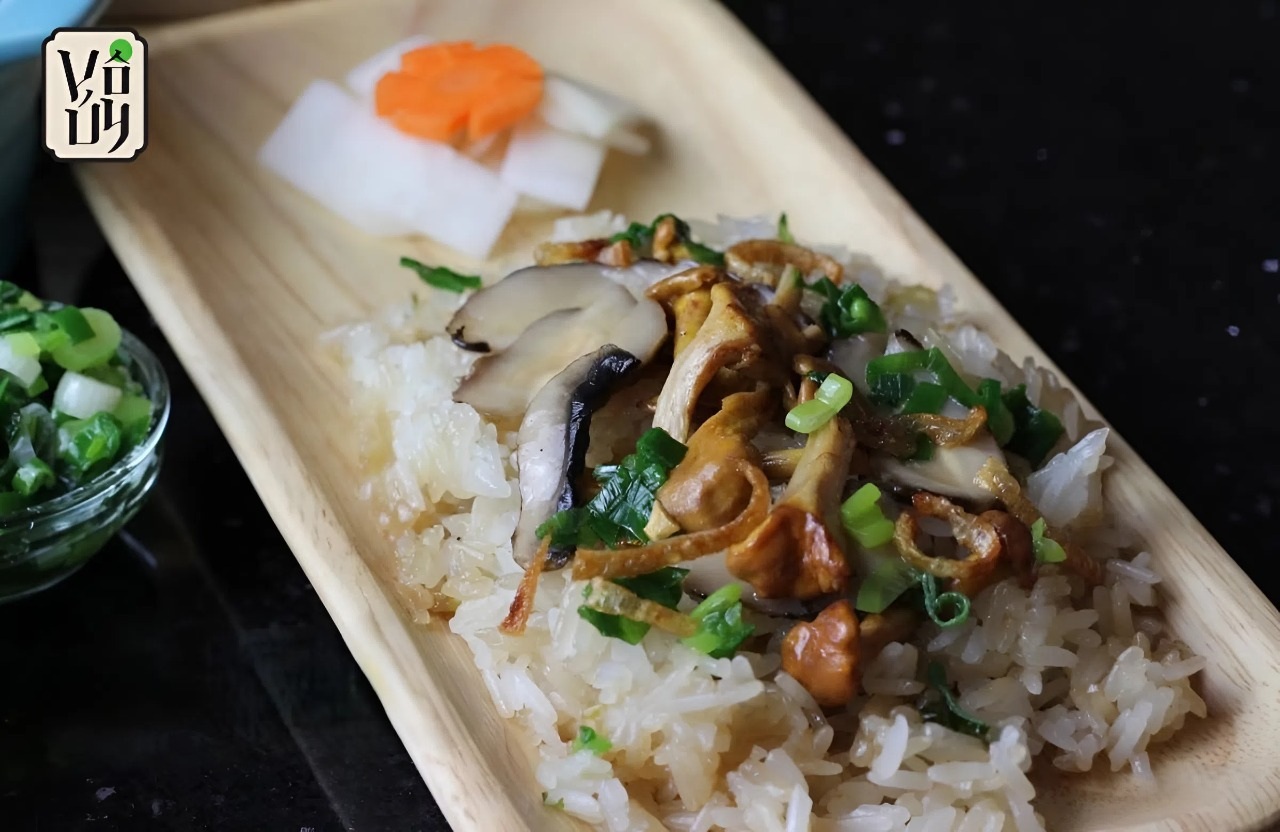
Tips for Making Soft and Flavorful Vegan Mushroom Sticky Rice
Other Vegan Mushroom Sticky Rice Variations to Try
Mushroom Sticky Rice With Lotus Seeds
Lotus seeds add a rich, nutty flavor and make the dish more suitable for vegetarian feasts. Boil or steam the lotus seeds until nearly cooked before gently mixing them into the sticky rice. Avoid stirring too vigorously because soft, cooked lotus seeds break easily.
Mushroom and Vegetable Sticky Rice
You can combine mushrooms with carrots, sweet corn, and green peas to give the dish a more colorful appearance. Stir-fry the vegetables separately until just cooked and relatively dry before mixing them with the sticky rice.
Vegan Char Siu Mushroom Sticky Rice
Vegan char siu gives the dish a richer, more savory flavor. Because this ingredient is usually pre-seasoned, reduce the amount of soy sauce and vegan seasoning powder used in the mushroom filling.
Vegan Mushroom Sticky Rice Without the Five Pungent Spices
For a version without onions or garlic, you can use ground pepper, ginger, toasted sesame seeds, or a small amount of sesame oil. These ingredients add fragrance while keeping the dish suitable for those who avoid the five pungent spices.
Other Vegan Mushroom Sticky Rice Variations to Try
What Should You Serve With Vegan Mushroom Sticky Rice?
Vegan mushroom sticky rice can be enjoyed on its own or served with vegan pork sausage, tofu skin, fried tofu, and pickled vegetables. Cucumber and other pickled vegetables also help balance the chewy texture and richness of the sticky rice.
For a more flavorful meal, prepare a small bowl of soy sauce with sliced chili. Fried leek or toasted sesame seeds also make simple toppings that enhance both the aroma and appearance of the dish.
How to Store and Reheat Vegan Mushroom Sticky Rice
Vegan mushroom sticky rice is best enjoyed immediately after cooking, when the rice is at its softest and the mushrooms are most fragrant. If you have leftovers, let the rice cool slightly before dividing it into smaller portions and placing them in airtight containers.
The sticky rice can be refrigerated for approximately 1–2 days. When ready to serve, steam it for 5–10 minutes to restore its soft texture without drying it out.
If using a microwave, sprinkle a few drops of water over the rice and cover it with a microwave-safe lid or damp paper towel. Only reheat the amount you intend to eat and avoid reheating the same portion multiple times.
Discard the sticky rice if it develops a sour smell, slimy surface, or unusual color. Do not consume food that shows signs of spoilage.
Frequently Asked Questions About Vegan Mushroom Sticky Rice
Are Fresh or Dried Mushrooms Better for Mushroom Sticky Rice?
Dried mushrooms have a stronger aroma and release less water, making them suitable for beginners. Fresh mushrooms have a naturally sweet flavor and softer texture, but they must be stir-fried thoroughly until relatively dry before being mixed with the rice.
Do I Need to Soak the Glutinous Rice Overnight?
You do not necessarily need to soak the rice overnight. However, it should be soaked for at least 4–6 hours when using a steamer. An appropriate soaking time helps the grains cook evenly without leaving hard centers.
Why Does Sticky Rice Cooked in a Rice Cooker Become Soggy?
Sticky rice often becomes soggy because too much water is used, the soaked rice is not drained thoroughly, or the mushrooms still contain excess moisture. Add only enough water to reach the surface of the soaked rice or slightly below it, and stir-fry the mushrooms until dry.
Can I Use Mushroom-Soaking Water to Cook the Sticky Rice?
You can use a small amount of shiitake mushroom-soaking liquid to enhance the flavor. Allow the liquid to settle and strain it thoroughly to remove any sediment.
When cooking with a rice cooker, include the mushroom-soaking liquid when calculating the total amount of cooking water.
Is Vegan Mushroom Sticky Rice Suitable for a Ceremonial Feast?
Vegan mushroom sticky rice is suitable for full-moon days, religious offerings, and family feasts. You can add lotus seeds, colorful vegetables, or vegan char siu to give the dish a more attractive and elegant presentation.
Enjoy Flavorful Vegetarian Cuisine at Vô Úy Vegetarian Restaurant
If you want to enjoy thoughtfully prepared vegetarian dishes without spending too much time in the kitchen, Vô Úy Vegetarian Restaurant is an ideal place to dine with family and friends. The restaurant offers a diverse vegetarian menu that emphasizes harmony between flavor, presentation, and ingredient quality.
In addition to its appealing dishes, Vô Úy provides a quiet and welcoming atmosphere suitable for family meals, friendly gatherings, and special occasions. You can browse the menu and reserve a table at Vô Úy Vegetarian Restaurant in advance to choose a convenient dining time.
Conclusion
Vegan mushroom sticky rice does not require complicated cooking techniques, but you must carefully control the moisture in both the glutinous rice and mushrooms. When the rice is soaked properly, the mushroom filling is stir-fried until dry, and the amount of cooking water is accurately measured, the finished dish will be soft, chewy, fragrant, and free from excess moisture.
If you would like to explore more carefully prepared vegetarian dishes in a peaceful setting, visit Vô Úy Vegetarian Restaurant and enjoy a wholesome meal with your family and friends.